Support

Goree Island

About

Imagine a tranquil oasis tucked away in the ocean just a few kilometers from a bustling metropolis. Gorée Island is a unique historical site located near Dakar, the capital of Senegal. This tiny speck of land, less than a kilometer long and about 350 meters wide, preserves the memory of centuries of colonial history.
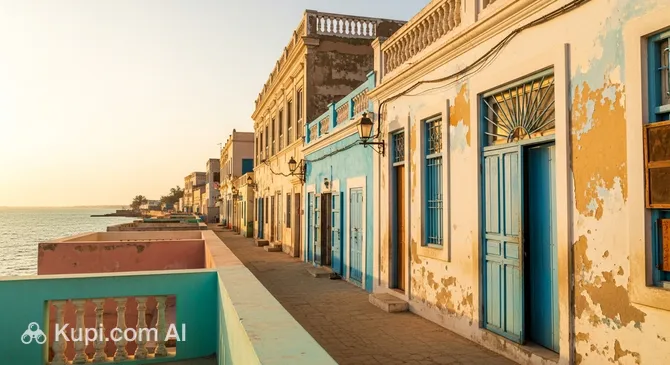
Gorée Island. Illustration.
Source: Kupi.com AI

Traveler photos:

You won't find any cars here: people only move on foot through the narrow streets surrounded by bright red and ochre buildings. Due to its exceptional preservation and tragic past related to the transatlantic slave trade, the island was included in the UNESCO World Heritage list in 1978. Today, it is not just an open-air museum, but also home to more than a thousand residents who create an atmosphere of peace and quiet here.

Visitors are drawn not only by the rich colonial-style architecture but also by the opportunity to touch a history that changed the face of several continents. A walk through Gorée is a deep dive into the past, complemented by picturesque views of the Atlantic Ocean and cozy embankments.

Contacts

When planning a visit to this historical location, tourists should take into account its position in the island part of the city. Official contact information is available at the following address:

How to contactContact
AddressMJ92+5CH, Rue du castel, Dakar, Senegal

What to Do

The main highlight of the itinerary for most guests is the House of Slaves (Maison des Esclaves). This building, transformed into a thought-provoking museum, allows you to see the infamous "door of no return" and learn about the fates of those whose journey to the New World began right here. This place calls for silence and thoughtful observation.

Beyond historical reflection, Gorée Island offers aesthetic pleasure through its walks. Be sure to climb up to the old French fort from the 19th century, which offers a panoramic view of the ocean and the silhouette of Dakar on the horizon. Colonial villas adorned with flowering bougainvillea bushes and administrative buildings from past eras create the perfect backdrop for artistic photography.

For those who want to experience the modern local flavor, small galleries and souvenir shops are open on the island, selling the works of Senegalese artisans. You can end your walk at one of the cozy seaside cafes, trying traditional local dishes and enjoying the sea breeze away from the city bustle.

Getting There

The journey to this iconic location begins at the port of Dakar. The only way to reach the island is by using the regular ferry service. Ferries depart approximately once an hour, and the sea trip itself takes about 20 minutes, allowing you to enjoy the view of the receding city and the approaching shores of Gorée.

The ticket price for foreign tourists is approximately 10 USD. The ticket usually includes a round trip, and document checks are less frequent on the way back. To reach the port from different parts of the city, it is most convenient to use a taxi or the services of local private carriers.

Upon arrival, you won't need any transport: Gorée Island is entirely pedestrian. The absence of cars makes walking through its territory as comfortable and safe as possible, and all key sites are within a few minutes' walk of each other.

Nearest city: Dakar

History & Facts

The history of this place for Europeans began in 1444, when the Portuguese explorer Dinis Dias first landed on these shores. Due to its strategic location, this tiny piece of land quickly became an important trading post, fought over for centuries by Portugal, the Netherlands, England, and France.

From the 15th to the 19th century, the island served as one of the largest slave-trading centers on the West African coast. Not only people but also valuable goods of the era passed through its ports: gold, leather, spices, and peanuts. In 1677, control over the territory was finally secured by France, which left an indelible mark on the local architecture.

With the development of the port in Dakar and the official abolition of the slave trade in the mid-19th century, the island's importance began to fade. However, it was this very neglect that helped preserve its unique appearance almost in its original state. In 1978, UNESCO recognized the outstanding value of the island by including it on the World Heritage List.

Today, this place serves as a living reminder of complex pages in human history. Having transformed from a bustling trading port into a quiet commune of Dakar in 1996, the island has become a symbol of reconciliation and an important educational center for travelers from all over the world.

Time Needed

Travelers usually spend between 3 to 5 hours visiting this site. This is plenty of time to leisurely explore the main exhibits, walk along the colorful embankments, and take atmospheric photos against the backdrop of ancient walls.

If you plan not only to tour the museums but also to have lunch at one of the local seaside cafes, you should set aside half a day for the trip. Also, take into account the waiting time for the ferry at the port, especially on weekends when the flow of visitors increases.

Working Hours

Access to the island itself is regulated by the ferry schedule, which typically runs from early morning until late evening. The main museums, including the famous House of Slaves, welcome visitors during daylight hours, though they may have lunch breaks.

Since the exact opening hours of exhibitions and the frequency of ferry trips can change depending on the season or holidays, it is recommended to check the current schedule on the official website or directly at the port ticket offices before departure.

Nearby

After visiting the island, it is worth spending time at other interesting places in the vicinity. The mainland part of the city offers many cultural and entertainment venues that help you get to know the life of modern Senegal better.

Below are some attractions located nearby:

NameDistance
House of Slaves0.2 km
IFAN Museum of African Arts0.5 km
Port Casino3.1 km
La Fourchette3.2 km
Le Kermel Restaurant3.3 km
Le Lagon 1 Restaurant3.3 km
Léopold Sédar Senghor French Institute4 km

Reached the end of the page?

That means the route is fully explored