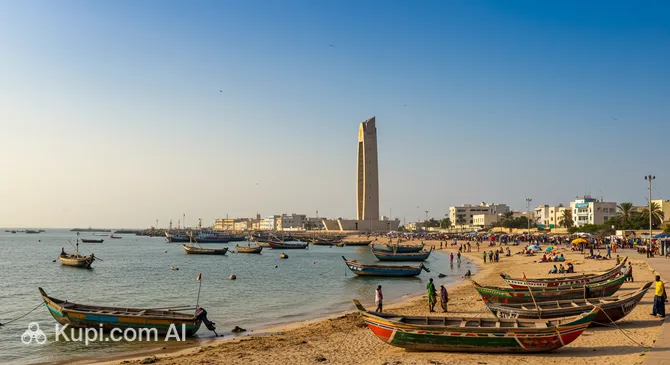
Welcome to Dakar, the vibrant capital city that sits on the westernmost tip of the African continent. As the economic and cultural heart of Senegal, this metropolis offers a dynamic blend of modern urban energy and traditional warmth, making it a fascinating gateway to West Africa.
Stretching across the Cap-Vert peninsula, Dakar is home to over 1.4 million people. Its unique geographical location surrounds it with the Atlantic Ocean, providing a refreshing coastal breeze that often tempers the warm, semi-arid climate. The city acts as a major regional port and a melting pot of diverse cultures and ethnicities.
Dakar. Illustration.
Source: Kupi.com AI
The city is deeply rooted in the past, and exploring the history of Dakar reveals a complex narrative of trade, colonial heritage, and independence. Visitors are often drawn to the poignant Gorée Island, a UNESCO World Heritage site located just offshore, known for its historical architecture and museums. Back on the mainland, the towering African Renaissance Monument stands as a bold symbol of resilience and future potential.
From the colorful chaos of the Sandaga Market to the serene beaches of N'Gor, the city invites travelers to experience its unique rhythm known as teranga—the local spirit of hospitality. Whether you are interested in a vibrant arts scene, delicious seafood, or coastal relaxation, a visit to Dakar promises an unforgettable journey.
Weather Overview
Dakar enjoys a warm, semi-arid climate that is significantly moderated by its coastal position on the Cap-Vert peninsula. Temperatures remain pleasant for most of the year, avoiding the extreme heat often found further inland. For a detailed breakdown of conditions for your specific travel dates, you can check the current weather in Dakar.
The year is divided into a long dry season and a shorter wet season. From November to May, the weather is consistently dry with zero precipitation. During this period, average temperatures generally range from 21°C to 27°C, with the coolest and most comfortable months typically being January through April. The climate begins to warm up as the dry season concludes.
The rainy period typically lasts from July to October, with temperatures peaking in October at an average of around 28°C. August and September see the highest frequency of wet days, bringing higher humidity, though the city remains warm throughout these months.
Average monthly temperature
Average monthly precipitation
Interesting Facts
Beyond the main attractions, Dakar holds many fascinating secrets that surprise even seasoned travelers. From its unique geographical position to its unexpected sporting fame, here are a few things you might not know about this dynamic city.
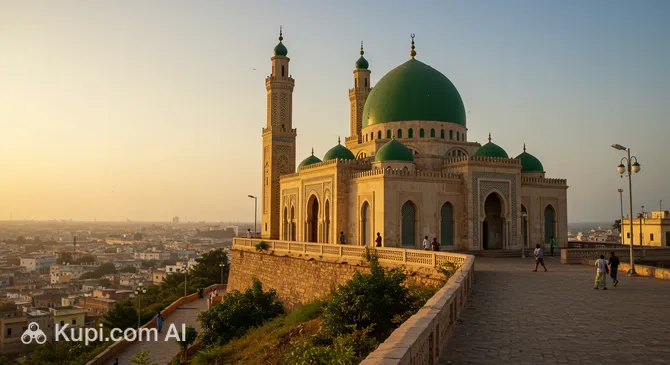
Mosque of the Divinity. Illustration.
Source: Kupi.com AI
Traveler photos:
Dakar is home to the African Renaissance Monument, a colossal bronze statue that stands 52 meters tall. It is taller than the Statue of Liberty in New York and serves as an imposing symbol of the continent's resilience and future.
The city is a surprising haven for surfers. The Almadies Peninsula offers some of the best waves in West Africa, catching swells from multiple directions and creating a year-round destination for water sports enthusiasts.
Architecturally unique, the Mosque of the Divinity is situated right on the edge of the ocean in a cove. Its towering minarets provide a striking contrast against the Atlantic backdrop, and the sound of the waves often accompanies the call to prayer.
While the famous Paris-Dakar Rally moved to South America and later Saudi Arabia, Dakar remains the historic spiritual home of this legendary off-road endurance race, which originally finished at the Lac Rose nearby.
Just a short ferry ride away, Gorée Island offers a completely different pace of life because it is a car-free zone. Visitors must explore its narrow, flower-lined streets and colonial buildings entirely on foot.
How to Get There
Reaching the vibrant capital of Senegal is a straightforward experience for travelers, with air travel serving as the primary point of entry for most international visitors. Whether you are arriving from a neighboring country or from across the ocean, the city is well-connected to the global transport network. For a comprehensive guide on all available transport methods and routes, you can read more about how to get to Dakar.
The main gateway for arrivals is Blaise Diagne International Airport (IATA: DSS), which is the bustling hub for the region. Although it serves the capital, it is actually located in Diass, approximately 43 km from the center of Dakar. Travelers should plan for a transfer time of approximately 85 minutes by taxi or shuttle bus to reach the downtown area, depending on traffic conditions. For those traveling regionally or looking for alternative routes, Yundum International Airport (IATA: BJL) is another significant option. However, please note that this airport is located in Banjul, Gambia, which is about 175 km away from Dakar. The journey from there involves crossing borders and takes approximately 4 hours and 45 minutes by road.
For clarity, here is a summary of the main airports:
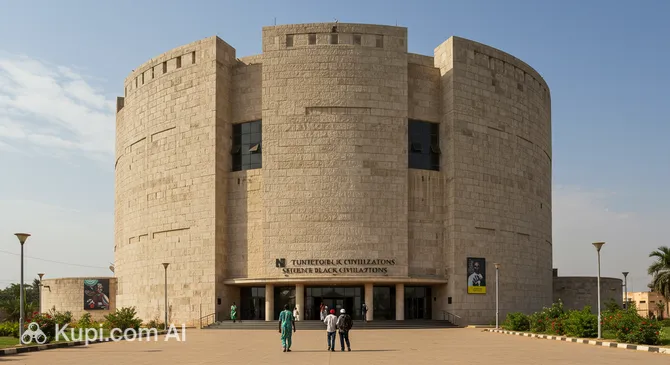
Dakar is a city where history, art, and spirituality converge, offering visitors a rich tapestry of experiences. One of the most significant cultural additions to the city is the Museum of Black Civilizations. Opened in 2018, this architectural marvel spans 14,000 square meters and is dedicated to the celebration of Black art and culture from across the globe. Tourists are drawn here not only for its impressive circular design, inspired by traditional impluvium houses, but also for its ambitious exhibitions that trace the contributions of Black civilizations from antiquity to the contemporary era.
Museum of Black Civilizations. Illustration.
Source: Kupi.com AI
Traveler photos:
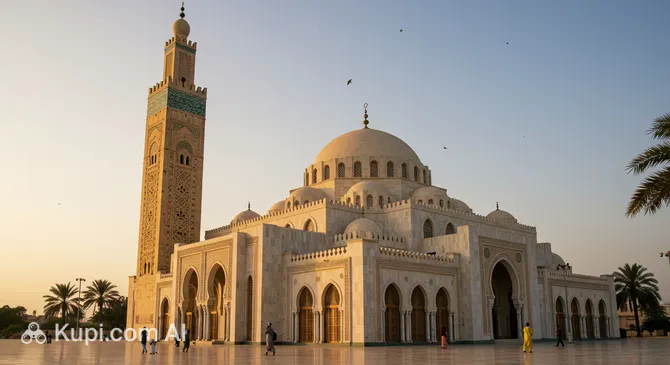
For those seeking a deeper understanding of the region's spiritual heritage, the Grand Mosque of Dakar is an essential stop. Built in 1964 following independence, this imposing structure was designed by French and Moroccan architects, resulting in a beautiful fusion of styles. Its towering minaret, which rises 67 meters into the sky, serves as a major landmark in the Medina district. Visitors are captivated by the mosque's serene courtyard and intricate interior decorations, which offer a peaceful retreat from the bustling city streets outside.
Grand Mosque of Dakar. Illustration.
Source: Kupi.com AI
Traveler photos:
A short trip from the mainland takes you to a place of profound historical weight: the House of Slaves. Located on Gorée Island, this museum serves as a somber memorial to the Atlantic slave trade. The site is most famous for the "Door of No Return," a poignant symbol of the final exit point for millions of enslaved Africans. It is a deeply emotional destination that attracts world leaders and travelers alike, offering a crucial educational experience regarding human history and resilience.
Art enthusiasts will find a treasure trove at the IFAN Museum of African Arts. As one of the oldest art museums in West Africa, it houses an extensive collection of masks, statues, and musical instruments from across Francophone Africa. The museum provides a comprehensive look at the diverse artistic traditions of the continent, making it a perfect spot for those wishing to explore the cultural depth of Senegal and its neighbors.
To unwind after a day of sightseeing, Voile d'Or Beach offers a picturesque escape. Unlike some of the wilder coastal spots, this beach is known for its calm waters and golden sands, lined with coconut palms that provide ample shade. It is a favorite among both locals and tourists for swimming and relaxation, offering stunning views of the harbor and a chance to enjoy the laid-back coastal atmosphere of the peninsula.
Local Cuisine
Dakar serves as the culinary capital of Senegal, offering a vibrant food scene that reflects the country's reputation for teranga—its famous spirit of hospitality. The local cuisine is a delicious fusion of North African spices, French culinary techniques, and traditional West African flavors. Thanks to its position on the peninsula, the city is renowned for its fresh seafood, which is a staple in many households and restaurants.
Visitors should not leave without tasting the national dish, Thieboudienne (or Ceebu Jën), a flavorful meal consisting of fish, broken rice, and tomato sauce cooked with vegetables like cassava, carrots, and cabbage. Other popular specialties include Yassa Poulet, chicken marinated in a zesty onion and lemon sauce, and Mafe, a hearty stew made with a rich peanut butter base. To quench your thirst, try a glass of bissap, a sweet and tangy juice made from hibiscus flowers, or bouye, derived from the baobab fruit.
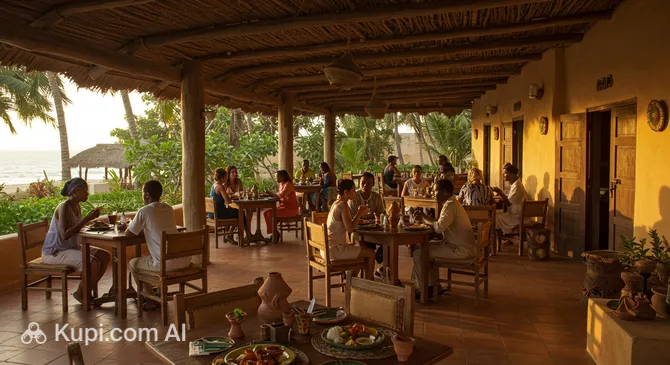
The dining landscape in the city ranges from lively street food stalls to elegant waterfront establishments. La Fourchette is a popular spot for those seeking a mix of international and local dishes in a chic setting. For a memorable seafood experience, Le Lagon 1 Restaurant offers dining on a pier extending over the ocean, providing stunning views and the freshest catch of the day. Another notable venue is Le Kermel Restaurant, located near the historic market, which offers a charming atmosphere to enjoy classic French and Senegalese plates.
Le Lagon 1 Restaurant. Illustration.
Source: Kupi.com AI
Traveler photos:
Travel Tips
Traveling to Dakar is an exhilarating adventure, but the city's fast pace and unique cultural norms can sometimes be overwhelming for first-time visitors. To help you navigate the bustling streets with confidence and embrace the local lifestyle, here are some essential practical tips for your journey.
Clothing and Gear: Dakar is warm and humid, so pack lightweight, breathable fabrics like cotton or linen. While the vibe is coastal, the culture is conservative; it is respectful to dress modestly by covering your shoulders and knees, especially when visiting religious sites like the Grand Mosque or walking through traditional neighborhoods. Comfortable, closed-toe shoes are a must for navigating sandy or uneven streets, and don't forget a universal travel adapter (Type C or E plugs) for your electronics.
Transportation: The most convenient way to get around is by using the iconic yellow-and-black taxis. However, they rarely use meters, so you must negotiate and agree on the fare before getting into the car. For a more modern experience, ride-hailing apps like Yango or Heetch are becoming popular and offer fixed pricing. While the colorful cars rapides (minibuses) are a famous symbol of the city, they can be chaotic and difficult for tourists to navigate without local help.
Finances: The local currency is the West African CFA Franc (XOF). While upscale hotels and restaurants accept credit cards (Visa is more common than Mastercard), cash is king in Dakar. You will need small bills for taxis, markets, and street food. ATMs are widely available in the city center and at banks. Tipping is appreciated; leaving loose change or rounding up the bill is a kind gesture for good service.
Health and Safety: Tap water is generally not recommended for drinking; stick to sealed bottled water to avoid stomach issues. Pharmacies are easily recognizable by a green cross, and many are well-stocked with French medications; look for "Pharmacie de Garde" for after-hours service. As in any major city, be vigilant with your belongings in crowded areas like Sandaga Market to avoid pickpocketing, and avoid walking alone on empty beaches at night.
Communication: The official language is French, but the heart of the city speaks Wolof. English is not widely spoken outside of major tourist hotels, so downloading an offline French dictionary or translation app is highly recommended. Learning a few Wolof greetings like "Nanga def?" (How are you?) will instantly warm up interactions. Buying a local SIM card (Orange or Free) is cheap and easy at the airport or street kiosks, ensuring you have reliable GPS and data.
Local Etiquette: Greetings are a crucial social ritual in Senegal and should never be rushed. Always greet people with a polite "Bonjour" or "Salaam Aleikum" and ask how they are doing before asking a question or starting a transaction. If you are invited to share a meal from a communal bowl, remember to eat only with your right hand and stick to the portion directly in front of you.
What to Avoid: Public displays of affection, such as kissing or intense hugging, are frowned upon and considered disrespectful in this conservative society. Additionally, never take photos of locals, especially in markets or rural areas, without asking for their explicit permission first; it is considered intrusive and can lead to conflict.
Shopping Tip: Bargaining is not just expected; it is a way of life in Dakar's markets. Whether you are buying souvenirs, fabric, or art, the first price quoted is usually just a starting point. Smile, be friendly, and negotiate respectfully—it is meant to be a social exchange rather than a confrontation.
By keeping these tips in mind, you will be well-prepared to look past the initial chaos and discover the incredible warmth that defines this city. Embrace the spirit of teranga, respect the local customs, and Dakar will welcome you with open arms.
Entertainment & Nightlife
Entertainment and Nightlife:
While the beaches and historical sites define the daylight hours, Dakar transforms into a pulsating hub of energy once the sun sets. Before diving into the late-night scene, visitors looking for daytime or early evening entertainment can visit the Sea Plaza. This modern complex is not just for shopping; it features a cinema, a bowling alley, and oceanfront dining, making it a family-friendly destination. For a dose of culture, the Léopold Sédar Senghor French Institute is a cornerstone of the city's artistic life, regularly hosting concerts, theater productions, and film screenings in its outdoor gardens.
The true heartbeat of the city, however, is found in its nightlife. Dakar is renowned across West Africa for its vibrant music scene, particularly Mbalax—a rhythmic fusion of traditional Sabar drumming and modern jazz, pop, and funk. The epicenter of this nocturnal activity is the Les Almadies district. Located on the northwestern tip of the peninsula, this upscale neighborhood is lined with trendy nightclubs, lounges, and bars that stay open until dawn. The Plateau district offers a different vibe, hosting historic jazz bars and livelier, more casual venues.
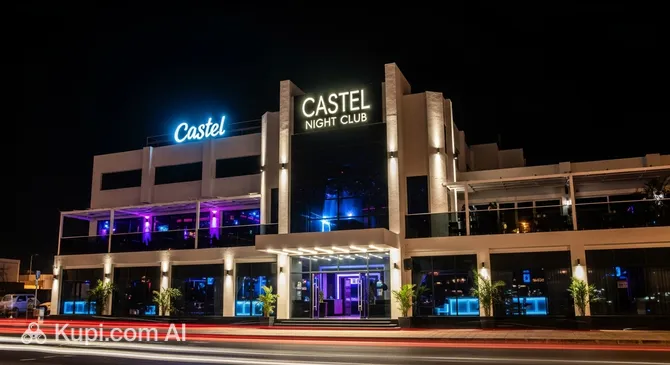
For those eager to experience the local clubbing scene, Castel Night Club is a popular destination. It is known for its energetic atmosphere and mix of international and African hits, drawing a diverse crowd of locals and expats.
Castel Night Club. Illustration.
Source: Kupi.com AI
Traveler photos:
Another excellent option for a night out is Ayoka Dakar, which offers a stylish environment perfect for enjoying cocktails and music. If you prefer gaming entertainment, the Port Casino welcomes guests with a variety of slot machines and tables, often accompanied by live entertainment or events.
To fully enjoy the night, timing is everything. Nightlife in Dakar starts late; while bars may have patrons in the evening, nightclubs typically do not fill up until well after midnight, with the peak hours often being between 2:00 AM and 4:00 AM. The dress code, especially in Almadies, tends to be smart and fashionable, so it is worth dressing up.
Regarding safety and transport, it is advisable to avoid walking between venues at night. The safest and most convenient way to get around is by taxi. Official yellow-and-black taxis are plentiful, but always negotiate the price before getting in. Alternatively, ride-hailing apps provide a reliable option with fixed fares. Stick to well-lit, populated areas, and you will find that the city's nightlife is welcoming and full of life.
Parks & Museums
Beyond its bustling markets and busy streets, the Senegalese capital offers refreshing green sanctuaries and a wealth of cultural institutions that dive deep into the region's artistic and historical heritage. From serene botanical gardens to monuments celebrating African identity, the city provides ample space for reflection and discovery.
For nature lovers, the Hann Park (Parc Forestier et Zoologique de Hann) serves as the city's primary "green lung." Covering roughly 60 hectares, this sprawling area features a botanical garden, an arboretum, and a small zoo. It is a favorite spot for locals to jog, picnic, or simply escape the urban heat under the shade of ancient trees. Just off the coast, the Îles de la Madeleine National Park offers a completely different natural experience. Known as the smallest national park in the world, these uninhabited volcanic islands are a sanctuary for rare birds and marine life, accessible by a short boat trip for a day of hiking and swimming in pristine waters.
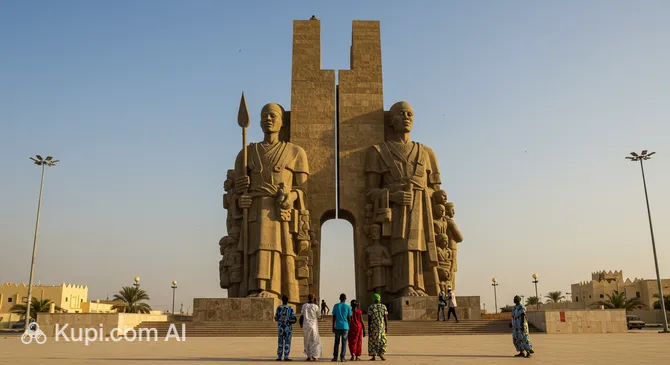
On the cultural front, the Place of African Remembrance (Place du Souvenir Africain) stands as a significant architectural and historical landmark. Located prominently on the Corniche Ouest, this expansive plaza is dedicated to the memory of Africa's martyrs and heroes throughout history. It features two striking pantheons and a large esplanade that hosts cultural events, offering visitors not only a lesson in Pan-African history but also stunning views of the Atlantic Ocean.
Place of African Remembrance. Illustration.
Source: Kupi.com AI
Traveler photos:
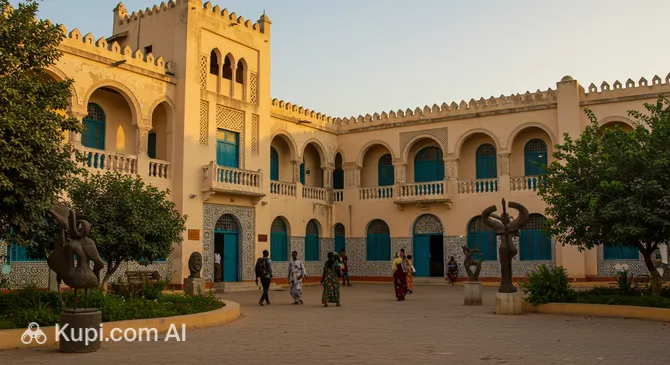
Art enthusiasts should make time for the Léopold Sédar Senghor French Institute. As a vibrant cultural hub in the heart of the city, it plays a pivotal role in the local arts scene. The institute boasts a lush garden, an outdoor theater, and the "Le Manège" gallery, which regularly showcases contemporary exhibitions by Senegalese and international artists. It is a perfect venue to witness the dynamic dialogue between local traditions and modern artistic expression.
Léopold Sédar Senghor French Institute. Illustration.
Source: Kupi.com AI
Traveler photos:
For a truly authentic experience, venture off the beaten path to the Village des Arts. Located near the stadium, this creative complex occupies a former camp for Chinese workers and now serves as a residence and workspace for dozens of Senegal's most talented painters, sculptors, and photographers. It offers a unique opportunity to meet artists in their studios and see their works in progress before they hit the galleries.
Getting Around
Navigating Dakar offers a fascinating contrast between the ultra-modern and the deeply traditional. The city's public transport system has undergone significant upgrades in recent years, making it easier for visitors to get around, though the vibrant chaos of the older networks remains a staple of daily life. Understanding the mix of trains, buses, and informal shuttles is key to exploring the peninsula efficiently.
For speed and comfort, the Regional Express Train (TER) is the standout option. This modern rail service connects the historic train station in the Plateau district to the suburbs and the developing hub of Diamniadio. It is air-conditioned, reliable, and operates on a strict schedule, making it the most stress-free way to travel long distances across the city. Complementing this is the newly introduced Bus Rapid Transit (BRT) system, which features electric buses running on dedicated lanes, significantly reducing travel time through the city's busiest corridors.
The formal bus network is primarily operated by a company known as Dakar Dem Dikk ("Dakar Coming and Going"). These large, beige-and-brown buses cover comprehensive routes throughout the city and are generally safer and more comfortable than the informal alternatives. Alongside these, you will see blue AFTU minibuses (often Tata vehicles) serving specific neighborhoods. While they are often crowded, they are a viable and inexpensive option for short to medium trips if you are familiar with the route.
For a truly local experience, the Cars Rapides are unmistakable. These iconic, brightly painted yellow-and-blue Renault minibuses are a moving symbol of the city, known for their elaborate decorations and religious inscriptions. While they are incredibly cheap, they are often uncomfortable and lack standard safety features. The routes can be confusing for non-locals, as destinations are shouted by an apprentice hanging from the back door. They are recommended for adventurous travelers wanting to experience the city's authentic rhythm rather than for efficient commuting.
Taxis remain the most popular choice for tourists for their convenience and flexibility. The official black-and-yellow cabs are ubiquitous and can be hailed almost anywhere. They do not use meters, so you must negotiate the fare with the driver before getting in. For those who prefer fixed pricing and modern convenience, ride-hailing apps like Yango, Heetch, and Kai are widely available, offering a hassle-free alternative with the ability to pay via the app or cash.
When it comes to payment, cash is king for most modes of transport. The TER and BRT stations are equipped with ticket counters and vending machines where you can purchase single-trip tickets or rechargeable travel cards. However, for Dakar Dem Dikk, AFTU buses, and Cars Rapides, you pay directly on board. It is crucial to carry small change, as conductors often struggle to break large bills. Fares are generally very low, typically ranging from 100 to 500 CFA francs depending on the distance.
A unique and essential part of the transport network is the ferry service (Chaloupe). This is the primary method to reach the historic Gorée Island. Ferries depart regularly from the main port terminal in the city center. Tickets must be purchased at the terminal booth before boarding, and the short voyage offers scenic views of the coastline, making the journey an attraction in itself.
Accommodation
Finding the perfect place to stay in Dakar is relatively easy, as the city offers a diverse spectrum of accommodation options to suit every travel style and budget. Visitors can choose from modest guesthouses and backpacker-friendly hostels to mid-range boutique hotels and luxurious international resorts. Whether you are looking for a business-friendly room in the city center or a relaxing seaside retreat, the Senegalese capital has plenty to offer.
Location is key when choosing where to base yourself. The Plateau district is the heart of downtown, ideal for those who want to be close to museums, government buildings, and the ferry to Gorée Island. For travelers seeking a more upscale and leisurely vibe, the Les Almadies neighborhood is the top choice; it is famous for its oceanfront restaurants, vibrant nightlife, and high-end hotels. Surfers and those looking for a laid-back, bohemian atmosphere often prefer the areas around N'Gor and Yoff, which offer a village-like feel within the city limits.
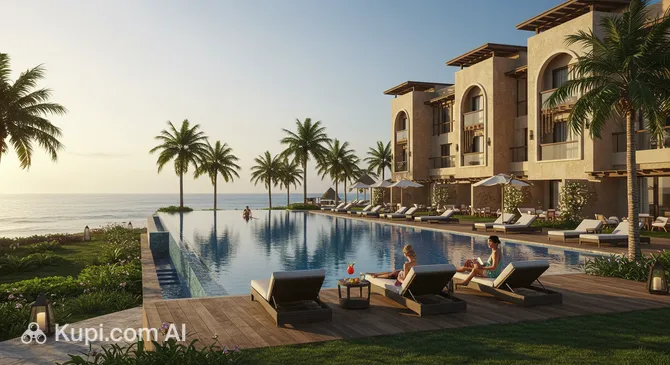
For those seeking a blend of modern comfort and resort-style amenities, the Noom Blu Hotel is a notable option. Situated to take advantage of the coastal setting, it represents the growing trend of contemporary hospitality in the region, offering guests a stylish base from which to explore the peninsula.
Noom Blu Hotel. Illustration.
Source: Kupi.com AI
Traveler photos:
Accommodation prices in Dakar can vary significantly. Budget travelers can find beds in hostels or simple rooms starting from around 15,000 to 30,000 XOF per night, while mid-range options typically range between 50,000 and 90,000 XOF. Luxury stays and resorts can easily exceed 120,000 XOF per night. While walk-ins are possible at smaller guesthouses, it is highly recommended to book in advance using major online platforms, especially if you plan to visit during the peak dry season from November to May when the best hotels fill up quickly.
Nearby Cities
For those looking to explore the surroundings, Dakar serves as an excellent base for day trips to several interesting nearby locations:
One of the most culturally significant stops is Thiès, located roughly an hour's drive from the capital. Often referred to as the "City of the Rail" due to its history as a railway hub, it offers a calmer, tree-lined alternative to the bustle of Dakar. It is famous for the Manufactures Sénégalaises des Arts Décoratifs, where visitors can see master weavers creating intricate tapestries that are renowned worldwide.
Just a short distance from the city center lies Rufisque, a historic town that retains a distinct colonial atmosphere. Once a major port, it features old trading houses and architecture that tell the story of the region's commercial past. It serves as the gateway to the Petite Côte and offers a lively market experience without the overwhelming density of the capital.
For those willing to venture further inland, Diourbel provides a look into the spiritual and agricultural heartland of Senegal. It is home to a grand mosque and serves as a key location for the peanut trade. The city's slower pace allows travelers to experience authentic local life away from the coast.
These nearby destinations offer a glimpse into the diverse culture and landscapes of the region.
Shopping & Souvenirs
Shopping:
Shopping in Dakar is a vibrant and sensory experience that ranges from the chaotic energy of open-air markets to the cool comfort of modern malls. The city is a major hub for West African crafts, textiles, and art, making it an excellent destination for travelers looking to take a piece of Senegalese culture home with them. Whether you are hunting for intricate jewelry, bold fabrics, or contemporary fashion, the capital offers a diverse array of retail opportunities.
For a traditional shopping experience, the city's markets are the center of daily life. Marché Sandaga in the Plateau district is the largest and most famous, known for its overwhelming bustle and endless stalls selling everything from electronics to textiles. While the main building has been closed for renovation, the surrounding streets remain a hive of activity. For a more relaxed atmosphere, Marché Kermel is housed in a beautiful colonial-era round building. Here, you can find high-quality fresh produce, flowers, and a section dedicated to artisanal souvenirs, all within a cleaner and more organized setting than Sandaga.
If you are specifically looking for local handicrafts, the Soumbédioune Craft Village (Village Artisanal de Soumbédioune) is the place to go. Located on the Corniche Ouest, this dedicated market features artisans creating and selling leather goods, pottery, jewelry, and wood carvings directly to the public. It is the ideal spot to find authentic gifts without the intense crowding of the central markets.
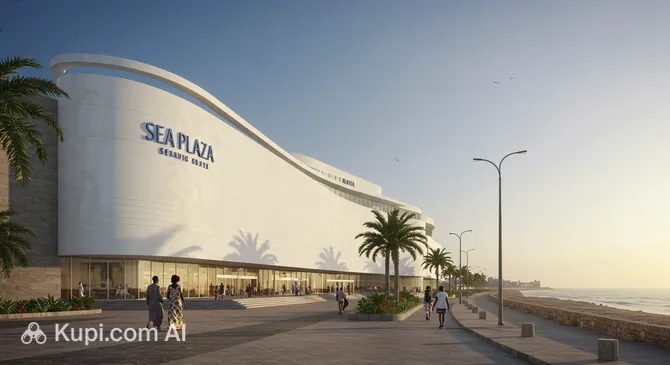
For those who prefer a modern retail environment, Sea Plaza is the city's premier shopping destination. Located along the corniche, this upscale mall houses a variety of international fashion brands, cosmetics stores, and electronic shops. It offers a stark contrast to the street markets, providing air-conditioning, a food court, and a safe, relaxed atmosphere for browsing.
Sea Plaza. Illustration.
Source: Kupi.com AI
Traveler photos:
When it comes to souvenirs, Dakar is famous for its Wax fabrics. These colorful, patterned cotton cloths are used to make traditional clothing and can be bought by the yard at markets like HLM or Sandaga. Other popular items include sous-verre (glass paintings), sand paintings, handcrafted silver jewelry, and leather bags. Musical instruments, such as the kora or djembe, are also sought-after treasures for music lovers.
Most shops and malls typically open around 9:00 AM and close between 7:00 PM and 9:00 PM. Markets often start earlier but wind down by sunset. While credit cards are accepted in malls like Sea Plaza, supermarkets, and upscale boutiques, cash is essential for street markets and smaller vendors. Bargaining is a fundamental part of the culture in the markets; prices are rarely fixed, and negotiating with a smile is expected and respected.
Regarding tax-free shopping, Senegal does not have a widely accessible VAT refund system for tourists comparable to those in Europe. While some duty-free options exist at the international airport for departing passengers, visitors should generally expect to pay the listed or negotiated price inclusive of local taxes within the city.