Support

Ziguinchor

About

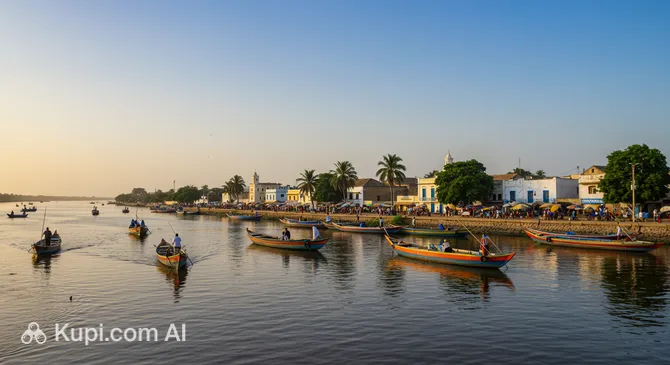
Welcome to Ziguinchor, the vibrant capital of the Casamance region in southern Senegal. Known for its lush tropical vegetation and a distinctly relaxed atmosphere, this city offers a refreshing contrast to the arid landscapes found further north. With a population of approximately 205,000 inhabitants, it serves as a bustling hub of commerce and culture, situated gracefully on the banks of the wide Casamance River.

The city's strategic location makes it an ideal gateway for exploring the rich biodiversity of the surrounding area. Visitors are often charmed by the wide, palm-lined streets and the colonial-era buildings that dot the city center. To fully appreciate the unique character of this multicultural settlement, it is worth exploring the history of Ziguinchor, which traces its evolution from a Portuguese trading post to a major regional port.

Ziguinchor. Source: Kupi.Binoculars

Travelers are drawn to the city's lively markets, such as the Marché Saint-Maur, where the colors and scents of local spices, fabrics, and crafts come alive. The Alliance Franco-Sénégalaise is another cultural highlight, often hosting concerts and exhibitions that showcase the artistic spirit of the region. For nature lovers, the river offers opportunities to spot dolphins and diverse bird species during peaceful boat excursions through the mangroves.

Whether you are looking to immerse yourself in local traditions or simply enjoy the tranquility of the riverfront, Ziguinchor welcomes you with open arms. It is a destination that promises authentic experiences and warm hospitality, making it a truly memorable stop on your journey.

Weather Overview

The climate in this region is tropical, characterized by consistently warm to hot temperatures year-round and two clearly defined seasons. Before packing, it is useful to review the weather in Ziguinchor, which alternates between a long dry spell and a humid rainy period. Average temperatures typically hover between 27°C and 29°C, ensuring a warm atmosphere regardless of when you visit.

The hottest months are usually March and April, when daytime maximums can reach up to 37°C. From November through May, the city experiences a dry season with virtually no rainfall and clear skies. Conversely, the wet season arrives in June and intensifies by August, which sees the highest frequency of precipitation with approximately 27 wet days.

Expect intense heat during the spring months and frequent rainfall in late summer, while the winter period offers dry conditions with pleasant nights dipping to around 20°C.

Interesting Facts

Beyond its reputation as a lush regional capital, Ziguinchor holds fascinating secrets deeply rooted in its complex colonial past and unique cultural blend. The city's history and traditions offer a narrative that sets it distinctively apart from the rest of the nation.

  • There is a persistent and melancholic urban legend regarding the origin of the city's name. Many locals believe "Ziguinchor" derives from the Portuguese phrase "Chegou, chorou", which translates to "They arrived and they cried." This folk etymology is said to reflect the sorrow associated with the historic slave trade or the hardships faced by early settlers, although some historians attribute the name to the indigenous Iziguinchor people.

  • Unlike the northern parts of the country which were shaped primarily by French influence early on, Ziguinchor remained under Portuguese control until 1886. This extended period of Portuguese rule left a lasting demographic legacy; it is one of the few places in the region where Portuguese surnames such as Da Silva, Carvalho, and Fonseca are still common among the local families today.

  • The city preserves the spectacular Fanal tradition, a lantern festival that dates back to the era of the Signares (mixed-race women of high social standing). During celebrations, massive, illuminated lanterns made from wire and paper—often intricately crafted to look like ships or colonial houses—are paraded through the streets, accompanied by singing and drumming that keeps this centuries-old art form alive.

How to Get There

Reaching this southern gem of Senegal is an adventure that offers various convenient options for travelers. Whether you prefer a quick flight or a scenic drive through the region, you can find all ways to reach the city and choose the one that suits your itinerary best. The area is well-connected by air, serving both domestic and regional routes.

The most direct entry point is the Ziguinchor airport (IATA: ZIG), which is conveniently located just 2.2 km from the city center. While it is a smaller facility primarily handling domestic flights, its proximity makes it the easiest choice for arrival. A taxi ride from the terminal to the heart of the city is very short, taking approximately 5 to 10 minutes.

Another popular option, especially for those combining their trip with a beach holiday, is flying into Cap Skirring airport (IATA: CSK). Situated in the coastal town of Cap Skirring, it is about 55 km away from Ziguinchor. The journey by taxi or bus allows you to see the lush landscapes of the region and typically takes around 1 hour and 45 minutes.

For international travelers, Yundum International Airport (IATA: BJL) in Banjul is a viable alternative. Although it is located in the neighboring country of The Gambia, roughly 96 km away, it often offers more flight connections. The drive to Ziguinchor involves a border crossing, so the total travel time is approximately 2 hours and 45 minutes.

For clarity, here is a summary of the main airports:

Airport Name City Passenger Traffic Km from City
Blaise Diagne International Airport Dakar Large 248.8
Yundum International Airport Banjul Medium 96.3
Cap Skirring Cap Skirring Medium 55.5
Osvaldo Vieira Airport Bissau Small 99.5
Ziguinchor Ziguinchor Small 2.2

Main Attractions

Ziguinchor offers a delightful mix of cultural, natural, and historical sites that reflect the unique spirit of the Casamance region. One of the most prominent landmarks in the city is the Cathedral of Saint Anthony of Padua. Located near the center, this modest yet dignified structure serves as a focal point for the local Catholic community. Its architecture is simple, featuring pastel tones that blend well with the city's relaxed atmosphere, and it offers a peaceful retreat for visitors interested in the spiritual life of the region.

For those looking to explore the area's rich flora and fauna, the Djibélor Farm (Ferme de Djibélor) is a fantastic excursion located just a few kilometers outside the city. This lush botanical garden and animal park allows tourists to walk among exotic fruit trees and tropical flowers. It is particularly famous for its crocodile breeding ponds and ostriches, making it an engaging stop for nature lovers and families alike.

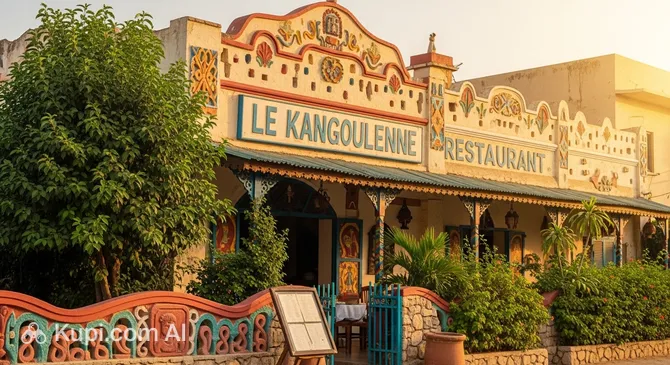
Gastronomy is also a key part of the travel experience here. To sample authentic local flavors, you can visit Le Kangoulenne Restaurant. This establishment is well-regarded for its welcoming ambiance and offers a chance to taste traditional Senegalese dishes prepared with fresh, local ingredients. It is an excellent spot to relax and enjoy the hospitality for which the region is known.

Le Kangoulenne Restaurant. Source: Kupi.Binoculars

Another essential experience is taking a pirogue tour through the mangroves of the Casamance River. While the riverfront is a general highlight, booking a specific boat trip allows you to navigate the winding saltwater creeks (bolongs). These excursions are perfect for birdwatching, offering the chance to spot pelicans, herons, and sometimes even river dolphins in their natural habitat.

Local Cuisine

The culinary landscape of Ziguinchor is a delightful reflection of the Casamance region's natural abundance, often described as the "food basket" of Senegal. Unlike the drier north, this fertile area produces a staggering variety of tropical fruits and vegetables, while the majestic Casamance River provides a constant supply of fresh seafood. The local food culture is deeply intertwined with the river, and meals here are characterized by rich flavors, generous portions, and the extensive use of locally sourced ingredients like palm oil, mangoes, and citrus.

The most iconic dish you must try is Poulet Yassa (Chicken Yassa). While popular throughout the country, its roots are firmly planted in this region. The dish consists of tender chicken marinated in a tangy blend of lemon juice, plenty of caramelized onions, and mustard, then grilled or braised to perfection. Another regional specialty is the mangrove oyster. These small, flavorful oysters are harvested directly from the roots of the mangrove trees lining the river. They are typically served grilled over a wood fire or fresh with a squeeze of lime, offering a true taste of the local terroir.

When it comes to beverages, the local culture brings a unique offering to the table: Palm Wine, locally known as Bunuk. Tapped fresh from palm trees, this cloudy, whitish drink varies in sweetness and potency depending on fermentation and is a staple at social gatherings. For non-alcoholic options, the region's fruits shine. You can enjoy refreshing glasses of Bissap (hibiscus juice), Bouye (baobab fruit juice), or the distinctively tart Jus de Madd, made from a wild fruit that grows abundantly in the local forests.

Dining in the city ranges from casual street food stalls selling grilled fish and spicy fatayas (pastries) to more established eateries. The atmosphere is generally laid-back, with many venues offering outdoor seating to enjoy the warm evenings. For a reliable introduction to authentic Senegalese flavors in a welcoming setting, travelers often visit Le Kangoulenne Restaurant. Whether you are eating at a simple "tangana" (street canteen) or a riverside restaurant, the hospitality in Ziguinchor ensures that every meal feels like a special occasion.

Travel Tips

Visiting Ziguinchor is a journey into the heart of the Casamance region, where the pace of life is slower and the culture is distinct from the rest of Senegal. To help you navigate this lush riverside city with ease and respect for local customs, here are some practical tips to keep in mind.

  1. Clothing and Gear: Due to the tropical climate, lightweight and breathable fabrics like cotton or linen are essential. The weather is generally hot and humid, especially near the river. While Ziguinchor is relatively relaxed, it is respectful to dress modestly; avoid overly revealing swimwear outside of pool areas. Crucially, bring a high-quality insect repellent and a universal travel adapter (Type C or E plugs), as mosquitoes can be active, particularly at dusk.
  2. Transportation: The most common way to get around the city is by taxi. They are affordable and plentiful, but you should always negotiate the fare before starting your journey as meters are rarely used. For shorter distances, motorcycle taxis known locally as "Jakartas" are popular and cheap, though they are less safe; if you choose one, ask for a helmet. Walking is also a pleasant option in the city center during the cooler parts of the day.
  3. Finances: The local currency is the West African CFA Franc (XOF). Cash is king in Ziguinchor, and many smaller shops, markets, and restaurants do not accept credit cards. There are ATMs available (banks like SGBS or CBAO), but they can occasionally be out of service or out of cash, so it is wise to carry enough cash for daily expenses. Tipping is appreciated; leaving small change at local eateries is a kind gesture.
  4. Health and Safety: Ziguinchor is generally safe for tourists, but standard precautions apply; avoid walking in unlit or isolated areas late at night. Pharmacies are easily identifiable by a green cross and are well-stocked with basic medicines. Drink only bottled or filtered water, and avoid ice cubes in street drinks to prevent stomach issues. Malaria prophylaxis is highly recommended for travel in this region.
  5. Communication: The official language is French, which is widely used in business and tourism. However, the local lingua franca of the region is Jola (Diola), unlike the Wolof dominance in the north. English is not widely spoken outside of major hotels or tour agencies. Learning a few basic French phrases will go a long way, and knowing the local Jola greeting "Kassoumay?" (How are you?) will instantly warm the hearts of locals.
  6. Local Etiquette: Greetings are a vital part of social interaction in Senegal. It is considered rude to ask a question or start a transaction without first exchanging pleasantries. A handshake is the standard greeting. If you are eating from a communal bowl, always use your right hand, as the left is considered unclean.
  7. What to Avoid: Do not take photographs of people, especially in markets or rural areas, without asking for their explicit permission first. This is a sensitive issue, and snapping photos without consent can cause offense. Also, avoid public displays of strong anger or frustration; keeping a calm and smiling demeanor will resolve problems much faster.
  8. Local Insight: Be aware of the "afternoon lull." Due to the heat, many shops and businesses close for a break between 1:00 PM and 3:00 PM. Plan your shopping or administrative tasks for the morning or late afternoon, and use this time to enjoy a leisurely lunch or a rest, just like the locals do.

By embracing these simple guidelines, you will find that the people of Ziguinchor are incredibly welcoming and eager to share their culture with you. Enjoy the vibrant rhythms, the lush landscapes, and the unique hospitality that make this southern city a highlight of any Senegalese adventure.

Entertainment & Nightlife

The nightlife in Ziguinchor reflects the city's overall character: laid-back, rhythmic, and deeply welcoming. Unlike the frenetic energy of Dakar, the evening scene here is more about socializing over good music and drinks in open-air settings than high-intensity clubbing. The atmosphere is heavily influenced by the region's love for reggae, Afro-Cuban beats, and local Jola rhythms, creating a vibe that is both festive and relaxing.

Most evening entertainment is concentrated around the city center and the riverfront. For a perfect start to the night, many travelers head to the banks of the Casamance River to watch the sunset with a cold drink in hand. The terrace bar at the Hôtel Kadiandoumagne is a favorite spot for this, offering a sophisticated yet casual environment where tourists and locals mingle. Later in the evening, you can enjoy a hearty meal and a lively atmosphere at Le Kangoulenne Restaurant, which often serves as a great base before exploring other venues.

For those seeking live music and a cultural touch, Le Bombolong is a legendary establishment in the city. Part restaurant, part cultural center, it frequently hosts local bands and offers a rustic, artistic ambiance that captures the spirit of the Casamance. If you are in the mood for dancing, there are a few nightclubs and late-night bars in the Santhiaba neighborhood where DJs spin a mix of international hits and Senegalese Mbalax until the early hours. The dress code is generally casual, though people tend to dress smart-casual for clubs.

When planning a night out, it is best to head out around 9:00 PM or 10:00 PM for bars, while dance venues typically pick up after midnight. Prices are generally affordable, with beers and cocktails costing significantly less than in European cities. However, credit cards are rarely accepted at smaller bars, so ensure you carry sufficient cash (XOF).

Safety is an important consideration. While Ziguinchor is friendly, the streets can be poorly lit at night. It is strongly advised to avoid walking long distances after dark. Instead, use the ubiquitous orange and black taxis to move between venues; they are inexpensive and easy to hail. Always agree on the fare before getting in.

During the day, entertainment is more low-key and culturally oriented. Visitors can explore the Alliance Franco-Sénégalaise, which is a hub for daytime exhibitions, theater performances, and concerts. Alternatively, a stroll through the bustling markets or a boat trip on the river offers a relaxing way to spend the daylight hours before the city heats up with music in the evening.

Parks & Museums

Ziguinchor is often referred to as a garden city, where the boundaries between urban life and tropical nature blur seamlessly. While it may not boast massive national museums in the traditional sense, the city itself serves as a living exhibition of colonial history and biodiversity, offering several lush spaces and cultural centers that celebrate the heritage of the Casamance region.

The Casamance Riverfront acts as the city's primary natural playground and breathing space. Stretching along the northern edge of the town, this area offers more than just scenic views; it is a vibrant ecosystem where the water meets the mangroves. Visitors can enjoy peaceful walks along the banks, observing local fishermen and the diverse birdlife that thrives in the vegetation. It is an ideal spot for a sunset promenade, providing a direct connection to the region's riverine soul without leaving the city limits.

For a more structured immersion in nature, the Djibélor Farm (Ferme de Djibélor) is the most significant green space accessible to tourists. Located a short distance from the center, this botanical haven is densely packed with exotic fruit trees, flowering plants, and towering palms. It functions as both a garden and a conservation area, famous for its crocodile ponds. Walking through its shaded paths offers a refreshing escape from the midday sun and a chance to see the rich flora of southern Senegal up close.

In terms of culture and art, the Alliance Franco-Sénégalaise stands out as the beating heart of Ziguinchor's artistic scene. Housed in a striking building inspired by the traditional impluvium architecture of the Jola people, it functions effectively as a gallery and cultural museum. The center regularly hosts rotating exhibitions of photography, painting, and sculpture by local and international artists. It is also a venue for concerts and theater, making it the best place to engage with the contemporary creative spirit of the region.

Another site of cultural interest is the Centre Culturel Régional. This venue is dedicated to preserving and promoting the diverse traditions of the Casamance ethnic groups. While smaller than national institutions, it often organizes events and showcases that highlight traditional dance, music, and crafts. It provides visitors with a deeper understanding of the local customs and the complex history that shapes the identity of the people living here.

The city's streets themselves act as an Open-Air Museum of Colonial Architecture. A stroll through the older quarters reveals administrative buildings and private homes dating back to the French and Portuguese eras. Notable structures include the Governance Building and the Cathedral, which reflect the architectural styles of the late 19th and early 20th centuries. These buildings, with their wide verandas and pastel colors, tell the story of Ziguinchor’s past as a pivotal trading post.

For an authentic insider experience, visit the Village Artisanal de Ziguinchor. While primarily a market for crafts, it operates like a living museum where you can watch artisans at work. From woodcarving to intricate jewelry making, observing these masters in their workshops offers a raw and interactive look at the region's artistic heritage that you won't find in a glass display case.

Getting Around

The public transport system in Ziguinchor is quite different from what you might find in large metropolitan areas. There is no metro, tram, or complex municipal bus network operating within the city limits. Instead, the transportation landscape is informal, relying primarily on taxis and motorcycle taxis. This system is flexible and covers the entire city effectively, allowing visitors to reach their destinations quickly without the need to study complicated route maps or schedules.

The most popular and convenient way to get around is by taxi. These vehicles are easily recognizable by their distinctive orange and black color scheme. You can hail them from the side of the road almost anywhere in the city. Taxis operate on a shared basis ("taxi-brousse" style) or as private hires ("déplacement"). If you are the only passenger and want to go directly to your destination without stops, you must specify that you want a private hire; otherwise, the driver may pick up other passengers along the way who are heading in the same direction.

For a faster and cheaper alternative, motorcycle taxis, locally known as "Jakartas," are ubiquitous. They are the quickest way to navigate the streets, especially during busier times or to reach areas where cars might struggle. While they are convenient, safety can be a concern. It is highly advisable to request a helmet from the driver, although they are not always provided automatically. This mode of transport is favored by locals for short trips and is an authentic way to experience the rhythm of the city.

The payment system is entirely cash-based. There are no travel cards, passes, or mobile apps for paying fares. You must pay the driver directly in the local currency (CFA Francs). It is essential to carry small change, as drivers often do not have change for large bills. Fares are generally low compared to international standards. A standard taxi ride within the city center typically costs a fixed small amount for a shared seat, while a private hire will cost more and should be negotiated before you get in. Similarly, Jakarta rides have standard rates for short distances, but it is always best to confirm the price before starting the journey.

Operating hours are quite flexible, with transport available from early morning until late at night. However, the frequency of taxis and motorcycles decreases significantly after midnight. If you plan to be out very late, it is wise to arrange your return transport in advance or keep the phone number of a reliable taxi driver. Validating tickets is not a concept here; the transaction is simple and immediate upon completing your ride.

Given the city's location on the river, water transport is also a relevant feature. Traditional pirogues (motorized canoes) serve as ferries to cross the Casamance River or to visit nearby villages and islands. These depart from the main port area and offer a scenic, albeit slower, alternative to road travel for specific destinations. Tickets for these boats are purchased at the departure point, usually in cash.

For those who prefer more independence, walking is a viable and pleasant option, particularly in the city center where the streets are wide and shaded by trees. Car rentals are available but are less common for navigating within the city itself. Most rental agencies offer vehicles with a driver, which is recommended due to the lack of formal signage and the chaotic nature of local traffic. Cycling is possible, but there are no dedicated bike lanes, so riders must be comfortable sharing the road with motorized traffic.
Accommodation

Hotels:

Finding accommodation in Ziguinchor is generally a stress-free experience, with options that reflect the city's laid-back, tropical character. Unlike the high-rise luxury chains found in major international capitals, the hospitality scene here is dominated by charming independent hotels, riverside lodges, and traditional guest houses. Whether you are looking for a scenic retreat with a swimming pool or a budget-friendly base for your adventures, the city offers a warm welcome that aligns with the legendary hospitality of the Casamance region.

For many travelers, the most desirable place to stay is along the banks of the Casamance River. Hotels in this area often feature lush tropical gardens, terraces offering spectacular sunset views, and private jetties. Staying by the river allows you to enjoy the cooling breeze and a sense of tranquility while still being just a few minutes away from the city center. These establishments typically offer the highest standard of comfort, often including amenities like swimming pools, which are a delightful respite after a day of exploring in the heat.

If you prefer to be in the heart of the action, the city center offers a variety of practical hotels and inns. These are convenient for business travelers or tourists who want easy access to markets, banks, and transport hubs. The architecture here often retains a colonial touch, with buildings featuring wide verandas and inner courtyards. While they may lack the expansive river views, they make up for it with their proximity to local restaurants and the vibrant street life of Ziguinchor.

A unique accommodation style common in this region is the "Campement". These are often community-run or eco-friendly lodges that focus on cultural immersion and simplicity. While some are quite rustic, offering basic facilities like mosquito nets and fans, others have evolved into "Campement-Hotels" that provide modern comforts such as air conditioning and en-suite bathrooms. Choosing this type of stay is an excellent way to support the local economy and experience the authentic rhythm of life in southern Senegal.

When planning your stay, keep a few practicalities in mind. Air conditioning is a highly recommended amenity, especially during the hotter months from March to May. Wi-Fi is widely available in most hotels, though connection speeds can vary. It is also advisable to book in advance if you are visiting during the peak tourist season (December to April), as the best riverside rooms tend to fill up quickly. Finally, while larger hotels accept credit cards, smaller establishments and campements often prefer payment in cash (CFA Francs), so it is wise to arrive prepared.

Nearby Cities

For those looking to explore the surroundings, Ziguinchor serves as an excellent base for day trips to several interesting nearby locations. The Casamance region and its neighbors offer a variety of landscapes and cultural experiences that can be easily accessed for a day or a short excursion.

One of the most authentic destinations within reach is Sedhiou. Located approximately 78 kilometers to the east, it sits gracefully on the banks of the Casamance River. As the capital of its own region and a town with deep historical roots, Sédhiou offers a quieter, more traditional atmosphere compared to Ziguinchor. It is a great place to observe the colonial-style architecture and immerse yourself in the rich Mandinka culture that is prominent in this part of the country.

Further inland lies Kolda, often referred to as the capital of Upper Casamance. Although the journey covers about 148 kilometers, it takes you through changing landscapes of savannah and forests. Kolda is known for its vibrant markets and serves as a major agricultural hub. A visit here provides insight into the Fulani culture and offers a chance to see a different side of southern Senegal, away from the coastal influence.

City Population Distance (km)
Kaolack 172,305 178
Diourbel 100,445 231
Sedhiou 80,000 78
Kolda 62,258 148
Joal Fadiouth 45,903 190

These nearby destinations offer a glimpse into the diverse culture and landscapes of the region, allowing travelers to expand their understanding of Senegal beyond the immediate riverside charm of Ziguinchor.

Shopping & Souvenirs

Shopping in Ziguinchor is less about browsing high-end boutiques or sprawling malls and more about immersing yourself in the vibrant local culture. The city offers an authentic West African commercial experience, where the exchange of goods is often accompanied by conversation and bargaining. Visitors will find that the shopping scene here is dominated by colorful open-air markets and small artisanal workshops, making it the perfect place to find unique, handmade treasures rather than mass-produced items.

The main commercial activity is concentrated in the Escale neighborhood and along the streets leading towards the port. This area serves as the bustling heart of the city, lined with various shops, pharmacies, and small general stores. Walking through these streets allows you to observe the daily rhythm of the locals. While you won't find designated "shopping districts" in the Western sense, the central avenues are where you can find banks, fabric sellers, and essential supplies.

Travelers looking for large, modern shopping malls will not find them in Ziguinchor. The retail landscape is traditional, with the closest equivalent being small supermarkets or "superettes" that stock imported goods and groceries. For a true shopping adventure, the markets are the place to be. The Marché Saint-Maur is the largest and most famous market in the city. It is a sensory overload of sights and smells, offering everything from vibrant wax print fabrics and exotic spices to fresh produce and household goods. It is a fantastic place to observe local life, but be prepared for a crowded and lively atmosphere.

For souvenirs, the Village Artisanal de Ziguinchor is the undisputed highlight. Located conveniently within the city, this complex gathers some of the region's most skilled craftsmen in one place. Here, you can watch artisans at work and purchase high-quality goods directly from them. The Casamance region is renowned for its woodcarving, so look for intricate masks, statues, and furniture made from local teak or ebony. Other excellent souvenirs include handmade jewelry, pottery, and leather goods. Don't forget to pick up some cashew nuts or locally produced honey, as the region is a major agricultural hub for these products.

Most shops and market stalls open around 8:00 AM or 9:00 AM and stay open until roughly 6:00 PM or 7:00 PM. However, it is crucial to remember the "afternoon lull." Many smaller businesses close between 1:00 PM and 3:00 PM to escape the midday heat. Regarding payment, cash is absolute king. Credit cards are rarely accepted outside of major hotels and perhaps a few large supermarkets. You should always carry sufficient West African CFA Francs (XOF) in smaller denominations. Bargaining is standard practice in markets and with street vendors; do it with a smile and a sense of humor to get the best price.

Tax-free shopping or VAT refund schemes are generally not available or practical for the types of goods tourists typically buy in Ziguinchor's markets and artisanal shops. The administrative infrastructure for processing such refunds does not exist in these informal sectors, so the price you negotiate is the final price you pay.

Reached the end of the page?

That means the route is fully explored