Support

Bissau

About

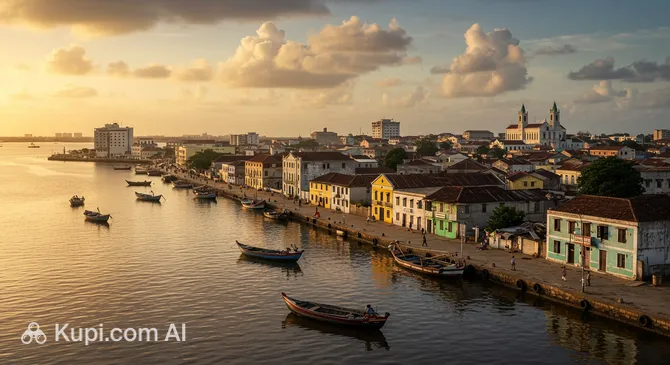
Welcome to Bissau, the vibrant capital and largest city of Guinea-Bissau. Situated on the estuary of the Geba River as it flows into the Atlantic Ocean, this port city serves as the country's administrative and commercial hub. With a population of approximately 492,000 residents, Bissau offers a unique blend of fading colonial charm and lively West African energy, creating an atmosphere that is surprisingly relaxed and welcoming for a capital city.

The city's character is deeply influenced by its past, visible in the architecture of the old quarter, Bissau Velho. Here, visitors can walk along quiet streets lined with Mediterranean-style buildings in pastel hues. To fully appreciate the significance of these landmarks and the city's journey from a fortified trading post to a modern center, delving into the history of Bissau is essential for any cultural enthusiast.

Bissau. Source: Kupi.Binoculars

Among the key attractions is the Fortaleza d'Amura, an imposing stone fortress that houses the mausoleum of national hero Amílcar Cabral and remains an active military headquarters. For a taste of local life, the bustling Mercado de Bandim offers a sensory experience with its colorful stalls selling everything from traditional textiles to fresh produce. Whether you are exploring historical sites or enjoying the sunset by the port, Bissau invites you to discover its authentic spirit and warm hospitality.

Weather Overview

Bissau experiences a tropical climate defined by consistently high temperatures and two distinct seasons: a long dry period and a humid rainy season. To plan your trip effectively, it is helpful to consult the detailed guide on the weather in Bissau. Generally, visitors can expect sunny skies for most of the year, followed by a period of intense tropical showers.

The dry season runs from November through May, featuring virtually no rainfall and average highs reaching up to 36.2°C in April. The wet season takes over from June to October, with precipitation peaking in August, which sees about 29 wet days. Throughout the year, the climate remains warm, with average minimum temperatures staying comfortably above 20°C.

Interesting Facts

Beyond its colonial facades and river views, Bissau hides unique cultural nuances that surprise many visitors. From its distinctive street scenes to its vibrant festivals, the city offers a rhythm of life that is entirely its own.

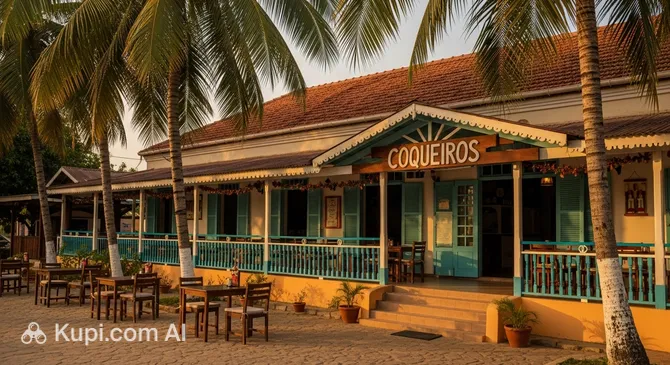
Coqueiros. Source: Kupi.Binoculars
  • The Vintage Taxi Fleet: The streets of the city are dominated by distinctively painted blue and white Mercedes-Benz taxis. Many of these are vintage models from the 1970s and 1980s that have been kept running for decades, adding a charming retro aesthetic to the local traffic that is iconic to Bissau.

  • A Unique Carnival Tradition: The annual carnival in Bissau is one of the most culturally rich yet least commercialized in West Africa. Unlike typical parades, this event showcases giant, intricate papier-mâché masks made by local artists, blending Portuguese Catholic traditions with indigenous animist rituals and tribal symbolism.

  • A Fusion of Flavors: The local gastronomy tells the story of the city's history, perfectly merging Portuguese culinary techniques with fresh West African ingredients. You can taste this rich heritage at popular spots like Coqueiros, which is well-regarded for its authentic atmosphere and local dishes.

  • The "Village" Capital: Despite being the country's political center, Bissau is often cited as having the atmosphere of a large, friendly village rather than a bustling metropolis. It is known for its incredibly relaxed pace of life and lack of heavy congestion, making it one of the calmest capitals in the region.

How to Get There

Reaching this West African capital is an adventure in itself, with air travel being the most direct method for international visitors. Most travelers choose to fly directly into the city's own international airport, though arriving via neighboring countries is also a viable option for those exploring the wider region. For a detailed breakdown of all transport modes and routes, you can read more about how to get to Bissau.

The primary gateway to the city is Osvaldo Vieira Airport (IATA: OXB), which is conveniently located just 8.3 km from the city center. It is the only international airport in the country, handling flights from Lisbon and various West African hubs. The journey from the airport to downtown Bissau is short, typically taking around 35 minutes by taxi or shuttle.

For those who cannot find a direct flight, Yundum International Airport (IATA: BJL) in Banjul, Gambia, serves as a significant alternative hub. Located approximately 201 km away, it offers more frequent connections. However, travelers should be prepared for a longer overland transfer involving a border crossing. Another regional option is Cap Skirring (IATA: CSK) in Senegal. Situated about 139 km from Bissau, the drive from here usually takes roughly 4 hours.

For clarity, here is a summary of the main airports:

Airport Name City Passenger Traffic Km from City
Yundum International Airport Banjul Medium 201.2
Cap Skirring Cap Skirring Small 139.0
Osvaldo Vieira Airport Bissau Small 8.3
Ziguinchor Ziguinchor Small 107.9

Main Attractions

Bissau may not be filled with monumental tourist sites, but its charm lies in its atmospheric streets and historical landmarks. One of the most prominent structures is the Fortaleza d'Amura. This massive stone fortress, located near the waterfront, serves as the headquarters for the military and houses the mausoleum of Amílcar Cabral, the national independence hero. While access to the interior is often restricted due to its military function, the imposing exterior walls and the surrounding area are significant stops for understanding the city's past.

A stroll through Bissau Velho, the old colonial center, offers a journey back in time. This neighborhood is defined by its crumbling yet beautiful Portuguese colonial architecture, with pastel-colored buildings lining quiet, dusty streets. It is the perfect place for photography enthusiasts to capture the fading grandeur of the city, particularly near the former prison and the cathedral, which stand as silent witnesses to the country's history.

For a poignant look at local history, the Pidjiguiti Memorial is an essential visit. Located near the port, this monument commemorates the dock workers' strike of 1959. The site is marked by a striking sculpture of a large black fist, symbolizing resistance and solidarity. It is a somber but important location that provides deep insight into the struggle for independence in Guinea-Bissau.

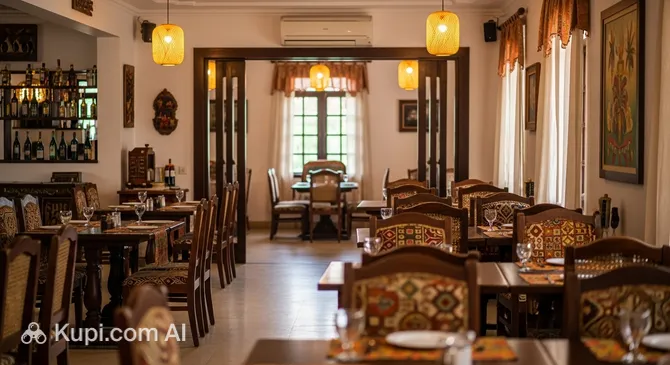
O Bistro. Source: Kupi.Binoculars

The city's cultural and social life is best experienced through its culinary scene, which serves as an attraction in its own right. A favorite among both locals and expatriates is O Bistro. Known for its welcoming ambiance, this establishment offers a mix of international and local flavors, making it a perfect spot to relax and soak in the city's laid-back vibe after a day of sightseeing. It represents the modern face of Bissau, where good food and conversation flow freely.

Finally, no tour of the city is complete without visiting the National Ethnographic Museum. Although small, it houses a fascinating collection of traditional artifacts, masks, and statues that showcase the diverse ethnic groups of Guinea-Bissau. It provides a valuable cultural context that enriches the experience of exploring the rest of the country.

Local Cuisine

The local cuisine in Bissau is a delicious reflection of the country's history and geography, blending Portuguese culinary traditions with bold West African flavors. Rice is the undisputed staple of every meal, often served with rich, flavorful sauces made from locally sourced ingredients like palm oil, peanuts, and freshly caught seafood from the nearby Atlantic waters. The food here is hearty, unpretentious, and deeply satisfying.

One of the most iconic dishes you must try is Caldo de Mancarra, a creamy stew made with peanut sauce, tomatoes, and onions, usually served with chicken or fish. Another local favorite is Caldo de Chabéu, which utilizes palm oil to create a distinctive orange-red sauce that pairs perfectly with meat or fish. For seafood lovers, Cafriela de Peixe (grilled fish marinated in a spicy lemon sauce) highlights the freshness of the daily catch brought into the city's port.

When it comes to beverages, Bissau offers unique local tastes. The country is a major producer of cashews, and the fruit is heavily used to make Cana de Cajeu, a fermented cashew wine that is potent and popular among locals. For a non-alcoholic option, Sumo de Cabaceira (baobab fruit juice) provides a tart, refreshing vitamin boost. You will also frequently see locals socializing over small glasses of Warga, a strong, sweet green tea that is traditionally poured from a height to create a frothy top.

The dining culture in Bissau is relaxed and communal. While street food stalls offer quick bites like spicy grilled meat, sit-down restaurants provide a more leisurely experience where meals are meant to be savored. For those looking to sample authentic local dishes in a comfortable setting, Coqueiros is a well-known establishment that captures the essence of Bissau's gastronomy. Alternatively, O Bistro offers a diverse menu that caters to various tastes, making it a reliable choice for visitors exploring the city's culinary landscape.

Travel Tips

Visiting Bissau offers a genuinely off-the-beaten-path experience, but navigating this laid-back capital requires a bit of local know-how to ensure a smooth journey. These practical tips will help you adjust to the rhythm of the city and make the most of your time in Guinea-Bissau.

  1. Clothing and Gear: Due to the tropical heat, pack lightweight, breathable fabrics like cotton or linen. While the dress code is generally casual, it is respectful to dress modestly, covering shoulders and knees, especially when visiting markets or traditional areas. Comfortable, closed-toe walking shoes are essential as the streets can be sandy or uneven, and a universal travel adapter (Type C or F) is a must for charging devices.
  2. Transportation: The most convenient way to get around is by using the iconic blue and white taxis, often vintage Mercedes-Benz models. These operate as shared taxis (toca-toca) on set routes or can be hired privately. Always negotiate the fare before getting in, as meters are non-existent. Car rentals are available but typically come with a driver, which is highly recommended for navigating local traffic.
  3. Finances: The local currency is the West African CFA Franc (XOF). Bissau is very much a cash-based economy; credit cards are rarely accepted outside of major hotels and a few upscale restaurants. ATMs are available but can be unreliable or reject international cards, so it is wise to bring Euros to exchange at banks or authorized bureaus upon arrival.
  4. Health and Safety: Malaria is present, so bringing prophylaxis and strong insect repellent is crucial. Stick to bottled water for drinking and brushing your teeth. While Bissau is one of the safer West African capitals, avoid walking alone in poorly lit areas at night and keep valuables discreet. Pharmacies are available, but stock can be limited, so bring a personal supply of any necessary prescription medications.
  5. Communication: Portuguese is the official language, but the true language of the street is Kriol. English is not widely spoken, so learning a few basic phrases in Portuguese or Kriol will go a long way. For internet access, purchasing a local SIM card from providers like Orange or MTN is easy and affordable, offering better connectivity than the often slow hotel Wi-Fi.
  6. Local Etiquette: Greetings are taken seriously here; a proper handshake and a polite "Bom dia" (Good morning) or "Boa tarde" (Good afternoon) are expected before asking a question or starting a transaction. It is polite to ask for permission before photographing locals, as many may decline or ask for a small tip.
  7. What to Avoid: Strictly avoid taking photos of government buildings, military installations, the airport, or police officers. This is considered a serious offense and can lead to the confiscation of your camera or even detention. Be particularly careful near the presidential palace and the Fortaleza d'Amura.
  8. Power Supply: Electricity cuts can occur in the city. It is highly advisable to carry a high-capacity power bank to keep your phone charged and a small flashlight or headlamp for navigating streets or your accommodation during unexpected blackouts.

By keeping these practicalities in mind, you can look past the logistical challenges and fully embrace the warm, slow-paced charm of the city. Bissau rewards patience and curiosity with its vibrant culture and incredibly friendly locals, ensuring a memorable West African adventure.

Entertainment & Nightlife

Nightlife in Bissau is a reflection of the city's soul: unpretentious, rhythmic, and incredibly welcoming. While you will not find the overwhelming neon glare of a massive metropolis, the capital offers a vibrant social scene that centers around open-air conviviality, music, and dance. The atmosphere is defined by the concept of morabeza—a local term for hospitality and relaxed enjoyment—where evenings often start with a long dinner and transition seamlessly into dancing to the beats of Gumbe (the national music style) or Kizomba.

The heart of the evening action is often found in the historical district of Bissau Velho and along the main avenues radiating from the center. This area is dotted with restaurant-bars that serve as the primary meeting points for locals and expatriates alike. The vibe here is casual yet spirited, with venues typically staying open late into the night. For a sophisticated start to the evening, O Bistro is a popular choice. It functions not just as a dining spot but as a social hub where the transition from dinner to drinks is a natural part of the experience, often accompanied by lively conversation and background music.

For those looking to immerse themselves deeper into the local scene, the area around the stadium and the road to the airport (Estrada de Bor) hosts several livelier nightclubs and discos. These venues typically do not get busy until well after midnight. The dress code is generally smart-casual; locals take pride in their appearance when going out, so avoiding beachwear is advisable. Another excellent venue to experience the city's evening pulse is Coqueiros. With its reputation for great food and a buzzing atmosphere, it is a staple of Bissau's nightlife, offering a perfect setting to enjoy a cold beer or a glass of wine while soaking in the warm tropical night.

Practicality is key when navigating Bissau after dark. While the city is one of the safer capitals in the region, street lighting can be inconsistent or non-existent in some neighborhoods. It is highly recommended to use taxis to move between venues rather than walking, even for short distances. Taxis are affordable and plentiful, but it is best to have your hotel or the restaurant call one for you, or to arrange a pick-up time with a trusted driver. Prices should always be negotiated before the ride begins.

Before the sun sets, entertainment in Bissau is more low-key and culturally focused. Daytime hours are best spent exploring the city's modest but interesting cultural offerings. You might visit the French Cultural Center (Centro Cultural Franco-Bissau-Guineense), which frequently hosts art exhibitions, concerts, and theater performances. Alternatively, spending a relaxed afternoon at one of the many sidewalk cafes, watching the slow-paced life of the city unfold, is a favorite pastime for visitors.

Whether you are sipping a Cana de Cajeu (cashew wine) at a terrace bar or dancing until dawn in a local club, Bissau’s nightlife offers an authentic slice of West African joy that feels personal and undiscovered.

Parks & Museums

While Bissau is not defined by expansive botanical gardens or vast museum complexes, the city offers a modest yet deeply meaningful collection of cultural institutions and pockets of nature. The capital serves as the custodian of the country's complex history and diverse ethnic heritage, providing visitors with intimate spaces to learn about the struggle for independence and the rich traditions of the region.

For those seeking insight into the nation's soul, the National Ethnographic Museum (Museu Etnográfico Nacional) is the premier cultural stop. Located near the university, this small but well-curated institution houses a fascinating array of traditional artifacts. Visitors can admire intricate wooden masks, statues, and pottery that represent the distinct customs of Guinea-Bissau's various ethnic groups, including the Bijagó and Papel peoples. It provides an essential context for understanding the artistic and spiritual life of the country beyond the capital.

Another significant site is the Military Museum of the National Liberation Struggle, situated within the walls of the Fortaleza d'Amura. This museum is dedicated to the history of the country's fight for independence from Portugal. It displays military equipment, photographs, and documents from the conflict era. The site is also the final resting place of Amílcar Cabral, the father of the nation, making it a place of great reverence and historical weight.

In terms of green spaces, Bissau is more about natural integration than manicured parks, but Lagoa de N'Batonia stands out as a unique natural feature within the urban landscape. This freshwater lagoon is a tranquil refuge located surprisingly close to the city center. Surrounded by vegetation and often covered in water lilies, it attracts a variety of bird species, making it a peaceful spot for nature lovers to observe local wildlife without leaving the city limits.

The city's central landmark, Praça dos Heróis Nacionais (National Heroes Square), serves as a symbolic green heart of Bissau. While it functions primarily as a large roundabout connecting the main avenues, its center is a landscaped area dedicated to the memory of those who fought for the country's freedom. It is a sombre and respectful space, often breezier than the surrounding streets, offering a moment of reflection amidst the daily traffic.

Beyond formal museums, the entire neighborhood of Bissau Velho acts as an open-air gallery of colonial history. Walking past the Pidjiguiti Memorial near the port, with its striking black fist sculpture, offers a powerful visual lesson in the city's past. The architecture here, though often in disrepair, tells the story of the city's evolution better than any textbook.

For a truly authentic experience, try to visit the Centro Artístico Juvenil (Youth Artistic Center). It functions as both a workshop and a gallery where young local artists create and sell traditional wood carvings, paintings, and crafts. It is an excellent place to see culture in action and perhaps purchase a unique souvenir directly from the creator.
Getting Around

Navigating Bissau is an experience that differs significantly from many other capital cities. There is no complex network of subways, trams, or large municipal buses here. Instead, the public transport system is informal, road-based, and heavily reliant on a fleet of privately owned vehicles. The city’s relatively small size and flat terrain make it manageable, and getting around often feels like a step back in time due to the unique character of the vehicles on the streets.

The most iconic feature of the city's transport is the ubiquitous blue and white taxi. These are almost exclusively vintage Mercedes-Benz models, many dating back to the 1970s and 1980s. These cars serve a dual purpose. You can hire them as a private taxi (táxi), which takes you directly to your destination, or you can use them as shared transport. When operating as shared taxis, they pick up multiple passengers heading in the same general direction, making them a cost-effective and social way to move around.

For longer distances or specific routes across the city and into the suburbs, the primary form of public transit is the toca-toca. These are typically minibuses or brightly painted vans that function similarly to shared taxis but follow more fixed routes. They are the lifeline of local commuters, often crowded and bustling with energy. While they lack the comfort of a private car, they offer an authentic glimpse into daily life in the city and are incredibly cheap.

The payment system in Bissau is strictly cash-only. There are no travel cards, mobile apps, or digital ticketing machines. Fares are paid directly to the driver or the conductor (ajudante) in West African CFA Francs (XOF). For toca-tocas and shared taxis, the prices are generally fixed and very low. However, if you are hiring a taxi for private use, there are no meters. You must negotiate the fare with the driver before getting into the car. It is highly advisable to carry small change, as drivers often struggle to break large bills.

Tourists should be aware that formal bus stops are rare. To catch a taxi or toca-toca, you simply wave your hand from the side of the road. When the vehicle slows down, shout your destination to the driver. If they are going that way, they will stop. Transport operates frequently during daylight hours, but availability drops significantly late at night. For evening travel, it is safer and more reliable to arrange a driver through your hotel or a restaurant rather than flagging one down on a dark street.

Alternatives to these motorized options are limited. There are no ride-sharing apps like Uber or Bolt, and bike rentals are virtually non-existent. However, the city center, particularly the historic Bissau Velho district, is compact and best explored on foot. Walking allows you to appreciate the colonial architecture at your own pace. For those planning to explore beyond the city limits, renting a car with a driver is the standard and recommended practice, as self-driving can be challenging due to road conditions and lack of signage.

Accommodation

Accommodation in Bissau is generally geared more towards business travelers and development workers than mass tourism, resulting in a scene that is functional but somewhat limited in variety. Visitors will not find sprawling all-inclusive resorts or a wide network of youth hostels here. Instead, the city offers a selection of mid-range hotels, a few upscale establishments often favored by diplomats, and smaller, family-run guesthouses known locally as pensões. These smaller options can provide a more authentic and intimate experience, often set within converted colonial-era buildings.

The most convenient area for tourists to stay is undoubtedly the city center, particularly near Bissau Velho (the Old Town) or the main avenues radiating from the port. Staying here places you within walking distance of the colonial architecture, the main market, and the best restaurants. Alternatively, the area along the Avenida Combatentes da Liberdade da Pátria, leading towards the airport, hosts several larger, modern hotels that offer more amenities such as swimming pools and secure parking, though they lack the atmospheric charm of the downtown district.

When planning your stay, it is important to manage expectations regarding amenities. While top-tier hotels provide reliable electricity, air conditioning, and Wi-Fi, budget and some mid-range options may experience occasional power cuts or slower internet speeds. Many establishments rely on generators to ensure comfort. Prices in Bissau can be surprisingly high compared to neighboring West African capitals, largely due to the high cost of running generators and importing goods. Budget travelers may find their options limited, while mid-range prices are comparable to European standards.

Booking Tip: The hotel landscape is small, so rooms can fill up quickly, especially during the annual Carnival in February or when international conferences are in town. It is highly recommended to book your accommodation well in advance. While major hotels appear on international booking platforms, many smaller guesthouses still rely on direct contact via phone or email. Additionally, always confirm whether credit cards are accepted before arrival, as many places still prefer cash payments in XOF or Euros.

Nearby Cities

For those looking to explore the surroundings, Bissau serves as an excellent base for day trips to several interesting nearby locations:

City Population Distance (km)
Farim 46268 80
Quinhamel 42659 29
Gabu 37525 155
Bambadinca 32255 80
Catio 26999 75

Among these options, Quinhamel is the most popular choice for a quick and rewarding day trip. Located less than an hour from the capital, it serves as the heart of the Biombo region. The town is renowned for its traditional craftsmanship, particularly its weavers who produce intricate textiles, and for its riverside beaches which provide a peaceful setting for relaxation. It also offers a chance to observe the unique architectural style of the local Pepel people.

Heading south, Catio offers a completely different landscape. Known as the rice capital of the country due to its extensive paddies, it is a scenic destination that serves as a gateway to the lush southern forests. While the journey is longer, it is a stepping stone for nature lovers hoping to explore the nearby Catanhez National Park, famous for its biodiversity and chimpanzee populations.

These nearby destinations offer a glimpse into the diverse culture and landscapes of the region.

Shopping & Souvenirs

Shopping in Bissau is less about browsing air-conditioned malls and more about immersing yourself in the vibrant, chaotic energy of West African trade. The city’s retail scene is dominated by bustling open-air markets and informal street stalls, offering an authentic glimpse into local life. For visitors, this is an opportunity to engage with friendly locals and discover unique handmade treasures that reflect the country's rich cultural heritage.

The beating heart of commerce in the city is the famous Mercado de Bandim. Located along the main road leading out of town, this sprawling market is the largest in the country and a sensory overload in the best possible way. Here, narrow lanes are packed with vendors selling everything from fresh produce and spices to electronics and household goods. It is the best place to find the signature Pano de Pente, a traditional hand-woven cloth produced by the Manjaco people. These textiles, known for their intricate geometric patterns and cultural significance, make for beautiful and meaningful souvenirs.

Beyond textiles, Bissau is an excellent place to purchase traditional handicrafts. You will frequently find:

  • Wood Carvings: Intricate masks and statues representing the animist traditions of the Bijagó and other ethnic groups are widely available.
  • Ceramics: Locally made pottery, often simple yet functional and elegant, can be found in various markets.
  • Cashews: As one of the world's top producers of cashew nuts, Guinea-Bissau offers them fresh, roasted, or salted at incredibly low prices compared to Europe or the US. They are sold everywhere, from street corners to the main markets.

For a more curated selection of arts and crafts, visitors often head to the Centro Artístico Juvenil (Youth Artistic Center). Unlike the chaotic markets, this space allows you to watch artisans at work and purchase high-quality wood carvings and paintings directly from the creators. It is a fantastic spot to support local talent and ensure that your money goes directly to the artists.

When shopping in Bissau, keep in mind that cash is king. Credit cards are virtually useless in markets and street stalls, so ensure you have enough West African CFA Francs (XOF) in small denominations. Bargaining is not just accepted; it is expected. Approach it with a smile and a sense of humor—it is a social interaction as much as a transaction. While a few words of Portuguese or Kriol will go a long way, the universal language of friendly gestures works well here too.

Reached the end of the page?

That means the route is fully explored