Support

Banjul

About

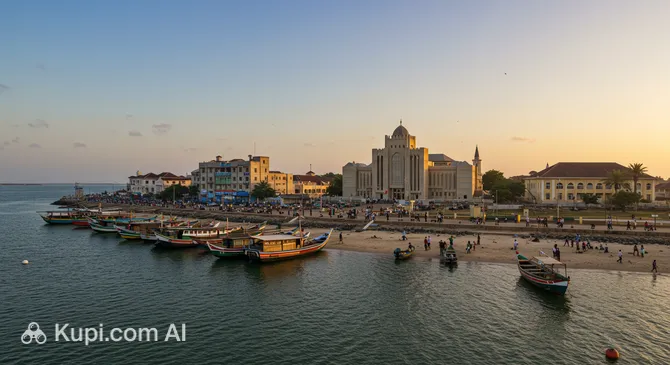
Banjul is the vibrant and welcoming capital city of The Gambia, uniquely situated on St Mary’s Island at the mouth of the Gambia River. As one of the smallest capitals in Africa, it offers a distinct charm that blends colonial-era architecture with the energetic pulse of a modern West African hub. Its strategic location, where the river meets the Atlantic Ocean, provides a refreshing coastal breeze and a scenic backdrop that captivates travelers upon arrival.

Banjul. Source: Kupi.Binoculars

The city is deeply rooted in the past, and exploring the history of Banjul reveals a fascinating narrative of trade and cultural resilience. One of the most iconic landmarks is Arch 22, a towering gateway that stands at the entrance to the city. Visitors can climb to the top for panoramic views of the capital and the harbor, or visit the small museum housed within the structure to learn more about the local heritage.

For those seeking an authentic taste of local life, the Albert Market is an essential stop. This bustling center of commerce is filled with lively stalls offering everything from colorful textiles and handcrafted souvenirs to fresh tropical produce. Additionally, the Gambia National Museum provides a comprehensive look into the nation's archaeological and cultural background, making it a perfect spot for history enthusiasts.

With its sandy streets, friendly atmosphere, and rich cultural tapestry, Banjul serves as an excellent introduction to the country. Whether you are interested in historical sightseeing or simply soaking up the warm, sunny climate, this island capital invites you to experience its genuine hospitality.

Weather Overview

Banjul experiences a warm tropical climate year-round, defined by two distinct seasons that shape the rhythm of daily life. Temperatures remain consistently pleasant, with average highs typically ranging from 28°C to 31°C, and nighttime lows rarely dropping below 20°C, ensuring a comfortable atmosphere for travelers at any time.

The city enjoys a long dry season from November through May, where rainfall is virtually non-existent, offering months of uninterrupted sunshine. In contrast, the wet season arrives in summer, peaking between July and September. During August, for example, you might encounter rain on up to 23 days of the month. To help you pack appropriately and choose the ideal dates for your trip, we recommend checking the detailed forecast and weather in Banjul.

Interesting Facts

Beyond the main attractions, Banjul holds many fascinating secrets that reveal its unique character and unexpected global connections. These little-known details offer a deeper glimpse into the history and daily life of this island capital.

  • A Name Woven from Rope: The name "Banjul" is widely believed to be derived from the Mandinka word "Bang julo," which translates to "rope fiber." Long before the city was developed, locals would visit the island to harvest fibers from the abundant raffia palms to create strong ropes, a humble trade that gave the capital its enduring identity.

  • A Space-Age Connection: Despite its modest size, the city played a surprising role in space exploration history. The airport serving Banjul was designated as an official emergency landing site for NASA Space Shuttles. Its strategic location on the West African coast and the length of its runway made it a critical safety net for missions launching from or returning to Earth.

  • Echoes of Waterloo: As you wander through the historic district, you are walking on a grid designed by British engineers in the early 19th century. Many of the original streets were named after allied generals who fought in the Battle of Waterloo, preserving a specific moment of military history within the city's layout.

  • The Arch’s Exclusive Path: While Arch 22 is a major landmark, a local curiosity surrounds the traffic flowing beneath it. For many years, driving directly between the massive columns was strictly prohibited for regular vehicles and reserved exclusively for the presidential convoy, forcing all other traffic to divert around the monument.

How to Get There

Reaching the capital of The Gambia is relatively straightforward, with air travel being the most common method for international visitors. For those planning their journey, you can find detailed information and all ways to reach the city in our dedicated guide. Most travelers arrive directly at the local international airport, though flying into neighboring Senegal is also a viable option for some itineraries.

The main entry point is Yundum International Airport (IATA: BJL), conveniently located approximately 15 km from the center of Banjul. As the country's primary aviation hub, it handles the majority of tourist traffic. A taxi ride from the airport to the city center typically takes about 45 minutes, depending on traffic conditions. It is a medium-sized facility that welcomes flights from various European and African destinations.

Alternatively, some visitors choose to fly into Blaise Diagne International Airport (IATA: DSS), situated in Dakar, Senegal. This major regional hub is located about 145 km from Banjul. While it offers a wider range of international connections, the overland journey to Banjul involves crossing the border and can take approximately 4 hours or more by road, depending on customs procedures and the ferry crossing at the Gambia River.

For clarity, here is a summary of the main airports in the region:

Airport Name City Passenger Traffic Km from City
Blaise Diagne International Airport Dakar High 144.7
Yundum International Airport Banjul Medium 15.1
Cap Skirring Cap Skirring Low 119.1
Osvaldo Vieira Airport Bissau Low 199.5
Ziguinchor Ziguinchor Low 104.4

Banjul does not have a railway station, and there is no active train network within The Gambia. Travelers arriving by land from neighboring countries typically use bush taxis or private transport. The road network connects the capital to major towns, but visitors should be prepared for varying road conditions and potential wait times at ferry crossings.

Main Attractions

While the city's most famous landmarks like Arch 22 and the National Museum are well-known, Banjul offers several other captivating sites that showcase its diverse culture and geography. Exploring these additional attractions provides a more rounded experience of the capital's unique character, from its religious heritage to its natural surroundings.

King Fahad Mosque stands as one of the most prominent architectural structures in the city. Dominating the skyline with its two towering minarets, this grand mosque is a focal point for the local community and a symbol of the city's Islamic heritage. Visitors are often struck by its imposing size and the peaceful atmosphere that surrounds it. It is an excellent location to appreciate the religious culture of The Gambia and capture impressive photographs of the city’s skyline.

For a glimpse into the colonial past, St. Mary's Cathedral offers a quiet retreat from the bustling streets. This historic Anglican church is constructed from red brick and features a modest yet dignified design that contrasts with the tropical setting. As one of the oldest places of worship in the capital, it provides a serene environment for reflection and is a significant site for those interested in the architectural and religious history of the island.

Nature enthusiasts should head towards the entrance of the city to explore Denton Bridge and Oyster Creek. This area serves as the main connection between St. Mary's Island and the mainland, but it is also a hub for eco-tourism. Travelers can arrange boat trips on traditional pirogues to navigate the winding mangrove creeks. It is a prime spot for birdwatching and observing the traditional method of oyster harvesting, offering a refreshing and scenic escape from the urban center.

Local Cuisine

The culinary landscape of Banjul is a flavorful reflection of The Gambia’s rich agricultural heritage and its proximity to the Atlantic Ocean. Local cuisine is characterized by hearty, spicy stews, an abundance of fresh seafood, and the ubiquitous use of peanuts, known locally as groundnuts. Dining here offers a genuine taste of West African traditions, where meals are often communal and prepared with fresh, locally sourced ingredients.

At the heart of the city's food culture is Domoda, widely considered the national dish of The Gambia. This rich, savory stew is made from ground peanut paste, tomatoes, and vegetables, typically cooked with beef, chicken, or fish. It is served over a bed of fluffy white rice and offers a unique creamy texture that is both filling and comforting. Another must-try is Benachin, often referred to as "one-pot" rice. Similar to Jollof rice found elsewhere in the region, it is a colorful and aromatic dish where rice, vegetables, and meat or fish are cooked together in a tomato base, absorbing all the spices and flavors.

For those who enjoy tangy flavors, Yassa is a popular choice. This dish features chicken or fish that has been marinated in lemon juice, mustard, and spices, then cooked with plenty of caramelized onions. It is usually served with rice and highlights the local love for bold, citrusy profiles. Seafood lovers will also appreciate the daily catch, often grilled simply and served with spicy sauces at beachside establishments.

To quench your thirst, the city offers refreshing local beverages. Wonjo is a deep red, non-alcoholic drink made from hibiscus flowers (sorrel) and sugar, tasting somewhat like cranberry juice but with a distinct floral note. Baobab juice, made from the fruit of the baobab tree, is a thick, creamy-white drink with a sweet and sour flavor, packed with vitamins. For those looking for something stronger, Julbrew is the local lager, widely available and enjoyed for its crisp taste in the tropical heat.

The food culture in Banjul is laid-back and accessible. While there are sit-down restaurants offering international and local menus, much of the authentic eating happens in more informal settings. Street food stalls near the markets serve freshly baked Tapalapa bread with various fillings, perfect for a quick breakfast or lunch. Exploring these local spots allows visitors to experience the warm hospitality that defines the "Smiling Coast of Africa."

Travel Tips

Welcome to Banjul, a city where the warmth of the sun is matched only by the hospitality of its people. To help you navigate the unique rhythm of the "Smiling Coast" and ensure your adventure is as smooth as it is memorable, we have compiled these essential practical tips.

  1. Clothing and Gear
    Given the tropical climate, pack lightweight, breathable fabrics like cotton or linen to stay cool. While beachwear is fine at resorts, Banjul is a predominantly Muslim city, so it is respectful to dress modestly in public areas; cover your shoulders and knees, especially when visiting markets or religious sites. Don't forget high-SPF sunscreen, sunglasses, and a hat, as the sun can be intense.
  2. Transportation
    The most convenient way for tourists to get around is by taxi. You will see two types: green taxis, which are designated for tourists and wait at hotels (usually fixed, higher prices), and yellow taxis used by locals (cheaper, but you must negotiate). Public transport consists of minibuses called gele-geles; while authentic and inexpensive, they are often crowded and slow. Car rental is available but generally not recommended due to chaotic traffic conditions.
  3. Finances
    The local currency is the Gambian Dalasi (GMD). The Gambia is very much a cash-based economy. While major hotels may accept credit cards (often with a surcharge), restaurants and shops in Banjul rarely do. ATMs are available but can be unreliable, so it is wise to carry enough cash. Exchange money at official bureaus or banks for the best rates. Tipping is not mandatory but is highly appreciated for good service.
  4. Health and Safety
    Banjul is generally safe, but like any capital, it requires common sense; avoid walking alone in poorly lit areas at night. Malaria is present, so bring strong insect repellent and consider antimalarial medication. Drink only bottled or filtered water, and avoid ice cubes in street stalls. Pharmacies are available in the city center, but it is best to bring specific prescription medications with you from home.
  5. Communication
    The official language is English, which makes communication widely accessible for many travelers. However, learning a few words of Wolof, such as the greeting "Salaam Aleekum" (Peace be upon you), will go a long way in earning smiles from locals. Wi-Fi is standard in hotels but can be slow; for reliable internet, purchase a local SIM card (Africell or QCell) upon arrival, as data is affordable and coverage in the city is decent.
  6. Local Etiquette
    Greetings are a crucial part of Gambian culture. It is considered rude to jump straight into a business request or question without first asking "How are you?" or inquiring about the family. Always use your right hand for eating, shaking hands, or passing money, as the left hand is considered unclean.
  7. What to Avoid
    Be firm but polite with "bumsters"—young men who may approach you offering guide services or friendship in exchange for money. A smile and a clear "no, thank you" usually suffice; getting angry or aggressive is counterproductive. Also, strictly avoid taking photographs of government buildings, military personnel, or the airport, as this is prohibited.
  8. Respect "Gambia Time"
    Life in Banjul moves at a relaxed pace often referred to as "Gambia Time." Service in restaurants may be slower than what you are used to in Europe or North America, and appointments might start late. Embrace this laid-back attitude rather than fighting it—it is part of the charm of your holiday.

By keeping these practical points in mind, you will be well-prepared to immerse yourself in the vibrant life of Banjul without worry. embrace the local customs, respect the culture, and enjoy the incredible experience that awaits you in this friendly West African capital.

Entertainment & Nightlife

When the sun sets over the Atlantic, the atmosphere in and around Banjul shifts gears. It is important for visitors to note a geographical distinction: the administrative capital on the island tends to be quite sleepy and quiet after dark, with most businesses closing early. However, the true heartbeat of the region's nightlife is found just a short drive away in the Senegambia Strip (located in the Kololi district). This area serves as the primary playground for tourists and locals alike, offering a high-energy environment that contrasts sharply with the serene streets of the city center.

The Senegambia Strip is the epicenter of evening entertainment, a bustling avenue lined with neon-lit bars, nightclubs, and restaurants. The crowd here is a diverse mix of holidaymakers, expatriates, and Gambian youths, creating a vibrant and cosmopolitan vibe. You can expect music ranging from the latest Afrobeats and reggae to international pop hits. Most venues here have a relaxed dress code, though "smart casual" is the standard for entering the more upscale nightclubs. The party typically starts late; while bars are open all evening, nightclubs often do not fill up until after midnight.

For those looking to dance the night away, Wow Nightclub is one of the most famous spots in the Greater Banjul Area. Known for its spacious dance floor and energetic DJs, it is a staple of the local clubbing scene. Another popular venue is Duplex Nightclub, which offers a versatile experience with different rooms often catering to varied musical tastes, from R&B to local rhythms. If you prefer a more laid-back setting to enjoy a cocktail before hitting the dance floor, Aquarium provides a stylish lounge atmosphere that is perfect for socializing.

Practicalities are key to enjoying a night out here. Entry fees for clubs are generally affordable, often costing a few hundred Dalasis, and drinks are reasonably priced compared to European standards. Transportation is the most critical aspect of your evening planning. Public transport is scarce at night, so you should rely on taxis. It is highly recommended to use the official Green Taxis (tourist taxis) parked outside hotels or reputable venues. They have fixed rates which might be slightly higher than the yellow taxis, but they offer a safer and more reliable service for late-night travel.

Safety in the nightlife districts is generally good, as these areas are well-patrolled and accustomed to tourists. However, standard precautions apply: avoid walking alone in unlit areas or on the beach at night, and keep an eye on your belongings in crowded bars. If you are staying in Banjul city proper, be sure to arrange your return transport in advance, as hailing a cab on the street in the quiet capital late at night can be difficult.

Before the night heats up, daytime entertainment in Banjul offers a more cultural pace. While the city lacks large amusement parks, it compensates with rich heritage sites like the National Museum and the bustling Albert Market, which are perfect for daylight exploration. For a touch of nature, the nearby Abuko Nature Reserve offers a chance to see local wildlife, providing a peaceful counterpoint to the energetic nightlife that awaits after sundown.

Parks & Museums

While Banjul is a compact island capital primarily defined by its administrative and commercial role, it offers a fascinating selection of cultural institutions and green pockets that tell the story of the nation. The city may not abound with vast botanical gardens, but its historical squares and museums provide a deep dive into the heritage of The Gambia, while nature is never far away thanks to the surrounding river and mangroves.

The Gambia National Museum is the city's premier cultural venue and a must-visit for anyone looking to understand the country's past. Housed in a colonial-era building on Independence Drive, the museum features three floors of exhibits that cover everything from archaeology and colonial history to post-independence development. Tourists will find the ethnographic section particularly interesting, as it displays traditional musical instruments, agricultural tools, and textiles, offering a tangible connection to the daily lives of the Gambian people through the centuries.

Another significant cultural site is the museum located within Arch 22. While the monument itself is famous for its views, the exhibition space inside is often overlooked. It houses a curated collection of historical artifacts, including colonial maps, weapons, and items related to the presidency. It provides a quieter, more focused educational experience compared to the bustling streets below, allowing visitors to piece together the timeline of the city's development while enjoying the cool breeze from the upper terraces.

In terms of open spaces, July 22nd Square (historically known as MacCarthy Square) serves as the ceremonial heart of Banjul. This rectangular park is surrounded by significant government buildings and colonial architecture. It is a pleasant spot for a stroll, featuring the King George V Memorial Fountain, a white stone structure dating back to the 1930s. The square is not only a place of relaxation but also a living piece of history, often used for national parades and cricket matches, reflecting the British influence on the city's culture.

For those willing to venture just a short distance from the city center, the Abuko Nature Reserve offers the most accessible and rewarding natural experience. Although technically just outside the capital's boundary, it is the go-to "green lung" for visitors staying in Banjul. This protected area is a haven for wildlife enthusiasts, home to troops of monkeys, monitor lizards, and Nile crocodiles. A walk through its gallery forest offers a refreshing contrast to the urban environment and is one of the best places for birdwatching in the region.

Architecturally, the city is dotted with reminders of its past. The War Memorial, located near the square, pays tribute to the Gambian soldiers who fought in the World Wars. Walking through the older quarters, particularly around Dobson Street, reveals a collection of fading yet beautiful krio-style wooden houses with corrugated iron roofs and verandas, showcasing the unique architectural vernacular that emerged from the returning settlers in the 19th century.

For a truly authentic experience, take a moment to visit the small Albert Market craft section behind the main food stalls. While the market is known for commerce, this specific area functions almost like an open-air gallery where local artisans carve wood and create jewelry. Engaging with them provides insight into the craftsmanship that has been passed down through generations, often hidden in plain sight amidst the market's chaos.

Getting Around

Navigating Banjul requires a shift in perspective for travelers accustomed to scheduled subways or precise bus timetables. The public transport system here is informal, road-based, and deeply integrated into the local way of life. There are no metros, trams, or trains in the city. Instead, the streets are dominated by a mix of shared vans, taxis, and the essential ferry service that connects the island capital to the northern bank of the river.

The backbone of local transit is the gele-gele. These are privately owned minibuses or vans that ply set routes throughout the city and to the surrounding urban areas like Serrekunda. They are the most authentic and affordable way to travel, though they are often crowded and can be hot. There are no official bus stops; you simply flag one down on the side of the road or board at a designated garage (terminal). Be prepared to wait, as drivers typically do not depart until every seat is filled.

For a more comfortable alternative, taxis are widely available and come in two distinct categories. Yellow Taxis are the standard local cabs. They operate on a shared basis (picking up multiple passengers going in the same direction) for a low flat rate, or they can be hired for a "town trip" (private charter), which requires negotiating the price before you get in. Green Taxis are specifically licensed for tourists. You will find them parked near major hotels and attractions. While they are significantly more expensive than yellow taxis, they offer fixed prices, better-maintained vehicles, and drivers who often act as informal guides.

A unique and vital part of the city's transport network is the Banjul-Barra Ferry. Since the capital is located on an island at the river's mouth, this ferry service is the main link to the north. The crossing takes about 45 minutes to an hour, though waiting times can be long. It is a colorful, bustling experience where passengers share the deck with vehicles, livestock, and goods. For a faster but less stable crossing, small wooden boats known as pirogues also operate this route, though they are less recommended for safety reasons.

The payment system across all modes of transport is strictly cash only. There are no travel cards, apps, or electronic ticketing systems. In gele-geles, you pay an "apprentice"—a conductor who rides in the van, collects fares, and shouts out the destination. Fares are very low, usually amounting to a small amount of local currency. It is crucial to carry small change (coins and small notes), as drivers often struggle to break large bills.

Tourists should keep a few practical tips in mind. Public transport generally operates from early morning until late evening, but availability drops off sharply after dark. If you choose to ride a gele-gele, watch your belongings closely, as they can get tightly packed. For short distances within the city center, walking is often the most efficient option, as the capital is compact and the traffic can be heavy during rush hours.

Cycling is not a major form of commuting due to the chaotic traffic and lack of bike lanes, although some hotels in the resort areas offer bike rentals for leisure. Car rentals are available but are generally discouraged for first-time visitors due to the unpredictable driving conditions. For most travelers, a mix of walking and utilizing the reliable Green Taxis provides the best balance of safety and convenience.
Accommodation

Accommodation in Banjul reflects the city's character as an administrative and commercial hub rather than a sprawling resort town. The options within the capital itself are somewhat limited compared to the nearby coastal strip, but they cater effectively to business travelers, short-term visitors, and those seeking a quieter, more authentic urban experience. The selection typically ranges from modest, budget-friendly guesthouses to a few well-established mid-range and upper-tier hotels that offer modern amenities.

When choosing a location, it is important to distinguish between the city center (St. Mary’s Island) and the broader resort areas often associated with the capital. Staying in Banjul proper is ideal for those who want to be close to the ferry terminal, government ministries, or historical sites like Arch 22. This area is convenient for early morning travel to the north bank but tends to be very quiet after business hours. Conversely, many tourists prefer the nearby districts of the Greater Banjul Area, such as Bakau or Cape Point, which are just a short drive away and offer beach access and a livelier atmosphere while still being accessible to the capital.

For travelers staying within the city limits, you can expect hotels that focus on functionality and comfort. Several properties are situated along the coastline or near the entrance to the city, providing pleasant views of the Atlantic Ocean or the river estuary. These establishments often feature swimming pools, on-site restaurants, and conference facilities, making them suitable for both relaxation and work. Smaller, family-run lodges in the interior streets offer a more immersive experience, though amenities there may be more basic.

Booking Tips: The peak tourist season in The Gambia runs from November to May, coinciding with the dry winter months in Europe. During this period, the best rooms can fill up quickly, so it is highly recommended to book your accommodation well in advance. If you plan to visit during the wet season (June to October), you may find more availability and potentially lower rates, though some establishments may operate with reduced services.

Price Range and Booking: Prices in Banjul are generally reasonable. Budget guesthouses can be very affordable, catering to backpackers and local traders, while the major hotels fall into a mid-range to premium price bracket. While international booking platforms are increasingly popular and reliable for the larger hotels, many smaller guesthouses still rely on direct contact or walk-ins. It is advisable to confirm whether your chosen accommodation accepts credit cards, as cash payment in Gambian Dalasi is often preferred at smaller establishments.

Nearby Cities

For those looking to explore the surroundings, Banjul serves as an excellent base for day trips to several interesting nearby locations. While the capital is situated on an island, the Greater Banjul Area and beyond offer a variety of cultural and natural attractions that are easily accessible for a day of discovery.

One of the most popular destinations is Bakau, located just a short drive from the capital. This coastal town is famous for the Kachikally Crocodile Pool, a sacred site where visitors can observe and even touch docile crocodiles under the guidance of local handlers. It is also home to the National Botanical Gardens and a lively fish market, offering a mix of nature and local commerce.

For a more bustling experience, a visit to Serekunda is essential. As the largest urban center in The Gambia, it pulsates with energy and is best known for its massive market, which is the busiest in the country. Here, travelers can navigate through a maze of stalls selling everything from electronics to fresh produce. The town is also renowned for its Batik Factory, where you can watch artisans create colorful, tie-dyed fabrics using traditional methods.

Further south lies Brikama, often referred to as the craft capital of the country. It is famous for its extensive Woodcarving Market, where skilled craftsmen carve intricate statues, masks, and musical instruments like the kora and djembe. It is the perfect place to appreciate Gambian artistry and purchase authentic souvenirs directly from the makers.

City Population Distance (km)
Kanifing 380,000 8
Serekunda 340,000 12
Brikama 195,136 21
Bakau 43,098 11
Sukuta 40,675 16

These nearby destinations offer a glimpse into the diverse culture and landscapes of the region, allowing visitors to experience the vibrant life of The Gambia beyond its capital city.

Shopping & Souvenirs

Shopping in Banjul offers a vibrant and authentic West African experience, far removed from the polished aisles of high-end department stores. The city is not a destination for luxury fashion or global chain brands; instead, it is a treasure trove of local craftsmanship, colorful textiles, and bustling trade. Visitors will find that commerce here is personal and lively, centered around open-air markets and small, family-run shops where the interaction with the seller is just as important as the purchase itself.

The main commercial pulse of the city beats along Russell Street and Wellington Street. These thoroughfares in the heart of the capital are lined with a variety of eclectic stores selling everything from electronics and hardware to fabrics and general household goods. Walking through this district provides a glimpse into the daily life of the locals, with shop fronts displaying wares directly on the sidewalk and a constant flow of pedestrians navigating the busy area.

Travelers looking for modern, Western-style shopping malls will find that Banjul proper is quite traditional. There are no large shopping complexes within the city limits on St. Mary's Island. For a more contemporary retail experience, including supermarkets and boutiques, visitors typically head to the nearby districts of Kanifing or the resort areas along the coast, such as the Senegambia Strip, where smaller plazas and modern conveniences are more readily available.

The undisputed highlight of the city's shopping scene is the famous Albert Market. Located on Liberation Avenue, this sprawling labyrinth of stalls is an essential stop for any tourist. It is divided into sections: one for fresh produce and fish, which is a sensory overload of sights and smells; another for hardware and clothes; and a dedicated tourist craft market. Here, you can watch artisans at work and browse through a dazzling array of goods, making it the perfect place to immerse yourself in the local culture.

When it comes to souvenirs, Banjul offers distinctive items that reflect the artistic heritage of The Gambia. The most popular buys include intricate wood carvings, particularly masks and statues, as well as hand-crafted jewelry made from silver and gold. Brightly colored tie-dye and batik fabrics are also a specialty, often sold by the yard or made into clothing. For music lovers, a kora (a traditional string instrument) or a djembe drum makes for a memorable, albeit bulky, keepsake.

Practicalities are important to keep in mind. Most shops open around 9:00 AM and close by 5:00 PM or 6:00 PM, with many closing for a few hours on Friday afternoons for prayers and remaining closed on Sundays. Cash is king in Banjul; credit cards are rarely accepted outside of major hotels, so always carry enough Gambian Dalasi. In the markets and street stalls, bargaining is not just expected—it is a way of life. Approach it with a smile and a sense of humor to get a fair price.

Regarding tax refunds, tourists should be aware that The Gambia does not operate a standardized tax-free shopping scheme for visitors similar to those found in Europe. The price you agree upon or see on the shelf is the final price, and VAT refunds at the airport are not a typical feature of travel here. Focus instead on the value of the unique, handmade items you can find at very reasonable prices compared to international markets.

Reached the end of the page?

That means the route is fully explored