Support

Svalbard Museum

About

The Svalbard Museum is a key history and local lore center located in the town of Longyearbyen, the administrative heart of the Svalbard archipelago. This museum invites visitors on a fascinating journey through the history of exploration, the unique nature, and the culture of this harsh but beautiful Arctic region.
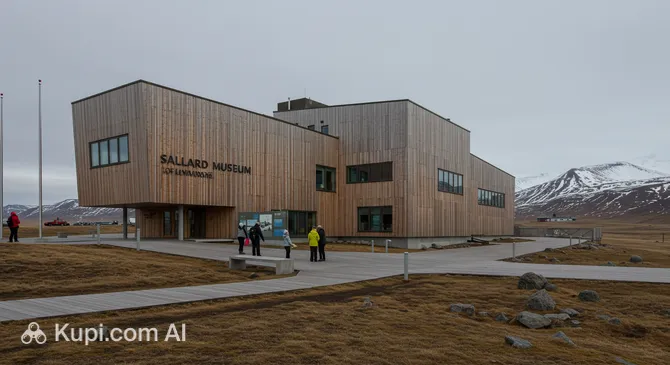
Svalbard Museum. Illustration.
Source: Kupi.com AI

Traveler photos:

The museum's exhibitions comprehensively cover life on Svalbard, starting from its geological past and the amazing flora and fauna that have adapted to extreme conditions. Visitors will learn about the lives of the first settlers, the challenging history of coal mining—which played a vital role in the archipelago's development—and the modern lives of its inhabitants.

The museum is housed in a modern building designed to provide a comfortable experience while viewing the exhibits. Interactive displays and multimedia materials make the visit particularly interesting and educational. Here, you can see unique artifacts, old maps, historical photographs, and documents that tell the gripping story of the exploration and development of Svalbard.

Contacts

To find the current contact details for the Svalbard Museum, such as a phone number or email address, we recommend visiting the museum's official website. You can also obtain information from tourist information centers in Longyearbyen or other local sources.

How to contactContact
AddressVei 231 - 1, Forskningsparken SJ, University Centre in Svalbard (UNIS), Longyearbyen 9170, Svalbard and Jan Mayen
Phone number+47 79 02 64 90
Websitesvalbardmuseum.no

What to Do

A visit to the Svalbard Museum in Longyearbyen is an immersion into the unique history and nature of the archipelago. Guests can explore extensive exhibitions detailing both the harsh natural conditions and centuries of human activity in these Arctic latitudes. Special attention is paid to important aspects such as the history of coal mining, the stages of Arctic exploration, and the daily lives and traditions of the Pomors and early explorers who left their mark on this land.

In the museum halls, visitors will see impressive taxidermy of Arctic animals, allowing them to appreciate their size and adaptation to the cold climate. A collection of rock samples illustrates the geological diversity of Svalbard. Historical photographs, ancient maps, and everyday objects clearly demonstrate how people lived and worked in these challenging conditions over the centuries. These exhibits help build a complete picture of the archipelago's past and present.

For many tourists and researchers, the Svalbard Museum serves as a starting point for a deeper acquaintance with the region. Here, you can gain fundamental knowledge about the nature, climate, rich history, and unique culture of Svalbard. The museum not only preserves the past but also actively engages with visitors through themed exhibitions, educational lectures, and various events that are interesting for both adults and children.

Getting There

Getting to the Svalbard Museum is relatively easy, considering its location in the heart of Longyearbyen. The town of Longyearbyen itself, the administrative center of the Svalbard archipelago, is primarily accessible by air. It is home to the world's northernmost airport, which receives regular flights from Norwegian cities such as Oslo and Tromsø. This is the main way for most tourists to reach the archipelago.

Upon arrival at Longyearbyen airport, there are several ways to reach the Svalbard Museum. The distance from the airport to the town center, where the museum is located, is approximately 5 kilometers. You can take a taxi, available at the airport, or board a special shuttle bus that usually operates according to flight schedules and takes passengers to major hotels and points in town.

The Svalbard Museum is located in central Longyearbyen, so if you are already staying at one of the town's hotels, you will most likely be able to walk there. Longyearbyen is a compact town, and most places of interest, including restaurants and other attractions, are within walking distance of each other. For faster travel around town, you can rent a bicycle during the warmer months or a snowmobile in winter, allowing you to easily reach the museum from anywhere in Longyearbyen.

Nearest city: Longyearbyen

History & Facts

The Svalbard Museum in Longyearbyen is not just a collection of exhibits, but a true chronicle of the exploration and development of this harsh Arctic archipelago. The museum's exhibitions immerse visitors in the rich history of Svalbard, starting from the earliest evidence of human presence. Here you can learn about the first European explorers who dared to set foot on these icy lands, as well as the Pomors—brave hunters and traders who were active in the Arctic long before permanent settlements appeared.

Coal mining played a key role in the history of the archipelago and specifically Longyearbyen. The museum covers this aspect in detail, telling the story of the islands' industrial development. It was the coal deposits that attracted the first industrialists. In the early 20th century, American businessman John Munro Longyear established the first mines here, which gave the name to the future administrative center. Later, these operations were taken over by the Norwegian company Store Norske, which continues its activities on the archipelago to this day, remaining an important part of its economy and history.

The museum's displays do not overlook the hardships faced by pioneers and workers. Visitors can learn about the daily lives of miners and their families, as well as the natural hazards and disasters that occurred in the mines. Additionally, a significant part of the exhibition is dedicated to scientific research on Svalbard. The museum showcases research in climate, geology, and the unique biodiversity of this Arctic region, highlighting its importance for global science.

Time Needed

When planning a visit to the Svalbard Museum in Longyearbyen, you should allow for approximately 1.5-2 hours. This is generally enough time for most visitors to get a general overview of the exhibition and immerse themselves in the archipelago's unique atmosphere.

During these couple of hours, you can leisurely explore both permanent and temporary exhibitions that tell the story of the history, nature, and culture of Svalbard. You will also have the opportunity to view multimedia materials that deepen your understanding of the topics presented and, of course, visit the souvenir shop to choose a memento of your visit to this unique Arctic museum.

Working Hours

When planning a visit to the Svalbard Museum in Longyearbyen, it is important to check the current opening hours in advance. Generally, museums of this type may have seasonal schedules, especially in Arctic regions, so hours can vary depending on the time of year. Currently, specific information regarding the operating schedule and the need for advance ticket booking is unavailable.

It is highly recommended to check the official Svalbard Museum website or contact the local tourist information centers in Longyearbyen before your visit to get the latest information on opening hours, ticket prices, and any booking requirements. This will help you plan your visit effectively and avoid any surprises.

10:00 – 17:00

Nearby

A visit to the Svalbard Museum is undoubtedly a highlight, but you shouldn't stop there. Longyearbyen and its surroundings offer many other interesting places that will help you dive deeper into the unique atmosphere of this Arctic settlement and round out your experience.

Exploring nearby attractions will allow you to see different sides of life in Svalbard, from historical monuments to cozy spots where you can relax and share your impressions. Near the Svalbard Museum, you will find several noteworthy sites deserving of your attention.

NameDistance
Barentz Gastropub0.2 km
Mary-Ann’s Winter Garden Restaurant & Fireplace Bar0.4 km
Karlsberger Pub0.5 km
Svalbard Hotell0.7 km
Svalbard Church0.8 km
Svalbard Brewery1.1 km

Have you reached the end of the page?

So the route has been studied inside and out