Support

Wil

About

Wil is a cozy and remarkably picturesque town in Eastern Europe, located in the canton of St. Gallen. Here, scenic Switzerland reveals its most authentic side: rolling hills, green pastures, and historic architecture create a unique character for the place. As an important administrative center with a population of about 24,000, Wil successfully combines a vibrant cultural life with a friendly and peaceful atmosphere.

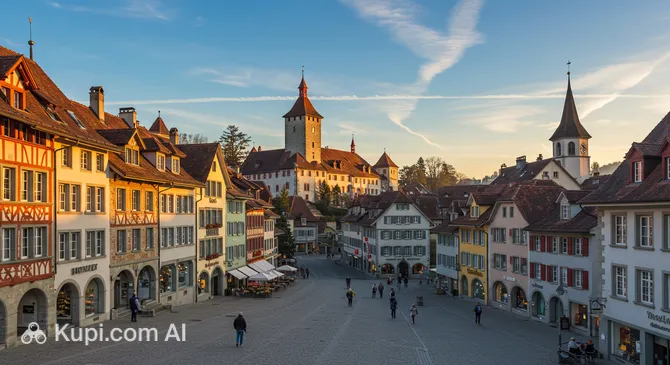
Wil. Illustration.
Source: Kupi.com AI

The heart of the city is its old center, considered one of the best-preserved in the region. The rich history of Wil can be traced through its narrow cobbled streets, neat half-timbered houses, and romantic arcades. Thanks to its convenient location between Zurich and St. Gallen, the town often attracts travelers looking to take a break from the hustle and bustle of major cities and enjoy the comfort of well-kept squares.

A visit to Wil offers a chance to see the real life of the region without the massive tourist crowds. It is an ideal place for leisurely strolls, where time seems to slow down, allowing you to enjoy every corner and feel the special medieval charm of this town.

Weather Overview

The climate in this region is temperate and generally comfortable for travelers, although it is characterized by variability. Expect warm summers with pleasant daytime temperatures and cool, fresh winters when the thermometer stays near the zero mark. To properly plan your wardrobe and itinerary, we recommend checking the detailed weather in Wil before you depart.

The peak of heat occurs in July, when the average temperature is about 19.6°C, and during the day the air warms up to 23.9°C. In winter, the coldest month is considered January, with an average of 1.3°C and night frosts down to -1.5°C. Travelers should remember that precipitation falls regularly throughout the year: for example, May is often the wettest month with 19 wet days, so having an umbrella or raincoat will be useful in any season.

Average monthly temperature

Average monthly precipitation

Interesting Facts

Wil holds many fascinating secrets and stories beyond its main attractions, revealing them only to the most attentive travelers. This cozy town can surprise even those well-acquainted with the region with its rich heritage and unique corners.
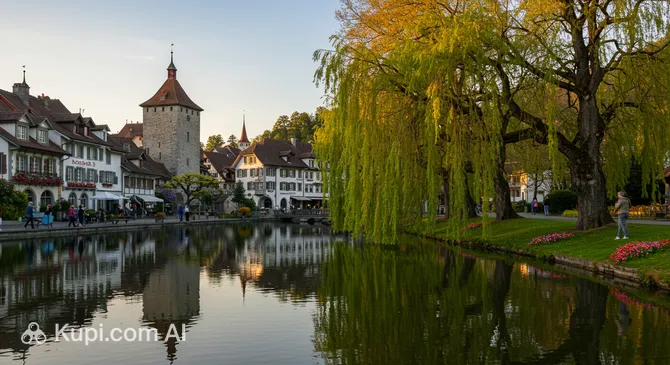
Stadtweier Wil. Illustration.
Source: Kupi.com AI

Traveler photos:

  • The historic city center is rightly considered one of the best-preserved in Eastern Switzerland. Here, you can endlessly admire the picturesque half-timbered houses and romantic arcades that create a unique atmosphere and transport guests back to the Middle Ages.

  • A true landmark and symbol of the city is the wooden Wil Tower (Wiler Turm). From its covered observation deck, a breathtaking panorama opens up not only over the city rooftops but also across the scenic expanses of the Fürstenland and Hinterthurgau regions.

  • For those seeking peace and connection with nature, Stadtweiher Wil will be a real discovery. This beautiful city pond, surrounded by greenery, serves as an ideal place for leisurely walks and relaxation by the water right within the city limits.

  • Despite its compact size, Wil has given the world many outstanding personalities. The city is proud of its natives—famous athletes, musicians, and artists—while local festivals and fairs regularly attract guests from all over the country.

How to Get There

Wil enjoys excellent accessibility thanks to its location at the intersection of important routes in Eastern Switzerland. Although the city does not have its own airport, getting here is easy thanks to the region's well-developed infrastructure. If you are planning a trip, we recommend checking all the ways to get to the city in advance to choose the most convenient and scenic route.

Most travelers choose to fly via Zurich Airport (ZRH). This is the country's largest international aviation hub, receiving flights from all over the world. It is important to note that the airport is located in the city of Zurich, about 37 km from Wil. The journey to your destination by taxi or transfer will take approximately 75 minutes. This is the most popular option due to the huge number of connecting flights.

An alternative option is Friedrichshafen Airport (FDH), located in Germany. It is approximately 41 km from Wil. Although this airport has significantly less passenger traffic, its proximity makes it convenient for those traveling from certain European cities. Travel time by car from here is about 80 minutes.

For clarity, here is summary information on the main airports:

AirportPassenger trafficDistance
Zurich Airport31.2 mln37 km
Altenrhein Airport84 10039 km
Friedrichshafen Airport339 55641 km
Memmingen Allgäu Airport3.2 mln106 km
EuroAirport Basel Mulhouse Freiburg8 mln115 km

Rail service in Switzerland runs like clockwork, and a train journey often becomes a pleasure in itself thanks to the beautiful views. The key transport hub for traveling to Wil is Zurich Hauptbahnhof (Main Station). It is located in the city of Zurich, about 40 km from your destination. This is one of the busiest stations in the world, with regular trains departing towards Wil. Travel time by car from the station to Wil is about 80 minutes, but most tourists prefer a direct regional train.

Below is information about the nearest major railway stations:

StationPassenger trafficDistance
Zürich Hauptbahnhof154.6 mln39 km
Basel Badischer Bahnhof7.3 mln109 km
Basel SBB station40 mln110 km
Oerlikon Railway Station34.4 mln132 km
Bern Railway Station69 mln135 km

Main Attractions

Despite its compact size, Wil offers travelers a rich cultural program. The main historical treasure of the city is undoubtedly Hof zu Wil. This monumental complex, which served as the residence of the Prince-Abbots of St. Gallen for several centuries, is impressive in its grandeur. Today, the "Hof" is not just an architectural monument but also a cultural center housing a library, a city museum, and event halls. This is the best place to start your introduction to the region's history.

For those who want to enjoy peace and nature without leaving the city limits, Stadtweiher Wil is the perfect spot. This picturesque pond, created back in the Middle Ages for industrial needs, has today been transformed into a true green oasis. Here, you can walk along well-kept paths, feed the ducks, or simply relax on a bench, admiring the reflection of the trees in the calm water. It is a popular meeting place for locals and a great location for family recreation.

Another architectural gem is the Baron's House (Baronenhaus), located on the Marktplatz. This Neoclassical building with a magnificent painted facade invariably catches the eye of tourists. Built at the end of the 18th century, it is considered one of the most beautiful patrician houses in Eastern Switzerland. Bright frescoes on the walls tell allegorical stories that can be studied for hours.

Fans of panoramic views should head to the Wil Tower (Wiler Turm). This unique 37-meter wooden structure stands on Hofberg Hill. After climbing the 189 steps of the spiral staircase, you will find yourself on an observation deck that offers a breathtaking view of the city, the surrounding forests, and, on a clear day, the majestic Alpine peaks from Säntis to the Glarus Alps.

Local Cuisine

The culinary scene in Wil is a harmonious blend of traditional Swiss recipes and a love for fresh farm products. A trip here will be a true feast for foodies, as the city, located in the canton of St. Gallen, has absorbed the best culinary traditions of the region. Simple but hearty food, prepared with soul and attention to the quality of ingredients, is highly valued here.

The foundation of the local menu is, of course, cheese in all its forms. In the city's cozy establishments, you should definitely order fondue or raclette. Aromatic melted cheese served with boiled potatoes, pickled gherkins, and pearl onions is the perfect way to warm up in cool weather. Various types of "rösti"—a crispy dish made of grated potatoes often served with egg, bacon, or melted cheese—are also popular.

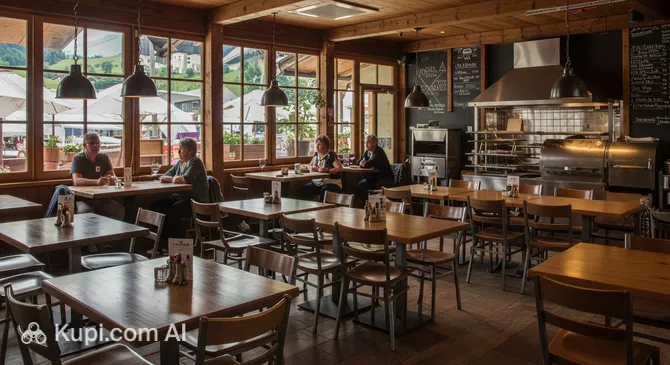
T's Barbecue Restaurant. Illustration.
Source: Kupi.com AI

Traveler photos:

For lovers of meat delicacies, Wil offers a wide range of homemade sausages and smoked meats. Bratwursts are very popular in the region and are often eaten simply with bread and mustard (although in neighboring St. Gallen it's not customary to serve mustard with them, the rules are more relaxed in Wil). If you want to enjoy meat cooked over an open fire, you can visit Barbecue Restaurant T, where grilling traditions meet a cozy atmosphere.

Those with a sweet tooth will remember the city for its magnificent pastries. Be sure to try the local spicy pies and almond cookies. And, of course, we must not forget the famous Swiss chocolate—here you can find it both in bars and in the form of exquisite handmade pralines. Seasonality plays a big role: in summer, the menu is full of desserts with fresh berries, and in autumn, roasted chestnuts appear on the streets.

As for drinks, locals prefer to accompany their meals with a glass of white wine from the Eastern Switzerland region or a high-quality local beer. Among non-alcoholic drinks, Rivella (a soda based on milk whey) and apple schorle—a refreshing mix of apple juice and mineral water—are popular everywhere.

The food culture in Wil is diverse: from elegant restaurants in the historic center to casual street stalls. Gastronomic festivals and farmers' markets, where you can buy local honey, jams, and seasonal vegetables, create a special atmosphere. During the Christmas market period, the city is filled with the aromas of mulled wine and grilled sausages, turning a walk into a true culinary adventure.

Travel Tips

A journey to this cozy city in the canton of St. Gallen promises to be peaceful and inspiring if you consider a few important nuances in advance. We have gathered practical recommendations for you to help you feel confident and comfortable during your visit to Switzerland.

  1. Clothing and Footwear. The weather in the region is changeable, so the best principle is layering. Even in summer, take a light jacket or raincoat, as precipitation is not uncommon here. For walking on the cobblestones of the historic center (especially around the Hof zu Wil area), choose the most comfortable flat-soled shoes, avoiding heels. In winter, warm waterproof shoes and a hat are essential.
  2. Transport. The historic center of Wil is compact and is best explored on foot. For trips to the surrounding areas, use the reliable WilMobil bus network. We recommend downloading the SBB Mobile app—it is indispensable for buying train and bus tickets, as well as for route planning. Taxis here are quite expensive, and with well-developed public transport, there is rarely an urgent need for them.
  3. Finance. The national currency is the Swiss franc (CHF). Although cards are accepted almost everywhere, from supermarkets to restaurants, it's worth having some cash with you for payments at farmers' markets, small kiosks, or for storage lockers. Note that Switzerland is a country with a high standard of living: the average check in a cafe will be higher than in neighboring European countries. Tips are usually already included in the bill, but rounding up the amount is welcomed.
  4. Health and Safety. Wil is a very safe city where you can walk peacefully even in the evening. Tap water here is of excellent quality—feel free to drink it from the tap or city fountains unless there is a "Kein Trinkwasser" (not drinking water) sign. Pharmacies (Apotheke) work according to a standard schedule, but many medicines are sold only by prescription, so it's better to bring a basic first-aid kit with you.
  5. Communication. The official language is German, but in daily life, locals speak a specific Swiss dialect. English is understood very well, especially by young people and tourism workers. Locals will appreciate it if you start a conversation with the polite greeting "Grüezi." Free Wi-Fi is available at the station and in many cafes, but for stable connectivity, it's more convenient to buy a local SIM card (Swisscom, Sunrise, or Salt) at a post office.
  6. Local Etiquette. Punctuality is a way of life here: arrive on time for meetings, excursions, and transport departures. In small towns, it is customary to greet passers-by on quiet streets. Also, observe silence in public places and on transport—loud conversations, especially on the phone, are considered bad manners.
  7. What to Avoid. Never cross the road on a red light, even if there are no cars—this causes strong disapproval from locals and can lead to a fine. Also, avoid making noise on Sundays: on this day, the Swiss value peace, so you should not listen to loud music or throw glass bottles into street containers (it creates unnecessary clatter).
  8. Shop Opening Hours. Remember that most shops in Wil close quite early (around 18:30 on weekdays and 17:00 on Saturday). On Sundays, almost everything is closed except for small shops at the railway station and gas stations. Plan your shopping and grocery purchases in advance so as not to be left without dinner.

We hope these tips help you plan your trip easily and avoid minor troubles. May Wil welcome you with hospitality, good weather, and unforgettable impressions from walking its picturesque ancient streets!

Entertainment & Nightlife

Despite the city's modest size, the nightlife in Wil can pleasantly surprise you with its diversity and quality. You won't find noisy metropolis-style parties here, but you will discover a cozy, authentic atmosphere where modern culture intertwines with historical charm. Evenings here are typically spent at a relaxed pace, enjoying conversations in old town bars or attending cultural events.

The epicenter of evening activity is the historic center (Altstadt) and the area around the railway station. Locals love to gather in pubs and wine bars located in ancient buildings. One of the main cultural venues in the city is Gare de Lion. This cult spot, located in a former railway warehouse, combines a concert hall, club, and bar. It regularly hosts live concerts, themed parties, and DJ sets, attracting young people and a creative crowd from across the region.

For those who prefer to start their evening with gastronomic delights, Barbecue Restaurant T is an excellent choice. This establishment is famous for its laid-back atmosphere and hearty dishes, making it an ideal spot for dinner before continuing the night. After eating, you can move to one of the lounge bars on Obere Bahnhofstrasse, which serve excellent cocktails.

Practical Tips and Safety:

Wil is an exceptionally safe city. Night walks here are comfortable even when alone, and the streets are well-lit. Most bars are open until midnight or 1:00 AM on weekdays, and until 2:00–3:00 AM on weekends. The dress code in most venues is democratic: "casual" style is appropriate everywhere, from pubs to clubs. Drink prices follow Swiss standards: a cocktail will cost around 12–18 francs, and a beer about 6–9 francs.

If you stay out late, you can get to your hotel or neighboring towns via night buses (Nachtbus) that run on weekends. Taxis are also available 24/7; their stand is right by the station, but calling via an app or phone is more reliable.

Daytime Entertainment:

During daylight hours, Wil offers more tranquil leisure options. Art lovers will appreciate the City Museum (Stadtmuseum) in the Hof building, where they can learn more about the city's 1200-year history. Theater-goers should check the program at the Tonhalle, which hosts plays and classical music concerts. And if you want a break from the urban buzz, head to Stadtweiher Wil. By day, it is a wonderful location for picnics and nature watching, which turns into a romantic spot for quiet sunset walks by evening.

Parks & Museums

Wil harmoniously combines a rich historical heritage with a careful attitude towards nature. For travelers, this means a wonderful opportunity to alternate informative tours of museum halls with relaxing walks in the picturesque green areas that this city in the canton of St. Gallen is proud of.

The main natural ornament of the city is Stadtweiher Wil. This idyllic pond, surrounded by lush greenery, is a true oasis of tranquility just a few minutes' walk from the busy center. The park around the reservoir is ideal for a leisurely promenade: there are comfortable paths, benches for relaxation, and watching the waterfowl will bring pleasure to both children and adults. This place is especially beautiful in autumn when the trees are reflected in the mirror-like surface of the water.

Another important green zone is the territory of Hofberg Hill, where the famous wooden tower stands. Although it is more of a forest park area, it is popular with tourists for its panoramic views. The climb here is a great outdoor cardio workout, rewarded by views of the Alps and the rooftops of the old town.

The cultural life of Wil is centered around its museums. The centerpiece is the City Museum (Stadtmuseum), located in the historic Hof zu Wil building. The museum's exhibition covers more than 1200 years of the city's history, telling of the times when Wil was the residence of the abbots. Here you can see ancient documents, household items, and artifacts that reveal the city's role as an important commercial and religious center. For tourists, this is the best way to understand the soul of the "abbey city."

Modern art lovers should visit Kunsthalle Wil. This gallery, located near the Stadtweiher pond, is a striking contrast to the medieval architecture of the center. Kunsthalle specializes in temporary exhibitions of contemporary art, presenting works by both Swiss and international artists. The gallery space is often used for bold installations and performances, making each visit a unique experience.

Speaking of architecture as an open-air museum, one cannot fail to mention the Baron's House on Marktplatz. Its facade, decorated with magnificent Neoclassical frescoes, is a work of art in itself, available for viewing by any passerby without an entrance ticket.

For those seeking solitude and wanting to see the non-tourist side of the region, we recommend taking a walk along the banks of the River Thur. The Thurweg trail offers a scenic route where you can enjoy the sound of the river and untouched nature, while being very close to urban civilization.

Getting Around

The public transport system in Wil is characterized by Swiss precision, comfort, and well-thought-out logistics. Since the city is quite compact, there are no metro or tram lines. The main burden of passenger transport is handled by an extensive network of bus routes, which is perfectly integrated with the rail service.

The main operator of city transport is the company WilMobil. Buses run frequently and strictly on schedule, connecting the railway station (Bahnhof Wil) with all residential areas, shopping centers, and surrounding villages. For tourists, this is the most convenient way to reach remote attractions or a hotel if it is not in the pedestrian zone of the old town. The cabins are equipped with digital displays announcing stops, which makes navigation easy.

The city is part of the OSTWIND tariff association. This means that the fare depends on the number of zones crossed, and tickets are valid for both buses and trains within the region. For single trips, it is most convenient to buy tickets at special machines at stops (they accept cards and coins) or via mobile apps. The most popular and convenient app for tourists across the entire country, including Wil, is SBB Mobile. It automatically calculates the optimal route and price.

If you plan to move around the city and region a lot, consider buying a day pass (Tageskarte). Holders of the national Swiss Travel Pass, which is valid throughout the country (Switzerland is famous for its unified transport system), do not need to buy separate tickets for the city bus in Wil—travel is already included. It's important to remember: tickets must be purchased before boarding the vehicle. Drivers generally do not sell tickets, and fines for fare evasion are quite significant.

At night on weekends (Friday and Saturday night), special night buses (Nachtbus) run, allowing you to get home safely after a party. A small surcharge on the normal ticket may be required for travel on these, so check the conditions carefully in the app.

As an alternative to public transport, bicycles are popular in Wil. A rental point can be found at the railway station, allowing you to explore the city at your own pace. Taxis are available but are quite expensive; cars usually wait for passengers at the station stand or are called by phone. Given the small size of the historic center, many tourists prefer to get around on foot, enjoying the architecture, and use the bus only for trips with luggage or for longer distances.

Accommodation

Where to stay:

The choice of accommodation in Wil, as in most small Swiss towns, is characterized by high quality and coziness, though it might not offer a vast variety. You won't find giant hotel complexes or luxury five-star resorts from global chains here. The core of the room stock consists of comfortable mid-range hotels (3–4 stars), traditional family guesthouses (Gasthaus), and modern apartments, which are ideal for those who prefer to cook for themselves.

In terms of location, the city can be roughly divided into two zones attractive to tourists. The first is the Old Town (Altstadt) and its surroundings. Staying here, you will be within walking distance of the main historical monuments and can enjoy evening walks through romantic streets. The second popular zone is the railway station area. This is a strategically convenient choice for those planning to travel actively around the region by train or bus, using Wil as a base.

The price range in Wil corresponds to the general price level in Switzerland, which may seem "above average" to many tourists. There are practically no budget hostels here, so budget-conscious travelers should look at small private pensions or B&Bs (Bed and Breakfast) on the outskirts. The cost per night in a standard double hotel room usually varies from moderate to high, depending on the season and services provided.

Booking Tips:

Although Wil is not a mass tourist destination, the demand for good accommodation here is stable, especially in the summer and during local festivals. We strongly recommend booking your stay in advance, several weeks or even months before your trip. This can be done through popular international online platforms or directly on hotel websites, which sometimes allows you to get a better deal or free breakfast.

Nearby Cities

For those who want to explore the surrounding area, Wil serves as an excellent starting point for day trips to several interesting nearby locations. Just 25 km away is St. Gallen—the capital of the canton, famous for its Abbey, which is a UNESCO World Heritage site, and its magnificent library. Art and technology enthusiasts should visit Winterthur, known for its numerous museums, including the interactive "Technorama" center. Also attractive is Frauenfeld—the capital of the neighboring canton of Thurgau, where you can explore a medieval castle and enjoy the cozy atmosphere of the old town.

CityPopulationDistance
Uzwil12 8857 km
Aadorf9 03611 km
Weinfelden11 53412 km
Flawil10 52012 km
Frauenfeld25 44215 km

These nearby destinations provide a glimpse into the diverse culture and landscapes of the region. Thanks to Switzerland's advanced transport system, you can reach any of these cities quickly and comfortably, making them ideal options for a spontaneous mini-trip.

Shopping & Souvenirs

Shopping in the city of Wil is a pleasant and relaxed activity, devoid of the hustle and bustle of huge metropolises. The city is considered the commercial hub of the Fürstenland region, attracting shoppers not only with a variety of goods but also with its unique atmosphere. Here, modern retail spaces harmoniously sit alongside medieval architecture, turning a shopping trip into a fascinating walk.

The city's main shopping artery is the pedestrian zone on Obere Bahnhofstrasse. It starts right from the railway station and leads to the historic center. Most of the popular brand-name stores for clothing and footwear, bookstores, and perfume boutiques are concentrated here. If you are looking for something more exclusive, it is worth delving into the alleys of the Old Town (Altstadt). Small private shops offering antiques, handmade jewelry, and stylish accessories are hidden in the historical buildings.

While Wil doesn't have the giant malls typical of larger cities, several convenient department stores and small shopping passages operate in the center, where you can find everything you need under one roof. This is a great option for shopping in rainy weather when you don't want to walk outside.

Local markets deserve special attention, as they are an important part of the city's culture. Every Saturday morning, the colorful Weekly Market (Wochenmarkt) unfolds on the central squares. Farmers from across the region gather here, offering fresh vegetables, fruits, homemade bread, and flowers. It is the best place to feel the true taste of local life and buy gastronomic souvenirs.

As gifts from Wil, tourists most often take home gastronomy. Be sure to stop by local confectioneries for handmade Swiss chocolate or traditional gingerbread. It is also worth buying cheese—the region is famous for its dairy products, and at the market or in specialized shops (Käserei), they will help you choose the perfect variety. Classic Swiss souvenirs are also popular: pocket knives, watches, and textiles with national embroidery.

When planning your shopping, remember the operating hours. Most shops are open Monday to Friday from 09:00 to 18:30 (sometimes until 20:00 on Thursday or Friday), and close as early as 16:00 or 17:00 on Saturday. Sunday is a day off for all retail outlets, except for small shops at the station. Credit cards are accepted almost everywhere, but at the market and small kiosks, it's better to have cash francs with you.

Tourists residing permanently outside of Switzerland can take advantage of the Tax Free system. If your purchase amount in one store exceeds 300 Swiss francs (including VAT), you are entitled to a tax refund. Don't forget to ask the seller for a special form (Tax Free Form) and present it along with your passport and the goods at customs when leaving the country.
Reached the end of the page?

That means the route is fully explored