Shopping in Phetchabun is not a trip through endless high-fashion boutiques, but rather a fascinating immersion into local life and culture. The city does not claim to be a fashion capital, so you won't find huge luxury malls like those in Bangkok. Instead, this region is famous for its unique agricultural products and authentic markets where you can buy goods that are hard to find in other parts of the country. It is an ideal place for those looking for edible souvenirs and handicrafts at very attractive prices.
Main commercial life is concentrated along the primary transport arteries and in the central part, near government offices and schools. The streets here are filled with small family-owned "shophouses," where trade in everything from gold jewelry to household goods takes place on the first floor, while the owners live on the upper floors. Walking through such areas allows you to see the real, non-tourist Thailand.
If you need familiar comforts, air-conditioned halls, and fixed prices, you should head to the large shopping centers. The city has hypermarkets of well-known chains such as Big C Supercenter and Lotus’s (formerly Tesco Lotus). Here you can buy clothes, electronics, and cosmetics, as well as restock on groceries. These centers are magnets for local youth and families, offering not only shopping but also food courts with affordable food.
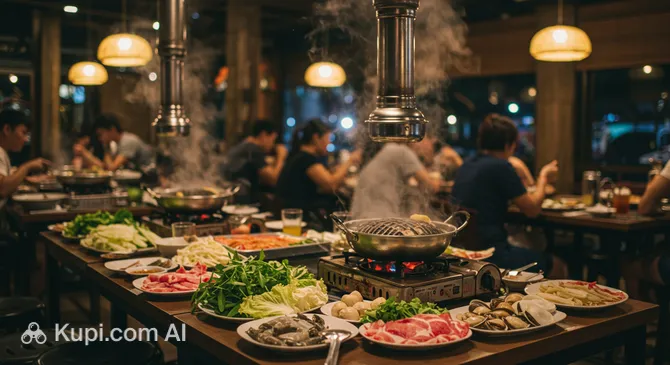
However, the real heart of Phetchabun's trade beats at the markets. The most colorful place is the Night Market, which comes to life as the sun sets. An indescribable atmosphere reigns here: the smells of street food mix with the aromas of tropical fruits. Tourists can find inexpensive clothes, accessories, shoes, and many small items here. It is also worth visiting the morning markets, where local farmers sell the freshest vegetables and fruits directly from their garden beds.
The main souvenir that every visitor to the province must bring back is sweet tamarind (Makam Wan). Phetchabun is considered the "tamarind capital" of the kingdom. During the harvest season (winter), this fruit is sold everywhere. You can buy it fresh in pods or processed: candied tamarind, paste, jams, and candies with chili and salt. In addition, locally produced fabric products, woven baskets, and ceramics are popular.
Shops in shopping centers are usually open from 10:00 AM to 9:00 PM or 10:00 PM. Street stalls start working early in the morning, while night markets unfold after 5:00 PM and run until late evening. The primary method of payment in markets and small shops is cash (Thai Baht). Bank cards are accepted only in large supermarkets and chain stores. Recently, payment via QR code through banking apps has become common, but this method is often unavailable to tourists without a local bank account.
The VAT Refund for Tourists (Tax Free) system theoretically operates in large chain stores (for example, in the electronics or clothing departments at Big C) if the purchase amount exceeds 2,000 Baht. However, given the city's specifics, processing may take time, and staff may not always be fluent in English. Be sure to look for the "VAT Refund" sign at the entrance or checkout and have your passport with you if you plan to use this service.