Source: Kupi.com AI
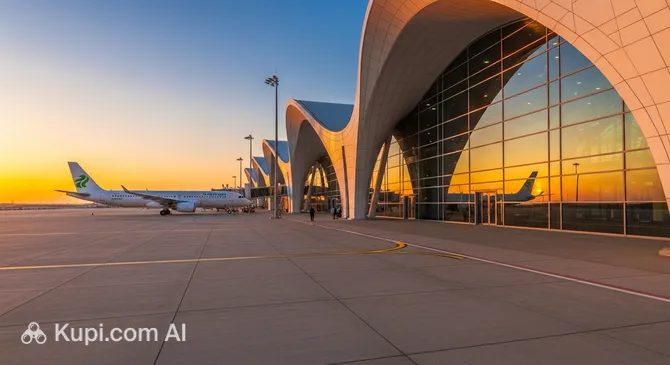
Turkmenbashi International Airport represents an impressive aerial gateway, opening up towards the Caspian Sea and the "Avaza" resort pearl. The terminal building, designed in the shape of a majestic falcon ready to soar into the sky, sets a special mood for travellers from the very first minutes, combining national flair with advanced technologies. This modern aviation hub not only ensures transport accessibility for the region but is a landmark in itself, delighting guests with its architectural boldness and comfort.
| Characteristic | Value |
|---|---|
| IATA code | KRW |
| ICAO code | UTAK |
| City | Turkmenbashi |
| Country | Turkmenistan |
| Time zone | Asia/Ashgabat |
| Popular airlines | Belavia, Turkmenistan Airlines |
| Schedule | Online timetable |
Airport Features and Advantages
Turkmenbashi Airport stands out among other regional air harbours with a range of unique characteristics that make it an important transport hub in Central Asia:
- Architectural Uniqueness: The main terminal is designed in the shape of a lachin (falcon) — a symbol deeply revered in Turkmen culture. This makes the air terminal one of the most beautiful and recognisable buildings in the country, providing tourists with an excellent opportunity for spectacular photos immediately upon arrival.
- Top-Class Technical Equipment: Thanks to a runway 3,800 metres long and the latest navigation equipment, the airport is capable of accepting aircraft of all types, including heavy cargo planes and giants like the Airbus A380 and An-225 "Mriya", in any weather conditions.
- Strategic Location: The airport is located just a few minutes' drive from the "Avaza" National Tourist Zone. This ensures maximum convenience for holidaymakers, allowing them to get from the aircraft steps to a beach hotel in the shortest possible time.
- Integrated Infrastructure: The complex is thought out to the smallest detail for the convenience of transit and arriving passengers. The territory features automated baggage and cargo handling systems, as well as direct access to transport interchanges connecting the airport with the city and the international sea port.