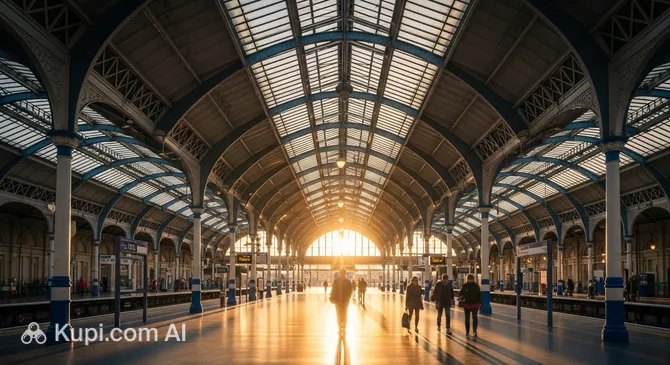
Brighton Railway Station is not just a major transport hub, but also a magnificent example of Victorian architecture, serving as the main gateway to the famous English Channel coast. The building, with its impressive curved roofs, creates a special travel atmosphere even before you step out into the city. Millions of tourists pass through this terminal annually, eager to reach the beaches and the famous Brighton Lanes.
It is important for passengers to know that this is a terminus station, so access to all platforms (1 to 8) is via a single ticket barrier hall on one level, making navigation intuitive. The main exit leads directly onto Queens Road, offering a straight route to the sea. To transfer to buses or taxis, simply exit the station building onto the forecourt.
Contact Information
If you need to contact the administration or check station details, please use the following information:
Official Website: It is recommended to check the current schedule on the National Rail website or the operator Southern Railway.
Address: Queens Road, Brighton, East Sussex, BN1 3XP, United Kingdom.
Opening Hours: The station is open around the clock; however, ticket offices usually operate from 04:30 to 01:00 (times may vary on weekends).
Information Service: Available at the passenger service center (Travel Centre) in the main hall.
Luggage Storage: There may be no automatic lockers at the station itself due to security measures, but services from private partner companies nearby (e.g., CityStasher) are available.
Accessibility: The station is fully equipped for passengers with reduced mobility (step-free access), with ramps and staff assistance available.
How to Get There
Getting to Brighton Station is very easy as it is a central point of the city.
On Foot: You can walk from the seafront and Brighton Palace Pier in 10–15 minutes. Simply walk up Queens Road from the Clock Tower.
Public Transport: A large bus stop is located right in front of the main entrance. Routes from all over the city and suburbs arrive here, including buses to universities. A trip from outlying areas (e.g., Hove or Marina) will take about 15–20 minutes.
Taxi: The official taxi rank is located on the northern side of the station (exit to Stroudley Road) and at the main entrance. A trip from the city center usually takes 5–7 minutes depending on traffic.
Services and Amenities
Brighton Station provides everything for a comfortable wait and trip preparation.
The main concourse houses ticket offices and numerous self-service machines that accept cards. Free Wi-Fi is available for passengers (registration is usually required). Seating can be found in the waiting area, although it can be busy during peak hours.
Among other amenities:
Restrooms: Located near Platform 1, including facilities for people with disabilities and baby changing tables.
Bicycle Parking: A large cycle hub with rental and repair services is located at the rear of the station.
ATMs and Currency Exchange: Available in the main hall.
Photo Booths: For urgent ID photos.
Where to Eat
It is difficult to stay hungry at Brighton Station. There is an excellent choice of food inside the terminal and immediately nearby.
Quick Snacks and Coffee: Popular chain coffee shops and bakeries such as Upper Crust, Costa Coffee, and Starbucks operate in the main hall (concourse). Here you can grab a sandwich, pastries, and a hot drink for the road. The average bill for coffee and a bun is about 5–8 GBP.
Full Meal: If you have time, there is a dining venue on the station grounds where you can order a traditional English breakfast or fish and chips. Also, street food kiosks are often located right at the exit. The M&S Food supermarket inside the station is ideal for buying ready-made salads and snacks for the train.
Station History
The history of Brighton Station dates back to 1840, when the railway first connected this seaside city with London, forever changing its destiny. The official opening took place in 1841.
The building was designed by architect David Mocatta. One of the most recognizable features of the station is its magnificent double curved roof made of cast iron and glass, which was reconstructed and extended in the 1880s to protect platforms from the rain. This structure has survived to this day and is considered an architectural monument.
The station played a key role in transforming Brighton from a fishing village into a fashionable resort, nicknamed "London-by-the-Sea", ensuring a massive influx of holidaymakers from the capital.
Passenger Tips
To ensure your trip goes smoothly, use the following tips:
Arrival Time: On summer weekends and public holidays, the station can be crowded. Arrive at least 20 minutes before your train departs to pass through the ticket barriers calmly.
Tickets: Keep your ticket until the very end of the trip — it will be needed to exit through the turnstile (barriers work constantly).
Direct Trains:Gatwick Express trains run from here to the airport (about 30 minutes), as well as trains to London Victoria and London Bridge stations.
Security: The station is well guarded, but do not leave luggage unattended. The area is well lit in the evening.
Waiting: If your train is delayed, street musicians often perform on the forecourt, and there is sometimes a piano inside for anyone wishing to play.