Support

Derby

About

Derby is a city with a rich history and a unique atmosphere, nestled on the banks of the River Derwent in the heart of the East Midlands, in Great Britain. It has long served as an important crossroads for trade and cultural routes, and its surroundings, lush with green parks and gardens, create a sense of peace and harmony even in the busy center.
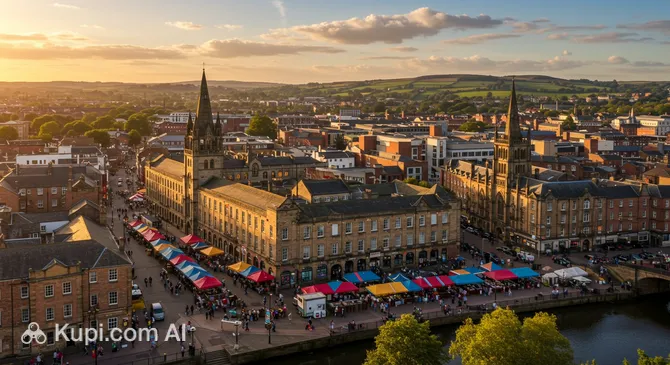
Derby. Illustration.
Source: Kupi.com AI

With a population of about 255,000, Derby is one of the region's significant cities, playing the role of an important administrative and economic center. The city is rightfully proud of its industrial heritage, as it was here that the British Industrial Revolution was born. The country's first silk mills, the development of rail connections, and the world-famous Royal Crown Derby porcelain are all linked to Derby's history.

Modern Derby appears to guests as a dynamic and cosmopolitan city, where historical buildings harmoniously coexist with modern structures. Walks through the charming streets of the Cathedral Quarter, home to unique shops and cozy cafes, deserve special attention. Shopping enthusiasts will appreciate the opportunities at the Westfield Derby shopping center, while numerous city parks are perfect for outdoor relaxation. The city is also an excellent starting point for exploring the picturesque county of Derbyshire and visiting the Peak District National Park, which attracts nature lovers and outdoor enthusiasts.

Derby is a place where everyone will find something for themselves: from exploring England's industrial past to enjoying the tranquility of the English countryside. This city carefully preserves its traditions and is always happy to welcome new guests, inviting them to immerse themselves in its unique atmosphere.

You can find more interesting facts on the history of Derby page.
Weather Overview

In Derby, you can expect typically British weather with a temperate climate. Summers are usually mild and comfortable for walking, with average temperatures in July and August around 16-17°C, while maximum values rarely exceed 20-21°C. Winters are cool but without extreme cold, with an average January temperature around 4.4°C. Rainfall is quite frequent throughout the year (11-16 days a month), but it is usually not too heavy. To better plan your trip based on weather conditions, you can see more about the climate and weather in Derby.

Average monthly temperature

Average monthly precipitation

Interesting Facts

Beyond its famous landmarks, Derby hides many surprising stories and little-known details. Ready to discover the city from an unexpected side?

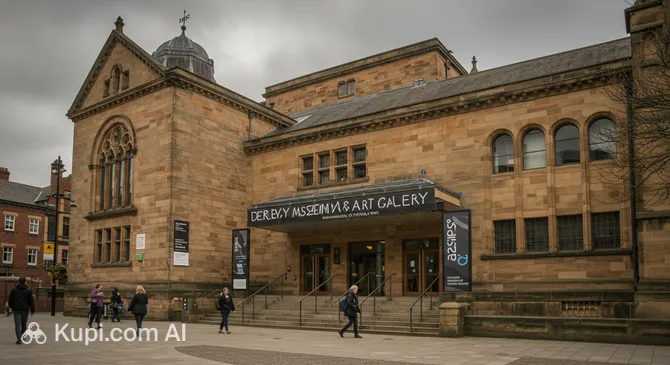
Derby Museum and Art Gallery. Illustration.
Source: Kupi.com AI

Traveler photos:

  • Derby played a key role in the Industrial Revolution, becoming the site of the UK's first silk mill. A little later, the world's first water-powered cotton spinning mill began operating here on the River Derwent. These innovations changed the industrial landscape forever, and echoes of that era can be found, for example, by studying the exhibits at the Derby Museum and Art Gallery.

  • The famous Mary, Queen of Scots, spent part of her long imprisonment in Derby by order of Elizabeth I. This dramatic period of her life left a notable mark on the city's history.

  • Derby is rightfully called one of the ale capitals of the UK. The city is full of old pubs and modern craft breweries where you can taste the best varieties of the traditional English drink. You can find particularly many authentic venues in the Cathedral Quarter area.

  • The city is the birthplace of the world-famous Royal Crown Derby porcelain. For centuries, exquisite pieces have been handcrafted here, gracing collections and tables worldwide. You can admire examples of this fine craftsmanship at the Derby Museum and Art Gallery.

How to Get There

When planning a trip to this wonderful English city, it is important to think about the route in advance. Derby has excellent transport accessibility thanks to its proximity to several of the country's major transport hubs. You can find all the details and alternative routes by following the link more about how to get to Derby.

Although Derby does not have its own passenger airport, the city is served by several nearby airports. The most convenient option is East Midlands Airport (EMA). It is located not in Derby itself, but near the city of Nottingham, just 14.2 km from your destination's center. This is a regional airport that handles many flights. A taxi or bus ride from here will take very little time — about 20–30 minutes.

For international flights, travelers often choose Birmingham International Airport (BHX). It is located in the city of Birmingham, approximately 55.3 km from Derby. This is a major aviation hub with high passenger traffic. The journey by car or transfer will take about an hour.

Another popular option is Manchester Airport (MAN). This is one of the UK's largest airports, located in Manchester, 71.9 km from Derby. Due to the huge number of flights, many tourists prefer to fly here. The journey to Derby takes about 1.5 hours.

For clarity, here is summary information on the main airports:

AirportPassenger trafficDistance
East Midlands Airport4 mln14 km
Birmingham International Airport13.0 mln55 km
Manchester Airport30.1 mln72 km
Liverpool John Lennon Airport5.1 mln103 km
Humberside Airport150 615104 km

Traveling by rail is also a great way to reach the region. If you are coming from afar, your route may pass through large neighboring transport hubs.

The nearest major hub is Nottingham Railway Station. Please note that this station is not in Derby itself, but in the neighboring city of Nottingham, about 22.2 km away. From there, you can quickly reach your destination by taxi or suburban transport, spending about 30-40 minutes on the road.

Another important transit point is Birmingham New Street station. It is located in the city of Birmingham, 54.5 km from Derby. This is one of the country's busiest stations, providing connections to many cities. Travel time by car from the station to Derby is about an hour.

Below is information about the nearest major railway stations:

StationPassenger trafficDistance
Nottingham Railway Station7.1 mln22 km
Leicester Railway Station5.3 mln40 km
Birmingham New Street Station35.3 mln55 km
Manchester Piccadilly Station25.8 mln83 km
Worcester railway station526 97095 km

Main Attractions

Derby, a city with a rich history and culture, offers its guests many interesting places to visit. Here, everyone will find something to their liking, from majestic cathedrals to beautiful parks and fascinating museums.

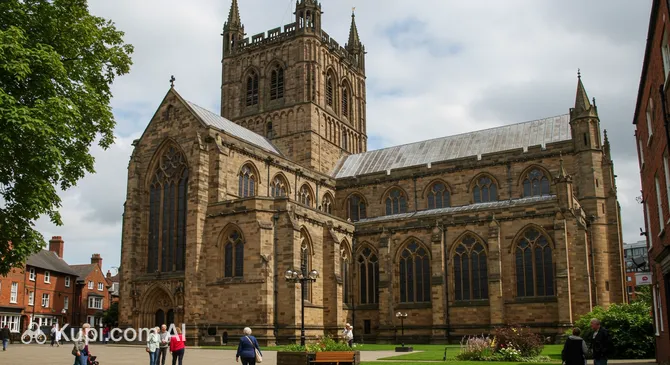
One of the city's main gems is Derby Cathedral, also known as the Cathedral of All Saints. This impressive structure is famous for its Perpendicular Gothic tower, the second-highest in England, and its magnificent interiors. Inside, you can see exquisite stained glass, monuments, and learn more about the centuries-old history of the cathedral, which plays an important role in the city's spiritual life.

Derby Cathedral. Illustration.
Source: Kupi.com AI

Traveler photos:

For art and history lovers, the Derby Museum and Art Gallery is a must-visit. It houses an extensive collection of works by local artist Joseph Wright of Derby, famous for his Enlightenment-era paintings. Additionally, the museum offers exhibitions dedicated to archaeology, natural history, and the military history of the region, making it interesting for visitors of all ages.

Derby Museum and Art Gallery. Illustration.
Source: Kupi.com AI

Traveler photos:

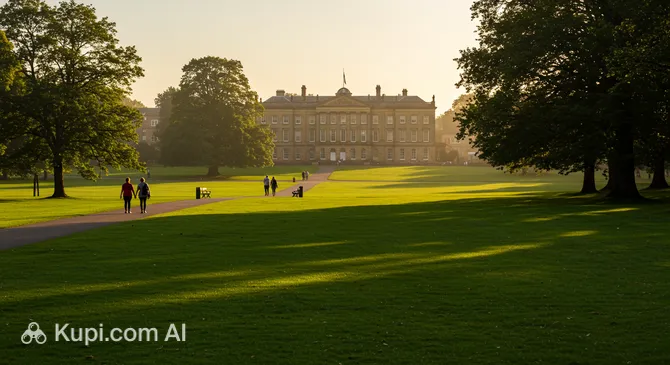
If you prefer outdoor relaxation, head to Markeaton Park. It is one of Derby's largest parks, offering a variety of opportunities for active recreation and relaxation. There are playgrounds for children, sports facilities, a lake where you can go boating, as well as picturesque paths for walking and picnics. The park is a popular spot among locals and tourists thanks to its well-maintained grounds and variety of entertainment.

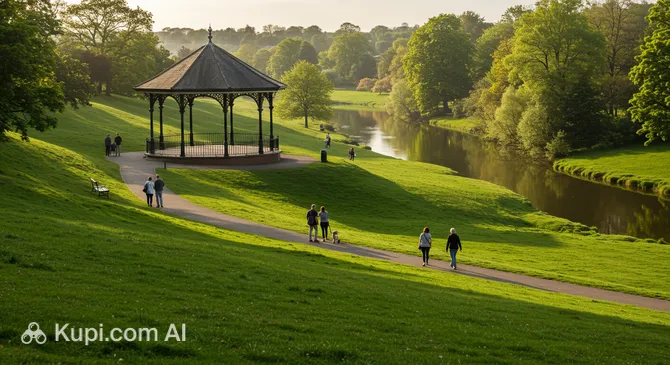
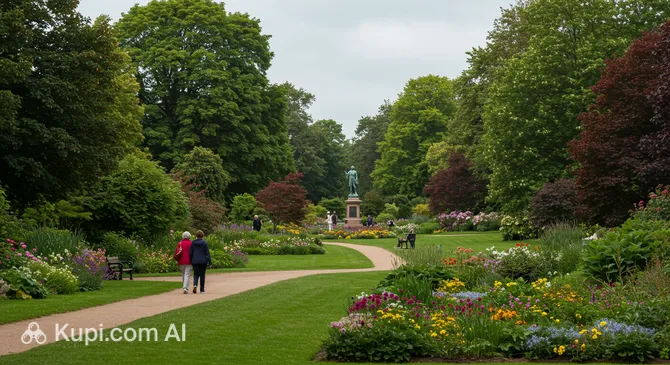
Another wonderful place for a stroll is Darley Park, located along the River Derwent. This picturesque park is known for its beautiful flower beds, manicured lawns, and peaceful atmosphere. In the summer, various events and festivals are often held here. Darley Park is the perfect place to enjoy nature without leaving the city limits.

Darley Park. Illustration.
Source: Kupi.com AI

Traveler photos:

You shouldn't miss the Derby Arboretum, which is considered the first public park in England. Founded in 1840, this historical park was designed by John Claudius Loudon and still retains its charm today. The Arboretum offers visitors the chance to walk among a diverse range of trees and plants, enjoy peace and quiet, and learn more about its rich history.

Local Cuisine

Derby is a true gastronomic corner for those who appreciate traditional British cuisine with a unique local flavor. The city offers travelers a unique opportunity to immerse themselves in a world of authentic tastes, where ancient recipes are harmoniously combined with modern culinary trends.

One of the main gastronomic hallmarks of the region is the Derbyshire oatcake – a thin oatmeal pancake whose recipe dates back to the distant past. It is traditionally served for breakfast with various fillings: cheese, ham, or smoked fish. This simple but incredibly tasty dish perfectly conveys the spirit of local cuisine.

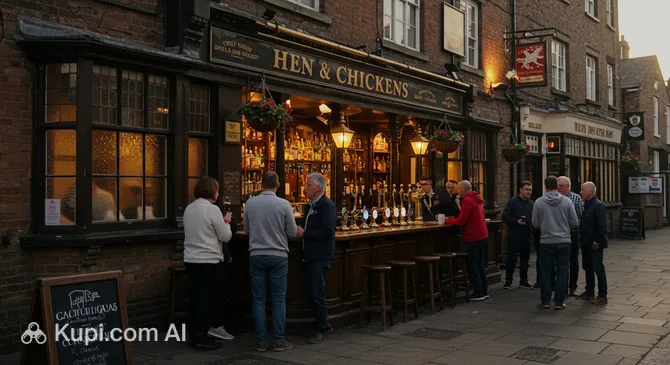
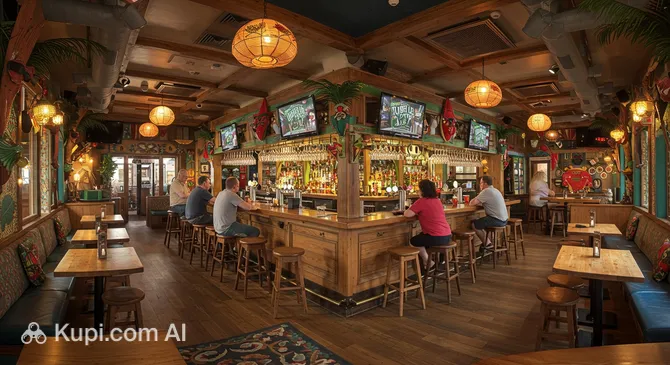
The city of Derby is rightfully proud of its developed pub culture and numerous craft breweries. Here you can sample various types of ale, many of which are brewed according to old recipes and feature a rich taste with a light hoppy bitterness. Such an ale is the perfect accompaniment to traditional English snacks, such as hearty meat pies, pâtés, and appetizing sandwiches. To fully experience this atmosphere, you can visit, for example, the Hen & Chickens, known for its choice of drinks and traditional setting.

Hen & Chickens. Illustration.
Source: Kupi.com AI

Traveler photos:

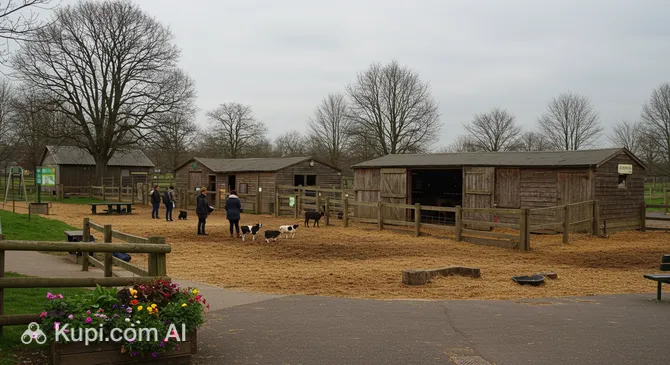
Special attention in Derby is given to fresh farm products. At street markets and in specialized gastronomic shops, you can always find local cheeses, cured meats, fresh pastries, and homemade jams. Food fairs and festivals are popular, where you can not only taste dishes from across the county but also meet talented local producers. For authentic products and seasonal delicacies, head to places like the Markeaton Park Craft Village.

Markeaton Park Farm. Illustration.
Source: Kupi.com AI

Traveler photos:

For those with a sweet tooth, Derby also has a lot to offer. Local confectioneries serve traditional English desserts: various puddings, aromatic crumbles, and, of course, the famous afternoon tea with fresh pastries. This is a wonderful opportunity to relax after a busy day and enjoy classic British sweets.

The gastronomic scene in Derby is diverse: from cozy traditional pubs and lively street markets to restaurants offering both classic and modern dishes. Locals and tourists can choose places for every taste and budget, enjoying hospitality and quality food. If you are looking for a place for dinner, consider establishments like Nicco Restaurant & Bar, which offers a diverse menu.

Travel Tips

Planning a trip to Derby? Great! This historic city in the heart of Derbyshire is ready to surprise you with its hospitality and rich heritage. To ensure your journey goes smoothly and leaves only pleasant impressions, we've prepared some practical tips.

  1. Clothing and Essentials: what to bring

    The climate in the UK, and specifically in Derby, is temperate and quite changeable. We recommend bringing clothes that can be worn in layers: T-shirts, jumpers, and a light jacket. Be sure to pack a waterproof jacket or an umbrella, as rain can occur at any time of year. Comfortable shoes for walking around the city and its surroundings are your best friend. Don't forget an adapter for British sockets (type G). There is no specific dress code for visiting Derby Cathedral or other religious sites, but modest and respectful clothing is appreciated.

  2. Transport: how to get around Derby

    Derby city center is quite compact and pleasant to explore on foot. The main form of public transport is buses, which have a well-developed network covering most areas. Taxis are available and can be hailed on the street, found at ranks, or called by phone and mobile apps (like Uber). Renting a car may be worthwhile if you plan to explore the picturesque Derbyshire countryside, such as the Peak District National Park. Keep in mind that parking in the city center is usually paid.

  3. Finance: currency, cards, and tipping

    The local currency is the Pound Sterling (GBP, £). Credit and debit cards (Visa, Mastercard) are accepted almost everywhere – in shops, restaurants, and hotels. ATMs are easy to find throughout the city. It's best to exchange currency at banks or official exchange offices; avoid airport exchange counters due to less favorable rates. Tipping culture: in restaurants, it's customary to leave 10-15% of the bill if a service charge isn't automatically included. In pubs, tipping isn't mandatory, but you can round up the bill as a gesture of thanks for good service.

  4. Health and Safety: key points

    Derby is considered a generally safe city. However, as with any other place, take basic precautions: watch your personal belongings, especially in crowded areas and on public transport. Avoid walking alone in poorly lit and deserted areas late at night. Pharmacies (marked "Pharmacy" or "Chemist") are in all city districts; some large chains like Boots may have longer opening hours. In case of an emergency medical need, call 999. For non-urgent medical consultations, you can call 111 (NHS non-emergency number). Be sure to take out travel medical insurance before your trip.

  5. Communication: language, connectivity, and internet

    The official language is English. Most locals are friendly and ready to help tourists. You can buy a local SIM card for mobile internet and calls in supermarkets, specialized mobile phone shops, or at the airport. Popular operators include EE, Vodafone, O2, and Three. Free Wi-Fi is widely available in many cafes, pubs, hotels, and some public spaces. Useful apps include Citymapper for city navigation and National Rail Enquiries for planning train journeys across the country.

  6. Local Etiquette: how to behave

    The British are known for their politeness. Words like "please," "thank you," and "excuse me" are used very often and are expected. Queueing is sacred; never try to jump the queue. In pubs, you usually order and pay at the bar. Try not to speak too loudly in public places and on transport. A brief handshake is customary when meeting people.

  7. What to Avoid: to stay out of trouble

    It's best not to start conversations on controversial political topics (such as Brexit) unless you're sure of the person's stance and want to avoid an awkward situation. Also, avoid excessive familiarity with people you don't know well. The British value personal space. And, of course, do not litter – there are bins for that.

  8. Extra Tip: immerse yourself in history

    Derby played a key role in the Industrial Revolution. To better understand the spirit of the city, be sure to visit the Museum of Making at Derby Silk Mill, located in the building of the world's first factory. This unique place will help you dive into the city's industrial past. Also, don't miss Derby's traditional markets – they are a great place to feel the local flavor and perhaps find interesting souvenirs.

We hope these tips help you better prepare for your trip and enjoy every moment in Derby. This city, with its rich history, interesting architecture, and friendly residents, will surely leave you with the warmest memories. Enjoy your trip!

Entertainment & Nightlife

When the sun sets, Derby transforms, offering its guests and residents a variety of options for evening and night-time leisure. The city boasts a lively nightlife scene concentrated in several key areas, where everyone will find something to their taste, from traditional pubs to stylish cocktail bars and energetic nightclubs.

The main center of nightlife is considered to be the Cathedral Quarter and its adjacent streets, such as Sadler Gate and Iron Gate. Here you will find many venues, from historic pubs with rich histories to modern bars. The atmosphere here is usually lively, especially on weekends, attracting both young people and a more mature crowd. Most bars are open until late evening, and clubs until the early morning. The dress code varies from casual in pubs to more dressy in some clubs.

Turtle Bay. Illustration.
Source: Kupi.com AI

Traveler photos:

Among the popular spots is the Hen & Chickens bar, known for its cozy atmosphere and selection of drinks. For lovers of exotic cocktails and Caribbean cuisine, Turtle Bay is an excellent choice. If you are in the mood to dance until dawn, you should check out nightclubs like Spice Lounge, which offers a diverse musical program.

The best time to visit bars is Friday and Saturday evenings when the city comes alive. Clubs usually fill up closer to midnight. Average drink prices are comparable to other UK cities. You can get to the city center at night by taxi or night buses if they are available on your route. It is recommended to check public transport schedules in advance or use taxi apps.

Regarding safety, the central areas of Derby where nightlife is concentrated are generally well-lit and patrolled, especially on weekends. However, it is always wise to take standard precautions: keep an eye on your belongings and avoid poorly lit or deserted streets, especially if you are alone. You can call a taxi by phone or through mobile apps; taxi ranks are also often located near popular night venues.

During the day, Derby also offers plenty of entertainment. You can visit theaters like Derby Theatre, explore the exhibits at the Derby Museum and Art Gallery, or take a stroll through one of the picturesque parks, such as Markeaton Park or Darley Park. For family fun, the Moorways Sports Village and Water Park is a great option.

Parks & Museums

Derby offers its guests a harmonious blend of picturesque green zones for outdoor relaxation and a rich cultural heritage reflected in its museums and historical landmarks. Here everyone will find something to their liking, whether it's a quiet stroll through an ancient park or exploring unique exhibitions.

One of the most popular places for relaxation is Markeaton Park. This is Derby's largest park, offering vast spaces for walking, sports, and picnics. It is also home to the Markeaton Park Craft Village, which will be of interest to families with children, and various playgrounds. For active recreation enthusiasts, there are sports facilities, while picturesque ponds and woodland areas create a peaceful atmosphere.

Markeaton Park. Illustration.
Source: Kupi.com AI

Traveler photos:

Equally noteworthy is the Derby Arboretum, which prides itself on being England's first public park. It was established in the Victorian era and still retains its historical charm with its collection of diverse trees and well-maintained alleys. It is the perfect place for leisurely walks and learning about the history of urban park design. Another wonderful spot for outdoor leisure is Darley Park, stretching along the River Derwent. It is famous for its floral displays, including a well-known butterfly garden, and serves as a venue for various city events.

Derby Arboretum. Illustration.
Source: Kupi.com AI

Traveler photos:

For art and history lovers, the main attraction is the Derby Museum and Art Gallery. It houses an impressive collection of works by Joseph Wright of Derby, famous for his Enlightenment-era paintings. Additionally, the museum introduces visitors to the region's archaeology, natural history, and local crafts. Equally important is the Museum of Making, located in the building of a former silk mill, which is part of the UNESCO World Heritage site — the Derwent Valley Mills. This museum tells the story of Derby's innovative past and its contribution to the Industrial Revolution, featuring interactive exhibits dedicated to manufacturing and design.

Among the city's architectural landmarks, Derby Cathedral stands out, known for its impressive tower, the second-highest in England among parish churches. Its history dates back to the 10th century, and today it is an important spiritual and cultural center. A stroll through the Cathedral Quarter allows you to enjoy the historical atmosphere, see old buildings, and visit cozy shops and cafes.

For more authentic experiences, stop by the small independent galleries and craft shops found in the alleys of the Cathedral Quarter. And if you crave silence away from the popular routes, take a walk along the picturesque banks of the River Derwent outside the central parks, where you can enjoy peace and nature.

Getting Around

Public transport in Derby is primarily represented by an extensive bus network, which is the main way to get around the city and its surroundings. There is no metro, tram, or trolleybus system in Derby, but the bus service is well-established and covers most areas of interest to tourists.

The main bus operators in Derby are Arriva and Trentbarton. Each offers different types of tickets: single journey, day tickets allowing unlimited travel throughout the day, as well as weekly or monthly passes for longer stays. You can usually pay for your fare directly with the driver using cash (it's best to have exact change) or a contactless bank card. Many operators also offer mobile apps where you can buy tickets online and track bus movements in real-time. A single bus journey typically costs around £2-3, and a day ticket for unlimited travel can cost between £4-7, depending on the operator and zone.

For tourists, buying day passes is practical if a lot of travel around the city is planned. Tickets bought from one operator are generally not valid on another's routes, so it's worth planning your trips in advance or checking for combined tickets if available. Buses usually run regularly during the day, but intervals may increase in the evenings and on weekends. Information on schedules and routes can be found at bus stops, on operator websites, or in their mobile apps.

As an alternative to public transport, taxis are available in Derby and can be called by phone, through an app, or found at designated ranks. Bicycle and e-scooter rental services may also be available in the city, which can be a convenient option for short trips in good weather. Car sharing is less common for tourist needs but may be an option for those planning trips out of town.

Accommodation

When planning a trip to Derby, you will find a variety of accommodation options to suit different preferences and budgets. The city offers a wide choice ranging from budget hostels and cozy bed and breakfasts (B&Bs) to comfortable mid-range hotels and more luxurious apartments. Self-catering options, such as apartment rentals, are also available and can be convenient for families or long stays.

For tourists, areas located in or very near the city center can be particularly convenient. Staying here provides easy access to major attractions, shops, restaurants, and transport hubs. For example, the Cathedral Quarter is popular due to its central location and developed infrastructure. It is also worth considering options near Derby Railway Station if you plan to travel extensively around the region.

While specific famous hotels are not mentioned in the provided list, Derby has many hotels for every taste – from large international chains to small independent hotels. You can find both modern hotel complexes with a full range of services and more traditional establishments offering an authentic British experience.

To ensure you get the best choice and prices, it is recommended to book accommodation in advance, especially if your trip coincides with the peak tourist season, holidays, or during major events in the city. Early booking often allows you to take advantage of special offers and discounts.

The price range for accommodation in Derby varies from budget options to more expensive luxury offerings, allowing every traveler to find a suitable option. You can book accommodation through various methods: via popular online booking platforms, directly on hotel websites, or, in some cases, by contacting the hotel by phone.

Nearby Cities

For those who want to explore the surrounding area, Derby serves as an excellent starting point for day trips to several interesting nearby places:

Notable among them are, for example, Burton upon Trent, famous for its rich brewing heritage and themed museums, and Ilkeston, a cozy market town where you can stroll through old streets and enjoy the local atmosphere.

CityPopulationDistance
Chaddesden13 4132 km
Allestree13 6224 km
Littleover23 9584 km
Mickleover18 0004 km
Mackworth14 1804 km

These nearby destinations provide insight into the diverse culture and landscapes of the region. Each trip promises new discoveries, whether it's historical landmarks, picturesque scenery, or a unique local atmosphere.

Shopping & Souvenirs

Shopping in Derby is an engaging activity, offering city guests both large shopping centers with famous international and British brands and charming independent shops where you can find something truly unique. Although the city does not have one specific specialization in goods, it will please you with a selection of high-quality clothing, footwear, cosmetics, as well as products from local artisans and fresh produce.

Main Shopping Districts and Streets

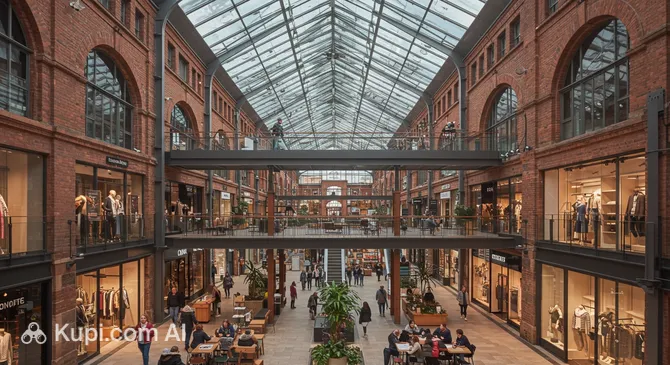
The city center is the main place for shopping. The Cathedral Quarter is particularly popular, known for its boutiques, designer stores, and cozy cafes. It is a wonderful place for a leisurely stroll and finding original items. Also, pay attention to streets like St Peter's Street and Cornmarket, which host many shops across various categories.

Cathedral Quarter. Illustration.
Source: Kupi.com AI

Traveler photos:

Shopping Centers

One of the largest and most popular shopping centers in Derby is Derbion (formerly known as intu Derby). Here, hundreds of stores are gathered under one roof, including flagship department stores, fashion retailers, electronics, home goods, as well as a large food court, restaurants, and a cinema. This is an excellent place for comprehensive shopping and entertainment. For more intimate shopping and unique items, head to the aforementioned Cathedral Quarter, which offers a different, more refined experience.

Markets

To feel the true spirit of the city and find fresh local produce, stop by Derby Market Hall. This historic indoor market, located in a beautiful Victorian building, offers a wide range of goods: from fresh fruits and vegetables, meat, and cheeses to clothing, flowers, souvenirs, and antiques. Also, check out the Markeaton Park Craft Village, where you can find local produce and handicrafts. Specialized farmers' or craft fairs are sometimes held in the city, which you can learn about from local event listings.

Markeaton Park Farm. Illustration.
Source: Kupi.com AI

Traveler photos:

Souvenirs: What to bring back from Derby?

If you are looking for something special as a memento of Derby, look for items from the famous Royal Crown Derby porcelain factory. Even if a full set isn't in your plans, you can find elegant small items or visit their visitor center. Other popular souvenirs include local sweets, such as traditional Derbyshire confectionery, craft beer from local breweries, books about the region's history and culture, and handmade items found in independent shops and markets.

Store Opening Hours and Payment

Most shops in Derby operate from Monday to Saturday, typically from 9:00 or 10:00 AM to 5:30 or 6:00 PM. Large shopping centers like Derbion may have longer opening hours, especially on Thursdays (often until 8:00 or 9:00 PM) and on Sundays (usually from 10:00/11:00 AM to 4:00/5:00 PM). Bank cards (Visa, Mastercard) are accepted almost everywhere, and contactless payment is widespread. Cash pounds sterling (£) are also in use, especially at markets and in small independent shops.

Tax Free

The VAT refund system (Tax Free shopping) for tourists in the UK has undergone changes. Currently, the possibility of a tax refund on most goods for tourists taking them out of the country is limited. We recommend checking current rules and conditions directly in stores or on official UK government websites before making major purchases.

Reached the end of the page?

That means the route is fully explored