Support

London Transport Museum

About

The London Transport Museum is a fascinating place for anyone interested in the history and development of urban transport. Located in Covent Garden, in a vibrant part of the capital of the United Kingdom, this specialized museum offers a unique journey through time, demonstrating how Londoners have moved around for centuries.
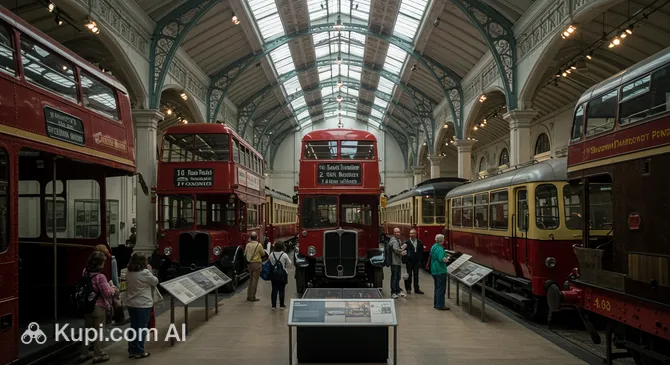
London Transport Museum. Illustration.
Source: Kupi.com AI

Traveler photos:

The museum's collection is truly impressive and covers the evolution of London's transport system since the 19th century. Here you can see everything from the very first horse-drawn omnibuses and famous cabs to later trams, double-decker buses, and, of course, historic London Underground carriages. Each exhibit tells its own story and immerses you in the atmosphere of the past.

The museum's exhibition is dynamic and constantly updated. Much of this is thanks to curator Oliver Green, who enthusiastically adds to the collection by finding vehicles that have just been retired from service on city routes. As a result, visitors can always see something new and relevant.

A visit to the London Transport Museum will be an educational and interesting experience for both adults and children, offering a better understanding of how one of the world's largest metropolises developed and the role public transport played in it. It is a must-visit for curious travelers!

Contacts

For the most up-to-date information on the London Transport Museum, including opening hours, ticket prices, and upcoming exhibitions, we recommend visiting the official website. There, you can also find other useful details to help plan your visit.

How to contactContact
AddressLondon WC2E 7BB, UK
Phone number+44 343 222 5000
Websiteltmuseum.co.uk

What to Do

At the London Transport Museum, visitors are immersed in the fascinating history of urban travel. You can see firsthand an extensive collection of historic vehicles that vividly demonstrate the evolution of London transport. Exhibits include the very first omnibuses that once roamed the city streets, nostalgic vintage cabs, as well as legendary double-decker trams and subway cars from various eras. Every vehicle is more than just an exhibit; it is a witness to its time.

Unique items are of particular interest. For example, you can see a gleaming 1829 omnibus, whose design shows a clear French influence—decorated with elegant wreaths of flowers and fleurs-de-lis. Also interesting are the double-decker trams, which, by running on smooth rails, could carry twice as many passengers as regular omnibuses. Additionally, the museum features expertly crafted scale models of vehicles, allowing for a detailed look at their design and construction.

The museum's layout is designed so that visitors can follow the entire chronology of London's transport development. The journey begins with surface travel and transitions smoothly into the history of the underground. Exhibitions are divided into thematic sections, allowing you to explore the development of the Tube first, followed by surface transport, providing a complete picture of how the look and rhythm of London changed with the arrival of new ways to get around.

Getting There

The London Transport Museum is conveniently located in the heart of the city, in the vibrant Covent Garden district. While some sources might mention other areas, the museum's actual location is Covent Garden, making it easily accessible for tourists exploring central London.

Getting to the museum is easy using the famous London Underground. The most direct route is to take the Piccadilly line to Covent Garden station. From the station exit, the museum is just a few minutes' leisurely walk away. Alternatively, you can use Leicester Square (Northern and Piccadilly lines) or Charing Cross (Bakerloo and Northern lines) stations, both of which are within walking distance, allowing you to enjoy the atmosphere of this historic neighborhood along the way.

In addition to the tube, many bus routes serve the Covent Garden area. This is a great option if you prefer surface transport or are coming from a part of London where the tube is less convenient. Information on specific bus numbers and stops can be found on the official Transport for London website or via online maps. Thanks to its central location, the London Transport Museum is also a pleasant walk from many other iconic landmarks in central London, such as Trafalgar Square or the West End theaters.

Nearest city: Kensington

History & Facts

The history of the London Transport Museum dates back to the 1920s. That was when the London General Omnibus Company, one of the main bus operators of the time, made the forward-thinking decision to preserve examples of vehicles being retired from service for future generations. This initiative laid the foundation for a unique collection that became the heart of the future museum and a testament to the rapid development of urban transport.

The museum officially opened to the general public in 1980, moving into its current home in the lively Covent Garden district. A quarter of a century later, in 2005, the museum temporarily closed its doors for a major renovation. After two years of work, in 2007, the updated and modernized museum reopened, offering an even more engaging journey into the history of London’s transport.

The museum's exhibitions detail the rich history of London's transport system, starting from the appearance of the first omnibuses in the 19th century. Interestingly, the very first London omnibuses were designed by George Shillibeer and even bore his name – "Shillibeer's omnibus." Notably, both omnibuses and the famous cabs were originally introduced to London from Paris but quickly became an integral part of Victorian city life. A major milestone was the introduction of trams in 1870: they started running earlier than omnibuses and offered cheaper fares, making public transport significantly more accessible to the working class.

Time Needed

To fully enjoy the London Transport Museum exhibitions, it is recommended to set aside 2 to 3 hours for your visit. This will be enough time to leisurely view all the exhibits, explore the interactive displays, and read the informative panels detailing the history of the city's transport system. You'll also have time to browse the museum shop for themed souvenirs.

If your time is limited, you can plan a shorter visit of about 1–1.5 hours. In this case, it's best to focus on the most iconic and interesting exhibits. For example, you could focus on the collection of historic buses or tube carriages, skipping some other sections. Even with an express tour, you'll get a good sense of what makes the museum unique.

Ultimately, the length of your visit will depend on your personal interest in transport history and your desire to delve into the details. The museum offers plenty of material to explore, and it's easy to spend several fascinating hours immersed in the history of London's streets and the underground.

Working Hours

The London Transport Museum is generally open to visitors throughout the week, though the schedule varies slightly. From Monday to Thursday, you can visit the museum from 10:00 to 18:00. On Fridays, the museum opens a bit later, from 11:00, and remains open until 18:00. As for weekends (Saturday and Sunday) and public holidays, it is recommended to check the current opening hours directly before your visit, as they are subject to change. This can be done on the museum's official website.

While pre-booking tickets is not always explicitly required, for popular London attractions, especially during peak seasons, it is often a good idea to avoid queues and guarantee entry. Therefore, when planning your visit to the London Transport Museum, it is worth checking the official website to see if you can or should book tickets in advance. There, you can also find the most up-to-date information on seasonal hours and special events.

10:00 – 18:00

Nearby

Visiting the London Transport Museum is undoubtedly a highlight, but don't stop there. Exploring the surrounding area can greatly enrich your trip to Kensington and allow you to discover even more interesting corners of this part of the United Kingdom.

There are many other notable places worth visiting near the London Transport Museum. From historic buildings and unique museums to bustling shopping streets and cozy squares, there is something for everyone. A stroll through the neighborhood will allow you to dive deeper into the atmosphere of Kensington and make your journey even more fulfilling and memorable.

NameDistance
Sir John Soane's Museum0.6 km
Horse Guards Parade0.9 km
Burlington Arcade1.3 km
Scala2.1 km
Duke of York Square3.5 km
Amy Winehouse Statue3.8 km
Abbey Road Crossing4.5 km

Have you reached the end of the page?

So the route has been studied inside and out