Support

Leek

About

Leek is a charming market town nestled in the heart of Staffordshire. Situated at the crossroads of picturesque hills and valleys, it attracts travelers with its authentic atmosphere and unique location. If you are planning a trip to the UK, this corner of the country is a wonderful example of the traditional English province, where modern comfort harmoniously intertwines with centuries-old traditions.
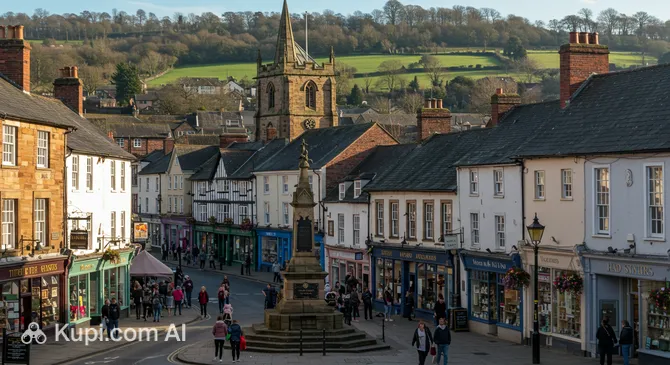
Leek. Illustration.
Source: Kupi.com AI

The town is often called the gateway to the Peak District National Park, making it an ideal base for hiking enthusiasts and lovers of breathtaking landscapes. Despite its compact size and a population of about 20,000, life here is vibrant. Leek is famous for its independent shops, art galleries, and cozy cafes that create a unique local flavor and support the community spirit.

Strolling through the streets, it is impossible not to notice the magnificent Victorian facades and ancient stone buildings. To learn more about how this architectural ensemble was formed, the history of Leek, which is rooted in the distant past, will help. The famous town market, which gathers guests from all over the surrounding area and offers the best local goods, deserves special attention.

A visit to Leek is an opportunity to take a break from the hustle and bustle of megacities and enjoy a leisurely pace of life. Whether it's searching for antiques, tasting local delicacies, or walking through the green surroundings, this welcoming town is sure to give you warm memories and inspiration for new discoveries.

Weather Overview

The climate in this region can be described as temperate, typical of central England. The weather here is quite mild, without extreme temperature fluctuations, which makes the town accessible for visiting all year round. Expect moderately warm summers with occasional rain and cool, but not freezing, winters.

The summer months bring the most comfortable conditions for walking around the area. July is considered the warmest time, with an average temperature of about 16.0°C and highs reaching nearly 20°C. Winters here are fairly moderate: in January, the thermometer stays around 4.0°C. However, tourists should be prepared for high humidity: precipitation falls evenly throughout the year, and the number of rainy days varies from 13 to 17 per month.

When packing for your trip, be sure to bring an umbrella or a waterproof jacket, as English weather is famous for its variability. To choose the ideal dates for your trip and plan your wardrobe correctly, we recommend checking the detailed weather in Leek in advance.

Average monthly temperature

Average monthly precipitation

Interesting Facts

Beyond the main attractions, Leek holds many fascinating secrets that make it a unique place on the map of the UK. This town can surprise you not only with its architecture but also with its rich cultural heritage hidden behind the facades of old buildings.
  • "Queen of the Moorlands". The town bears the proud unofficial title of "Queen of the Peak" or "Queen of the Moorlands" due to its location at the very gateway to the Peak District National Park. The local landscapes are so picturesque that they have served as a source of inspiration for many British artists and poets for centuries.

  • Silk History. In the 19th century, Leek was a major center for silk weaving, and local fabrics were exported all over Europe. Remarkably, the town has managed to preserve this heritage: many old factory buildings were not demolished but found a second life as art galleries, workshops, and cozy cafes.

  • The William Morris Connection. The name of the legendary designer and architect William Morris is closely linked to the town. It was in Leek that he studied ancient fabric dyeing techniques, which had a huge impact on the development of the Arts and Crafts movement. His works and ideas left an indelible mark on British design.

  • A Town of Treasures. Leek is famous for its unique traditions, such as the colorful May festival with street processions. Additionally, the town is known as a true mecca for collectors: antique fairs are held regularly here, where among the many old things you can find genuine treasures.

How to Get There

When planning a trip to Staffordshire, it is important to consider logistics in advance, as the town is located in a picturesque rural area away from major motorways. You can find more details on how to get to Leek to choose the most convenient route that combines speed and comfort.

Since there is no airport in Leek itself, the main way for international tourists to arrive is by flying into nearby major cities. The most convenient option is Manchester Airport (MAN), located in Manchester. This is a large international hub just 32.3 km from your destination. The journey by taxi or rental car from here will take about 1 hour and 10 minutes, making it the fastest option to start your journey through the region.

An alternative option is East Midlands Airport (EMA), located in Nottingham. The distance to Leek is approximately 55.8 km, and the driving time is about 1 hour and 45 minutes. This airport often hosts budget airlines, which can be beneficial for thrifty travelers.

It is also worth considering Liverpool John Lennon Airport (LPL), located in Liverpool, about 60.8 km from the town. The trip from here will take about 1 hour and 50 minutes. Although it is a bit further away, the availability of convenient flights may make this route attractive.

For clarity, here is a summary of the main airports:

AirportPassenger trafficDistance
Manchester Airport30.1 mln32 km
East Midlands Airport4 mln56 km
Liverpool John Lennon Airport5.1 mln61 km
Birmingham International Airport13.0 mln75 km
Leeds Bradford International Airport4.2 mln88 km

If you prefer ground transport, keep in mind that there is no railway station in Leek itself. The nearest major hubs are in neighboring cities, from where you will have to travel by bus or taxi. One of the key points is Manchester Piccadilly Station in Manchester, located about 46.3 km from Leek. The journey from the station to the town by car will take about 1 hour and 30 minutes.

Another important transport hub is Birmingham New Street station in Birmingham. It is further away, at a distance of 68.2 km, and the transfer from there will take about 2 hours. Travelers often take a train to these major stations and then change to local bus routes going to Staffordshire.

Below is a table with the nearest major railway stations for planning transfers:

StationPassenger trafficDistance
Manchester Piccadilly Station25.8 mln46 km
Chester Central Station4.5 mln58 km
Nottingham Railway Station7.1 mln61 km
Birmingham New Street Station35.3 mln68 km
Lime Street Station12.3 mln72 km

Main Attractions

The town of Leek and its surroundings offer travelers a rich variety of experiences, from breathtaking natural landscapes to a deep dive into history. If you are traveling through the UK in search of an authentic atmosphere, this corner of Staffordshire will be a great discovery.

Nature lovers should start their acquaintance with the region by visiting The Roaches. This impressive sandstone ridge rises above the moorland and offers magnificent panoramic views. The site is ideal for hiking and picnics. Nearby is the picturesque Rudyard Lake—a historic reservoir created to feed the canals. Here you can rent a boat, walk through woodland trails, or ride the miniature steam railway that runs along the shore.

In the very center of the town, the Nicholson Memorial serves as a dominant feature—a majestic clock tower that is one of the tallest monuments of its kind in the country. Architecture enthusiasts will be interested in All Saints Church. This building is famous for its exquisite Pre-Raphaelite stained glass windows and ancient Saxon crosses preserved in the churchyard, which testify to the settlement's centuries-old history.

The cultural life of the town is centered in the Foxlowe Arts Centre. Located in an elegant Georgian mansion, the center combines a gallery, cinema, and a cozy cafe, being a popular meeting place. Those interested in industrial heritage should visit the Brindley Water Mill. This working 18th-century water mill allows you to learn about the technologies of the past and the life of the famous engineer James Brindley.

The numerous antique shops and markets give Leek a special charm. The town is often called a collector's paradise: walking through the ancient streets, you can find unique interior items, books, and vintage pieces that will serve as an excellent reminder of your trip.

Local Cuisine

The gastronomic scene in Leek is a harmonious blend of old English traditions and a love for high-quality farm produce. A trip here is unimaginable without getting to know the region's main culinary symbol—Staffordshire oatcakes. Unlike the crunchy Scottish biscuits, these are soft, pancake-like creations. Locals and tourists enjoy them for breakfast or as a hearty snack, filled with melted cheese, ham, mushrooms, or bacon. This dish is considered a true hallmark of the county.

Fans of hearty cuisine should visit the cozy pubs and tea rooms that the town is famous for. Here, you will be offered classic English meat and vegetable pies, thick homemade soups, and fresh pastries. Dishes made from high-quality local beef and lamb are particularly popular. If you want to start your day the English way, be sure to order a traditional full breakfast—in Leek, it is prepared with special skill using ingredients from surrounding farms.

Among the drinks, products from small local breweries stand out. The town's bars and pubs offer an excellent selection of craft beers and traditional cider, which perfectly complement meat dishes. For those who prefer non-alcoholic drinks, tea rooms offer a wide range of tea, usually taken with milk and accompanied by desserts or scones.

The food culture in Leek is closely linked to its market history. Farmers' markets here are not just places of trade, but a magnet for foodies. The stalls are always abundant with fresh vegetables, artisanal cheeses, honey, and jams. Additionally, the town is known for its food festivals and street food fairs. These events gather guests from all over England and offer a unique opportunity to attend baking masterclasses and taste the region's best products in a lively and friendly atmosphere.

Travel Tips

Preparing for a trip to Leek is not difficult, but knowing a few nuances will make your holiday much more enjoyable. This cozy town in Staffordshire, the UK, lives at its own steady pace, which is easy to get used to if you follow a few simple recommendations.

  1. Clothing and Weather. Since the town is near the Peak District highlands, rain and wind are common even in summer. Be sure to bring a waterproof windbreaker and high-quality comfortable shoes. If you plan to walk around the historic center or on nature trails, ditch the heels in favor of trainers or boots.

  2. Transport Nuances. It is important to remember that there is no railway station in Leek itself. The nearest stations are in neighboring cities (Stoke-on-Trent, Macclesfield), from where you will have to take a bus. The best way to get around the town itself is on foot—all the main attractions are compactly located.

  3. Finances and Payment. The local currency is the British Pound (£). Although cards are accepted almost everywhere, we strongly recommend having some cash with you. You will need it at markets, in small antique shops, or for paying fares on some buses. ATMs are easy to find in the town center.

  4. Safety and Health. Leek is a very peaceful and safe town. However, as elsewhere, do not leave your belongings unattended. Pharmacies (such as Boots) are located on the main shopping street, but note that they usually close at 5:30 PM. In emergencies, dial 999, and for non-urgent medical advice, call 111.

  5. Communication and Internet. You won't have any problems with English, though the local accent might sound unfamiliar at first. Free Wi-Fi is available in most cafes and pubs. For constant connectivity, it's best to buy a local SIM card (O2, Vodafone, EE) at supermarkets or newsagents.

  6. Local Etiquette. Residents of Staffordshire are famous for their friendliness. It is customary to greet bus drivers and shop assistants. And the most important rule: always join the queue. Attempting to push in front of someone at a stop or in a shop will be seen as a serious breach of social norms.

  7. What to Avoid. Don't count on late public transport. Bus services to neighboring towns often end quite early in the evening (around 6:00 PM – 7:00 PM), especially on weekends. If you're out late, find out the numbers of local taxi services in advance.

  8. Shopping Tip. If possible, plan your visit for a Wednesday. This is the traditional market day, when the town literally transforms, and the streets are filled with stalls selling everything from farmhouse cheeses to the unique antiques for which Leek is so famous.

By following these practical tips, you can avoid minor logistical difficulties and focus on the main thing—enjoying the atmosphere of good old England. May your journey to Leek be comfortable, safe, and full of pleasant discoveries!

Entertainment & Nightlife

Nightlife in Leek has its own unique character, which is quite different from that of busy metropolises. You won't find huge nightclubs with neon signs open until dawn here. Instead, the town offers a cozy, warm, and authentic atmosphere in its traditional English pubs and bars. Evening entertainment here is primarily about socializing, tasting excellent drinks, and enjoying live music in an intimate setting.

The epicenter of evening life is the area around the Market Place and St Edward Street. This is where most of the establishments are concentrated, where locals and tourists gather after sunset. Leek is famous for its incredibly high concentration of pubs per capita and is considered a true mecca for lovers of real English ale. Many establishments have preserved their historical interiors, creating a sense of traveling back in time.

Among the specific places worth visiting, The Earl Grey pub stands out. This establishment has repeatedly received awards from CAMRA (Campaign for Real Ale) and is known for its huge selection of craft beers and ciders, as well as the complete absence of televisions and slot machines, which encourages lively conversation. Another local legend is The Blue Mugge, one of Leek's oldest pubs, where you can not only have a drink but also a hearty traditional dinner. For history buffs, The Roebuck Leek is an atmospheric choice—a building dating back to 1626 that often hosts live music evenings ranging from jazz to folk.

The atmosphere in Leek's venues is very relaxed and friendly. There is no strict dress code: a casual style (jeans and a shirt or sweater) will be appropriate almost everywhere. The crowd is diverse—from young people to elderly gentlemen discussing the latest news. Most pubs close around 11:00 PM or midnight, though on Fridays and Saturdays, some bars may stay open until 1:00 AM. Prices here are a pleasant surprise: a pint of beer or a cocktail will cost less than in neighboring Manchester.

In terms of safety, Leek is a very peaceful town. Walking through the center in the evening is generally safe, though the streets can be quite deserted and dark. The main advice for tourists is to take care of transport in advance. Services like Uber are unreliable here, so it is better to have the numbers of local taxis (such as Leek Taxis or A1 Taxis) handy and book a car in advance, especially on weekends when demand is high.

Regarding daytime and cultural entertainment, they harmoniously complement the evening leisure. During the day, you can visit local museums or walk through the parks, and in the evening, head to the Foxlowe Arts Centre. This multifunctional space features a cafe and gallery by day and hosts film screenings, theater productions, concerts, and comedy shows in the evening, being a vital part of the town's cultural life.

Parks & Museums

Despite its compact size, Leek offers guests a surprisingly harmonious combination of well-kept green spaces and a rich cultural program. Often called the "Queen of the Moorlands," the town carefully preserves its heritage, offering tourists the chance to stroll through Victorian gardens and immerse themselves in the history of the Industrial Revolution and art at local museums.

The main green oasis within the town is Brough Park. This classic Victorian park was gifted to the residents in the early 20th century and still retains the atmosphere of that era. Here you will find a traditional bandstand, well-tended flower beds, and shaded avenues perfect for a leisurely stroll. For active leisure, there are tennis courts, a bowling club, and a skate park, making it popular with both families and young people.

If you want to be closer to wild nature without leaving the vicinity of the town, head to Ladderedge Country Park. It is divided into two zones: meadows with grazing cattle and wooded areas with picturesque trails. From the park's heights, you can enjoy breathtaking views of the town of Leek and the majestic hills of the Peak District. It is an ideal location for picnics, bird watching, and sunset photoshoots.

The cultural heart of the town beats within the walls of the Nicholson Institute, which houses the Nicholson Museum & Art Gallery. The building itself is an architectural monument, and the exhibition inside is dedicated to the region's rich history of silk weaving and the textile industry. A special place in the collection is occupied by the works of the famous Leek Embroidery Society, whose exquisite Arts and Crafts style pieces are known far beyond England.

Another important site is the Brindley Water Mill, which is frequently mentioned in guidebooks. This is not just a historic building but a full-fledged museum dedicated to the life and work of the great engineer James Brindley. Visitors can see a fully restored 1752 mill mechanism in action, learn about the grain milling process in the 18th century, and appreciate the engineering genius of the past. The atmosphere here transports guests several centuries back in time.

For those seeking hidden gems, we suggest paying attention to the small temporary exhibitions at the Foxlowe Arts Centre. Although better known as an event venue, its galleries often showcase the work of talented local artists and craftspeople who rarely make it into major guidebooks but perfectly capture the spirit of modern Staffordshire.

Getting Around

The transport system in Leek is simple and logical, matching its status as a cozy market town. You won't find a metro, trams, or a complex network of commuter trains here. The town is compact enough that the historic center is most pleasantly and conveniently explored on foot. However, for trips to neighboring towns or natural attractions, you will need to use ground transport.

The primary and practically only form of public transport here is the bus. The main hub is Leek Bus Station, located in the Smithfield Centre area. From here, routes depart connecting the town with major railway hubs: Stoke-on-Trent, Macclesfield, and Buxton. The main operators are First Potteries and D&G Bus. The buses are modern, comfortable, and generally run strictly to schedule, though the number of services is significantly reduced on Sundays.

The fare payment system is very tourist-friendly. You don't need to look for kiosks to buy tickets in advance—everything is paid directly upon boarding the bus. The most convenient method is to use a contactless bank card or smartphone (Apple Pay, Google Pay). Simply tell the driver your destination and tap your device on the terminal. Cash payment is also possible, but it is strongly recommended to have small change, as drivers do not always have change for large notes.

If you plan to make several trips in one day, it is most economical to purchase a day pass (for example, a Day Ticket). This is bought from the driver during your first trip and entitles you to unlimited travel on the buses of the chosen operator within a specific zone. This will save money if you want to visit several neighboring villages or reach the start of hiking trails.

An important alternative to public transport is the taxi. Keep in mind that standard apps like Uber may work inconsistently or find no cars at all due to the region's remoteness. Locals and experienced tourists use local taxi firms (e.g., Leek Taxis or A1 Taxis). It's best to book a car by phone in advance, especially on Friday and Saturday evenings when demand spikes.

For those who prefer complete freedom of movement, car rental is an excellent option. This is especially relevant if Leek is your base for exploring the national park. There are plenty of municipal car parks in the town. Most operate on a "Pay and Display" basis: you buy a ticket from a machine (coins and cards accepted) and place it under your windshield. Paying for parking via mobile apps listed on information signs is also popular.

There are no specialized car-sharing services or city bike-rental systems in Leek. However, bicycles can be rented from private rental points, which is popular among outdoor enthusiasts. But remember that the terrain here is hilly, and cycling is used more for sport and nature outings than as a means of transport for getting around town.

Accommodation

The choice of accommodation in Leek will pleasantly surprise travelers looking for authenticity and home comfort. You won't find huge, soulless chain hotels here. The basis of the hotel stock consists of traditional English bed and breakfasts (B&Bs), charming guesthouses, and historic pubs offering rooms for guests (so-called Inns). This allows you not just to stay the night, but to immerse yourself fully in the atmosphere of old provincial England.

For those who prefer to be at the center of the action and have quick access to infrastructure, the area around the Market Place and St Edward Street is the best choice. Staying in this area provides walking distance to shops, cafes, museums, and the bus station, which is particularly convenient for tourists traveling without a car.

If your main goal is to enjoy nature and silence, you should look at accommodation options on the outskirts of town or in nearby villages closer to the national park and Rudyard Lake. Self-catering cottages and converted farmhouses are very popular in this zone. This is an ideal option for families or long stays, allowing you to feel like a local resident.

The price range in Leek can be described as moderate. It is easy to find comfortable accommodation at a reasonable price, which will often be cheaper than similar options in more popular tourist centers nearby, such as Buxton. For the most budget-conscious travelers, campsites and glampsites are available in the picturesque surroundings during the summer season.

Regarding booking, we strongly recommend taking care of accommodation in advance, especially if your trip is planned for the summer months or falls on the days of local festivals. Since the number of rooms in small historic hotels is limited, the best options are snapped up quickly. Most properties are available on popular online platforms, though many family-run guesthouses also take direct bookings by phone or through their own websites.

Nearby Cities

For those looking to explore the surrounding area, Leek serves as an excellent starting point for day trips to several interesting nearby locations. Just next door is Stoke-on-Trent, world-famous as a center of pottery production, where you can visit unique ceramics museums and factory shops. It is also worth visiting Macclesfield—a town with a rich silk heritage and the gateway to the neighboring county of Cheshire. Lovers of ancient architecture and leisurely walks will enjoy Congleton, famous for its historic buildings and the cozy atmosphere of a traditional market town.

CityPopulationDistance
Biddulph19 89210 km
Burslem11 31414 km
Kidsgrove23 75615 km
Congleton28 49715 km
Stoke-on-Trent372 77516 km

These nearby destinations provide a glimpse into the diverse culture and landscapes of the region. A short bus or car ride will reveal entirely new facets of Staffordshire and Cheshire, harmoniously complementing your experience of visiting Leek.

Shopping & Souvenirs

Shopping:

Shopping in Leek is a pleasant alternative to the hustle and bustle of giant shopping malls. The town prides itself on its independence and support for local producers. Travelers visiting the UK in search of unique finds will love the local atmosphere: family businesses, antique shops, and craft workshops operating under the "Totally Locally" initiative rule the roost here.

The main shopping artery is Derby Street, where well-known British brands sit alongside cozy private shops. If you're looking for something more unusual, turn onto St Edward Street. This street is famous for its bohemian atmosphere, vintage clothing stores, and interior design salons. No less picturesque is the Sheep Market area, where historical architecture provides a beautiful backdrop for shopping strolls.

A true hidden gem of Leek is Getliffe’s Yard. This early 19th-century cobbled alley is covered by an elegant glass dome. Inside this atmospheric space, you'll find jewelry workshops, clothing boutiques, a chocolatier, and a cafe. Here, shopping becomes a genuine aesthetic pleasure, far removed from standard consumption.

The heart of commerce in Leek is its markets in the Market Place. Every Wednesday, the traditional Charter Market takes place, with a history spanning centuries. Tourists should note the special schedule for gastronomic events: the famous Fine Food Market takes place on the third Saturday of every month. Additionally, on the first Sunday of the month, the town comes alive with the "Sunday Supplement" fair, where unique handmade goods can be found. The indoor Butter Market is open in any weather, offering fresh produce and vintage trinkets.

As souvenirs from Leek, people primarily take antiques—the town is considered one of the best places in the region for finding old treasures. A gastronomic symbol is the Staffordshire oatcakes, which can be bought at local bakeries, as well as farmhouse cheeses. Proximity to Stoke-on-Trent ensures an excellent choice of ceramics from local potters.

Most shops are open Monday to Saturday from 09:00 to 17:00. Sunday is a day off for many independent shops, though supermarkets may operate on reduced hours. Bank cards are accepted everywhere, but it's better to have some cash pounds for purchases at the markets.

Important information about the Tax-Free system: after the country left the European Union, the rules changed. The VAT refund scheme for international tourists when purchasing goods in stores no longer applies. The price on the tag is final, and you will not be able to get a tax refund at the departure airport.

Reached the end of the page?

That means the route is fully explored