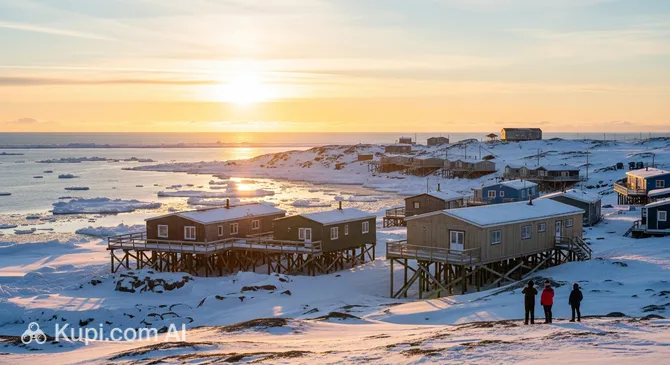
Shopping in Barter Island is a strictly utilitarian experience that reflects the remote, subsistence-based lifestyle of the Iñupiat community. Visitors should not arrive expecting to find souvenir shops, boutiques, or fashion outlets. The commercial landscape in the village of Kaktovik is minimal, designed primarily to supply residents with food, fuel, and basic household necessities. However, for those interested in authentic cultural artifacts, the island offers a rare opportunity to purchase handmade crafts directly from local artisans, providing a meaningful connection to the people of the North Slope.
There are no designated shopping districts or bustling high streets in Kaktovik. The retail "scene" is effectively limited to the village's single general store, often referred to simply as the Kaktovik City Store. Located centrally within the small community, this establishment serves as the grocery store, hardware supplier, and general meeting point. Travelers can find snacks, basic toiletries, and cold-weather gear here, but selections are limited. Be prepared for "bush prices"—due to the high cost of air freight, everyday items can cost significantly more than they do on the mainland.
Travelers looking for large retail complexes will find none here. There are no shopping malls, department stores, or chain retailers on Barter Island. The infrastructure is built for survival and community function rather than consumerism. If you require specialized equipment, camera gear, or specific clothing brands for your expedition, you must purchase these in a major hub like Fairbanks or Anchorage before boarding your flight to the island.
While there are no formal flea markets or bazaars, the concept of a market exists in a more personal, informal way. Local artists often sell their work from their homes or through small displays in the lobbies of the village's lodgings, such as the Waldo Arms Hotel. Occasionally, community gatherings may feature tables with handmade goods, but these are sporadic and not geared specifically toward tourists. The best way to find these items is to ask your tour guide or hotel host if any locals are currently selling crafts.
The most valuable items to bring back from Barter Island are authentic Iñupiat handicrafts. The village is home to skilled artisans known for their intricate beadwork, skin sewing, and carving. You may find beautifully crafted mukluks (traditional boots), fur mittens, or hand-sewn parkas designed to withstand the Arctic cold. Carvings made from baleen or walrus ivory are also highly prized; however, international travelers must be extremely cautious regarding export regulations for marine mammal products, as strict laws often prohibit taking these items across borders.
Store hours in Kaktovik can be variable and may change based on the season or staffing availability. Generally, the local store operates from late morning until early evening, often closing for a lunch break. It is typically closed or has reduced hours on Sundays. Regarding payment, cash is the most reliable method. While the store may accept credit cards, the internet connection on the island is satellite-based and prone to outages due to weather, rendering card machines useless. Always carry enough US dollars to cover your purchases.
One financial benefit for visitors is that the state of Alaska does not impose a state sales tax. While local municipalities can levy their own taxes, the lack of a statewide tax generally simplifies pricing. However, given the high base cost of goods in this remote location, the absence of tax does not necessarily equate to a bargain. The true value of shopping here lies in the uniqueness of the local art rather than the price of goods.