Support

Prudhoe Bay

About

Prudhoe Bay is a destination defined by extremes, offering a unique travel experience at the very edge of the North American continent. Located on the coast of the Arctic Ocean in the vast state of Alaska, this community is famous for being the northern terminus of the Pan-American Highway system. While it primarily functions as an industrial hub, it attracts intrepid adventurers from across the United States and the world who are eager to reach the "Top of the World."

The geography of the region is characterized by flat, treeless tundra that stretches as far as the eye can see, creating a starkly beautiful landscape. The climate is strictly Arctic, featuring long, harsh winters and a brief summer season where the Midnight Sun provides 24 hours of daylight. Although the population is recorded at approximately 2,114, the community largely consists of rotational workers supporting the nearby oil fields, giving the area a distinct, busy atmosphere unlike any standard tourist town.
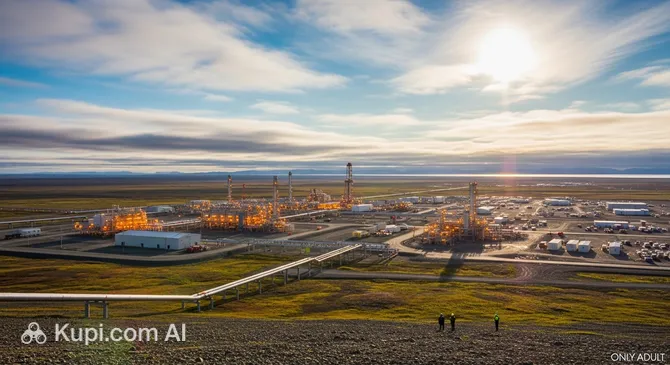
Prudhoe Bay. Source: Kupi.Binoculars

The existence of this settlement is inextricably linked to the energy sector. Exploring the history of Prudhoe Bay reveals how the discovery of massive oil reserves transformed a remote stretch of wilderness into a vital economic center. This industrial heritage is visible throughout the area, creating a fascinating contrast against the backdrop of the wild Arctic environment.

For visitors, the journey is often as significant as the destination. Many arrive via the famous Dalton Highway, a rugged road that offers spectacular views and wildlife spotting opportunities, including caribou, muskoxen, and grizzly bears. Once in Prudhoe Bay, a key highlight is taking an authorized tour to the Arctic Ocean shoreline, where brave travelers can dip their toes into the icy waters. It is a bucket-list achievement for those who love road trips and remote frontiers.

If you are seeking a travel experience that goes beyond the ordinary, Prudhoe Bay invites you to witness the raw power of nature and industry side by side. It is a challenging but rewarding destination for those willing to venture to the northernmost point of the American road network.

Weather Overview

The climate in this region is strictly Arctic, dominated by long, freezing winters and a short, cool summer season. During the peak of winter in January and February, average temperatures plummet to approximately -25.5°C, with extreme lows dipping near -29°C. Travelers should be prepared for biting cold, though these months are generally dry with negligible precipitation.

Summer offers a brief respite, with July being the warmest month, averaging 9.6°C and occasionally reaching highs of 13.5°C. Although the actual volume of rainfall is minimal, often measuring just 1-2mm, the season can be surprisingly damp; August, for instance, records about 14 wet days. To help plan your trip around these unique conditions, you can view the detailed weather in Prudhoe Bay.

Overall, expect cool summers with frequent light moisture and extremely cold, dry winters.

Interesting Facts

Beyond the main attractions, Prudhoe Bay holds many fascinating secrets that distinguish it from any other destination in North America. Here are some intriguing facts about this remote outpost:
  • The "Town" of Deadhorse: While the area is geographically known as Prudhoe Bay, the actual community where visitors arrive is called Deadhorse. It is a unique settlement with no permanent residents, schools, or private homes, functioning entirely as a lodging and support hub for rotational workers.

  • Restricted Ocean Access: Driving to the end of the continent comes with a catch. The public road ends a few miles short of the water, and because the shoreline sits on secured private oil leases, you must take a special authorized shuttle to actually dip your toe in the Arctic Ocean.

  • Strictly Business: Life at the top of the world is disciplined. The area is largely a "dry" community, with alcohol strictly prohibited in most camps and accommodations to ensure safety in the harsh, high-stakes work environment.

  • Pipeline Mile Zero: This location marks the beginning of the massive Trans-Alaska Pipeline System. From this point, oil begins an incredible 800-mile journey south to Valdez, crossing mountain ranges and permafrost terrain.

How to Get There

Reaching the northern edge of Alaska is a journey that requires planning, as the options are limited by the remote Arctic environment. While many adventurers dream of driving the Dalton Highway, flying is the most practical year-round option for those not looking for an extreme road trip. You can explore all ways to reach the city in our detailed transport guide.

The primary air gateway for visitors and workers alike is Prudhoe Bay/Deadhorse Airport (SCC). Located directly in the settlement of Prudhoe Bay, this facility is the lifeline of the community. It is situated just 4.3 km from the center, making the transfer relatively quick. A trip by taxi or shuttle is typically a short drive, taking approximately 5-10 minutes, depending on weather conditions. Despite its remote location, the airport handles a significant volume of traffic due to the oil industry, ensuring regular connections to major Alaskan hubs like Anchorage and Fairbanks. You can find more information about Prudhoe Bay/Deadhorse Airport on its dedicated page.

For clarity, here is a summary of the main airport:

Airport Name City Passenger Traffic Km from City
Prudhoe Bay/Deadhorse AirportPrudhoe BayMedium4.3

There are no railway services extending to the Arctic coast of Alaska. The state's rail network ends far to the south in Fairbanks. Consequently, travelers who do not fly must rely on the rugged Dalton Highway, a haul road that connects the region to the rest of the continent.

Main Attractions

While Prudhoe Bay is primarily an industrial complex rather than a traditional tourist hub, it offers a few unique experiences for those who make the long journey north. The attractions here are defined by the extreme latitude, the raw beauty of the tundra, and the massive engineering feats of the oil industry.

One of the main reasons travelers visit is to see the Arctic Ocean. Since the waterfront is located within a secure oil field, you cannot drive there yourself. Instead, visitors must book a seat on a specialized shuttle tour. This tour provides the only public access to the gravel beaches, where adventurous souls often take a "polar plunge" into the icy waters to mark their arrival at the top of the continent.

Another significant landmark is the start of the Trans-Alaska Pipeline. This engineering marvel, which snakes its way south across the state, begins its journey right here at Mile 0. Viewing the massive infrastructure up close gives visitors a sense of the scale of operations in the region and the complexity of transporting resources across such a harsh environment.

For road trippers, the official end of the Dalton Highway is a mandatory photo opportunity. After driving hundreds of miles on the rugged "Haul Road," standing next to the sign that signifies the northernmost point of the contiguous road system is a badge of honor. It serves as the ultimate proof of completing one of the world's most challenging drives.

Finally, the area is surprisingly rich in Arctic Wildlife. Despite the heavy industrial activity, the open tundra surrounding the complex is home to herds of caribou and shaggy muskoxen. These prehistoric-looking creatures are often spotted grazing near the roads and buildings, offering incredible photography opportunities against the backdrop of the vast, treeless horizon.

Local Cuisine

The culinary scene in Prudhoe Bay is entirely unique, shaped by its identity as an industrial work camp rather than a traditional tourist town. You will not find street food stalls, trendy bistros, or fine dining restaurants here. Instead, the "gastronomy" revolves around the hearty, high-calorie fare served in the dining halls of the local hotels and work camps, designed to fuel oil field workers for long shifts in the Arctic cold.

The main dishes worth trying are found at the legendary "all-you-can-eat" buffets provided by the accommodations in Deadhorse. These cafeterias are famous for their abundance and quality, often surprising visitors with the variety available this far north. Prime rib and thick steaks are staples, ensuring that diners leave satisfied. A true highlight for many travelers is the weekly "Seafood Night" (often on Fridays), where mounds of Alaskan King Crab legs and shrimp are served, offering a taste of the state's famous seafood bounty right on the shores of the Arctic Ocean.

When it comes to drinks, it is crucial for visitors to understand the local regulations. Prudhoe Bay is largely a "dry" community to ensure safety in the hazardous industrial environment. You will not find bars, pubs, or liquor stores, and alcohol is generally prohibited in dining areas. The most popular beverage is undoubtedly coffee, which flows freely 24 hours a day to keep the workforce alert. Soft drinks, juices, and plenty of water are the standard accompaniments to meals.

The food culture is defined by communal dining. Tourists and truck drivers sit side-by-side with oil executives and roughnecks at long tables, creating a social atmosphere that is egalitarian and friendly. Eating here is an immersive experience where the focus is on fueling up and sharing stories of the road. Since there are no standalone restaurants, your dining experience will almost certainly take place within your hotel, where meals are typically included in the price of the room, making the process simple and efficient for weary travelers.

Travel Tips

Visiting Prudhoe Bay is a true adventure into the industrial heart of the Arctic, far removed from the comforts of a typical vacation destination. Since this is primarily a working settlement known as Deadhorse rather than a standard tourist city, being well-prepared is essential to ensure your journey to the "Top of the World" is safe and enjoyable.

  1. Clothing and Gear: The weather here is unpredictable and extreme. Even in summer, you must dress in layers, including a waterproof, windproof outer shell. A crucial accessory for summer visits is high-quality insect repellent and a head net, as the mosquitoes on the tundra can be ferocious. If you are visiting in the colder months, heavy-duty insulated parkas, thermal boots, and face protection are mandatory survival gear, not just fashion choices.
  2. Transportation: There is no public transport system like buses or taxis in Prudhoe Bay. Most visitors arrive by their own vehicle via the Dalton Highway or by plane. Once in Deadhorse, the area is spread out and industrial; you largely rely on your own car or hotel shuttles to get between the airport and lodging. Note that walking long distances is discouraged due to heavy industrial traffic and the potential presence of wildlife.
  3. Finances: The local currency is the US Dollar (USD). While the few hotels and the general store accept credit cards (Visa and Mastercard are widely used), it is wise to carry some cash for small incidental purchases. Be prepared for "Arctic prices"—fuel, food, and supplies are significantly more expensive here than in the rest of the US due to the high cost of transportation to this remote location.
  4. Health and Safety: This is bear country. Both grizzly and polar bears can roam near the settlement, so always stay alert and never walk alone in isolated areas. Medical facilities are limited to clinics designed for oil field workers; for serious emergencies, medevac to Fairbanks is required. Always carry a personal supply of prescription medications, as there is no public pharmacy.
  5. Communication: English is the primary language spoken. Mobile phone coverage can be spotty; major US carriers like AT&T may have service, but GCI is the dominant provider with the best coverage in rural Alaska. Wi-Fi is generally available in the hotels, though speeds may be slower than what you are used to. It is highly recommended to download offline maps before you arrive.
  6. Local Etiquette: Deadhorse is a working camp, not a resort. The atmosphere is friendly but disciplined. A strict "clean indoors" policy is common; you may be asked to wear disposable blue booties (often provided at entrances) over your shoes to keep the mud and oil out of living quarters and dining halls. Respect the privacy and sleep schedules of workers who are working long shifts.
  7. What to Avoid: Strictly avoid bringing alcohol. Prudhoe Bay is largely a dry community to ensure safety in the hazardous industrial environment. Possession of alcohol in restricted areas or dry camps can lead to immediate expulsion from the premises. Also, never attempt to enter restricted oil field access roads without authorization; security is tight.
  8. Additional Tip: If you visit during the summer, bring a high-quality eye mask for sleeping. The phenomenon of the Midnight Sun means the sun does not set for weeks, and your body clock may struggle to adjust to 24 hours of daylight without a darkened room.

By respecting the unique rules of this industrial outpost and preparing for the elements, you will find Prudhoe Bay to be a fascinating destination. It is a place where the resilience of the human spirit meets the raw power of the Arctic, offering memories that few other travelers possess.

Entertainment & Nightlife

Travelers expecting a vibrant scene of nightclubs, cocktail bars, or bustling entertainment districts will find Prudhoe Bay to be a completely different world compared to the rest of the United States. As a dedicated industrial support hub for the North Slope oil fields, the community is strictly functional and, most importantly, "dry." This means there are no bars, pubs, night clubs, or liquor stores anywhere in the settlement. The sale and possession of alcohol are prohibited in the vast majority of accommodations and work camps to ensure safety in this high-risk environment.

Instead of traditional nightlife, the "evening entertainment" revolves around camaraderie and relaxation within the common areas of the lodging facilities. The atmosphere is quiet, casual, and focused on recovery after long work shifts. The dress code is strictly utilitarian; after removing their heavy work boots at the mudrooms (a mandatory practice), you will find residents and visitors alike lounging in socks or slippers, wearing comfortable sweatpants or jeans. It is a place for low-key socializing, swapping stories with oil workers, truck drivers, and fellow adventurers.

The social hubs of the town are the dining halls and recreation rooms of the major hotels. The Prudhoe Bay Hotel is one of the primary venues where life happens. Its expansive dining area serves as the community living room, open 24 hours a day. Here, you can find people playing cards, watching satellite TV, or enjoying endless cups of coffee. Another key spot is the Aurora Hotel, which offers similar amenities, including fitness centers and lounge areas with pool tables. These venues are where the "nightlife" occurs, consisting of a warm meal and a friendly chat rather than loud music and dancing.

For many visitors, the true nightlife is provided by nature itself. In the winter months (late September to April), the lack of light pollution makes this one of the best places on Earth to view the Aurora Borealis. Stepping outside your hotel to watch the Northern Lights dance across the arctic sky is a spectacle that rivals any club performance. Conversely, during the summer, the "night" entertainment is the surreal experience of the Midnight Sun, where sunlight persists at 2:00 AM, allowing for wildlife viewing and photography around the clock.

Safety is the primary concern during evening hours. While the area is free from urban crime, the environmental hazards are real. You should never walk between buildings or wander into the outskirts at night without checking with hotel staff, as polar bears and grizzly bears are known to roam the area. Taxis are not available in the traditional sense; you typically rely on your own vehicle or designated hotel shuttles to move between the airport and your lodging.

Regarding daytime entertainment, options are equally unique and limited. There are no museums, theaters, or amusement parks. The main activity is taking the authorized shuttle tour to the Arctic Ocean or photographing the famous "End of the Dalton Highway" sign. For those interested in the local ecosystem, simply driving the open roads (where permitted) offers a chance to spot caribou, muskoxen, and arctic foxes, transforming the landscape itself into a living open-air attraction.

Parks & Museums

Prudhoe Bay is a destination that defies the traditional definition of tourism; you will not find manicured city parks, botanical gardens, or curated art galleries here. Instead, the "green spaces" are vast stretches of wild tundra, and the "museums" are massive feats of engineering that stand as open-air monuments to industrial history. The cultural heritage of this settlement is defined by the intersection of raw Arctic nature and human perseverance.

The Alaskan Tundra serves as the region's ultimate natural park, surrounding the industrial complex with miles of treeless, pristine wilderness. Unlike a fenced city park, this is a boundless ecosystem where the ground is permanently frozen just below the surface. For visitors, it offers a stark, mesmerizing beauty, particularly in summer when the permafrost melts slightly to create wetlands teeming with migratory birds. It is a place to observe nature in its most rugged form, where herds of caribou and muskoxen graze freely, often right next to the roadways.

The Arctic Ocean Shoreline is the other significant natural area, functioning as the community's unique "beach." While access is restricted due to security protocols, authorized tours take visitors to the gravel shores of the Beaufort Sea. This is not a place for sunbathing, but standing at the edge of the polar ice cap is a profound experience. It offers a rare connection to the global water cycle at the very top of the world, and for the brave, a quick dip in the freezing water is a rite of passage.

In terms of cultural venues, the Trans-Alaska Pipeline System acts as the area's most prominent "living museum." The start of this 800-mile engineering marvel is located here, marked by Milepost 0. Viewing the massive 48-inch diameter pipes and the sophisticated pumping infrastructure provides a tangible lesson in the history of energy and technology. It is a site that tells the story of the 1970s oil boom and the immense challenges of transporting resources across a frozen continent.

The Dalton Highway Terminus serves as an informal historical monument. Located at the end of the public road system, the famous sign marking the northernmost point of the highway is a gallery of stickers and memories left by travelers from around the globe. It stands as a testament to the adventurous spirit of those who journeyed hundreds of miles on gravel roads to reach this remote outpost. While not a building, it is the focal point of the area's travel culture.

For a more intimate look at local history, the common areas of the Prudhoe Bay Hotel and Aurora Hotel often function as makeshift galleries. The walls are frequently adorned with historical photographs of the early days of the oil fields, maps of the North Slope, and taxidermy displays of local wildlife. These informal exhibits offer visitors a glimpse into the daily life and evolution of this unique working community without the need for a ticket or a guide.

Insider Tip: Keep your camera ready even when you are just moving between buildings. The area around the hotels and the airport often acts as an accidental "zoo," where Arctic foxes and muskoxen are frequently seen wandering through the parking lots, offering wildlife viewing opportunities that rival many national parks.

Getting Around

Visitors planning a trip to Prudhoe Bay must immediately adjust their expectations regarding mobility, as the local infrastructure differs significantly from that of a standard city. As an industrial enclave primarily supporting the oil fields, the area does not possess a public transportation network. There are no subways, trams, municipal buses, or fixed-route trolleybuses operating here. The roads are dominated by heavy machinery, tanker trucks, and pickup trucks, designed exclusively for industrial logistics rather than public transit.

For tourists and independent travelers, the primary method of getting around locally is via shuttles provided by the lodging facilities. The major accommodations in the settlement, often referred to as Deadhorse, operate their own vans to transport guests between the airport and the hotels. These services typically function on an on-demand basis or are synchronized with the arrival and departure of scheduled flights, serving as the main lifeline for those without a personal vehicle.

Regarding payment and ticketing, the system is refreshingly simple because it is virtually non-existent. There are no travel cards, transport apps, zones, or ticket kiosks to navigate. The hotel shuttles are generally provided as a complimentary service included in the cost of your stay. You do not need to purchase a ticket or validate a pass; simply coordinate with the front desk or the logistics coordinator at your accommodation to arrange a pick-up or drop-off.

Travelers should be keenly aware that commercial taxi services and modern ride-hailing apps are completely unavailable in this remote location. You cannot hail a cab on the street or book a ride via a smartphone. If you have not arrived in your own rental vehicle via the Dalton Highway, you will be entirely dependent on your hotel's transport services for local mobility. Bike rentals are also not a standard option due to the rough terrain and safety regulations.

A critical piece of practical advice for all visitors is that walking between buildings or exploring on foot is strongly discouraged and often prohibited. This is due to the constant presence of heavy industrial traffic and the very real danger of wildlife, including grizzly and polar bears that frequent the area. For your safety, you should always use a vehicle to move from one point to another, even for relatively short distances.

The only specialized "public" transport experience available to tourists is the authorized shuttle tour required to reach the Arctic Ocean. Since the waterfront is located on private leased land within a security zone, you cannot drive there yourself. You must book a seat on this specific tour, usually available through the local hotels, which serves as the only authorized means to cross the security checkpoint and access the water.

Accommodation

Where to Stay:

Finding a place to stay in Prudhoe Bay is a unique experience that differs significantly from typical tourist destinations. The accommodation options here are primarily designed as industrial support facilities, often referred to as "camps," catering to the workforce of the North Slope oil fields. Travelers should not expect luxury resorts, budget hostels, or charming bed and breakfasts. Instead, lodging is functional, utilitarian, and built to withstand the harsh Arctic climate.

The main area for visitors to stay is the settlement of Deadhorse, which serves as the logistical hub for the region. This is where the limited number of hotels are located, conveniently situated near the end of the Dalton Highway and the local airport. Staying here places you in the center of activity, close to the general store and the shuttle pick-up points for Arctic Ocean tours. There are no other neighborhoods or districts; Deadhorse is the singular cluster of civilization in the area.

Two of the most prominent establishments available to tourists are the Prudhoe Bay Hotel and the Aurora Hotel. These facilities operate somewhat like all-inclusive lodges. Since there are no standalone restaurants in the settlement, the cost of a room typically includes unlimited access to the dining hall buffets, which are famous for their hearty and abundant food. Guests should be prepared for a communal atmosphere and strict house rules, such as wearing disposable shoe covers indoors to keep the floors clean from industrial mud and gravel.

When planning your trip, it is crucial to book your accommodation well in advance. During the short summer tourist season and peak industrial periods, rooms can fill up quickly with rotational workers and organized tour groups, leaving little availability for last-minute travelers.

Regarding costs, visitors should anticipate a mid-to-high price range. While the amenities are basic and rooms may have shared bathrooms, the rates are higher than average due to the extreme remoteness of the location and the inclusion of all meals in the price. Booking is typically done directly through the hotel websites or by phone, as these specialized lodgings may not always appear on standard global hotel booking platforms.

Nearby Cities

For those interested in exploring the wider North Slope region beyond the immediate industrial complex, there are several fascinating destinations within reach. Due to the vast distances and the limited road network in the Arctic, visiting these communities often requires air travel or careful logistical planning, but they offer a deeper understanding of life at the top of the world.

One of the closest neighbors is Kuparuk, located approximately 28 km away. Like Prudhoe Bay, it is a significant industrial hub centered around oil production. A visit here offers a broader perspective on the massive engineering efforts required to operate in the Arctic, showcasing additional infrastructure and camp life that supports the energy sector on the North Slope.

For a completely different experience, Nuiqsut is situated roughly 98 km from the industrial complex. This traditional Iñupiat village is located on the Nechelik Channel of the Colville River. It provides a unique opportunity to witness the authentic lifestyle of the indigenous people of the Arctic, offering insights into their subsistence culture, history, and deep connection to the tundra landscape.

Although it requires a longer journey, Utqiagvik (formerly known as Barrow) is the largest city in the region and the northernmost community in the United States. It serves as the cultural and administrative capital of the North Slope. Visitors here can explore the Iñupiat Heritage Center, see the iconic Whale Bone Arch, and experience a bustling Arctic community that blends modern living with ancient traditions.

City Population Distance (km)
Utqiagvik 4000 330
Wainwright 3600 436
Kuparuk 2000 28
Nuiqsut 539 98
Fort Yukon 500 429

These nearby destinations offer a glimpse into the diverse culture and landscapes of the region.

Shopping & Souvenirs

Shopping in Prudhoe Bay is a unique experience that reflects the industrial and remote nature of the settlement. Unlike traditional tourist destinations, there are no shopping boulevards, fashion boutiques, or sprawling retail centers here. The retail scene is strictly utilitarian, designed primarily to support the daily needs of the oil field workforce and the few intrepid travelers who make the journey north. Visitors should expect functionality over variety, with a focus on survival gear, basic necessities, and specific memorabilia commemorating their trip to the top of the continent.

The main—and essentially only—shopping destination in the area is the Brooks Range Supply, often referred to by locals simply as the "General Store." Located in the heart of the Deadhorse industrial complex, this establishment is a lifeline for the community. It functions as a hardware store, convenience shop, and post office rolled into one. Here, you can find everything from heavy-duty winter boots and work gloves to toiletries, snacks, and electronic accessories. It is the go-to spot for replacing any gear that may have failed during the long drive up the Dalton Highway.

Aside from the general store, the only other "shopping districts" are the small gift shops or kiosks located within the major lodging facilities, such as the Prudhoe Bay Hotel and the Aurora Hotel. These small counters are convenient for guests and offer a curated selection of items tailored specifically to visitors. They are often the best places to find postcards, stamps, and small gifts without having to navigate the industrial roads of the settlement.

Travelers looking for shopping malls will not find them in Prudhoe Bay. The sheer logistics of building and heating large retail spaces in the Arctic, combined with the transient nature of the population, make such facilities unnecessary. Similarly, there are no open-air markets, flea markets, or food bazaars. The climate is simply too harsh to support outdoor commerce, and the food supply is centrally managed through the hotel dining halls rather than individual grocery shopping.

Despite the limited options, the souvenir hunting here is quite special because the items represent a significant achievement. The most popular purchases are merchandise branded with "Deadhorse, Alaska" or "End of the Road." Travelers eagerly buy stickers, patches, and T-shirts that serve as proof that they survived the Dalton Highway and reached the Arctic Ocean. You may also find locally crafted items, such as mugs or hoodies, which make for excellent conversation starters back home. Occasionally, the hotel shops may stock small handicrafts made by indigenous artists from nearby villages, though these are less common than industrial-themed memorabilia.

Opening hours in Prudhoe Bay are generally designed to accommodate the shifts of the workers. The general store typically operates during standard business hours, roughly from 8:00 AM to 5:00 PM or 6:00 PM, though it may have reduced hours on weekends. The hotel gift shops are often accessible whenever the front desk is staffed, which is usually 24/7, although the selection might be locked away late at night. Payment is straightforward; the United States Dollar (USD) is the currency, and credit cards (Visa and Mastercard) are widely accepted. However, be prepared for "Arctic pricing"—goods here are significantly more expensive than in the lower 48 states due to the high cost of air freight and trucking.

regarding taxes, visitors will be pleased to know that the state of Alaska does not impose a state-level sales tax. While local boroughs can levy their own taxes, the lack of a state tax helps slightly offset the higher prices of goods in this remote region. However, there is no specific "tax-free" refund system for international tourists like those found in Europe; the price you see is generally the price you pay.

Reached the end of the page?

That means the route is fully explored