Support

Bluefield

About

Bluefield is a picturesque and cozy corner nestled in the heart of the Appalachians on the border of two states: West Virginia and Virginia. This city in the USA attracts travelers with its unique atmosphere, where majestic nature harmoniously blends with urban comfort. Surrounded by dense green forests, Bluefield is especially beautiful in autumn, when the mountain slopes are painted in vibrant golden and crimson tones.
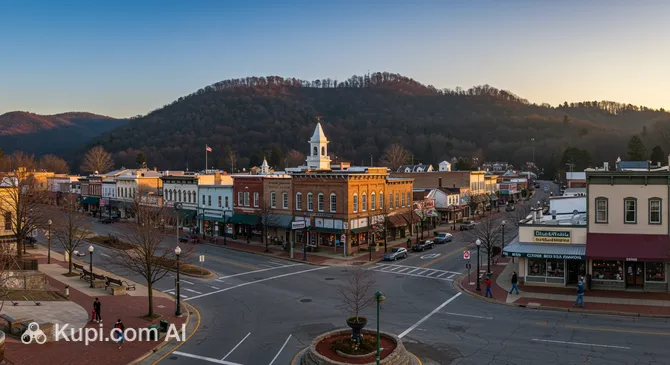
Bluefield. Illustration.
Source: Kupi.com AI

Despite its modest size and a population of about 9,700 people, the city is an important cultural and transport hub for the region. A spirit of hospitality reigns here: locals are always happy to share interesting stories or recommend the best place to relax. Walking through the streets, you can notice a whimsical mix of modern buildings and historic structures that capture the rich history of Bluefield.

The city is often called the "heart of the Blue Ridge" for its breathtaking landscapes and strategic location. This place is ideal for those seeking peace away from the hustle and bustle of major metropolises. Here, time seems to slow down, allowing you to enjoy leisurely strolls, cozy evenings in local cafes, and an introduction to the authentic American heartland.

If you dream of a journey filled with natural beauty and sincere warmth, Bluefield is an excellent choice. Come here to feel like part of a big friendly family and discover the secrets of this charming mountain town.

Weather Overview

The climate of Bluefield is shaped by its mountain terrain, which provides the city with pleasantly mild weather and protection from sweltering heat. Summer here is comfortable: in July, the warmest month of the year, the average temperature is about 22.6°C. During the day, the thermometer rises to an average of 27°C, creating excellent conditions for walks and outdoor activities. However, it should be noted that summer is quite humid here, and it can rain up to 15 days a month.

Winter in the city is cool but usually avoids severe frosts. In January, average readings stay at 1.3°C, with night temperatures dropping to -2.9°C. Spring and autumn bring a gradual change in temperatures, but precipitation remains a frequent occurrence. When planning your trip, be sure to check the forecast, as the weather in Bluefield is changeable, and an umbrella will be useful any time of year.

In general, the city's climate can be described as temperate: you can expect a warm summer and a cool winter, accompanied by high humidity and regular precipitation throughout the year.

Average monthly temperature

Average monthly precipitation

Interesting Facts

In addition to its main attractions and natural beauty, Bluefield holds many fascinating stories and secrets. Here are a few facts that will help you better understand the character of this amazing place:

  • A Warming Tradition. The city is famous for its hospitality, which manifests in a very unusual way. There is a tradition that if the temperature drops below freezing, a local radio station treats everyone to free hot chocolate. This warm gesture has long been a hallmark of Bluefield.

  • Railway Heritage. The city's history is inextricably linked with trains. At the end of the 19th century, Bluefield became a vital transport hub for coal transportation, which spurred its rapid development. The local railway station today is considered a true architectural ornament and a monument to the industrial era.

  • Legend of the "Blue Hills." Locals love to tell the story of the origin of the area's name. It is believed that the hills take on a special hue due to unique minerals in the soil and specific lighting. It is said that the most beautiful twilights in the Appalachians can be observed right here.

  • Home of Sporting Legends. The city is proud of its outstanding natives, including Doug Atkins, a famous player whose name is enshrined in the American Football Hall of Fame. Bluefield is also known for its talented artists and musicians, whose work can be seen at local festivals.

How to Get There

When planning a trip to this picturesque corner of the Appalachians, it is important to think through your route in advance. Bluefield itself lacks a large international or commercial airport accepting major flights, so travelers will need to use neighboring transport hubs. However, thanks to the region's excellent roads, the transfer won't take long. You can find out more about how to get to Bluefield by studying all available logistical combinations.

The most popular choice among tourists is Roanoke-Blacksburg Regional Airport (ROA). It is located about 111 km from the city and offers a stable flight schedule. Thanks to high-speed highways, the journey from there by rental car or taxi usually takes only 1 hour and 20 minutes to 1.5 hours, which is much faster than it might seem on a map.

Geographically, Greenbrier Valley Airport (LWB) in Lewisburg is the closest—the distance is about 98 km. It is a small, cozy airport, but the number of flights here is limited. Travel time by car is approximately 1 hour and 15 minutes, and the road passes through beautiful natural landscapes.

Another convenient option is Yeager Airport (CRW) in the state capital, Charleston (127 km). This is an important hub in West Virginia. The trip to Bluefield via the West Virginia Turnpike (I-77) is very dynamic and takes an average of 1.5 hours, allowing you to enjoy the mountain views.

Below is a summary of the regional airports for comparing options:

AirportPassenger trafficDistance
Greenbrier Valley Airport20 00098 km
Roanoke-Blacksburg Regional Airport756 000111 km
Yeager Airport401 000127 km
Tri-Cities Regional Airport448 514138 km
Tri-State/Milton Airport182 000169 km

Since rail service in this area is less developed than road travel, renting a car at the arrival airport remains the most comfortable solution. Bluefield is located directly off Interstate 77, providing quick and convenient access to the city from the north and south.

Main Attractions

Despite its compact size, Bluefield offers guests several memorable sites that allow for a deeper understanding of the history and culture of this Appalachian corner. The city and its surroundings are famous for a combination of natural beauty and interesting architectural sites, creating the unique atmosphere of "Nature's Air-Conditioned City."

One of the main points of interest for tourists is the East River Mountain Overlook. Located on the ridge of the mountain of the same name, this spot offers breathtaking panoramic views of the city and the picturesque valleys of the two states. It is easily accessible by car, making the overlook an ideal place to watch the sunset or simply enjoy the silence and majesty of the mountain landscape from a bird's-eye view.

Sports and history buffs should visit the legendary Mitchell Stadium. Built during the Great Depression, this stadium is considered an architectural gem and holds about 10,000 spectators, which is incredibly large for a city of this size. The arena is known for its unique atmosphere and annual football games between local schools, which draw capacity crowds and are a vital part of the local culture.

The rightful center of the city's cultural life is the Bluefield Arts Center. It is housed in the majestic neoclassical building of the former city hall, built in 1924. Today, it features art galleries, a theater, a cozy restaurant, and studios for local artisans. It is a great place to get acquainted with the work of regional artists, attend a play, or simply enjoy a coffee in a historic interior.

For a quiet break in the fresh air, Lotito City Park is perfect. This well-maintained green area is a favorite spot for families with children and picnic enthusiasts. The park features convenient walking paths, sports courts, and pavilions. During the summer, it often hosts community events and concerts that bring residents and visitors together.

Local Cuisine

Bluefield's culinary scene is a true mirror of Appalachian traditions, where food is seen as a way to express care and hospitality. Local cuisine is based on simple yet incredibly tasty and hearty ingredients: fresh farm vegetables, cornmeal, and smoked meats. They don't chase high fashion here, preferring time-tested recipes passed down through generations.

Among the staple dishes you must try is the local river trout. Caught in clean mountain streams, it has a delicate flavor and is usually served fried or baked. Equally popular is the regional classic—pinto beans with ham and golden corn fritters. And, of course, no meal is complete without the famous Southern buttermilk bread—fluffy, hot biscuits that often take the place of regular bread.

Meat lovers will find Bluefield offers magnificent fried chicken in a crispy breading, with each cook having their own secret recipe. At street festivals and fairs, the king of the table is "pulled pork"—pork slow-cooked over a low flame with spices until it becomes so tender it falls apart into fibers. It is usually served with a tangy sauce, creating a perfect balance of flavors.

Those with a sweet tooth will feel particularly at home here. In autumn, during harvest time, the city is filled with the aroma of home baking. Be sure to try seasonal berry or apple pies, as well as rich pecan pie with maple syrup. As for drinks, meals are traditionally accompanied by Sweet Tea—the quintessential Southern drink—or homemade lemonade. Local establishments also offer excellent cider and craft beer from regional breweries.

Food culture in Bluefield is closely tied to seasonality and socializing. Locals and tourists often meet at small food festivals and farmers' markets. Here you can not only grab a bite but also buy a jar of mountain honey, homemade jam, or fresh pastries to take home. The city's restaurants have a relaxed atmosphere where you'll be fed generously and home-style, as if you've dropped in on old friends.

Travel Tips

Preparing for a trip to Bluefield requires attention to detail, as this city combines mountain terrain with changeable Appalachian weather. To ensure your trip is as comfortable as possible and leaves only pleasant memories, we have compiled a list of the most relevant recommendations.

  1. Dress in layers. Since Bluefield is known as "Nature's Air-Conditioned City," evenings can be cool even in the height of summer. Be sure to bring a light jacket or fleece. For walking in hilly areas and parks, comfortable trekking shoes with a non-slip sole are indispensable. In winter, warm, windproof clothing will be needed, as mountain winds can be piercing.

  2. Transport issues. Public transport in the city is limited and represented by infrequent bus routes that may not cover tourist locations. The best solution is renting a car. This will give you freedom of movement through the picturesque surroundings. Rideshare apps (Uber, Lyft) work, but wait times can be long, especially early in the morning or late at night.

  3. Finances and tipping. The primary currency is the US dollar. Cards are accepted almost everywhere, but it is recommended to have $50–$100 in cash in small bills for payments at farmers' markets or small family-owned shops. Don't forget the tipping culture: it is customary to leave 15–20% of the bill in restaurants, as this is the main part of the staff's income.

  4. Health and safety. Bluefield is a quiet and safe city, but tourists should be careful on the roads, especially at dusk: wildlife is very active in this region, particularly deer, which often run onto the road. Major chain pharmacies (like CVS or Walgreens) are in the city, but there may not be 24-hour locations, so pack a basic first-aid kit in advance.

  5. Connectivity and navigation. Within the city, there are no problems with mobile connectivity or Wi-Fi in cafes, but the signal may drop once you drive further into the mountains. We strongly recommend downloading offline maps of the region to your phone beforehand. The main language of communication is English; locals may speak with a distinct Appalachian accent, so don't hesitate to ask for clarification if you don't understand something.

  6. Local etiquette. Residents of West Virginia are famous for their friendliness and hospitality. It is customary to greet strangers on the street with a nod or a smile. Avoid rushing in conversations: "small talk" (brief chats about the weather or local news) is an important part of the social culture, even when buying coffee.

  7. What to avoid. It is strictly recommended not to enter territories enclosed by fences or marked with "Private Property" signs—property boundaries are taken very seriously here. Also, try not to compare the local way of life negatively with that of big cities; residents are proud of their history and nature.

  8. Extra tip. If you are traveling by car, remember that Bluefield actually consists of two twin cities: one in West Virginia and the other in the state of Virginia. The border runs right through the city streets. Watch the signs carefully, as traffic rules and some laws may differ slightly between the two states.

By following these simple tips, you can avoid minor mishaps and fully immerse yourself in the atmosphere of comfort and mountain tranquility in Bluefield. May your journey be easy, safe, and filled with bright discoveries!

Entertainment & Nightlife

Nightlife in Bluefield differs from that of noisy metropolises: you won't find massive night clubs with neon signs and parties until dawn here. Instead, the city offers a cozy, intimate atmosphere, perfect for relaxing after a day spent in the mountains. Evening entertainment here focuses on socializing, live music, and gastronomic pleasures within historic interiors.

The center of attraction in the evening is the Depot District and the city's main streets. This is where the primary establishments are located, where locals and tourists gather to grab a craft beer or enjoy a hearty dinner. The atmosphere in these venues is very casual and friendly: there is no strict dress code, and you will feel completely comfortable in your favorite jeans. The crowd is usually diverse in age but always open to conversation.

If you are looking for a place with special character, be sure to stop by The RailYard. This popular spot is located in a historic building and is famous for its interior, which pays homage to the city's railroad past. Local bands often play here, performing country or rock, and the menu features excellent steaks and burgers. Another key spot for evening leisure is The Granada Theater. This magnificently restored historic theater is the cultural heart of Bluefield's nightlife: it shows classic films and hosts concerts and theatrical productions, creating a sophisticated atmosphere for a cultural evening.

For a quieter dinner with a glass of wine, Portabella is an excellent choice, known for its Italian cuisine and cozy setting. It’s a great place for a romantic date or a quiet chat with friends.

When planning your evening, keep in mind that the pace of life here is relaxed. Most kitchens in bars and restaurants close fairly early—around 9:00 PM or 10:00 PM—though bars may stay open until midnight on Fridays and Saturdays. It is best to move between locations at night by car or taxi, as streets can be deserted and poorly lit outside the center. The city is considered safe for tourists, but standard precautions should be taken, and you should be mindful on rural roads due to the potential appearance of wildlife.

By day, Bluefield offers an equally interesting program. Tourists can visit local museums detailing the region's industrial history or head to picturesque parks like Lotito City Park for outdoor activities. The combination of daytime nature walks and cozy evenings in local establishments makes a trip to this city truly harmonious.

Parks & Museums

Bluefield offers travelers a harmonious combination of Appalachian natural beauty and a rich cultural heritage tied to the region's industrial history. Green spaces here allow for a break from urban hustle, while museums and galleries carefully preserve memories of the past and support modern creators.

Among the natural attractions, Pinnacle Rock State Park holds a special place, located just a few minutes' drive from the city. Its main feature is an impressive sandstone cliff ridge resembling the ruins of an ancient castle, towering over the forest. It is an ideal spot for hiking, picnics, and photography: the overlook offers breathtaking mountain views, and at the foot of the cliffs lies picturesque Jimmy Lewis Lake, where you can enjoy silence and fishing.

Within the city, Lotito City Park is very popular. This well-maintained space has become a hub for family recreation and active leisure. It features convenient walking paths, sports courts, and barbecue areas. The park is famous for its cozy atmosphere and often hosts city festivals, open-air concerts, and light shows during the winter season.

To dive into the region's history, a visit to the Eastern Regional Coal Archives, located in the Craft Memorial Library building, is a must. This unique museum center collects and preserves documents, photographs, and artifacts detailing the development of the coal industry that shaped West Virginia. The exhibition will be interesting to those who want to understand how "black gold" influenced people's lives and the local economy over centuries.

The cultural heart of the city is the Bluefield Arts Center. This historic building, which preserves its 1920s neoclassical architecture, houses two galleries showcasing works by local and regional artists. You can see everything from traditional painting to modern applied arts. The center regularly hosts theatrical productions and workshops, creating a living space for dialogue between creators and audiences.

Insider Tip: If you find yourself in Lotito Park, pay attention to the miniature railway that runs through its territory. It is not just an attraction but a tribute to Bluefield's railway past, and a ride on the small train will bring plenty of positive emotions to both children and adults, allowing you to see the park from an unusual perspective.

Getting Around

The public transport system in Bluefield matches the measured pace of life in this small mountain city. Since distances here are relatively short and locals prefer private cars, the public transport network is not as extensive as in major metropolises. You won't find subways or trams here, but for moving between major districts, there are bus routes that can certainly help a tourist without a car.

The main form of public transport is the municipal bus service (Bluefield Transit System). They run on several fixed routes, connecting the historic downtown, major shopping areas, medical centers, and residential neighborhoods. It is a reliable way to get from point A to point B, but keep in mind that buses run at specific intervals, and service can end quite early in the evening. On Sundays, service is often limited or non-existent, so always check the current schedule in advance.

The fare payment system here is traditional and simple. Buses generally accept cash when boarding through the front door. It is important to remember that drivers usually do not provide change, so tourists are strongly advised to have small bills and coins for the exact fare. The cost of a ride is very affordable. Special transport cards or mobile payment apps are not common here, so physical cash remains the most reliable means of payment.

As a convenient alternative to buses, taxis and popular ridesharing services (like Uber or Lyft) can be considered. However, be prepared for the fact that car arrival times may be longer than in large cities, especially in the early morning hours or at night. Local taxi services are also available by phone call, which can be more reliable in situations where the internet signal is unstable.

For those who want maximum freedom of movement, renting a car remains the best option. This is especially relevant if you plan to visit natural parks outside the city limits. The Downtown area itself is compact enough for walking, but you should take the terrain into account: Bluefield is located in the mountains, and many streets have a noticeable incline, which may require some physical stamina.

A feature of the city's transport infrastructure is its historic link to the railroad. Although there is no intra-city rail transport, the local railway station serves as an important transport hub for long-distance Amtrak trains connecting the city with other regions. For many travelers, the station is the point of arrival and the beginning of their acquaintance with the city.

Accommodation

The choice of accommodation in Bluefield perfectly matches the quiet and friendly character of this mountain town. You won't find pretentious resorts or massive luxury hotel complexes here. Instead, the city offers travelers cozy and practical options: from reliable mid-range chain hotels and classic American motels to atmospheric bed and breakfasts (B&Bs) where you can experience true local flavor.

When choosing an area, you should focus on the purpose of your visit. Most modern hotels are concentrated along Interstate 77 and the main entrances to the city. This is a strategically convenient location for road travelers: parking is easy to find, and access to nature parks and neighboring cities is as fast as possible. If historic atmosphere and walkability to cafes or the Arts Center are important to you, consider staying closer to the historic Downtown or in the East River Avenue area.

The price range in Bluefield is pleasantly affordable. The bulk of offerings fall into the budget and mid-range segments. In addition to classic hotels, renting private cottages and mountain cabins is gaining popularity in the surrounding areas, which is ideal for those seeking seclusion in the heart of Appalachian nature. Booking is most often done through popular online aggregators, but many small motels also take reservations by phone or in person.

Booking Tip: While availability is usually not an issue, the city can be crowded during certain periods. We strongly recommend booking accommodation in advance if your trip coincides with autumn (leaf-peeping season) or the dates of major football games at Mitchell Stadium, when fans from all over the region flock to the city.

Nearby Cities

For those looking to explore the surroundings, Bluefield serves as an excellent starting point for day trips to several interesting nearby locations:

Just over an hour's drive away is Roanoke—the cultural and economic hub of southwest Virginia. Often called the "Star City of the South" due to the famous neon star on Mill Mountain, this city attracts tourists with its museums, art galleries, and a vibrant downtown filled with restaurants. It is an ideal place for those who want to swap mountain silence for an urban rhythm.

Those who enjoy a youthful atmosphere and innovation should visit Blacksburg. The city is known as the home of Virginia Tech, which gives it a special energy. Here you can stroll through the beautiful campus, visit the botanical garden, or go for a bike ride on the popular Huckleberry Trail, which connects the city with nature.

Another fascinating destination is Bristol, which holds the proud title of the "birthplace of country music." The uniqueness of this place lies in its geography: State Street runs directly along the border of Virginia and Tennessee, so you can stand with one foot in one state and the other in another. The city is also known for its legendary racetrack, attracting motorsports fans.

CityPopulationDistance
Pocahontas2 70011 km
Pulaski8 98446 km
Pembroke18 32952 km
Beckley17 26156 km
Radford16 20559 km

These nearby destinations provide insight into the region's diverse culture and landscapes, making your journey even more enriching.

Shopping & Souvenirs

Shopping in Bluefield is a calm and measured activity, devoid of the hustle of giant metropolises. The city doesn't claim to be a fashion capital, but you can find everything needed for a comfortable trip and life: from familiar American brands to unique antique finds. Of particular interest to tourists are shops offering the work of local artisans, which vividly reflect the unique culture of the Appalachian region.

The heart of atmospheric trade is the historic Downtown. Strolling along Commerce Street or Princeton Avenue, travelers will find small family-owned boutiques, vintage shops, and cozy gift stores. It is an ideal place for a leisurely promenade. For more practical and larger-scale purchases, head to the area along US-460, where large chain supermarkets, home goods stores, and popular discount centers are concentrated.

The main attraction for shopping enthusiasts in the entire region is Mercer Mall. This is a classic American indoor shopping center located nearby. Under one roof, you'll find well-known department stores (like Belk and JCPenney), clothing, footwear, electronics, and cosmetics stores. You can comfortably spend several hours in the mall with the whole family, update your wardrobe, and relax in the food court area.

To get a real taste of local life, a visit to the Bluefield Farmers Market is a must during the warm season. Here, local farmers and craftsmen offer the freshest seasonal vegetables, fruits, home baking, honey, and jams. The market often becomes a venue for selling handmade items where you can find unique things made with heart that you won't find in regular stores.

When choosing what to bring back as a souvenir, look for items related to the "coal country" history. A signature of West Virginia is coal products: local craftsmen carve amazing figurines, jewelry, and magnets from this material. Traditional Appalachian crafts are also highly valued: pottery, blown glass items, wooden toys, and famous patchwork quilts. Foodies should pick up a jar of local apple butter or hot sauce.

Most large stores and the shopping mall are open from 10:00 AM to 9:00 PM Monday through Saturday, and on Sunday they move to a shorter schedule—usually from 12:00 PM to 6:00 PM. Small private shops in the city center often close earlier, around 5:00 PM or 6:00 PM, and may not open on weekends. Credit cards are accepted everywhere, though having a small amount of cash will be an advantage at farmers' markets or fairs.

It is important to remember that in the USA, sales tax is not included in the price shown on the tag and is added to the total at the register. In this region, the tax rate is about 6–7%. The Tax Free (VAT refund) system common in European countries generally does not apply in the United States for tourists, so you shouldn't count on a tax refund when departing.

Reached the end of the page?

That means the route is fully explored