Support

Cape Coral

About

Cape Coral is a true tropical paradise, nestled on the southwest coast of Florida in the USA, by the Gulf of Mexico. This city is rightfully called a "city on the water" due to its most prominent feature — a unique network of navigable canals. Their total length exceeds 640 kilometers, which is even more than in famous Venice! Almost every house here has access to the water, and boat trips are an integral part of the local lifestyle.

With a population of about 682 thousand people, Cape Coral is one of Florida's fastest-growing cities. Despite its size, it maintains a surprisingly relaxed and welcoming atmosphere. Green parks, spacious beaches, and well-kept waterfronts create a feeling of a perpetual vacation, attracting those looking for comfort and proximity to nature.
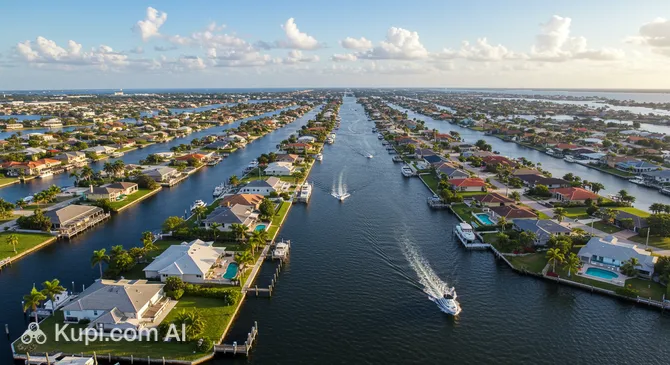
Cape Coral. Illustration.
Source: Kupi.com AI

Cape Coral offers plenty of activities for active family vacations and nature lovers. In addition to boating through the countless canals, fishing, various water sports, and bird watching are popular here. The city is famous for its well-maintained parks, including family entertainment areas and water parks, as well as eco-trails and the chance to find secluded beaches for a peaceful getaway.

If you dream of a sunny holiday filled with freedom and light adventure, Cape Coral is the perfect choice for you. This city, breathing with sun and sea breeze, offers a unique combination of modern comfort and rich nature, leaving unforgettable impressions on every guest.

You can find more interesting facts on the Cape Coral city history page.
Weather Overview

The weather in Cape Coral is characterized by a warm and humid subtropical climate. You can expect a hot and humid summer here, especially from June to September, when the average air temperature stays at 27-28°C, and maximum values can reach 30-31°C. These months also see the highest amount of rainfall, and the number of rainy days can reach up to 27 per month, though rains are most often short-lived.

Winters in Cape Coral are mild and relatively dry. In January, the coolest month, the average temperature is about 18.3°C, with minimum temperatures rarely dropping below 14°C. Precipitation during the winter period is significantly lower. Overall, expect a warm, humid summer with frequent but short showers, and mild, drier winters. For more detailed information about weather conditions by month, you can visit the Cape Coral climate page.

Average monthly temperature

Average monthly precipitation

Interesting Facts

In addition to its well-known attractions, Cape Coral holds many fascinating secrets and surprising details. Here are just a few that will help you see this sunny Florida city in a new light:

Fellowship Park. Illustration.
Source: Kupi.com AI

Traveler photos:

  • Among the famous residents and guests of Cape Coral are many well-known sailors, artists, and musicians inspired by the local nature and atmosphere. The city's art scene is actively developing, hosting exhibitions, festivals, and workshops for every taste.

  • A significant portion of the city's canals was dug by hand when the city was founded in 1957. This colossal labor not only shaped the unique landscape of Cape Coral but also helped create a special ecosystem. Manatees and sea turtles can often be found in the city's canals, peacefully coexisting with humans.

  • The city is famous for its colorful water traditions and holidays. Every summer, impressive boat parades are held here, and at Christmas, locals compete in decorating their homes and boats with thousands of lights and garlands, turning Cape Coral into a fairytale "floating city."

How to Get There

The most convenient way to reach Cape Coral, located in sunny Florida, is by air. The city itself does not have its own major airport, but several are within reasonable traveling distance, offering both international and domestic flights.

The primary and most convenient option for most travelers is Southwest Florida International Airport (RSW). It is located in Fort Myers, only about 22 km from the center of Cape Coral. This is a major international hub serving many destinations. A trip by taxi or rental car from RSW Airport to Cape Coral usually takes about 50-60 minutes.

Another significant airport to consider is Sarasota-Bradenton International Airport (SRQ), located in Sarasota, approximately 103 km north of Cape Coral. Although it is further away, it is also a fairly large airport offering a good selection of flights. The journey from SRQ Airport to Cape Coral will take approximately 2 hours 45 minutes – 3 hours by car.

Closer than Sarasota is Charlotte County Airport (PGD) in Punta Gorda, about 32 km from Cape Coral. This airport is smaller and primarily serves regional and budget airlines, but it can be a convenient option depending on your route. The drive from PGD Airport to Cape Coral will take about 1 hour – 1 hour 10 minutes.

For clarity, here is a summary of the main airports near Cape Coral:

AirportPassenger trafficDistance
Southwest Florida International Airport11.0 mln22 km
Charlotte County Airport2 mln32 km
Naples Municipal Airport184 13456 km
Sarasota Bradenton International Airport4.3 mln103 km
Lakeland Linder International Airport15 000151 km

Rail travel is not the most direct way to get to Cape Coral, as there is no train station in the city itself, and the nearest hubs are quite far away. For example, Fort Lauderdale Station is located about 190 km away, and West Palm Beach Station is also about 190 km away. A trip from these stations to Cape Coral would require an additional transfer by car, taking over 3 hours, making this option less preferable for most tourists heading directly to Cape Coral.

If you are still considering the train option, here is information about some stations in the region:

StationPassenger trafficDistance
Fort Lauderdale Station300 000189 km
West Palm Beach Station1.3 mln190 km
Fort Lauderdale Railway Station42 586190 km
Aventura Brightline Station555 000196 km
Miami BL Station1 mln200 km

Given Cape Coral's location and the structure of Florida's transportation network, the most convenient way to get around upon arrival in the region (whether at an airport or a distant train station) is by rental car. This will provide you with maximum flexibility to explore the city and its surroundings. Taxi and ridesharing services are also available.

Main Attractions

Cape Coral, known for its picturesque canals and sunny Florida climate, offers guests many interesting places to visit. Everyone will find something to their liking here, from water activities to learning about local production and relaxing in nature.

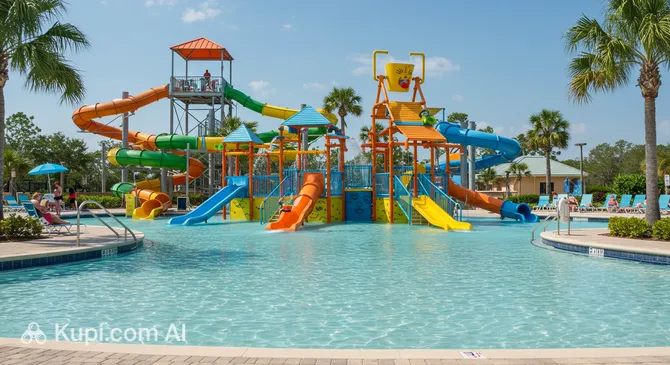
One of the most popular spots for family recreation is the Sun Splash Family Waterpark. This expansive complex offers a variety of water slides, pools, including a "lazy river," and play areas for children of all ages. It is a great place to cool off on a hot day and get a boost of positive emotions.

Sun Splash Family Waterpark. Illustration.
Source: Kupi.com AI

Traveler photos:

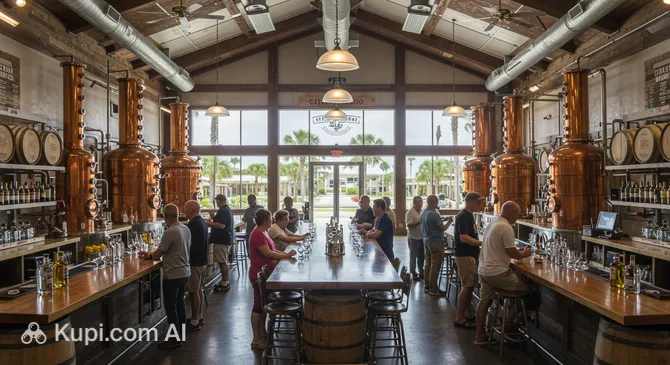
For connoisseurs of local spirits and unique production processes, the Wicked Dolphin Distillery will be of interest. They produce award-winning rum here from Florida sugarcane. Visitors can take a tour of the production facility, learn the secrets of rum making, taste different varieties, and purchase a bottle as a souvenir.

Wicked Dolphin Distillery. Illustration.
Source: Kupi.com AI

Traveler photos:

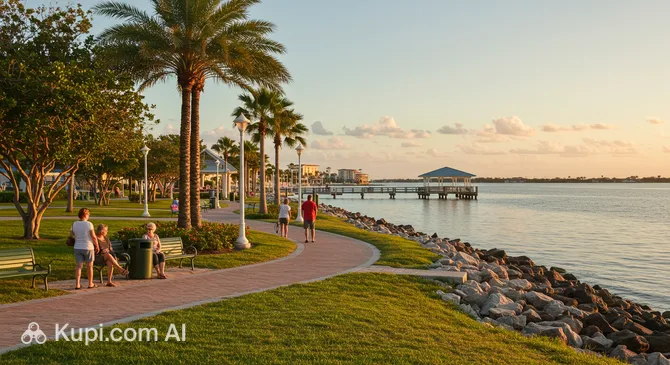
Nature lovers and those seeking peaceful outdoor relaxation will enjoy Fellowship Park. This well-maintained city park offers excellent conditions for picnics, walks, and active pastimes. There are playgrounds, sports facilities, and plenty of green areas for relaxation away from the city bustle.

Fellowship Park. Illustration.
Source: Kupi.com AI

Traveler photos:

If you are in the mood for shopping, it is worth stopping by the Coral Pointe Shopping Center. Here you can find a variety of stores, from famous brands to local boutiques, as well as cafes and restaurants where you can have a snack after a successful shopping trip.

Local Cuisine

Cape Coral is a true paradise for gourmets, especially if you are a lover of the freshest seafood. The city is famous for its abundance of seafood caught directly from the Gulf of Mexico. Be sure to try the local shrimp, stone crabs, and oysters. Dishes made with grouper and snapper, grilled or prepared in a fragrant Creole style, are particularly popular—they are a hallmark of the local cuisine.

Beyond fish and seafood, Cape Coral's culinary scene offers other delights as well. Don't miss the chance to enjoy signature seafood soups, refreshing avocado and mango salads, and, of course, the famous Florida dessert—the delicate Key lime pie with a crunchy crust. For drinks, pay attention to the local rum. The Wicked Dolphin Distillery is known for its original varieties infused with tropical fruits—a real discovery for connoisseurs.

10 Twenty Five. Illustration.
Source: Kupi.com AI

Traveler photos:

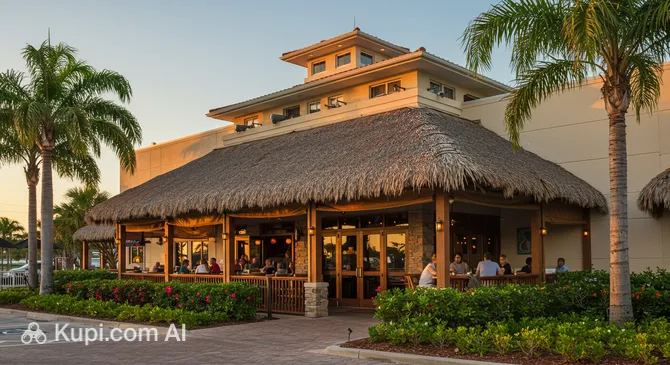
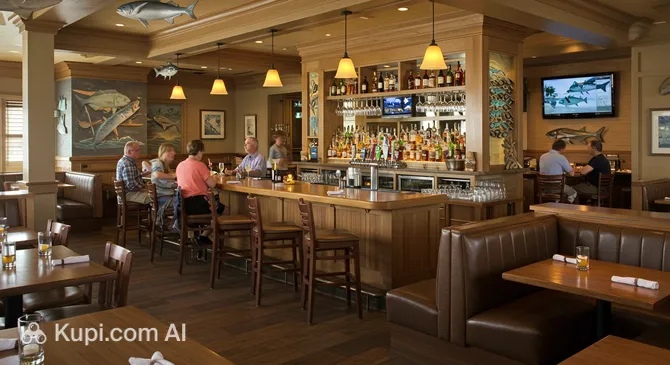
The dining culture in Cape Coral is diverse and democratic. There are many atmospheric restaurants and cozy cafes where you can enjoy both exquisite dishes and simpler but no less delicious food. For example, you can visit 10 Twenty Five or Bonefish Grill. Be sure to visit the Cape Coral Farmers Market—it's not just a market, but a real gastronomic celebration with street food, tastings, and live music, where you can find fresh vegetables, fruits, local honey, and even exotic jams. The city is also known for its annual seafood festivals and street food trucks offering everything from hearty burgers to original fish tacos.

Travel Tips

Planning a trip to sunny Cape Coral? Wonderful! To ensure your journey through this unique city on the water goes smoothly and leaves only pleasant impressions, we have prepared a few practical tips.

  1. Clothing and Essentials: Cape Coral is in Florida, so prepare for warm and humid weather most of the year. Bring light, breathable clothing, swimwear, shorts, and T-shirts. Don't forget sunscreen with high SPF, a hat, and sunglasses. Comfortable walking shoes are a must. A light sweater or windbreaker might be useful in the evening, especially in the winter months (December–February). For electronics, you will need adapters for American outlets (types A and B).

  2. Transportation: Car rental is the most convenient way to get around Cape Coral and its surroundings, as the city is quite spread out and the public transport system is limited. Taxi services and apps like Uber/Lyft are available, but a car is preferable for full exploration of the region. Keep in mind that the city has many canals, and some areas are best explored by boat.

  3. Finances: The local currency is the US Dollar (USD). Credit and debit cards (Visa, MasterCard, American Express) are accepted almost everywhere. ATMs can easily be found in banks, supermarkets, and gas stations. International cards usually work without issues, but it's best to check conditions with your bank. Tipping is an important part of the service culture: it is customary to leave 15-20% of the bill in restaurants, and it is also customary to tip taxi drivers and other service personnel.

  4. Health and Safety: Pharmacies (e.g., CVS, Walgreens) are easily accessible, with some open 24/7. Medical care for tourists is available but can be expensive, so it is strongly recommended to take out travel insurance. Cape Coral is considered a fairly safe city. However, as with everywhere, follow basic precautions: do not leave valuables unattended or in plain sight in the car, and be careful after dark. Avoid swimming in canals in non-designated areas due to the possible presence of alligators and other wildlife.

  5. Communication: The primary language is English. It is widely spoken, and you will be able to communicate easily. Local SIM cards can be purchased at mobile phone shops or large supermarkets. Wi-Fi is available in most hotels, cafes, and public places. There are few specific local useful apps; standard navigation and travel programs will be sufficient.

  6. Local Etiquette: Americans, and Florida residents in particular, are usually friendly and open. The standard greeting is "Hello" or "Hi." It is customary to respect personal space. Be polite and avoid excessive noise in public places. If you rent a boat, be sure to follow the rules of navigation in the canals and speed limits, especially in "No Wake Zones."

  7. What to Avoid: It is categorically not recommended to feed wild animals, especially alligators or birds—this can be dangerous and is illegal. Also, avoid disrespecting private property; many homes have water access and private docks.

  8. Extra Tip: Cape Coral is famous for its canal network—there are over 400 miles of them! If possible, be sure to rent a boat or kayak to explore the city's waterways—it's a unique experience. Also, find out about local events and festivals that might take place during your visit, such as the Cape Coral Arts & Music Festival in January or Oktoberfest.

We hope these tips help you better prepare for your trip and enjoy all the charms of Cape Coral. We wish you an unforgettable vacation in this sunny corner of Florida!

Entertainment & Nightlife

Cape Coral, known for its canals and relaxed atmosphere, offers a variety of options for evening and night leisure. While the city is not famous for wild round-the-clock parties, you can find cozy bars, restaurants with live music, and places where it is pleasant to spend time after sunset.

The main concentration of evening venues is found in the South Cape Coral area, especially along Cape Coral Parkway. Here you will find many restaurants that turn into lively bars by evening, as well as specialized drinking establishments. The atmosphere in most places is quite laid-back, and the dress code is usually casual. The crowd is mixed—from locals to tourists enjoying a peaceful vacation. Many establishments stay open until midnight or until 2:00 AM on weekends.

Among the popular spots, Bonefish Grill is worth noting, known for its seafood and signature cocktails, creating a pleasant atmosphere for a dinner that transitions into evening socializing. Another interesting place is 10 Twenty Five, where you can enjoy not only food but also a wide selection of drinks in a lively setting.

Bonefish Grill. Illustration.
Source: Kupi.com AI

Traveler photos:

For those looking for a more active nightlife, some bars offer live music or DJ sets on weekends. There are not many concert venues in the traditional sense or large nightclubs in Cape Coral; the emphasis is on more intimate and relaxed recreation. Night markets are not a characteristic feature here; evening entertainment is centered around gastronomy and socializing.

10 Twenty Five. Illustration.
Source: Kupi.com AI

Traveler photos:

Practical tips: The best time to visit bars is Friday and Saturday evenings. Average drink prices are comparable to other Florida cities. For getting around at night, it is recommended to use taxis or ridesharing services, especially if you plan to consume alcohol. Cape Coral is generally considered a safe city, but as with anywhere, it is best to stick to well-lit and busy streets during dark hours.

During the day, Cape Coral also offers various entertainment. Active leisure seekers can visit Sun Splash Family Waterpark, especially if traveling with children, or take a walk in one of the many city parks, such as Fellowship Park. Although the city does not have major famous museums or world-class theaters, local galleries and small cultural centers can be found.

Parks & Museums

Cape Coral, known for its numerous canals, offers guests not only water activities but also pleasant green areas for relaxation, as well as interesting cultural sites that introduce the city's history and creative life.

Among the city's green oases, Fellowship Park stands out as an excellent place for family recreation with playgrounds and picnic areas. This park is popular with locals and tourists alike due to its well-kept grounds and peaceful atmosphere.

Another notable location is the Four Mile Cove Ecological Preserve, a true slice of wilderness within the city limits. Here you can walk along boardwalks through mangrove thickets, observe birds, and even encounter kayakers exploring the waterways. It is an ideal place for nature lovers and quiet walks.

For those seeking a beach holiday and water fun, Yacht Club Community Park offers a small but cozy sandy beach on the banks of the Caloosahatchee River. In addition to the beach, there is a public swimming pool, a marina, a restaurant, and picnic spots, making it a popular place for family leisure and soaking up the sun.

To get a closer look at the city's history, it is worth visiting the Cape Coral Historical Museum. The museum's exhibits tell the story of Cape Coral's founding and development, starting from its early days as an ambitious real estate project. Here you can see vintage photographs, artifacts, and learn about the people who shaped the face of this unique city.

Art lovers will find the Cape Coral Art League Gallery interesting, where works by local artists are exhibited. You can see a variety of pieces, from paintings and sculptures to photography, and even purchase a work you like. The gallery often hosts exhibitions, lectures, and workshops, contributing to the development of the city's creative community.

For a unique local experience, you can visit the Wicked Dolphin Distillery. It is not a museum in the traditional sense, but here you can learn about the production process of award-winning local rum and, of course, taste the products. Tours of the distillery will introduce you to the intricacies of craft production and the history of this popular Florida drink.

For a more authentic impression of Cape Coral, take a leisurely stroll or bike ride along one of the many canals at sunset—this will let you feel the unique atmosphere of the "Waterfront Wonderland." Also, don't miss the chance to visit local farmers markets, where you can find fresh produce, seafood, and handmade items from local artisans.

Getting Around

Public transportation in Cape Coral is primarily represented by a bus network managed by LeeTran. This system connects various city districts and provides communication with neighboring settlements, including Fort Myers. Although buses are the main form of public transit, it is worth considering that the city is oriented toward car traffic, and the route network may not be as dense as in major metropolises.

To pay for fares on LeeTran buses, you can use cash (it is recommended to have the exact amount, as drivers may not provide change), purchase transit passes, or use the LeeFare mobile app, where you can also buy tickets. Various types of passes exist: for one day, one week, or one month, which can be beneficial with frequent use. Approximately, the cost of a single trip can be around $1.50 - $2.50, and a day pass around $3.50 - $5.00. However, it is strongly recommended to check current tariffs, pass types, and information about the LeeFare app on the official LeeTran website, as prices and conditions are subject to change. Sometimes discounts are available for certain categories of passengers, such as seniors or students.

Tickets can usually be purchased directly from the driver when boarding the bus, through the LeeFare mobile app, or at special sales points if available (for example, at bus stations or authorized stores). Ticket validation occurs upon boarding. Buses run on a schedule, which is also available on the LeeTran website or at stops. Transport operating hours may be limited in the evening and on weekends, so it is recommended to plan your trips in advance.

In addition to buses, alternative ways of getting around are popular in Cape Coral. Taxi services and ridesharing companies (such as Uber or Lyft) are widespread, offering a more flexible and faster way to reach your destination, albeit at a higher price. Car rental is also a very popular option, especially for tourists wishing to explore the city and its surroundings at their own pace. Given the climate and the presence of bike lanes in some areas, bicycle rental can be a pleasant option for short trips, but due to the city's size and distances, it is less suitable as a primary means of transport.

A feature of Cape Coral's transportation system is not any unique modes like a historic metro or funiculars. The city is known for its extensive system of canals, but there is no regular water-based public transport for daily commutes here, although tour boats and water taxis may offer tourist routes. The main focus for getting around the city is on car and bus transportation.

Accommodation

In Cape Coral, you will find a variety of accommodation options to suit different preferences and budgets. The city offers a wide selection from budget motels and apartments to spacious villas with their own access to the famous canals and comfortable vacation homes. Cape Coral is particularly known for its large number of private rental options, making it attractive for family vacations or long-term stays.

When choosing a place to stay, tourists often prefer areas with direct access to the canals or the Caloosahatchee River, especially in the southeastern and southwestern parts of the city, known for their picturesque views. Locations situated near main transportation routes are also convenient, providing easy access to attractions and proximity to shopping centers like Midpoint Center or the Coral Pointe Shopping Center. Proximity to parks, such as Fellowship Park, is also a plus for many travelers.

While there may be fewer traditional large resort hotels in Cape Coral compared to some of Florida's other tourist hubs, the city compensates with an excellent choice of high-quality rental housing. Nevertheless, several small hotels and motels are available for those who prefer hotel services.

To ensure the best selection and prices, it is recommended to book accommodation in advance, especially if your trip is planned for the peak tourist season, which in Cape Coral typically falls during the winter and spring months. This will allow you to find the optimal option that matches your expectations and budget.

The price range for accommodation in Cape Coral varies from affordable options to luxury offers, depending on the type of housing, its location, size, and amenities provided. You can book accommodation through popular international online platforms for property rentals and hotel bookings, as well as by contacting local management companies or owners directly.

Nearby Cities

For those who want to explore the surrounding area, Cape Coral serves as an excellent starting point for day trips to several interesting nearby locations:

CityPopulationDistance
North Fort Myers41 5519 km
Fort Myers84 69410 km
Cypress Lake12 33412 km
Villas13 76413 km
San Carlos Park18 59024 km

Each of these cities has its own unique appeal for a day trip. Bonita Springs attracts visitors with magnificent beaches and nature preserves like Barefoot Beach Preserve, perfect for relaxation and bird watching. North Port is famous for its warm mineral springs, including Warm Mineral Springs Park, and opportunities for wellness amidst natural beauty. Lehigh Acres offers a more secluded atmosphere with numerous golf courses and parks for leisurely walks and family recreation. Right nearby is Fort Myers, the region's historic center with the famous winter estates of Thomas Edison and Henry Ford, as well as a lively riverfront and beautiful beaches. And Port Charlotte attracts fans of water sports, fishing, and kayaking thanks to its location on the shores of picturesque Charlotte Harbor.

These nearby destinations provide insight into the diverse culture and landscapes of the region.

Shopping & Souvenirs

Cape Coral offers a variety of shopping opportunities, although it is not a world-renowned fashion center. Here you will find large shopping centers with famous brands, as well as small local boutiques and specialty stores. The city is not famous for exclusive goods, but you can purchase high-quality beachwear, water sports gear, and typical Florida souvenirs.

The city's main shopping arteries, where many stores are concentrated, are Cape Coral Parkway and Pine Island Road. Shopping plazas, standalone stores, and restaurants offering a wide range of goods and services are located along these streets. You can find everything here: from grocery supermarkets to electronics and clothing stores.

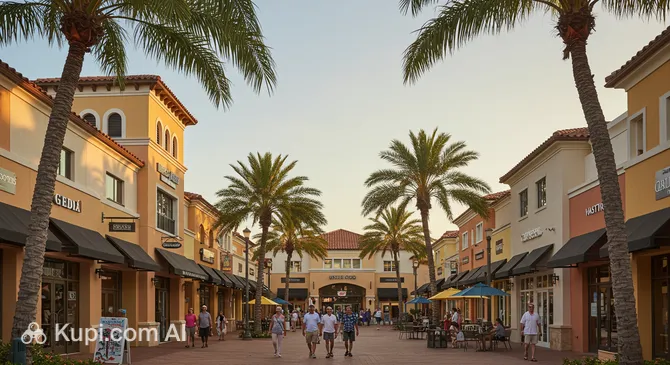
For those who prefer shopping under one roof, there are several shopping centers in Cape Coral. Among them, Midpoint Center is worth noting, offering a good selection of stores and eateries. Another popular spot is the Coral Pointe Shopping Center, where you can also find a variety of goods and services.

Midpoint Center. Illustration.
Source: Kupi.com AI

Traveler photos:

While there are no huge traditional markets in Cape Coral, farmers' markets are held periodically, where you can buy fresh local produce, baked goods, flowers, and handmade crafts. This is a great place to feel the local flavor and purchase unique goods directly from producers.

Coral Pointe Shopping Center. Illustration.
Source: Kupi.com AI

Traveler photos:

As souvenirs from Cape Coral, tourists often bring back items with a nautical theme: shells, ship models, and clothing with images of dolphins or sea turtles. Fishing and boating-related items are also popular. Check out local souvenir shops or even the Wicked Dolphin Distillery, where you can find unique local products that will serve as a great reminder of your trip to Florida.

Most stores in Cape Coral are open daily, usually from 10:00 AM to 8:00 PM or 9:00 PM on weekdays and Saturdays. On Sundays, hours may be reduced. Large shopping centers may have longer operating hours. Credit and debit cards (Visa, MasterCard, American Express) are widely accepted, as is cash. Mobile payment systems are also gaining popularity.

Regarding the Tax Free system, in the state of Florida, as in most states in the USA, there is no general sales tax refund system for foreign tourists on most everyday goods. Sales tax is added to the price of the item at the checkout. Therefore, you should not count on a tax refund when shopping in regular stores.

Reached the end of the page?

That means the route is fully explored