Support

Claremont

About

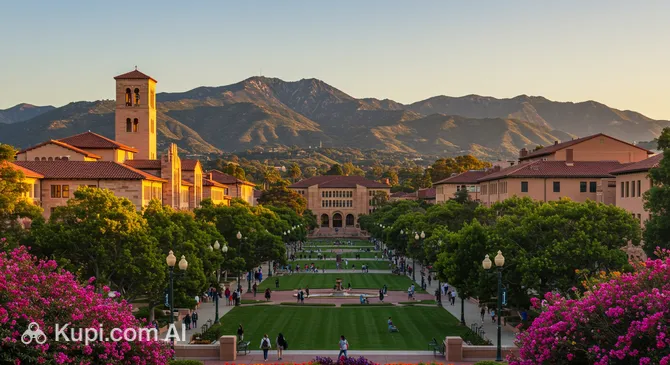
Claremont is a cozy and picturesque corner located at the foot of the majestic San Gabriel Mountains in the state of California. Situated just 48 kilometers east of bustling Los Angeles, this city offers travelers a unique blend of tranquility and metropolitan accessibility. A trip to the USA would be incomplete without visiting such atmospheric places, where you can breathe in the clean mountain air and enjoy the beauty of nature without losing touch with civilization.

Claremont. Illustration.
Source: Kupi.com AI

With a population of about 36,000, Claremont is known as the "City of Trees and PhDs." It is one of the region's most prestigious university towns, where a special academic spirit prevails thanks to the presence of several renowned colleges. Claremont's rich history as an educational center fills the streets with youthful energy and an intellectual atmosphere, making it attractive to tourists of all ages.

The urban environment is perfect for leisurely walks and cultural activities. Guests can visit magnificent botanical gardens, explore exhibitions in local art galleries, or attend a music festival. For outdoor enthusiasts, the real gem is Claremont Hills Wilderness Park, which offers excellent hiking trails with panoramic views of the surroundings.

Claremont harmoniously combines scientific heritage, developed infrastructure, and the charm of historic streets. It is an ideal destination for those who want to feel the true California vibe and find a balance between urban comfort and natural beauty.

Weather Overview

Claremont's climate is typical of sunny California and pleases travelers with comfortable conditions for most of the year. Summers here are truly hot and dry: in July and August, the average maximum temperature reaches 32°C, and precipitation is practically non-existent. This is a wonderful time for walking, though you should be prepared for bright sun and high temperatures.

The winter period is mild, and frosts are very rare here. In January and February, the air warms up to an average of 16°C during the day, while at night the temperature can drop to 5–6°C. Winter and early spring bring the most moisture: for example, in March, statistics record up to 12 days with precipitation, although in other months rains occur much less frequently.

Spring and autumn are transitional and very pleasant seasons when the temperature ranges between 20–26°C. To choose the perfect time for your trip and pack your suitcase correctly, we recommend finding out in advance what weather in Claremont is expected for the dates of your visit. Expect a hot, dry summer and a mild winter with occasional rain.

Average monthly temperature

Average monthly precipitation

Interesting Facts

Claremont is not just an academic center, but a place with a unique character where every corner has its own story. In addition to the main attractions, the city holds many fascinating details that make it truly special for guests of California.

  • "The City of Trees and PhDs." This is how locals and guidebooks often refer to Claremont. This nickname didn't appear out of nowhere: the city is famous for its incredible amount of greenery and the presence of the Claremont Colleges Consortium. Seven prestigious educational institutions in a small area create perhaps the highest concentration of doctoral degree holders per square meter in the region.

  • Unique flora in one place. The California Botanic Garden is located here—the largest facility in the state dedicated exclusively to California's native nature. It is a living open-air museum where you can see rare and endangered plants gathered from the state's most diverse ecosystems, from mountain peaks to desert valleys.

  • A musical mecca. The city carefully preserves folk music traditions thanks to the legendary Folk Music Center. This atmospheric space combines a museum of rare instruments and a venue for live performances. Here, anyone can not only learn the history of music but also become part of an impromptu jam session.

  • Star neighbors. Thanks to its high quality of life and special atmosphere, Claremont attracts outstanding people. Among the city's famous residents are not only brilliant scientists and professors but also sports stars, such as the famous boxer Chris Byrd. Such a neighborhood forms an unusually friendly and diverse community.

How to Get There

When planning a trip to this cozy California city, it is important to think about logistics in advance, as the choice of airport can significantly save travel time. Claremont is conveniently located relative to several major transport hubs in the region, giving travelers flexibility in route planning. You can find out all the ways to get to the city by studying the detailed information on the specialized page, and below we will look at the main air harbors.

The most convenient option for arrival is Ontario International Airport (ONT). There is no airport in the city of Claremont itself, but you can fly into this hub, which formally belongs to the Los Angeles metropolitan area and is located just 11.8 km from the destination. This is the closest arrival point, from where a taxi or transfer will take about 40 minutes, depending on traffic. Due to its location, Ontario International Airport allows you to avoid the main traffic jams of the metropolis.

Another popular alternative is John Wayne Airport (SNA), located in the city of Santa Ana. The distance to Claremont is approximately 48.3 km. The journey by car or bus from here will take about 1 hour and 35 minutes. It is a major transport hub with high passenger traffic, accepting many flights. You can also consider Hollywood Burbank Airport (BUR) in the city of Burbank (about 60 km, travel time—approximately 1 hour 50 minutes), which is often chosen for domestic flights.

For clarity, here is summary information on the main airports:

AirportPassenger trafficDistance
Ontario International Airport7.1 mln12 km
John Wayne Airport11.7 mln48 km
Long Beach Airport4.1 mln51 km
Hollywood Burbank Airport6.6 mln60 km
Hawthorne50 00060 km

Main Attractions

Claremont offers travelers a rich cultural program and opportunities for outdoor relaxation. Despite its compact size, the city is full of places worth visiting to experience its unique atmosphere, which combines academic intelligence and California relaxation.

Claremont Village is the heart of the city and perhaps the most popular place for a stroll. This historic district resembles a cozy European town with its paved streets, fountains, and many independent boutiques. You won't find large chain stores here, but local cafes, bakeries, and art galleries are in abundance. Tourists come here to drink coffee on an outdoor terrace, visit the farmers' market on Sundays, or simply enjoy the early 20th-century architecture.

Nature lovers should definitely set aside time to visit the California Botanic Garden. It is the largest garden dedicated exclusively to plants native to the state of California. Thousands of species of local flora, from desert cacti to majestic oaks, are gathered across a vast area of 35 hectares. It is an ideal place for quiet contemplation, bird watching, and getting to know the region's unique biodiversity at any time of year.

For those interested in science and ancient history, the Raymond M. Alf Museum of Paleontology will be a true discovery. This unique institution, located on the Webb Schools campus, is known for its impressive collection of fossils. The museum's main pride is the "Hall of Footprints," which features one of the most diverse collections of fossilized animal tracks in the USA. The exhibition literally allows you to touch the Earth's past and learn more about the evolution of life on our planet.

Art connoisseurs should stop by the Benton Museum of Art at Pomona College. The museum's modern building hosts exhibitions covering a wide variety of eras and styles—from antiquity to bold contemporary installations. The museum plays an important role in the city's cultural life, offering visitors not only visual enjoyment but also deep educational programs.

Local Cuisine

Claremont's culinary scene is a vibrant reflection of its academic spirit and cultural diversity. Thanks to the large number of students and faculty from different parts of the world, a unique environment has formed here where cozy coffee shops, signature restaurants, and democratic family eateries coexist. Travelers should expect an eclectic menu: from classic California cuisine to spicy Asian and fresh Mediterranean dishes.

Particular attention in the city is paid to the quality of ingredients. Local chefs actively support the "farm-to-table" concept, using the freshest fruits and vegetables grown in the surrounding area. We strongly recommend visiting the farmers' markets, which are the pride of Claremont. Here you can not only buy homemade jams, organic cheeses, and fragrant honey, but also try freshly baked bread, which will perfectly complement your breakfast or picnic.

For those who prefer a quick but tasty snack, the street food culture will be a real discovery. Various food trucks offer a wide range of dishes: from juicy burgers and authentic tacos to trendy vegan bowls and craft ice cream. This is a great way to experience the city's flavors in a relaxed setting, especially during the food festivals that often take place downtown.

To round off your culinary journey, visit one of the local wine bars or small breweries. The region is famous for its winemaking traditions, so a tasting of local wine varieties is a must. Beer lovers will appreciate the experimental brews from local brewers. The friendly atmosphere of these establishments is perfect for slow relaxation and meeting new people.

Travel Tips

Claremont is an incredibly welcoming city where academic intelligence intertwines with California casualness. To make your trip as comfortable and hassle-free as possible, we have prepared a list of practical recommendations to help you quickly settle in.

  1. Clothing and Seasonality. Summers here are hot and dry, so light clothing made from natural fabrics, sunglasses, and a hat are essential. However, the desert climate is tricky: evenings can be cool even in summer, so a light jacket or sweatshirt won't hurt. If you're traveling in winter, bring a waterproof windbreaker. Most importantly, bring comfortable sneakers, as Claremont is a city for walking.

  2. Transport Accessibility. The historic center (The Village) is best navigated on foot or by bicycle. For trips to Los Angeles, the Metrolink train (the station is right in the center) is ideal, saving you from famous traffic jams. If you plan to explore the surroundings, renting a car is the best solution. Uber and Lyft apps also work perfectly here.

  3. Finances and Tipping. The official currency is the US dollar. Bank cards are accepted almost everywhere, from restaurants to souvenir shops, but having 20–50 dollars in cash is useful for small purchases at farmers' markets. Remember the tipping culture: in America, it is customary to leave 15–20% of the bill in cafes and taxis, as this is the main part of the staff's income.

  4. Health and Safety. Claremont is considered one of the safest and calmest cities in the region, but basic precautions won't hurt: do not leave valuables in plain sight in your car. Pharmacies (CVS, Walgreens) are easy to find, but they are rarely open 24/7. Medical care for tourists is very expensive, so having insurance is a strict necessity. The emergency phone number is 911.

  5. Connectivity and Communication. The main language is English. Free Wi-Fi is available in many cafes, hotels, and libraries, but for stable connectivity, it's better to purchase a local SIM card (T-Mobile, AT&T) or activate an eSIM in advance. It's useful to download the Google Maps app for navigation and Yelp for finding the best restaurants based on local reviews.

  6. Local Etiquette. Claremont residents are friendly and value politeness. It's customary to greet shop assistants and smile at passersby when making eye contact. Respect personal space in lines and remember that smoking (including vaping) is prohibited in many public areas, parks, and restaurant patios.

  7. What to Avoid. Do not violate parking rules. In Claremont, especially near colleges and the center, this is strictly monitored: you cannot park overnight on the streets without a special permit (usually from 2 to 6 AM), and fines are substantial. Also, do not go hiking in the hills in the middle of the day without a water supply—the risk of overheating is very high.

  8. Local Tip. Consider the "academic" rhythm of the city. Unlike metropolises, many shops and cozy coffee houses in Claremont can close quite early, around 8:00–9:00 PM. Plan your evening shopping or dinner in advance so you don't find yourself in front of closed doors.

Following these simple rules will allow you to avoid domestic trifles and fully immerse yourself in the atmosphere of the "City of Trees and PhDs." We wish you a safe, bright, and inspiring journey!

Entertainment & Nightlife

While Claremont does not claim to be a 24-hour party capital like neighboring Los Angeles, its nightlife has a special charm and an intellectual character. Evening entertainment here focuses on socializing, quality music, and gastronomic discoveries. It is an ideal place in the USA for those who prefer cozy pubs, jazz nights, and craft cocktails over noisy raves.

The epicenter of evening activity is the Claremont Village district. As the sun sets, the historic streets fill with college students, local bohemians, and tourists. The atmosphere here is democratic and relaxed: there is no dress code in most establishments, or it is limited to smart casual. You will feel comfortable in both jeans and evening wear.

Venues with live music are particularly popular. One of the city's most vibrant spots is PianoPiano—the famous dueling piano bar. This is an energetic show where musicians play requests from the audience, creating incredible interaction and fun. For fans of craft beer and a European atmosphere, The Back Abbey is a must-visit. This gastropub, located in a former library building, is famous for its collection of Belgian beers and, according to many, the best burgers in town.

Another important point on the nightlife map is the Claremont Packing House. This restored historic packing house building has been transformed into a trendy space with lofts, boutiques, bars, and restaurants. Art events, wine tastings, and small concerts are often held here in the evenings, making it a great place to start your night.

Practical Tips:

  • Opening Hours. Keep in mind that nightlife in Claremont winds down earlier than in major metropolises. Most bars close by 1:00 or 2:00 AM, and restaurant kitchens may stop serving as early as 10:00 PM.

  • Safety and Transport. Claremont Village is a very safe area where you can walk peacefully even late at night. To return to your hotel or travel to neighboring cities, it is most convenient to use taxi apps (Uber, Lyft), as public transport runs infrequently at night.

  • Prices. The average price for a cocktail is 12–16 dollars, and a pint of beer will cost 7–10 dollars. Many bars have "Happy Hour" in the early evening.

If you are looking for daytime entertainment, Claremont offers a rich cultural program. During the day, it is worth visiting the campuses of local colleges, which often resemble parks, or stopping by Bridges Auditorium. This venue, known for its magnificent architecture and acoustics, regularly hosts theatrical productions, classical music concerts, and performances by world-famous celebrities.

Parks & Museums

Claremont harmoniously combines a love for nature with a deep respect for art, offering tourists a rich itinerary from mountain trails to exquisite galleries. The urban environment here is literally bathed in greenery, and cultural institutions, often associated with local colleges, present world-class collections.

For fans of active recreation and panoramic views, the main point of attraction is Claremont Hills Wilderness Park. This is a vast natural area at the foot of the San Gabriel Mountains, offering a scenic 8-kilometer loop route. People come here for hiking, jogging, and the chance to see Claremont and the Pomona Valley from a bird's-eye view. In spring, the hills are covered with wildflowers, creating incredible landscapes for photography.

Those who prefer more peaceful walks should visit Memorial Park. Located near the historic center, this park serves as a venue for summer concerts and city celebrations. There are many shaded alleys, a bandstand, and picnic areas, making it an ideal place for the whole family to relax after sightseeing.

The city's cultural life is closely intertwined with its history. The Claremont Lewis Museum of Art, located in the restored building of a historic railway depot, is dedicated to the work of local artists. The museum's exhibitions highlight Claremont's role as an important center of art and design in the mid-20th century, showcasing works inspired by the unique spirit of the region.

A completely unique place is the Folk Music Center. This is not just a shop, but a real museum founded by the family of famous musician Ben Harper. Inside is an impressive collection of rare and vintage musical instruments from all over the world. Visitors can not only examine the exhibits but also touch musical history, as the center actively supports live performances and educational programs.

Claremont's architectural appearance is largely shaped by its college campuses, built in the Spanish Colonial Revival style. A walk through the grounds of Pomona College or Scripps College will provide aesthetic pleasure thanks to graceful arches, courtyards with fountains, and mosaics. Special attention should be paid to the Claremont Depot building—a striking example of 1920s transport architecture that has preserved its historic charm.

Insider Tip: Be sure to find the "Dividing the Light" installation by James Turrell on the Pomona College campus. This architectural structure with a "window" to the sky (skyspace) creates mesmerizing light effects at sunset and sunrise. Admission is free, and it is perhaps the most meditative and impressive place in the city, which not all tourists traveling through the USA know about.

Getting Around

Claremont's transportation system is quite convenient for tourists, although the city itself is compact, and its historic center (The Village) is best explored on foot. The main transport hub is the historic depot, which serves as a gateway not only to the city itself but also connects it to the Los Angeles metropolis and neighboring regions.

The main form of public transport for connecting with the outside world is the Metrolink commuter trains (San Bernardino Line). The station is located right in the city center. This is the fastest and most reliable way to reach downtown Los Angeles (Union Station) in about an hour, avoiding the famous California traffic jams. The trains are comfortable, often double-decked, and equipped with tables, making the trip a pleasant part of the journey.

Bus service in the city and surrounding areas is provided by Foothill Transit. Buses run along major streets and connect Claremont with neighboring cities like Pomona and Montclair. This is a good budget option for traveling short distances. Note that buses run strictly on schedule, which may be less frequent on weekends, so it is better to plan your route in advance using online maps.

The fare payment system has its nuances. For Metrolink trains, tickets can be bought at station vending machines (accepting cards and cash) or via the convenient Metrolink App, which saves you from queues. To pay for Foothill Transit buses and most other forms of transport in Los Angeles County, a reloadable TAP card is used. It can be purchased at vending machines or used as a virtual version on a smartphone (Apple Wallet or Google Pay). Important: when boarding a bus, you must tap the card against the validator.

In Claremont, as a true university town, bicycles are very popular. Wide streets with shaded alleys and calm traffic make cycling safe and enjoyable. If you don't want to depend on a schedule, taxi and rideshare services like Uber and Lyft are excellent alternatives. Cars usually arrive very quickly, within 5–10 minutes. This is especially convenient for going to restaurants in the evening or to the start of hiking trails at the foot of the mountains.

The transport hub building itself, the Claremont Depot, deserves a separate mention. It is not just a station but a restored architectural monument in the Spanish Colonial style, built back in 1927. Waiting for a train here turns into a small excursion: you can admire the historical details of the building, which has preserved the spirit of the "Golden Age" of railroads.

Accommodation

Claremont, being a popular university town, offers travelers a choice of accommodation catering to both discerning tourists and those looking for practical options. The main range of accommodation varies from stylish boutique hotels in the historic center to reliable chain hotels and budget motels located closer to major transport routes. You won't find huge resort complexes here, but there is an atmosphere of comfort and intimacy typical of academic towns.

The most prestigious and convenient area to stay is Claremont Village. By staying here, you will be within walking distance of college campuses, the best restaurants, shops, and the train station. This is an ideal choice for those who want to enjoy the city without a car and feel its rhythm. If you are traveling by car or looking for more affordable prices, pay attention to the area along Foothill Boulevard and near Interstate 10. Well-known mid-range hotel chains are concentrated here, offering standardized service and convenient parking.

An important booking nuance is directly related to the city's academic calendar. Since Claremont is home to seven colleges, the demand for accommodation skyrockets during graduation ceremonies (usually May), the start of the school year (August), and homecoming days. On these dates, hotel rooms can be booked six months in advance. We strongly recommend checking the calendar of local educational institutions and booking accommodation in advance if your trip coincides with these events.

The price range in the city can be described as medium and above average. In the historic center, the cost of living corresponds to "comfort" and "luxury" levels, offering high-end service and designer interiors. More budget-friendly options are more commonly found on the southern outskirts of the city. Booking is most convenient through popular online platforms, which guarantees up-to-date prices; however, for small historic hotels, it sometimes makes sense to check offers on their official websites.

Nearby Cities

For those looking to explore the surrounding area, Claremont serves as an excellent starting point for day trips to several interesting nearby locations:

CityPopulationDistance
La Verne31 4234 km
Pomona151 5925 km
Ontario175 2237 km
Upland78 6247 km
San Dimas34 7758 km

Just a few minutes' drive away is Pomona, a city with a rich historical heritage. It attracts art lovers with its Arts Colony, where galleries, artist studios, and atmospheric cafes sit alongside numerous antique shops on Antique Row. The famous historic Fox Theater is also located here, which is an architectural gem of the region and a center for cultural events.

Shopping and leisure enthusiasts should head to Rancho Cucamonga. This city is famous for its large-scale open-air shopping complex, Victoria Gardens, designed as a cozy city center with pedestrian streets and squares. In addition, historic wineries have been preserved here, serving as a reminder that this region was once the heart of California's winemaking.

Very close by is Ontario, which is often visited for one of the largest outlet malls in the state—Ontario Mills. It is an ideal place for those looking for brand-name items at great prices and entertainment under one roof. For those interested in gastronomic history, an interesting stop is a visit to the oldest olive farm, Graber Olive House, which has been operating since the late 19th century.

These nearby destinations provide an insight into the region's diverse culture and landscapes.

Shopping & Souvenirs

Shopping

Shopping in Claremont is fundamentally different from the typical American experience with huge malls and retail giants. This city focuses on individuality, supporting a culture of small businesses and local artisans. A stroll through local shops feels like a treasure hunt: there is an atmosphere of coziness, and the storefronts are designed with special artistic taste. It is an ideal place in the USA for those looking for unique items, books, art pieces, and quality clothing in a relaxed setting.

Claremont Village is the main shopping district and the soul of the city. This historic center, with its shaded alleys and European charm, is concentrated around Yale Avenue and Harvard Avenue. You won't find noisy hypermarkets here, but you will discover dozens of independent boutiques selling everything from designer clothes and vintage jewelry to rare books and home goods. This is a bustle-free zone where shopping easily pairs with a cup of coffee on a porch.

The Claremont Packing House deserves special attention. This is the city's most famous shopping space, located in a restored early 20th-century packing house building. Today, it is a trendy loft complex housing art galleries, wine bars, and eclectic shops under one roof. Here you can find artisan ceramics, vintage clothing, and unusual gifts while enjoying industrial architecture and live music, which often plays in the atrium.

An important part of the city culture is the Claremont Farmers & Artisans Market. Every Sunday, Harvard Avenue turns into a pedestrian zone where local farmers and artisans offer their goods. This is the best place to buy the freshest California fruit, homemade honey, and jams, as well as handmade jewelry and natural cosmetics. The market is famous for its friendly atmosphere and high-quality products.

As souvenirs from Claremont, it is worth bringing back something reflecting its intellectual and creative spirit. A great choice would be merchandise from one of the seven local colleges (a hoodie or a cap), which can be found in campus stores. Music lovers should stop by the legendary Folk Music Center for rare vinyl records or ethnic instruments. Local artists' creations and Fair Trade goods, widely represented in Village shops, are also popular.

Shops in Claremont typically operate from 10:00 AM to 6:00 PM or 7:00 PM, although some boutiques may stay open longer on Fridays and Saturdays. On Sunday, many close earlier, around 5:00 PM. Bank cards (Visa, MasterCard, AmEx) and contactless smartphone payments are accepted almost everywhere. Cash may only be useful for small purchases at the farmers' market.

Tourists should remember that in the United States, and in California in particular, there is no Tax Free system for international travelers. Sales tax is not included in the price tag and is added to the bill at the checkout. In Los Angeles County, which includes Claremont, this tax is about 9.5–10%, so be prepared for the final cost of your purchase to be higher than the price shown in the display.
Reached the end of the page?

That means the route is fully explored