Support

Crescent City

About

Nestled along the rugged coastline of Northern California, Crescent City is a captivating destination where the grandeur of the redwoods meets the power of the Pacific Ocean. Named for the distinctively curved shape of its sandy beach, this charming town offers a tranquil escape for travelers seeking natural beauty and a slower pace of life. As the gateway to some of the most impressive forests in the world, it serves as a perfect base camp for outdoor enthusiasts and nature lovers alike.

Geographically, the city is situated in Del Norte County, just about 20 miles south of the Oregon border. It is home to a close-knit community with a population of approximately 4,300 residents. The climate here is typically oceanic, characterized by mild temperatures, frequent coastal fog, and lush greenery fed by winter rains. While exploring this scenic corner of the United States, visitors are often struck by the dramatic interplay between the misty seascape and the towering ancient trees that surround the area.
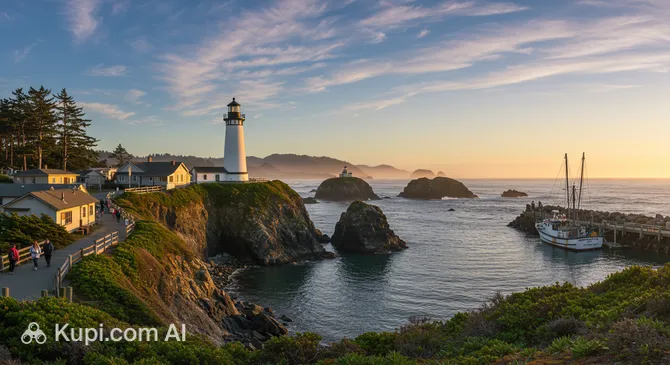
Crescent City. Source: Kupi.Binoculars

The history of Crescent City is deeply intertwined with the ocean, from its early days as a bustling port for the timber and mining industries to its resilience in the face of natural challenges. Today, the city stands as a testament to the enduring spirit of its people, preserving its maritime heritage while welcoming visitors to explore its storied past.

One of the city's most iconic landmarks is the Battery Point Lighthouse, an active lighthouse that sits on a small island and is accessible only during low tide. For those looking to immerse themselves in nature, the nearby Jedediah Smith Redwoods State Park offers hiking trails through groves of massive, ancient coast redwoods that are truly awe-inspiring. Additionally, families often enjoy a visit to Ocean World, a locally famous aquarium that provides an up-close look at the region's diverse marine life.

Whether you are hiking through primeval forests, combing the beach for agates, or simply watching the sunset over the harbor, Crescent City promises a memorable experience. It is an inviting destination for anyone looking to disconnect from the hustle of modern life and reconnect with the raw beauty of the California coast.

Weather Overview

The climate in this coastal region is defined by its mild, oceanic character, ensuring that extreme temperatures are rare throughout the year. Summers are generally the most comfortable time to visit, particularly in July and August, when average temperatures hover around 18°C and daily highs reach approximately 22°C. This season is notably dry, with almost zero wet days recorded in the peak summer months, providing excellent conditions for outdoor exploration.

In contrast, the cooler months bring a significant shift in precipitation. Winters are cool but not freezing, with average temperatures in January sitting at about 8.9°C. Expect pleasant, dry summers and cool days with frequent showers during the winter season. To help you pack appropriate clothing for your trip, checking the detailed forecast for the weather in Crescent City is highly recommended.

Interesting Facts

Beyond the main attractions, Crescent City holds many fascinating secrets and a history defined by incredible resilience. From unique engineering marvels to echoes of the past buried beneath the waves, there is much more to this coastal town than meets the eye.

  • The Tsunami Capital: Due to the unique topography of the ocean floor off its coast, the city is susceptible to tsunamis and is often referred to as the "Tsunami Capital of the Continental United States." The most famous event occurred in 1964 following the Good Friday Earthquake in Alaska, which reshaped the downtown area and stands as a major part of local history.

  • Concrete Tetrapods: A walk along the harbor reveals hundreds of strange, four-legged concrete structures known as tetrapods. Weighing 25 tons each, these were installed to break the force of powerful waves protecting the marina. Crescent City was the first location in the United States to utilize this distinct engineering design, which is more commonly seen in Japan.

  • WWII History: The city is home to a memorial for the SS Emidio, which holds the somber distinction of being the first American merchant ship sunk by a Japanese submarine off the Pacific Coast during World War II. Although the attack happened off Cape Mendocino, the ship's hull eventually drifted north and broke apart near the city's harbor.

  • The Brother Jonathan Treasure: The coast nearby was the site of the tragic 1865 shipwreck of the Brother Jonathan. It remained a mystery for over a century until the 1990s, when divers discovered the wreck and recovered over 1,200 gold coins, cementing its status as a legendary part of local maritime lore.

How to Get There

Planning a trip to the northern coast of California involves choosing the right entry point, as Crescent City is tucked away in a region renowned for its secluded beauty. While the drive along Highway 101 is spectacular, many visitors choose to fly into nearby regional hubs and rent a car to complete the journey. For a detailed overview of all travel options, including driving directions and public transport, you can read more about how to get to Crescent City.

The city of Crescent City does not have its own major commercial airport, but you can fly into Arcata-Eureka Airport (ACV) in the city of Arcata, which is about 87 km from Crescent City. It is the closest option for most travelers. From there, the transfer by taxi or rental car takes approximately 1 hour 15 minutes, offering a scenic route along the coast.

Another viable option is the Rogue Valley International-Medford Airport (MFR) located in Medford. This airport is situated about 129 km from Crescent City and serves as a larger regional hub with more frequent connections. The travel time from Medford to Crescent City is approximately 2 hours by road transport, passing through the beautiful landscapes of the Oregon-California border region.

For clarity, here is a summary of the main airports:

Airport Name City Passenger Traffic Km from City
Eugene Airport Eugene Medium 274.7
Rogue Valley International-Medford Airport Medford Medium 129.4
Arcata-Eureka Airport Arcata Small 87.4
Redding Municipal Airport Redding Small 211.8
Southwest Oregon Regional Airport North Bend Small 184.6

Main Attractions

Crescent City offers a delightful mix of natural wonders and historical landmarks, making it a rewarding destination for visitors of all ages. From towering forests to interactive marine experiences, the local sights encourage exploration and provide a deeper connection to the Northern California coast.

Jedediah Smith Redwoods State Park is arguably the crown jewel of the region. Located just a short drive inland, this park preserves some of the last remaining old-growth redwoods in the world. Visitors are often humbled by the sheer scale of the trees in Stout Grove, a cathedral-like forest floor that feels almost prehistoric. The park also features the pristine Smith River, the last major free-flowing river in California, which is perfect for swimming, kayaking, and fishing in the warmer months.

One of the most beloved historic sites is the Battery Point Lighthouse. Built in 1856, this active navigational aid is unique because it sits on a tiny island that is only accessible on foot during low tide. Tourists love the sense of adventure involved in crossing the rocky causeway to reach the lighthouse. Inside, a museum displays maritime artifacts and offers a glimpse into the lives of the keepers who once tended the light, while the grounds provide spectacular views of the harbor and coastline.

For a closer look at marine life, Ocean World offers an experience that goes beyond the typical aquarium visit. Originally a barge, this facility has grown into a popular attraction known for its interactive approach. Guests can enjoy guided tours that include touching tide pool creatures and watching shark feedings. The highlight for many is the playful seal and sea lion performance, which provides both entertainment and education about these charismatic marine mammals.

Nature enthusiasts should not miss Point St. George, a rugged promontory located north of the downtown area. This scenic spot offers panoramic views of the Pacific Ocean and is an excellent location for whale watching during migration seasons. The area features walking trails that wind through grassy bluffs and offer vantage points to see the distant St. George Reef Lighthouse. It is also a site of historical significance, overlooking the area where the Brother Jonathan shipwreck occurred.

Finally, a stroll along the B Street Pier provides a classic coastal experience. Located in the heart of the harbor, the pier is a favorite spot for crabbing and fishing. It is also one of the best places in the city to observe California sea lions, who often lounge on the docks below, barking and sunning themselves. The pier offers expansive views of the fishing fleet and the surrounding breakwater, making it a perfect spot for photography, especially at sunset.

Local Cuisine

The culinary scene in Crescent City is inextricably linked to its location on the rugged Northern California coast. As a bustling working port, the city offers a "boat-to-table" experience where freshness is paramount. The local gastronomy is unpretentious and hearty, focused on high-quality ingredients harvested from the cold Pacific waters and the lush, green pastures of the surrounding countryside.

Without a doubt, the star of the local menu is the Dungeness crab. During the fishing season, which typically begins in late autumn or winter, this sweet and tender crustacean appears on nearly every menu in town. Visitors can enjoy it in a variety of ways, from simple steamed crab legs served with drawn butter to rich, flavorful crab cakes. Another comfort food staple is clam chowder. Often served in a hollowed-out sourdough bread bowl, this creamy, warming soup is the perfect remedy for the region's frequent coastal fog.

Beyond seafood, the area has a rich heritage in the dairy industry. Crescent City is home to the historic Rumiano Cheese Company, the oldest family-owned cheese company in California. Cheese lovers should not miss the opportunity to sample their award-winning organic cheeses, particularly their signature Dry Jack, which is a local favorite. This dedication to local agriculture ensures that many restaurants serve dishes made with farm-fresh produce and dairy products.

When it comes to beverages, the city has embraced the craft beer movement that thrives in the Pacific Northwest. Local microbreweries and taprooms offer a relaxed setting to sample a range of beers, from hoppy IPAs to robust stouts, often brewed with local water and ingredients. For non-alcoholic options, the coffee culture is strong, with cozy cafes serving robust blends to energize hikers and beachcombers before their daily adventures.

The dining atmosphere in Crescent City is distinctly casual and welcoming. You won't find many dress codes here; instead, you will find friendly service and spectacular views. Many of the best eateries are located near the harbor or along the waterfront, allowing diners to watch the fishing fleet return with the day's catch while enjoying their meal. Whether you are grabbing a quick bite at a seafood shack or enjoying a sunset dinner overlooking the ocean, the food culture here invites you to slow down and savor the authentic flavors of the coast.

Travel Tips

Visiting Crescent City offers a unique blend of towering redwoods and rugged coastline, but the wild nature of the region requires a bit of preparation to ensure a smooth trip. To help you make the most of your adventure in this scenic corner of California, here are some practical tips to keep in mind before you arrive.

  1. Clothing and Gear: The key to comfort on the Northern California coast is layers. Even in summer, the ocean breeze can be chilly, and fog is common, so bring a warm sweater or fleece. A waterproof windbreaker is essential, especially if you visit during the wetter winter months. Since you will likely be exploring the redwoods or rocky beaches, pack sturdy, comfortable walking shoes or hiking boots that you don't mind getting a little muddy.
  2. Transportation: While the downtown area is walkable, the best way to explore the surrounding state parks and coastline is by renting a car. Public transportation is provided by Redwood Coast Transit (RCT), but routes and frequency can be limited for tourists trying to reach specific trailheads. Ride-sharing services like Uber and Lyft are available but may have longer wait times than in major cities, so having your own vehicle gives you the freedom to roam at your own pace.
  3. Finances: The local currency is the US Dollar ($). Credit and debit cards are widely accepted at hotels, restaurants, and larger shops. However, it is wise to carry some cash for small purchases, local markets, or tipping. ATMs are readily available throughout the city. Tipping is standard practice in the US; expect to leave 15-20% for good service in restaurants and bars.
  4. Health and Safety: Crescent City is generally very safe, but nature here demands respect. Be aware that the city is in a tsunami hazard zone; look for the blue "Tsunami Hazard Zone" signs and familiarize yourself with evacuation routes, just in case. For medical emergencies, Sutter Coast Hospital provides comprehensive care. Pharmacies like Walgreens and Rite Aid are available for basic health needs, though they may not be open 24 hours.
  5. Communication: English is the primary language spoken. While cell service is reliable in the city center, be prepared for spotty or non-existent signal once you enter the dense redwood forests or drive along remote stretches of the coast. It is highly recommended to download offline maps and save important travel documents on your phone before heading out on hikes.
  6. Local Etiquette: The vibe here is relaxed and friendly. It is polite to greet shopkeepers and locals with a smile or a "hello." When visiting natural sites, strictly adhere to the "Leave No Trace" principles: pack out all trash, stay on designated trails to protect the delicate ecosystem, and keep a respectful distance from wildlife like elk and seals.
  7. What to Avoid: Never turn your back on the ocean. The region is known for "sneaker waves"—large, powerful waves that can appear suddenly even on calm days and sweep people off rocks or beaches. Always keep an eye on the water and stay off wet rocks and jetties during high surf.
  8. Additional Tip: If you plan to visit the iconic Battery Point Lighthouse, you must check the local tide tables in advance. The lighthouse is situated on an island that is only accessible on foot during low tide. Crossing at any other time can be dangerous or result in getting stranded, so timing your visit is crucial for this specific attraction.

By packing the right gear and respecting the power of the Pacific, you will be well-equipped to enjoy everything Crescent City has to offer. Whether you are marveling at ancient trees or watching the fishing boats return to the harbor, a little preparation ensures your journey will be as safe as it is unforgettable.

Entertainment & Nightlife

Nightlife in Crescent City reflects the town's laid-back, maritime character rather than the high-energy club scenes found in larger metropolitan areas. As a small coastal community, the evening entertainment here is intimate and welcoming, focused primarily on relaxing after a day of outdoor adventure. Travelers will find that the best way to enjoy the night is to settle into a cozy brewpub or a friendly local bar where the conversation flows as easily as the drinks.

The hub of evening activity is generally concentrated along Highway 101 and the streets surrounding the harbor. In this area, the vibe is distinctly casual; there is no need for dress codes or formal attire. Jeans, boots, and warm layers are the standard uniform for locals and visitors alike. The crowd is typically a mix of fishermen, hikers, and residents unwinding, creating a friendly atmosphere where it is easy to strike up a chat with someone at the next table.

For those seeking a lively environment, SeaQuake Brewing is a standout destination. It serves as a social center for the town, offering a robust selection of house-brewed craft beers and a full menu that keeps the place buzzing well into the evening. Another excellent spot is Port O'Pints Brewing Company, which often features live music from local bands and maintains an authentic, pub-style feel. If you are looking for entertainment that extends later into the night, the Elk Valley Casino, located just a short drive from the city center, offers gaming, dining, and occasional live performances.

Practicality is key when planning a night out here. While bars may legally remain open until 2:00 AM, many establishments, particularly those serving food, close their kitchens relatively early, often by 9:00 PM or 10:00 PM. Prices are generally affordable, with drinks and cover charges (if any) costing significantly less than in major Californian cities. It is advisable to check the specific hours of venues in advance, especially on weekdays when the town quiets down earlier.

regarding safety and transport, the downtown area is generally safe for walking in the early evening, but streets can become dark and deserted late at night. Public transportation is limited after sunset, and ride-sharing services like Uber or Lyft can be scarce or have long wait times in this semi-rural region. To ensure a smooth return to your accommodation, it is highly recommended to have a designated driver or to save the number of a local taxi service before heading out.

During the daylight hours, entertainment shifts towards cultural and historical experiences. Visitors can explore the Del Norte County History Museum to gain insights into the region's past or catch a movie at the local Crescent City Cinema. While the city lacks large amusement parks, the natural surroundings act as a vast playground, and the local community events often fill the calendar with daytime festivals and markets.

Parks & Museums

Crescent City serves as a remarkable intersection where the dense, ancient woodlands of the Pacific Northwest meet the rugged California coastline. For visitors, this means the city is not just a destination for outdoor adventures but also a place to explore rich cultural narratives preserved in its local institutions. The green spaces here range from manicured waterfront lawns to wild, wind-swept dunes, while the museums offer intimate glimpses into the region's maritime and logging past.

For a relaxing day within the city limits, Beachfront Park is the community's premier gathering space. Located directly along the harbor, this expansive park offers more than just green grass; it features picnic areas, a playground, and easy access to the waterfront for a scenic stroll. It is arguably the best spot in town for a family afternoon, hosting many of the city's festivals and the local farmers market. Just a short drive away, Tolowa Dunes State Park offers a completely different experience. This park protects some of the finest coastal dunes in California, along with wetlands and spruce forests. It is a haven for birdwatchers and those seeking solitude, with trails that wind through the shifting sands down to the ocean.

When it comes to history, the Del Norte County History Museum is an essential stop for understanding the area's heritage. Housed in a building that once served as the county jail, the museum's architecture is an exhibit in itself. Inside, visitors can explore a diverse collection that spans the timeline of the region, from the exquisite basketry and tools of the Tolowa and Yurok Native American tribes to artifacts from the gold mining and logging booms. A highlight for many is the "Bolitho" logging locomotive and the massive First Order Fresnel Lens, which was originally used in the St. George Reef Lighthouse.

Animal lovers and those interested in marine conservation will find the Northcoast Marine Mammal Center to be a heartwarming and educational facility. Unlike a traditional zoo or aquarium, this center focuses on the rescue and rehabilitation of stranded elephant seals, harbor seals, and sea lions. Admission is free, though donations are encouraged, and visitors can observe the animals currently in care while learning about the challenges these marine mammals face in the wild. It provides a unique opportunity to see the work being done to protect the local ecosystem.

For a deeper dive into the artistic side of the city, keep an eye out for the vibrant murals scattered throughout downtown. These large-scale artworks depict scenes of local flora, fauna, and historical events, turning a simple walk through the streets into an open-air gallery tour. An insider tip for nature lovers is to visit Pebble Beach Drive at low tide; it is not a formal park, but the stretch of coastline here is famous among locals for "agate hunting," where you can search for beautiful, semi-precious stones polished by the sea.

Getting Around

The public transport system in Crescent City is relatively small but efficient, designed primarily to serve the local community and connect travelers to the broader region. The city does not have a metro, tram, or train network. Instead, the backbone of public transportation is the bus system operated by Redwood Coast Transit (RCT). This network provides a reliable way to navigate the town and reach nearby scenic areas, although the frequency of service is more reflective of a relaxed coastal town than a bustling metropolis.

For getting around the city center and immediate neighborhoods, travelers can rely on the local bus routes (numbered 1 through 4). These lines cover key locations, including shopping centers, the hospital, and residential areas. For those wishing to explore further, Route 20 is a vital regional link that runs south to Arcata and north to Smith River. This route is particularly popular with visitors because it doubles as a scenic journey, offering sweeping views of the rugged coastline and passing through majestic redwood forests for a fraction of the cost of a tour.

Paying for your ride is surprisingly modern and convenient for a town of this size. Redwood Coast Transit has implemented a "Tap & Go" system, allowing passengers to pay their fare directly on the bus using contactless Visa or Mastercard bank cards, as well as mobile wallets like Apple Pay and Google Pay. If you prefer to use cash, you must have the exact change ready, as drivers cannot provide change. For those planning multiple trips, the Token Transit mobile app is a great tool for purchasing digital passes in advance.

When using the bus system, it is important to plan ahead. Routes typically operate on an hourly basis during the day, and service is significantly reduced or non-existent in the evenings and on weekends. It is highly recommended to check the latest schedules online or via a transit app before heading out. Additionally, bus stops in more rural areas may not always be clearly marked; in some safe locations, you can "flag down" the bus by waving to the driver from the roadside.

While the bus is a budget-friendly option, many visitors find that renting a car offers the most freedom to explore the secluded beaches and trailheads at their own pace. Alternatively, local taxi services are available, though it is advisable to book them by phone rather than trying to hail one on the street. Ride-sharing apps like Uber and Lyft do operate in Crescent City, but availability can be sporadic, and wait times are often longer than in larger cities. For short distances, especially near the harbor and downtown, walking is a pleasant and viable option.

Accommodation

Finding a place to stay in Crescent City is generally a straightforward and stress-free experience, reflecting the town's welcoming and unpretentious nature. The accommodation landscape is dominated by mid-range hotels, classic roadside motels, and charming inns, making it an accessible destination for families and road trippers. While you won't find sprawling 5-star luxury resorts here, the local lodging options offer comfort, character, and easy access to the region's stunning natural attractions.

The majority of hotels and motels are conveniently clustered along Highway 101 (Redwood Highway), which runs directly through the heart of the city. Staying in this area places you within walking distance of local diners, shops, and the main transit routes, making it an ideal choice for those without a car or travelers passing through on a coastal road trip. For a more scenic experience, look for properties located near the harbor and waterfront. These accommodations often provide spectacular views of the Pacific Ocean and are just steps away from the B Street Pier and the Battery Point Lighthouse.

A unique aspect of lodging in Crescent City is the presence of historic establishments that celebrate the region's timber heritage. Visitors can find distinctive motels built entirely from redwood lumber, offering a rustic, retro charm that is hard to find elsewhere. In recent years, the popularity of vacation rentals has also surged, with many travelers opting for private cottages or beachfront homes that offer more space and kitchen facilities, perfect for longer stays or larger groups.

For those who prefer to be closer to nature, the area surrounding the city is a haven for campers. There are numerous RV parks and campgrounds located just minutes from downtown, often nestled right next to the towering trees of Jedediah Smith Redwoods State Park. These sites allow visitors to sleep under the canopy of the ancient forest while still being close enough to town to enjoy a hot meal or pick up supplies.

Regarding costs and booking, Crescent City is generally more affordable than many other coastal Californian destinations. The price range typically spans from budget to mid-range, with rates rising during the peak summer travel season (July and August). It is highly recommended to book your accommodation in advance if you plan to visit during these summer months or around major holidays, as the best spots can fill up quickly. Reservations can easily be made through major online booking platforms or by contacting the properties directly, which sometimes secures a better rate.

Nearby Cities

Crescent City is strategically located near the border of California and Oregon, serving as an excellent base for exploring the wider Pacific Northwest region. The city's position allows travelers to easily venture out on day trips to neighboring communities, each offering its own unique blend of history, culture, and natural beauty. From the Victorian architecture of the coast to the river valleys of the inland areas, there is much to discover within a short drive.

For those planning to expand their itinerary, several significant towns are accessible by car. Eureka, to the south, is known for its historic Old Town and maritime heritage. Heading north and inland, Grants Pass and Medford in Oregon offer opportunities for tax-free shopping and access to the famous Rogue River. The following table provides details on these nearby destinations to help you plan your travels:

City Distance (km) Population
Grants Pass 105 38,902
Eureka 106 26,763
Medford 127 178,457
Redding 201 121,498
Lakeside 202 31,125

Shopping & Souvenirs

Shopping in Crescent City offers a pleasant change of pace from the hustle of large commercial centers. Instead of sprawling malls and international chains, the retail landscape here is defined by independent boutiques, family-owned antique stores, and shops that celebrate the region's natural resources. While larger retailers and supermarkets for daily essentials can be found along Highway 101, the true charm of shopping here lies in the smaller, locally run establishments that reflect the spirit of the Northern California coast.

The heart of the local shopping district is located in Downtown, particularly along H Street and 3rd Street. This walkable area invites visitors to stroll past art galleries, quaint bookstores, and surf shops stocked with gear for coastal adventures. It is an excellent place to hunt for vintage treasures or pick up practical supplies for hiking and camping. Near the water, the Crescent City Harbor offers a selection of gift shops where you can browse for nautical-themed items while enjoying views of the fishing fleet.

When looking for the perfect keepsake, the region’s connection to the forest is evident. Items crafted from redwood burl are the quintessential local souvenir; these beautifully grained woods are turned into everything from clocks and bowls to intricate carvings. Another popular find is the agate. Since the local beaches are renowned for these semi-precious stones, many gift shops sell polished agate jewelry. For edible treats, vacuum-packed smoked salmon and canned seafood are favorites to take home.

For a taste of the community, the Downtown Crescent City Farmers Market is a highlight during the warmer months, typically operating from June through October. Held at the fairgrounds or downtown locations, this market showcases the agricultural bounty of Del Norte County. It is the perfect place to buy fresh organic produce, artisanal honey, and handcrafted goods directly from the growers, offering a lively atmosphere where travelers can mingle with locals.

Most businesses in the city follow standard operating hours, generally opening around 9:00 AM or 10:00 AM and closing by 5:00 PM or 6:00 PM. Smaller boutiques may have reduced hours on Sundays. Payment is straightforward, with major credit and debit cards (Visa, Mastercard) widely accepted. However, carrying a small amount of cash is recommended for small purchases at the farmers market or independent stands. Visitors should also be aware that sales tax is added to the listed price of goods at the register.

Reached the end of the page?

That means the route is fully explored