Support

Eugene

About

Eugene is a captivating destination nestled in the lush landscapes of Oregon. As the second-largest city in the state, it serves as a major hub for culture, education, and outdoor recreation in the Pacific Northwest region of the United States. Often referred to as the "Emerald City," it is renowned for its evergreen forests, scenic beauty, and strong commitment to environmental sustainability.

Geographically, the city is situated at the southern end of the fertile Willamette Valley, near the confluence of the McKenzie and Willamette rivers. This prime location provides a mild climate with distinct seasons, fostering the vibrant greenery that characterizes the area. With a population of approximately 274,000 residents, Eugene maintains a friendly, community-oriented atmosphere while offering the diverse amenities of a bustling urban center.
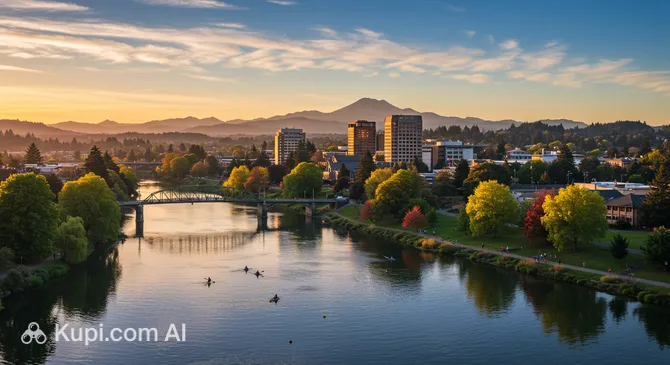
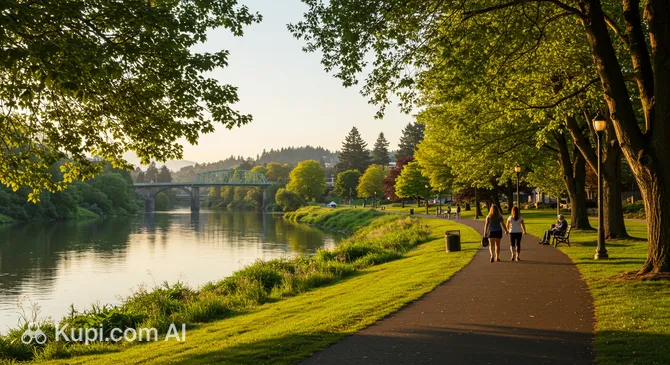
Eugene. Source: Kupi.Binoculars

The city is also the home of the University of Oregon, which deeply influences local life and culture. Exploring the history of Eugene reveals its transformation from a 19th-century trading post to a modern center of arts and athletics. The university's presence brings a youthful energy and contributes to the city's famous reputation as "Track Town, USA," a nod to its prestigious track and field heritage and world-class facilities.

Visitors are spoiled for choice when it comes to attractions. Nature enthusiasts can explore the expansive Alton Baker Park or hike the trails at the Mount Pisgah Arboretum for panoramic views of the valley. For those interested in local culture, the Eugene Saturday Market offers a delightful mix of artisan crafts, live music, and local food, perfectly showcasing the creative spirit of the community.

Whether you are drawn by the allure of outdoor adventures, the excitement of collegiate sports, or the charm of local art scenes, Eugene welcomes you with open arms. It is an ideal destination for travelers seeking a refreshing escape into nature without sacrificing the comforts and entertainment of city life.
Weather Overview

Travelers planning a visit to the Willamette Valley can generally expect warm, dry summers and cool, wet winters. To help you pack appropriately for your trip, it is helpful to review the detailed forecast and historical trends regarding the weather in Eugene.

The summer season, particularly July and August, offers the most inviting conditions for outdoor adventures. During this peak time, average temperatures sit comfortably around 21°C, with daily highs frequently reaching 29°C. It is also the driest period of the year; July and August see almost no significant rainfall, with only one or two days of precipitation on average, ensuring plenty of sunshine for exploring.

Conversely, the winter months bring a shift towards cooler and damper conditions. From December through February, average temperatures hover between 5°C and 6°C, with lows rarely dropping below 1°C. Rainfall becomes much more frequent during this time; January alone typically experiences about 20 wet days, making a waterproof jacket an essential item for any winter itinerary.

Interesting Facts

Beyond the main attractions and scenic landscapes, Eugene holds many fascinating secrets that showcase its unique contribution to culture and history. From Hollywood connections to ancient artifacts, the city has plenty of surprising stories to tell.
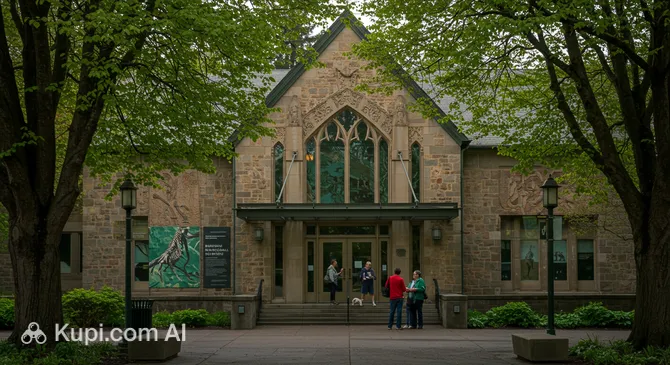
Museum of Natural and Cultural History. Source: Kupi.Binoculars
  • The city is widely considered the birthplace of the modern jogging craze in the United States. Local track coach Bill Bowerman introduced the concept of running for fitness to the American public in the 1960s after witnessing it in New Zealand, eventually publishing a best-selling book on the subject.

  • The Museum of Natural and Cultural History houses a truly remarkable treasure: the Fort Rock Sandals. These ancient shoes are approximately 10,000 years old, making them the oldest known footwear in the world.

  • Eugene is the cradle of the global sports brand Nike. Legend has it that co-founder Bill Bowerman created the first prototype of the waffle-soled running shoe by pouring liquid rubber into his wife's waffle iron at their local home.

  • Film buffs might recognize the city as the primary filming location for the classic 1978 comedy National Lampoon's Animal House. Most of the scenes, including the famous parade, were shot on the University of Oregon campus and the surrounding streets.

How to Get There

Planning a trip to the Willamette Valley is straightforward, thanks to a variety of transport options connecting the region to the rest of the country. Whether you prefer flying directly into the local hub or arriving at a major international gateway nearby, you can easily find a route that suits your itinerary. To help you prepare, you can read more about how to get to Eugene and discover the most convenient ways to reach this vibrant city.

The most direct option for air travelers is Eugene Airport (IATA: EUG), which is conveniently located within the city limits. Situated just 12.5 km from the city center, the airport allows for a quick transfer to downtown, with a taxi or car ride taking approximately 15 to 20 minutes. As a key regional hub serving around 1.7 million passengers annually, Eugene Airport offers essential connections and services for visitors.

For those seeking more extensive international connections, Portland International Airport (IATA: PDX) is the primary alternative. This major hub is located approximately 175.3 km from Eugene. While a private car or taxi offers a faster commute, travelers opting for bus or shuttle services should plan for a transfer time of about 3 to 4 hours. Handling over 17 million passengers a year, Portland International Airport provides a vast array of flight options and amenities.

For clarity, here is a summary of the main airports serving the region:

Airport Name City Passenger Traffic Km from City
Portland International Airport Vancouver Large 175.3
Eugene Airport Eugene Medium 12.5
Roberts Field Redmond Municipal Airport Redmond Medium 156.8
Southwest Oregon Regional Airport North Bend Small 116.7
McNary Field Keizer Small 95.6

Main Attractions

Eugene is famous for its abundant green spaces, and Alton Baker Park is arguably the crown jewel of the city's park system. Spanning roughly 400 acres along the north bank of the Willamette River, this expansive area offers something for every outdoor enthusiast. Visitors can enjoy miles of paved bike paths and running trails, including the celebrated Pre’s Trail, as well as open lawns perfect for picnics. It is a fantastic spot to immerse yourself in the local active lifestyle while enjoying scenic river views.

Alton Baker Park. Source: Kupi.Binoculars

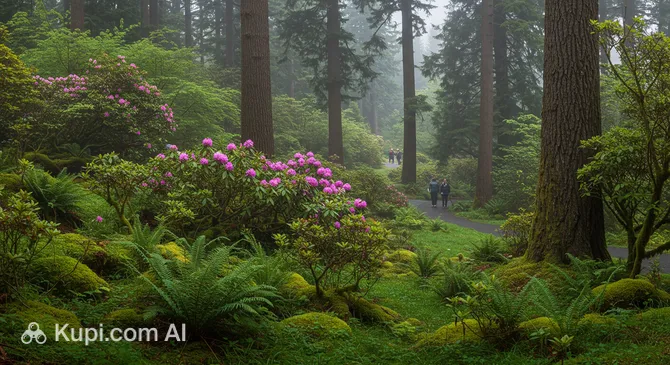
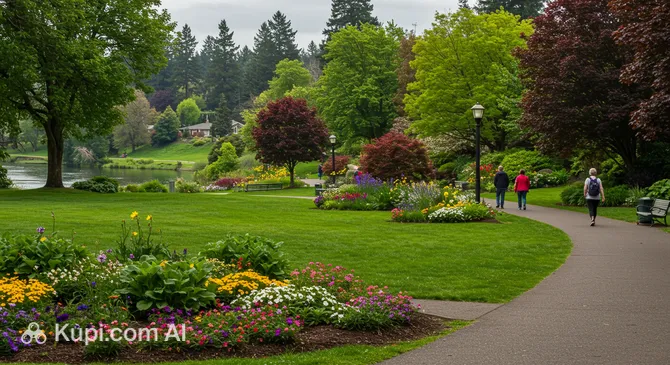
For a touch of history and botanical beauty, Hendricks Park is a must-visit destination. As the city's oldest park, it is renowned for its world-class rhododendron garden, which explodes with vibrant colors during the spring bloom. Beyond the flowers, the park features a network of trails winding through a mature forest of Douglas firs and Oregon white oaks. A hike here rewards tourists with a peaceful retreat and occasional sweeping views of the valley below.

Hendricks Park. Source: Kupi.Binoculars

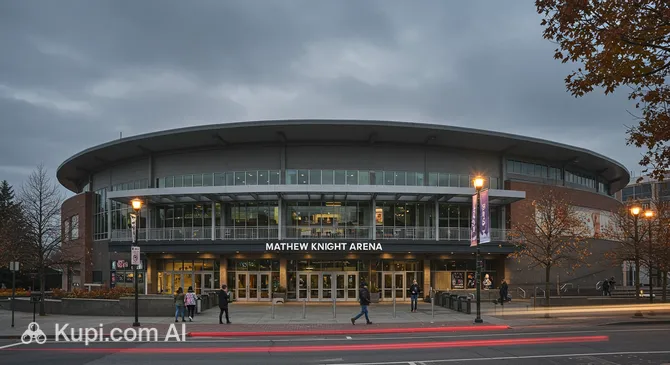
Sports culture is deeply embedded in the identity of the city, and nowhere is this more evident than at the Matthew Knight Arena. Home to the University of Oregon's basketball teams, this state-of-the-art facility is known for its distinctive court design, "Deep in the Woods," which features artistic tree silhouettes. Even if you are not catching a game, the arena hosts various concerts and major events, making it a central hub for entertainment in the area.

Matthew Knight Arena. Source: Kupi.Binoculars

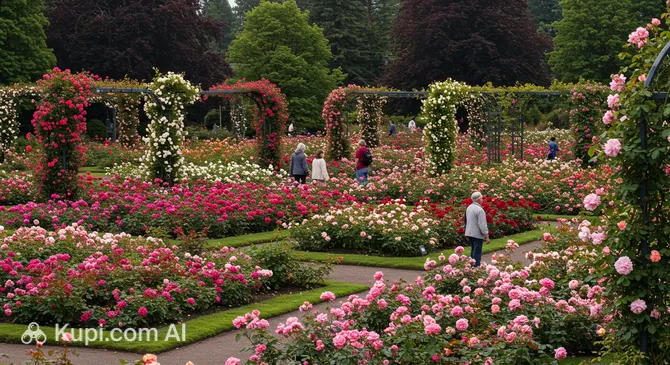
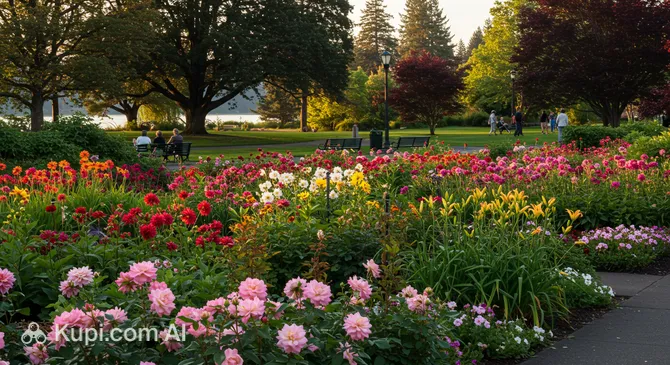
Located near the riverfront, the Owen Rose Garden offers a sensory delight for nature lovers and photographers. This picturesque garden is home to thousands of rose bushes representing hundreds of varieties, creating a stunning tapestry of fragrances and hues. The centerpiece of the grounds is a magnificent, historic cherry tree that dates back to the mid-19th century, providing a unique backdrop for a leisurely stroll or a quiet afternoon surrounded by floral beauty.

Owen Rose Garden. Source: Kupi.Binoculars

Local Cuisine

The culinary landscape of Eugene is deeply rooted in the agricultural abundance of the surrounding Willamette Valley. Known for its strong farm-to-table philosophy, the city offers a dining scene that prioritizes fresh, organic, and locally sourced ingredients. Visitors will find that the local cuisine is less about pretentious fine dining and more about high-quality, sustainable comfort food that reflects the region's fertile soil and creative spirit.

When exploring the local flavors, you simply cannot miss the chance to try anything made with marionberries. This caneberry hybrid, "born" in Oregon, is a local icon and features prominently in pies, jams, and even artisanal ice creams. Another staple of the region is the hazelnut (often called the filbert by locals), as Oregon produces the vast majority of the U.S. crop. You will find them roasted as snacks, encrusted on locally caught fish, or blended into rich desserts. For savory options, wild mushrooms and truffles forage-harvested from the nearby forests often grace the menus of the city's best kitchens.

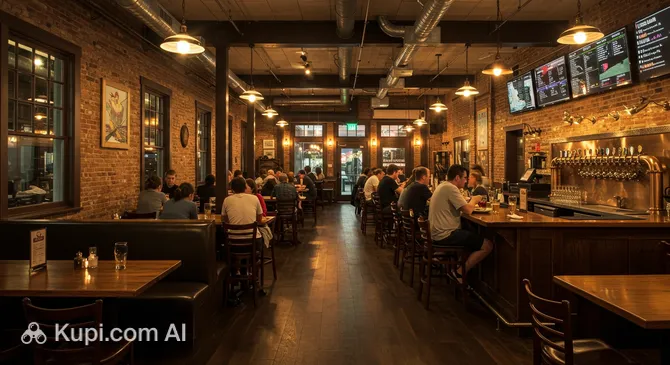
Eugene is also a paradise for craft beverage enthusiasts, particularly those who love beer. The city is a major player in the Pacific Northwest's craft brewing scene, boasting a high density of breweries and taprooms. A prime example of this culture is the Oakshire Public House, a popular community hub where locals gather to enjoy small-batch ales and lagers. The venue is also known for hosting a rotating selection of food carts, making it a perfect one-stop destination to sample diverse local bites alongside a cold pint.

Oakshire Public House. Source: Kupi.Binoculars

The food culture here is decidedly casual and community-oriented. One of the most defining features of the city's gastronomic scene is its love for food carts. Unlike in some cities where trucks are mobile, here they often congregate in semi-permanent "pods," creating open-air food courts that offer everything from gourmet grilled cheese to authentic international street food. This setup allows groups to grab different cuisines and eat together at communal picnic tables.

For a sit-down meal that captures the local preference for global flavors made with Northwest ingredients, places like Sabai Cafe & Bar are excellent choices. This spot is a favorite for its modern take on Thai cuisine, blending traditional spices with the fresh produce for which Oregon is famous. Whether you are browsing the famous Saturday Market for fresh pastries or settling in for a dinner of wild-caught salmon, eating in Eugene is a delicious exploration of the region's natural bounty.

Travel Tips

Welcome to Eugene, a city where outdoor adventure meets urban charm. To help you make the most of your visit to the Emerald City, we have compiled a list of practical tips that will ensure your trip is as smooth and enjoyable as possible.

  1. Clothing and Gear: The weather in the Pacific Northwest can be unpredictable, so packing layers is the golden rule. Even in summer, evenings can be cool. If you are visiting between October and June, a waterproof jacket with a hood is essential; locals rarely use umbrellas, preferring rain shells instead. Since Eugene is a walking and hiking hub, bring comfortable, sturdy shoes suitable for both city streets and muddy trails.

  2. Transportation: Eugene is incredibly bike-friendly, often ranked among the best in the nation for cyclists. Renting a bike or using the local bike-share system, PeaceHealth Rides, is a fantastic way to see the city. For longer distances, the Lane Transit District (LTD) operates an efficient bus system, including the rapid-transit EmX lines. Ride-hailing apps like Uber and Lyft are also readily available, though a car might be useful if you plan to explore the wider Willamette Valley or the coast.

  3. Finances: The local currency is the US Dollar (USD). Credit and debit cards are widely accepted at hotels, restaurants, and shops. However, carrying some cash is useful for small purchases at the Saturday Market or food carts. Tipping is customary in the United States; expect to tip between 18% and 20% for good service in restaurants, bars, and taxis.

  4. Health and Safety: Eugene is generally a safe destination for travelers. However, like many West Coast cities, it is wise to be vigilant with your belongings, especially in downtown areas or near the university district late at night. For medical needs, major pharmacies like Walgreens and CVS are easily accessible, and PeaceHealth Sacred Heart Medical Center provides comprehensive emergency care if required. Dial 911 for any urgent emergencies.

  5. Communication: English is the primary language spoken. Most locals are friendly and happy to help with directions. Free Wi-Fi is available in many coffee shops, the public library, and some public parks. If you need a SIM card, major carriers like AT&T, T-Mobile, and Verizon have stores throughout the city, including near the Valley River Center.

  6. Local Etiquette: The city prides itself on being environmentally conscious. You will notice distinct bins for recycling and composting almost everywhere; take a moment to sort your trash correctly. On hiking trails, a friendly nod or "hello" to passersby is the norm. Also, Oregon drivers are known for stopping for pedestrians, so be sure to use crosswalks and acknowledge drivers who yield to you.

  7. What to Avoid: Do not block the designated bike lanes. Cyclists in Eugene often commute at high speeds, and standing or walking in a bike lane can be dangerous and is considered rude. Additionally, avoid making negative comments about the rain; locals view the precipitation as the reason for the region's stunning greenery and often embrace the drizzle.

  8. Shopping Tip: Oregon has a ban on single-use plastic bags at checkout counters. Shops will charge a small fee for a paper or reusable plastic bag, so it is a great idea to carry a collapsible reusable shopping bag with you for groceries or souvenirs.

By keeping these tips in mind, you will be well-prepared to blend in with the locals and fully experience the laid-back, eco-friendly lifestyle of Eugene. Enjoy your exploration of this vibrant corner of the Pacific Northwest!

Entertainment & Nightlife

Nightlife and Entertainment:

Eugene comes alive after dark with a nightlife scene that perfectly mirrors its personality: laid-back, creative, and unpretentious. As a college town home to the University of Oregon, the city pulses with youthful energy, yet it offers plenty of sophisticated spots for a more mature crowd. The entertainment landscape here is less about velvet ropes and exclusive clubs, and more about craft breweries, live music venues, and social gaming bars where the atmosphere is welcoming and inclusive.

The heart of the action is found in Downtown Eugene, particularly around Broadway and Willamette Street. This walkable district is packed with pubs, dance clubs, and cocktail lounges. Just a short trip away is the Whiteaker neighborhood, affectionately known as "The Whit." This artsy, bohemian enclave is the epicenter of the local fermentation scene, bustling with breweries and funky dive bars that attract a mix of hipsters, artists, and beer aficionados.

For a nostalgic and energetic night out, Level Up Arcade is a local favorite in the downtown area. This venue combines a full-service bar with a vast collection of classic arcade games and pinball machines. It is the perfect spot to challenge friends to a game of Pac-Man while enjoying a local microbrew. The atmosphere is vibrant and social, making it an excellent ice-breaker destination for groups.

Level Up Arcade. Source: Kupi.Binoculars

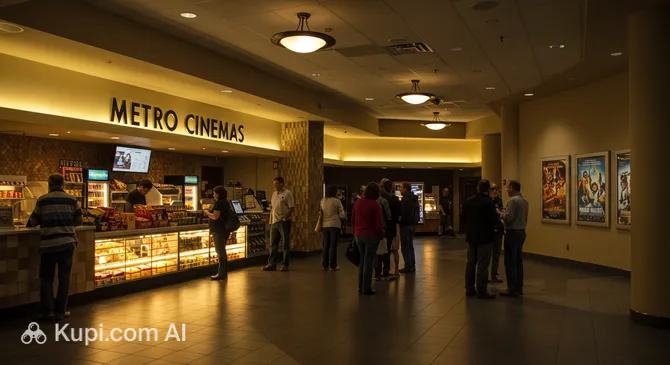
If you prefer a more relaxed evening immersed in culture, Metro Cinemas offers a distinct alternative to the typical megaplex experience. Located downtown, this venue showcases a curated selection of independent, foreign, and blockbuster films. It serves as a cultural anchor for the city's film buffs and provides a cozy setting for a low-key night out.

Metro Cinemas. Source: Kupi.Binoculars

Beyond the bars and screens, Eugene offers diverse entertainment options that span into the daytime. The city is home to the Hult Center for the Performing Arts, which hosts everything from symphonies to Broadway shows. For daytime exploration, visitors can enjoy the city's numerous museums or family-friendly amusement centers, ensuring there is always something to do before the sun goes down.

Practical Tips for Nightlife:

  • Dress Code: The vibe in Eugene is decidedly casual ("Pacific Northwest Casual"). Jeans, flannels, and comfortable shoes are the norm, even in the trendiest bars.
  • Timing: The nightlife peaks between 10:00 PM and 1:00 AM. Most bars close strictly at 2:00 AM.
  • Safety and Transport: Downtown and the Whiteaker are generally safe for walking in groups, but it is advisable to stick to well-lit main streets late at night. Ride-sharing services like Uber and Lyft are widely available and are the safest and most convenient way to get back to your accommodation.
  • Prices: Entertainment here is reasonably priced compared to larger cities. Expect to pay moderate prices for cover charges and drinks.

Parks & Museums

Eugene seamlessly blends cultural enrichment with outdoor recreation, offering visitors a variety of educational institutions and expansive green spaces. The city’s commitment to preserving its heritage and natural environment is evident in its well-curated museums and community-focused parks, which serve as gathering places for both locals and tourists.

A focal point for cultural exploration is the Museum of Natural and Cultural History, situated on the University of Oregon campus. As the primary repository for the state's anthropological and paleontological collections, it offers a deep dive into the story of the Pacific Northwest. Exhibits range from the geological forces that shaped the region to the rich traditions of Oregon’s Native American tribes. Visitors can explore interactive displays that bring millions of years of history to life, making it an engaging stop for families and history buffs alike.

For those seeking active relaxation, Amazon Park is a vibrant hub of activity in South Eugene. Spanning nearly 100 acres, this diverse recreational area features the popular Amazon Pool, community gardens, and an extensive network of running trails covered in bark chips—a favorite among the city's joggers. The park also boasts a large, well-maintained dog park, making it a perfect destination for travelers with furry companions.

Amazon Park. Source: Kupi.Binoculars

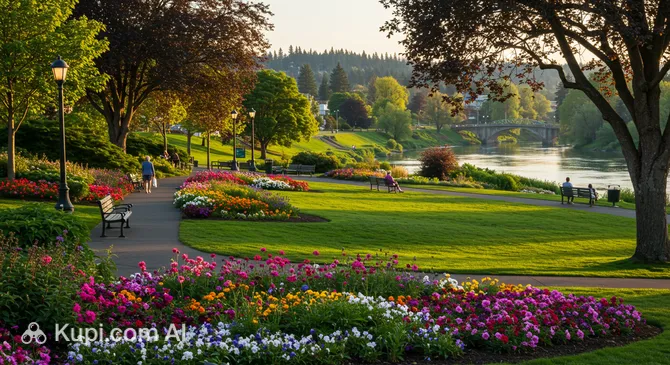
Located along the banks of the Willamette River, Island Park offers a picturesque setting that feels miles away from the urban bustle. Known for its majestic heritage trees and open grassy areas, it is an idyllic spot for picnics and leisurely afternoons. The park frequently hosts outdoor concerts and community festivals, utilizing its natural amphitheater to create a memorable atmosphere accompanied by the gentle sounds of the river.

Island Park. Source: Kupi.Binoculars

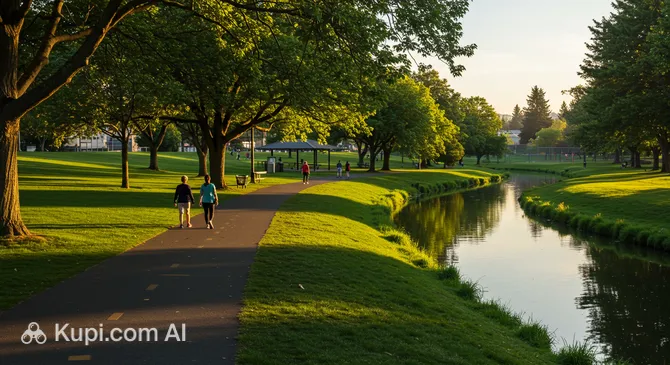
Further enriching the city's riverfront greenway is Maurie Jacobs Park. This space is particularly appreciated for its connectivity, linking to the Ruth Bascom Riverbank Path system and providing easy access to the pedestrian bridge across the Willamette. With its soccer fields and peaceful benches overlooking the water, it serves as a great starting point for a bike ride or a quiet place to watch the river flow by.

Maurie Jacobs Park. Source: Kupi.Binoculars

In the historic West Jefferson neighborhood, Monroe Park provides a charming, smaller-scale retreat. Characterized by its unique sculpture play area and artistic touches, this neighborhood park reflects the creative spirit of the surrounding community. It is a lovely spot for a quick break while exploring the city's residential districts.

Monroe Park. Source: Kupi.Binoculars

Getting Around

Navigating Eugene is straightforward and convenient, thanks to a well-integrated public transport network managed by the Lane Transit District (LTD). The backbone of the city's transit system is an extensive bus network that connects downtown with neighborhoods, shopping centers, and the University of Oregon campus. While the city does not have a subway or traditional tram system, it features the Emerald Express (EmX), a Bus Rapid Transit (BRT) service. The EmX functions similarly to a light rail line, utilizing dedicated lanes and priority signaling to provide frequent and rapid service along key corridors, making it the most efficient way to travel between major districts.

The payment system for public transport is modern and user-friendly. Travelers are encouraged to use the Umo Mobility app, which allows you to purchase fares instantly on your smartphone and validate them by scanning a QR code upon boarding. Alternatively, reloadable smart cards are available for those who prefer a physical ticket. If you choose to pay with cash on standard buses, be aware that drivers cannot provide change, so you must have the exact fare ready. For tourists planning to explore the city throughout the day, purchasing a Day Pass is often the most economical option, offering unlimited rides for a low flat rate.

For a seamless experience, visitors should download the Umo app or the LTD official app before arriving to check real-time schedules and plan routes. While the EmX lines run frequently—often every 10 to 15 minutes on weekdays—standard bus routes may have reduced frequency during evenings, weekends, and holidays. It is advisable to check the "Last Trip" times if you are planning a night out, as many routes stop running before midnight. Validation is simple: tap your card or scan your phone at the readers located at the front of standard buses or at the station platforms for EmX lines.

Given Eugene's reputation as one of the most bicycle-friendly cities in the region, cycling is a highly popular alternative to motorized transport. The city offers a bike-share program known as PeaceHealth Rides, recognizable by its bright blue bicycles stationed at hubs throughout the downtown and university areas. Renting a bike is an excellent way to utilize the extensive network of dedicated bike paths and riverfront trails. For those who prefer car travel, ride-sharing services like Uber and Lyft are widely available and offer a quick way to reach destinations not directly served by the bus network, alongside traditional local taxi companies.

A unique feature of the local transport landscape is the strong emphasis on sustainability. Many of the LTD buses are hybrid-electric, aligning with the city's eco-conscious culture. Additionally, the main transit hub, Eugene Station, is located right in the heart of downtown, making it an easy reference point for tourists. Whether you choose to ride the rapid green EmX buses or pedal along the Willamette River, getting around the city is designed to be accessible and environmentally friendly.

Accommodation

Finding the perfect place to stay in Eugene is relatively easy, as the city offers a diverse array of accommodation options to suit various tastes and budgets. Visitors can choose from reliable major hotel chains, charming boutique inns, and budget-friendly motels. For those seeking a more home-like experience, there is also a growing selection of vacation rentals and apartments, which are particularly convenient for longer stays or families.

When choosing a location, Downtown Eugene is a top choice for travelers who want to be in the heart of the action. Staying here places you within walking distance of local dining, the Saturday Market, and cultural venues. Another popular area is the district surrounding the University of Oregon and the Matthew Knight Arena. This location is ideal for prospective students, visiting families, and sports fans attending events, though it can be bustling and lively.

For a quieter atmosphere that is still convenient, consider the area north of the Willamette River near the Valley River Center. This district offers easy access to shopping and dining while providing a peaceful setting along the riverbank paths. It is a great base for those who plan to explore the outdoors or prefer a more relaxed environment away from the city center.

Booking Tip: Because Eugene is known as "Track Town, USA" and is home to a major university, accommodation availability can fluctuate significantly. It is highly recommended to book your room well in advance if your trip coincides with major track and field championships, football games, or university graduation dates, as hotels often sell out quickly during these peak times.

In terms of pricing, the city generally falls into the mid-range category, offering good value compared to larger West Coast cities. However, prices can spike during major local events. Booking is straightforward, with most properties available on major online travel platforms, though booking directly with smaller inns can sometimes yield better rates or personalized service.

Nearby Cities

For those looking to explore the surroundings, Eugene serves as an excellent base for day trips to several interesting nearby locations:

One of the most popular excursions is to Bend, located to the east across the Cascade Mountains. Known for its sunny high-desert climate, this city is a paradise for outdoor enthusiasts, offering exceptional hiking, skiing at Mt. Bachelor, and a renowned craft brewery scene. It provides a distinct change of scenery from the lush greenery of the Willamette Valley.

Just a short drive north lies Corvallis, a charming city that shares a collegiate atmosphere with Eugene as the home of Oregon State University. It features a historic downtown area perfect for strolling and scenic parks along the river. Further afield, McMinnville attracts visitors with its prime location in the heart of Oregon's wine country, famous for its Pinot Noir, as well as the impressive Evergreen Aviation & Space Museum, which houses the famous "Spruce Goose."

City Population Distance (km)
Bend 109,224 142
Corvallis 66,090 59
Keizer 39,119 104
Oregon City 37,000 150
McMinnville 34,224 129

These nearby destinations offer a glimpse into the diverse culture and landscapes of the region.

Shopping & Souvenirs

Shopping:

Shopping in Eugene is a delightful experience that combines the charm of local craftsmanship with the convenience of modern retail. Visitors are often pleasantly surprised by the variety of options available, ranging from quirky independent boutiques and eco-friendly stores to large shopping centers. One of the most significant advantages for tourists is that Oregon has no state sales tax, making every purchase effectively cheaper than in many other parts of the country. Whether you are looking for outdoor gear, unique art, or standard fashion, the city offers a relaxed and budget-friendly environment for retail therapy.

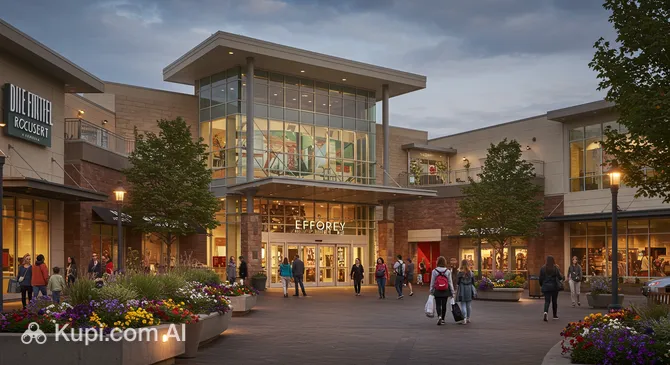
For a traditional shopping experience, the Valley River Center is the largest regional shopping mall in the area. Located on the banks of the Willamette River, this expansive indoor complex features a wide array of department stores, popular fashion chains, and specialty shops. It serves as a primary destination for those seeking well-known national brands and offers a comfortable, climate-controlled environment perfect for spending a rainy afternoon.

Valley River Center. Source: Kupi.Binoculars

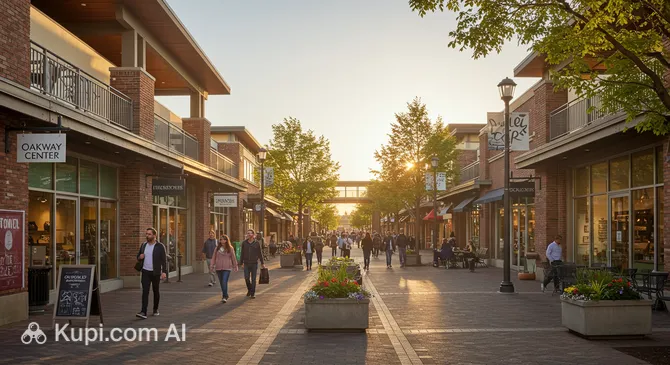
If you prefer an upscale, open-air atmosphere, the Oakway Center is a premier destination. Situated under a canopy of heritage oak trees, this lifestyle center blends shopping with dining and relaxation. It hosts a curated selection of high-end boutiques, home decor stores, and specialty retailers. The beautiful landscaping and outdoor plazas make it a pleasant place to stroll, grab a coffee, and browse for quality goods in a sophisticated setting.

Oakway Center. Source: Kupi.Binoculars

Beyond the malls, the 5th Street Public Market district acts as the vibrant heart of downtown shopping. This historic area is teeming with local flavor, featuring a collection of unique shops, tasting rooms, and eateries housed in renovated buildings. Here, you can find everything from handmade jewelry and artisan chocolates to stylish clothing. It is an excellent spot to discover the creative spirit of Eugene and pick up items you won't find anywhere else.

A true staple of the city's culture is the Eugene Saturday Market. Operating weekly from April through mid-November, it is the oldest weekly open-air crafts market in the United States. This is not just a place to shop; it is a community event where hundreds of local artisans sell handcrafted goods directly to the public. From tie-dye clothing and pottery to organic skincare and woodwork, the market is the ultimate destination for authentic, locally made treasures.

When hunting for souvenirs, look for items that reflect the Pacific Northwest lifestyle. Hazelnuts (filberts) are a top choice, as Oregon produces nearly all of the U.S. supply; you can find them chocolate-covered, roasted, or seasoned. University of Oregon gear—featuring the famous "O" or the Ducks mascot—is also a classic keepsake. Additionally, due to the city's "hippie" heritage, tie-dye apparel and hand-blown glass art are iconic local gifts.

Most major shopping centers and department stores are open from 10:00 AM to 9:00 PM on weekdays and Saturdays, with slightly reduced hours on Sundays (often 11:00 AM to 6:00 PM). Independent boutiques downtown may close earlier, typically around 6:00 PM. Credit and debit cards are universally accepted, though carrying some cash is advisable for small vendors at the Saturday Market.

Tax-Free Shopping: As mentioned, Oregon is one of the few U.S. states with 0% sales tax. This applies to all retail goods, including clothing, electronics, and souvenirs. There is no refund procedure or paperwork required at the airport; the price you see on the tag is exactly what you pay at the register, offering immediate savings for international and domestic travelers alike.

Reached the end of the page?

That means the route is fully explored