Support

Colorado Sightseer

About

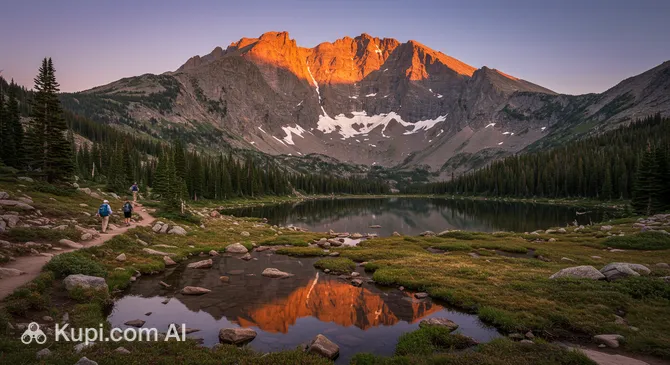
A journey to the majestic Rocky Mountain National Park is a must-see for anyone visiting Colorado. It is a true natural wonder in the USA, where snow-capped peaks meet crystal-clear lakes, and alpine meadows give way to dense coniferous forests. Although the mountains themselves lie beyond the metropolitan area, the city of Denver serves as the perfect starting point for exploring them.
\n
Rocky Mountain National Park. Source: Kupi.com AI
\n

What makes this place special is the opportunity not just to view the peaks from afar, but to truly become part of the landscape. Professional tour operators, such as Colorado Sightseer, offer a unique way to experience the region. Instead of tiring solo drives along complex mountain switchbacks, tourists can trust the experts and head out on small group or private trips, focusing entirely on the surrounding beauty.

\n

This destination is primarily interesting because it combines outdoor activity with an educational component. Professional guides don't just drive you to viewpoints; they share knowledge about the geology, unique flora, and fauna of the Rockies. This turns a park visit into more than just a walk—it's a true immersion into the ecosystem of one of the world's most famous mountain ranges.

Contacts

To clarify trip details or book a private tour, you can use the official communication channels. The tour operator's office is located in a convenient part of the city, making it easy to resolve all organizational matters before the journey begins.

Address 600 S Holly St Ste 200, Denver, CO 80246, USA
Phone +1 303-423-8200
E-mail business@coloradosightseer.com
Official Website https://www.coloradosightseer.com/

What to Do

A vast variety of activities awaits you in this natural corner. The main focus is on hiking along the most picturesque trails of the Rocky Mountains. Depending on the season and your preferences, you can embark on a classic tour of Rocky Mountain National Park, see the famous Peak to Peak Scenic Byway, or visit the charming town of Estes Park. In summer, blooming valleys await you, and in winter, the snow-covered slopes look like something out of a fairytale.

Besides hiking, wildlife watching is an essential part of the experience. Thanks to the expertise of seasoned guides, you'll have the chance to see elk, deer, and rare birds in their natural habitat. For lovers of panoramic views, trips are organized to high-altitude lakes like Echo Lake and to the famous Red Rocks amphitheater, where natural rock formations create a perfect acoustic bowl.

For those who want to learn more about the region's history, themed tours dedicated to the "Gold Rush" era are available, including visits to old mines. Small groups allow guides to adapt the pace to each participant, making the journey comfortable for both experienced hikers and those who prefer relaxed sightseeing tours without heavy physical exertion.

Getting There

Getting to the starting point of your mountain adventure is quite simple. The office where the main routes begin is located at 600 S Holly St Ste 200 in Denver. If you plan to travel by car, the drive from the city center will take about 20–30 minutes, and convenient visitor parking is provided on-site.

For those who prefer public transport, you can take the RTD system buses to the Holly St area. After getting off the bus, you will need to walk or take a taxi (an Uber or taxi ride from the nearest stops will take no more than 5–10 minutes). The journey from Denver International Airport (DEN) is about 30–40 minutes by car.

It's important to remember that the company provides its own transport for the mountain excursions, so you will only need a personal vehicle to reach the office. It is recommended to arrive at the meeting point early to meet your guide and prepare for departure.

History & Facts

The history of these lands began long before they became a popular tourist destination. For centuries, the area of the current park was used by Native Americans—specifically the Ute and Arapaho tribes. They hunted here and set up seasonal camps, considering the mountains sacred. In 1820, the region was explored by an expedition led by Stephen H. Long, whose name is now carried by one of the highest points—Longs Peak.

In the late 19th century, "fever" struck the mountains: in the 1870s, prospectors founded settlements like Lulu City and Dutchtown in hopes of finding gold and silver. However, mining proved to be less profitable than expected, and by 1883, the miners abandoned their claims, leaving behind only ghost towns. It was then that people realized the true value of these places lay in their pristine beauty rather than their mineral wealth.

The naturalist Enos Mills played a huge role in creating the protected area. He was called the "Father of Rocky Mountain National Park" for his tireless struggle for nature conservation. He wrote thousands of letters and articles, lobbying for the region's interests in Congress. Thanks to his efforts, on January 26, 1915, President Woodrow Wilson signed the act officially establishing the country's tenth national park.

In the following decades, the park developed actively with the construction of roads and tourist lodges. The most significant project was the building of the famous Trail Ridge Road in the 1930s. This highway, traversing breathtaking heights, opened access to the most remote corners of the mountains, allowing millions of people to admire alpine landscapes from their cars.

Time Needed

To fully enjoy the beauty of the Rockies, you should plan your time based on the duration of your chosen route. If you opt for a half-day sightseeing tour, you will need about 4–5 hours. This is enough to see the main panoramas and take memorable photos against the backdrop of mountain lakes.

However, for a deep immersion into the atmosphere of Rocky Mountain National Park, experienced travelers recommend allocating a full day (from 8 to 10 hours). This timeframe includes the transfer from Denver, several hikes of varying difficulty, and time for lunch in a scenic spot. This format allows you to explore remote trails without rushing and increases your chances of spotting wildlife in their natural habitat.

Working Hours

When planning your trip, it's important to note that access to tour programs and guided services is available daily. The official operating hours for tour organizers are from 07:00 to 19:00 (Monday to Sunday).

Since mountain weather can be unpredictable and access to certain areas of the park may occasionally be restricted by the Forest Service, it is recommended to always check for the latest updates on the official website before heading out.

Nearby

After returning from a mountain hike or before starting your excursion, you'll have a great opportunity to explore interesting places in Denver and its immediate suburbs. The area surrounding the office and the city offers plenty of entertainment for the whole family—from theme parks to educational centers.

Exploring local attractions can complement the impressions of the Rocky Mountains' natural grandeur with more dynamic urban leisure. The table below lists the most popular sites located nearby.

Attraction Name Distance (km)
Elitch Gardens 9
Downtown Aquarium 9.4
Pirates Cove Water Park 11.3
Lakeside Amusement Park 14
Urban Air Trampoline and Adventure Park 18
Water World 18.5
Slick City Action Park 20.2
Boondocks Food and Fun - Parker 20.9
Boondocks Food and Fun - Northglenn 22.7
Bounce Empire 34.1

Reached the end of the page?

That means the route is fully explored