Support

Douglas

About

Douglas is a charming city in Georgia that epitomizes authentic Southern hospitality. Located in the southeastern USA, this cozy corner serves as the county seat of Coffee County. With a population of about 16,000, Douglas maintains a close-knit community atmosphere where traditions intertwine with modern comfort. Geographically, the city is situated on flat terrain, which contributes to a mild climate with warm winters and hot, humid summers, perfect for outdoor activities most of the year.

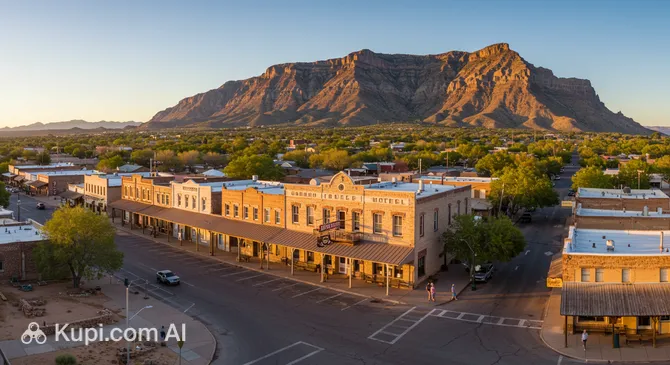
Douglas. Illustration.
Source: Kupi.com AI

Douglas's rich history is inextricably linked to the development of railroads and aviation, which left a noticeable mark on the city's character. One of the main attractions is the World War II Flight Training Museum. This unique site, located on the grounds of a former training airfield, is considered the most well-preserved facility of its kind in the country, where cadets once took their first steps into the sky.

Nature lovers should definitely visit General Coffee State Park. Here, you can stroll along scenic trails among cypresses and swamps, see rare gopher tortoises, and learn about the region's agricultural past at a vintage farm located right in the park. Douglas is a wonderful place for those seeking a peaceful getaway, wanting to touch living history, and enjoy the slow pace of life in the American South.

Weather Overview

The climate in Douglas is typical for the American South: it is warm and humid. Summer can be truly hot, especially in July and August, when average temperatures are around 28°C, and daytime highs regularly exceed 33°C. This period also sees the most rainfall: for example, in July, it can rain for up to 20 days a month, making an umbrella a traveler's essential accessory.

Winter, on the other hand, is mild with no severe frosts. Even in January, the average temperature stays around 11°C, and nighttime lows rarely drop below 5°C. Spring and autumn are considered the most comfortable seasons for a visit. In May, the air warms up to a pleasant 24°C, and October is the driest month of the year, with only about 5 rainy days recorded.

Overall, expect a hot summer with frequent showers and mild, comfortable winters. Before planning your trip, we recommend checking the detailed weather in Douglas to choose the ideal time for your vacation and pack your bags correctly.

Average monthly temperature

Average monthly precipitation

Interesting Facts

Beyond the main attractions, Douglas holds many fascinating details revealed only to the most curious travelers. Here are a few facts that will help you see this city from a new perspective:

  • Not a Coffee Story. The name of Coffee County, centered in Douglas, often misleads tourists. Contrary to the associations, it has nothing to do with the beverage. The county was named after General John Coffee, a prominent 19th-century military figure and hero of the War of 1812.

  • Tortoise Festival. Douglas is known for an unusual celebration—the Gopher Tortoise Festival. This annual event is dedicated to the gopher tortoise, the official state reptile of Georgia. The festival has been held for many years and includes musical concerts, craft fairs, and educational programs about wildlife.

  • Musical Roots. The city is proud of its talented natives. It was here that Jennifer Nettles—the famous lead vocalist of the country duo Sugarland and a Grammy Award winner—was born and began her creative journey.

  • Architectural Heritage. The historic city center, listed on the National Register of Historic Places, has preserved its unique early 20th-century look. The 1911 Union Banking Company building is particularly noteworthy as a striking example of Neoclassical architecture of that period.

How to Get There

When planning a trip to this cozy corner of Georgia, it is important to think through the logistics in advance, as there are no direct flights to the city itself. You can find more details about how to get to Douglas by exploring all available routes and choosing the most convenient option for yourself.

The city of Douglas itself does not have an airport with scheduled passenger flights, so travelers usually fly into neighboring cities. One of the most convenient options for international and long-distance flights is Jacksonville International Airport (JAX). It is located in Yulee, about 158 km from Douglas. This is a major transport hub receiving flights from all over the country. The trip from here by taxi or rental car will take approximately 2 hours, traveling along main highways without significant delays.

If you are looking for a closer option, consider Valdosta Regional Airport (VLD), located in the city of Valdosta. This is a small regional airport just 90 km from your destination. The journey from here to central Douglas is much shorter, taking about 1 hour to 1 hour 15 minutes by car. Also popular is Savannah/Hilton Head International Airport (SAV)—an important regional hub located in Savannah, which is a little over a 2-hour drive away.

For convenience, here is a summary of the main airports you can use to reach the city:

AirportPassenger trafficDistance
Valdosta Regional Airport84 20090 km
Southwest Georgia Regional Airport81 000128 km
Hinesville/Ft Stewart (MidCoast Regional)5 000130 km
Glynco Jetport45 000134 km
Jacksonville International Airport7.6 mln158 km

Regarding rail connections, there are no major passenger stations convenient for tourists in the immediate vicinity of Douglas. The primary way to travel around this region of the USA remains the car. We recommend renting a car at one of the arrival airports: this will not only solve the transfer issue but also allow you to freely explore the picturesque surroundings of Georgia at your own pace.

Main Attractions

Although Douglas is a small city, it offers travelers a surprising variety of experiences: from unique natural landscapes to a deep dive into local history. Here, you can find entertainment for every taste, whether it's walking along protected trails or exploring the cultural heritage of the American South.

One of the region's most impressive natural gems is the Broxton Rocks Preserve. This place captures the imagination with landscapes atypical for flat Georgia: visitors are presented with massive sandstone rocks, deep crevices, and picturesque waterfalls that are especially full after rains. The preserve is home to many rare plants, including unique orchid species. It is worth noting that access to this fragile ecosystem is often limited to organized tours or requires prior registration, making a visit here an exclusive event.

History buffs should definitely stop by the Heritage Station Museum, located in a historic 1905 railway depot. The museum's exhibits fascinatingly tell the story of Coffee County's past, emphasizing the key role of the railroad in the city's development. Visitors can see a collection of authentic artifacts, historical photographs, and everyday objects covering themes from agriculture to military history, providing a better understanding of the spirit and traditions of this part of the USA.

The heart of the city's cultural life is historic downtown Douglas, perfect for a leisurely stroll. The architectural focal point of the area is The Martin Centre. This beautifully restored Art Deco theater, built in the mid-20th century, today serves as the main venue for concerts, plays, and community events. Additionally, the city center is famous for its antique shops and cozy boutiques where you can find unique souvenirs and vintage items.

For culinary tourism enthusiasts, a visit to Paulk Vineyards will be of interest. This well-known family enterprise specializes in growing muscadine grapes—a sweet and aromatic berry traditional to the southern states. Guests can enjoy a tasting of local wines and jellies, learn about the intricacies of winemaking in this climate, and soak in the peaceful atmosphere of a country farm.

Local Cuisine

The gastronomic scene in Douglas is a true journey into the world of traditional Southern cuisine, often called "comfort food" in the USA. They don't chase high fashion or molecular experiments here; instead, local chefs focus on heartiness, rich flavor, and home recipes passed down through generations. Food in this region is a way to show care and hospitality.

The foundation of the menu in most establishments is barbecue. In Georgia, preparing meat is treated as an art: pork is slow-cooked over low heat until it easily falls off the bone. Be sure to try the pulled pork with signature sauces, which can range from vinegar-spicy to sweet mustard-based. Another culinary pillar is fried chicken in a crispy breading, often served with waffles or fluffy biscuits under thick gravy.

Side dishes occupy a special place in Douglas's cuisine, and no full meal is complete without them. Tourists should look out for grits (corn porridge), which are masterfully prepared here, often with cheese or shrimp added. Collard greens (stewed leafy vegetables), fried okra, and, of course, macaroni and cheese are also popular. Given the region's agricultural focus, many ingredients come straight from local farms, guaranteeing freshness.

Speaking of local specialties, one cannot fail to mention muscadine grapes. Since Douglas and its surroundings are a major center for growing this crop, you will find many products based on it: from jams and jellies to savory sauces for meat. It’s an excellent gastronomic souvenir reflecting the unique taste of the local land.

As for drinks, sweet tea is the king of the table. In the South, it's not just a drink but a part of the cultural code; it's served almost everywhere and is always very sweet and ice-cold. For those who prefer alcoholic beverages, local muscadine wine will be of interest, distinguished by its bright fruity aroma and natural sweetness.

The dining culture in Douglas is very casual. Locals prefer to eat at family diners and "Meat and Three" style restaurants, where the customer chooses one type of meat and three side dishes. This is a great way to try several traditional dishes at once for a reasonable price. Small roadside BBQ joints are also popular, where the atmosphere is as relaxed as possible and food is often served in simple baskets or on paper plates.

Travel Tips

A trip to Douglas promises to be peaceful and heartfelt, but even in such a cozy city, it’s worth knowing a few nuances in advance. We’ve gathered practical recommendations to help you avoid minor inconveniences and enjoy Southern hospitality without extra worry.

  1. Clothing and Seasonality. Summers here are hot and humid, so choose loose clothing made from natural fabrics (cotton, linen). Be sure to bring a hat and sunglasses. If you're traveling in winter, layered clothing and a light jacket will be useful, as evenings can be cool. Given the nature parks, you will definitely need comfortable closed-toe shoes for walking the trails.

  2. Transport Issues. Public transport in the city is poorly developed and not tourist-oriented. The most reliable and comfortable way to get around is renting a car. This will give you the freedom to visit not only downtown but also more distant attractions. Taxi apps (Uber, Lyft) work, but wait times might be longer than in big cities.

  3. Money and Payment. The currency is the US dollar. Bank cards are accepted almost everywhere, but it's highly recommended to have some cash (small bills) for farmers markets, small family shops, or festivals. In restaurants, it's customary to leave a tip of 15–20% of the bill, as service is usually not included.

  4. Health and Safety. Douglas is a safe city, but standard precautions apply. Pay main attention to nature protection: in summer, be sure to use insect repellent (for mosquitoes and gnats), especially near water. Major chain pharmacies operate on convenient schedules, but there may not be 24-hour locations. The emergency number is 911.

  5. Communication and Language. The primary language is English. Be prepared for a specific Southern accent, which might seem fast or drawn-out at first; don't hesitate to politely ask for clarification. Free Wi-Fi is available in most hotels and cafes, but in nature preserves (like Broxton Rocks), mobile signal can be unstable. Download offline maps in advance.

  6. Local Etiquette. The South is famous for its manners. It’s customary to greet strangers on the street, hold doors open, and smile when making eye contact. Addressing people as "sir" and "ma'am" is considered standard politeness. Don't be surprised by small talk: a cashier or waiter might sincerely ask how your day is going—you should respond in a friendly manner.

  7. What to Avoid. Do not enter private property or farm lands without explicit permission—private property boundaries are strictly respected here. Also, try not to show impatience or rush in lines or when being served: the rhythm of life in Douglas is more measured, and being hurried can be perceived as rudeness.

  8. Sunday Quiet. Keep in mind that the region is quite religious. On Sundays, especially in the first half of the day, many shops, boutiques, and independent restaurants might be closed or have reduced hours. Plan your shopping and important errands for other days of the week.

By following these simple tips, you'll be able to feel at home in Douglas and avoid typical tourist mistakes. We wish you a pleasant journey and warm memories of meeting the real American South!

Entertainment & Nightlife

Nightlife in Douglas is a reflection of the calm and measured rhythm of the American South. You won't find noisy nightclubs with laser shows operating until dawn here. Instead, the city offers cozy evenings in the company of friends, live music in historic interiors, and soulful dinners. Most activity is concentrated downtown and along the main streets, where locals gather to relax after a workday. The atmosphere is always relaxed and friendly, and the dress code in most establishments is "casual," so jeans and a shirt are appropriate everywhere.

The center of cultural and evening life is rightfully considered The Martin Centre. This historic Art Deco theater is the region's main concert venue. It regularly hosts performances by musical groups, comedy shows, and theatrical productions. If you're planning an evening out, be sure to check their schedule: a concert at "The Martin" is a great way to feel the local flavor and enjoy quality sound in an elegant setting.

For those who prefer combining dinner with good drinks, Hardware House is an excellent choice. The restaurant is located in a restored historic hardware store building, which gives it a special charm. It's a popular spot for Friday gatherings where you can try excellent Southern cuisine and enjoy a cocktail in a lively but not deafening atmosphere. Also worth noting is Rockin' 8 Cinemas—a modern movie theater where you can watch the latest global releases in comfortable seats. This is a classic American pastime, popular among residents of all ages.

If you're looking for a spot with more of a bar vibe, head to Peterson Avenue. Several late-night establishments are concentrated in this area, such as sports bars and grill restaurants like Time Out Sports Bar & Grill. Here you can watch game broadcasts, play pool, and order classic American appetizers with your beer. The crowd here is simple and open, making tourists feel comfortable.

When planning your evening, keep a few practical points in mind:

  • Opening Hours: "Night" in Douglas ends earlier than in major cities. Restaurant kitchens often close by 9:00 PM–10:00 PM, and bars may stay open until midnight or slightly later on weekends.
  • Transport: Public transport does not run at night. The most reliable way to get back to your hotel is a rental car or a taxi. Make sure you have the numbers for local taxi services or a working app, as hailing a car on the street is impossible here.
  • Safety: Douglas is a safe city, and evening walks downtown are generally worry-free. However, as with anywhere, it’s best to stick to well-lit streets and not leave valuables in plain sight in your car.
  • Prices: The cost of entertainment here will pleasantly surprise you: the average bill for dinner with drinks will be significantly lower than in Atlanta or Savannah.

Daytime entertainment in Douglas is equally interesting and often tied to nature and history. Families with children will enjoy visiting local parks for a picnic or a trip to the World War II Flight Training Museum, which fascinates even those far from aviation with its exhibits. The city is ideal for those who want to slow down and enjoy the simple joys of life away from the hustle and bustle of megacities.

Parks & Museums

Douglas will surprise you with its harmonious blend of natural beauty and carefully preserved historical heritage, offering tourists a rich recreational program. Despite its modest size, the city and its surroundings feature unique protected areas and museums that allow for a deep immersion into the atmosphere of the American South and provide insight into the region's important role in the country's history.

The primary natural attraction of the area is rightfully considered General Coffee State Park. It's not just a place for picnics, but a true sanctuary of Southern nature, where you can see cypress swamps through which the picturesque Seventeen Mile River flows. The park is famous for its biodiversity: rare species of amphibians and reptiles live here. Of special interest is the "Heritage Farm" located on the grounds, which recreates the 19th-century life of rural residents with animal pens, log cabins, and gardens.

For those seeking wilder and more unusual landscapes, a visit to Broxton Rocks Preserve is a must. This is a geological wonder of Georgia: here, amidst the flat plains, massive sandstone rocks suddenly emerge, forming a system of crevices and caves. Rare plant species atypical for this latitude grow in the preserve, and unique waterfalls can be found that come to life after rains. Visiting this site often requires prior planning, as access may be restricted to preserve the fragile ecosystem.

The cultural program in Douglas is inextricably linked to aviation history. The World War II Flight Training Museum is a place that takes the breath away of history buffs. It is located at the former 63rd AAF Flying Training Detachment base, where thousands of cadets learned to fly planes before being sent to the front. The museum's uniqueness lies in the fact that it is a one-of-a-kind complex in the USA, preserved almost in its original form: from barracks and hangars to training aircraft of that era.

To better understand how the city developed, it's worth visiting the Heritage Station Museum. It occupies an old railway depot building built in the early 20th century. The museum's exhibits cover a wide range of topics: from the history of indigenous peoples and early settlers to the development of agriculture and industry in Coffee County. Here you can see vintage photographs, tools, and household items that tell the story of the daily lives of past generations.

Architecture lovers will enjoy a stroll through historic downtown Douglas. The area is listed on the National Register of Historic Places and has preserved the charm of the Old South. The crown jewel of downtown is The Martin Centre—a former Art Deco cinema that today serves as the main stage for concerts and plays. Notice the details of the early 20th-century commercial building facades, which give the streets a special character.

If you want a truly authentic experience, look for McCranie's Turpentine Still, located within General Coffee State Park. This is a very rare preserved site demonstrating the process of producing turpentine and rosin from pine resin—an industry that was once the backbone of the region's economy. Seeing this industrial monument means touching a forgotten but important page of Georgia's history.

Getting Around

The public transport system in Douglas has its own characteristics typical of small American cities. It is important for tourists to know that there is no standard network of route buses, trams, or subways. The urban infrastructure is designed for personal vehicle use, so for comfortable movement, you will have to adapt to the local rhythm of life.

The primary and most convenient way to get around the city and its surroundings is a rental car. Car rental points (such as Enterprise) are located both in the city itself and at the nearest airports. This provides complete freedom of action: you can easily reach nature parks, remote wineries, and shopping centers. Roads in Douglas are wide, traffic is calm, and there are practically no parking problems—in most places, including downtown and tourist sites, parking is free and accessible.

As an alternative to personal driving, you can use taxi and ridesharing services. The Uber and Lyft apps work in the city, but you should keep in mind that the number of drivers here is significantly smaller than in major cities. Wait times can range from 15 to 30 minutes, especially in the evenings or on weekends. There are also local taxi services in the city, the numbers for which are best obtained at your hotel reception. Payment in taxis and apps is standard: via a linked bank card or in cash (for local services).

For getting around the historic center (Downtown Douglas) specifically, transport is not required. This area is compact enough and has convenient sidewalks, making it ideal for walking tours. You can leave your car in one of the parking lots and leisurely explore shops, cafes, and the theater on foot. Cycling infrastructure is poorly developed: there are few dedicated bike lanes, so two-wheeled transport is used more for recreation in parks than as a means of transportation on the streets.

A practical tip for travelers: if you plan an active visiting schedule, book a car in advance. Relying solely on taxis can be expensive and inconvenient due to potential delays. There are no special travel passes or transport cards for tourists in Douglas, as a unified municipal transport system effectively does not exist.

Accommodation

The choice of accommodation in Douglas perfectly matches the character of this small Southern city: you won't find pretentious five-star resorts here, but cozy and affordable options providing high-quality rest are widely available. The hotel inventory primarily consists of time-tested mid-range hotel chains and classic American motels. This is an ideal format for road trippers who value a clean room, a hot breakfast, and convenient parking.

Most hotels are concentrated along the city's main transport artery—South Peterson Avenue—and near the intersection with US-441. Staying in this area is most convenient logistically: from here, it's easy to reach both the historic center with its shops and restaurants and the main exits from the city. If you value proximity to urban infrastructure, this area is your best bet.

For those looking for a more unusual experience and wanting to be closer to nature, cottages and equipped campsites in local nature parks are an excellent alternative to standard rooms. This is a unique opportunity to wake up to birdsong surrounded by greenery without sacrificing basic comforts. This type of accommodation is particularly popular among families with children and outdoor enthusiasts.

The price range in Douglas can be described as budget and mid-range. The cost of living here is generally noticeably lower than in major USA tourist centers like Atlanta or Savannah. Booking is easiest through popular online platforms, allowing you to compare prices and read reviews. While a critical shortage of rooms is rare, we recommend booking in advance if your trip coincides with annual festivals or major sporting events.

Nearby Cities

For those looking to explore the surroundings, Douglas serves as an excellent starting point for day trips to several interesting nearby locations:

Just an hour and a half away is Valdosta—a vibrant city often called the "Azalea City." It's an ideal destination for families, as it's home to the popular Wild Adventures theme park, which combines thrilling rides, a water park, and a zoo. Additionally, Valdosta offers great shopping and a chance to experience the region's university atmosphere.

If you're drawn to the Atlantic coast, head to Brunswick. This historic port city serves as the gateway to Georgia's famous "Golden Isles" (St. Simons and Jekyll Island). Brunswick charms visitors with its Victorian architecture, centuries-old oaks, and restaurants serving the freshest seafood, including the famous "Brunswick Stew."

Fans of aesthetics and history will enjoy Thomasville, known as the "City of Roses." It is famous for its beautifully preserved plantations, brick-paved streets, and the massive, ancient Big Oak, which is over 300 years old. This is a lovely option for a quiet stroll, visiting museums, and immersing yourself in the atmosphere of the aristocratic late-19th-century South.

CityPopulationDistance
Alma9 42637 km
Fitzgerald9 02845 km
Waycross13 89857 km
McRae70062 km
Tifton17 11263 km

These nearby destinations provide a sense of the region's diverse culture and landscapes.

Shopping & Souvenirs

Shopping in Douglas is a quiet and pleasant activity, devoid of the hustle and bustle of huge metropolises. The city doesn't claim to be a high-fashion capital, but it charms with its authenticity and Southern comfort. The main focus here is on small local boutiques, antique shops, and home goods stores. It's an ideal place for those looking for unique items with a history, wanting to refresh their casual wardrobe, or purchase products from local farmers and artisans.

The heart of commercial life is historic downtown (Downtown Douglas). Walking through its well-kept streets, you will find many family-owned shops offering clothing, jewelry, and original gifts. The main shopping artery is Peterson Avenue, which runs through the entire city. While the historic part (near the intersection with Ward Street) concentrates atmospheric boutiques and antique salons, larger stores, pharmacies, and supermarkets where you can buy everything needed for your trip are located along the southern part of the avenue.

In Douglas, there are no giant indoor malls common in major USA cities. Shopping spaces here are mostly organized in the form of open strip malls with convenient parking right at the store entrances. In these zones, located mainly along the main highways, tourists can find well-known American chain brands for clothing, electronics, home goods, and outdoor activities. This is a convenient option for quick and practical purchases.

To immerse yourself in the local flavor, be sure to visit the seasonal farmers markets. Coffee County is an agricultural region, so you can buy the freshest vegetables, fruits, and homemade baked goods directly from producers. Also, flea markets and garage sales are popular in the city's outskirts, where among many old things, vintage lovers can find rare interior items, antique tools, or collectible trinkets at very affordable prices.

The choice of souvenirs in Douglas is closely linked to regional traditions. Products made from muscadine grapes make a great gift: jams, jellies, sauces, or a bottle of local wine. Also, look out for souvenirs with the gopher tortoise imagery—a local celebrity and the state's official reptile. Those who appreciate comfort will enjoy "Southern rustic" decor items or handmade products found in downtown shops. Don't forget pecans—another gastronomic symbol of Georgia.

Most private shops and boutiques downtown are open Monday through Saturday, opening around 10:00 AM and closing at 5:00 PM–6:00 PM. Large chain supermarkets stay open longer, often until 9:00 PM or 10:00 PM. It's important to remember that Sunday in this region is traditionally dedicated to rest and family, so many small shops may be closed or operate on a reduced schedule. Credit cards are accepted almost everywhere, but at markets or small fairs, it's advisable to have US dollars in cash.

A Value Added Tax (VAT) refund system (Tax Free) for foreign tourists is not practiced in Georgia, as in most US states. The price on a store tag is usually listed without sales tax, which will be added to the total amount of the bill at the register. We recommend considering this feature when planning your shopping budget.
Reached the end of the page?

That means the route is fully explored