Support

Fairmont

About

Fairmont, often called "The Friendly City," is located in scenic Marion County, West Virginia. This cozy corner of the USA stretches along the banks of the Monongahela River and attracts travelers with its calm atmosphere, rolling landscapes, and the genuine hospitality of the locals. With a population of about 18,000, the city offers a harmonious blend of small-town charm and developed infrastructure.
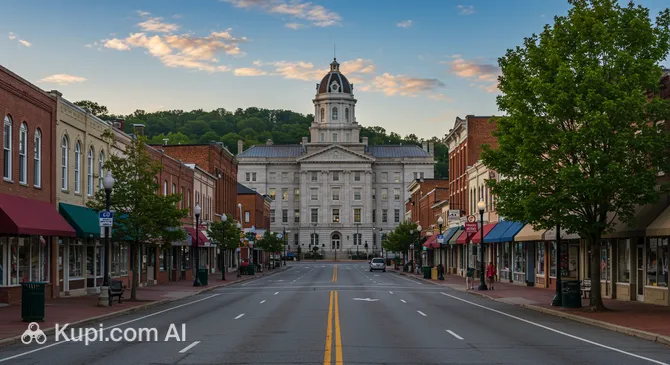
Fairmont. Illustration.
Source: Kupi.com AI

The region's past is rich with events that shaped its unique character. The fascinating history of Fairmont is inextricably linked to the development of the coal industry and transportation, which is reflected in the architecture of the historic center. History buffs will appreciate the well-preserved Victorian-era buildings and the special aura that permeates the old streets.

Among the main points of interest for tourists is Prickett's Fort State Park. This is a reconstructed fort where you can immerse yourself in the life of 18th-century settlers. For lovers of natural beauty, Valley Falls State Park is a must-visit, featuring picturesque rapids and waterfalls. Additionally, the city is known as the birthplace of the popular snack — the pepperoni roll, which is well worth trying at one of the local bakeries.

Fairmont is an excellent place to stop while traveling through West Virginia, offering tourists the chance to relax in nature and touch the region's rich cultural heritage.

Weather Overview

The climate in Fairmont is characterized by a distinct change of seasons, allowing travelers to choose their travel time based on their preferences. Before planning your route, we recommend checking the current weather in Fairmont to prepare your wardrobe accordingly. In general, expect warm summers with occasional rain and cool winters when temperatures often hover around freezing.

The summer period, lasting from June to August, is the warmest time of year. In July, the average temperature peaks at 23.5°C, with daily highs often rising to 28°C. However, tourists should keep the high humidity in mind: May and July are considered the rainiest months, with the number of precipitation days reaching up to 17. Spring arrives gradually: while in March the air warms to an average of 7°C, a comfortable temperature of around 17.4°C is established by May.

Autumn in the region is mild and pleasant, especially in September when the average temperature stays around 19.8°C. It gradually gets colder, and by November, figures drop to 7°C. Winters here are moderately cold. The harshest month is January, with an average temperature of 0.8°C and night frosts down to -2.9°C. Precipitation falls regularly during the winter period, about 14-15 days per month, which should be considered when planning outings.

Average monthly temperature

Average monthly precipitation

Interesting Facts

Fairmont is not just a cozy town in West Virginia, but a place with a rich heritage that can surprise even seasoned travelers. Beyond the main tourist routes, several unique stories and titles are hidden here that not all guests are aware of.

  • Pepperoni Roll Capital of the World. Fairmont officially holds this delicious title. It is believed that the famous snack was invented by Italian immigrant Giuseppe Argiro at the local Country Club Bakery in 1927. Originally, it was a hearty and convenient lunch for coal miners that didn't require special storage, but today it is a culinary symbol of the entire state.

  • Birthplace of Father's Day. Although the holiday is celebrated everywhere, the first-ever service dedicated to fathers took place right here. On July 5, 1908, in a local church, Grace Golden Clayton organized a memorial event to honor the men (many of whom were fathers) who died in the mining tragedy in neighboring Monongah.

  • City of Olympic Glory. Fairmont is the hometown of legendary gymnast Mary Lou Retton. She became the first American woman to win an Olympic gold medal in the individual all-around. Local residents are very proud of their native daughter: a street, a park, and the road leading into the city are named in her honor.

  • "The Million Dollar Bridge." The Robert H. Mollohan Bridge, which connects parts of the city, earned its unofficial name due to its incredibly high construction cost for 1921. This grand three-arch structure is listed on the National Register of Historic Places and still impresses with its architecture today.

How to Get There

When planning a trip to this picturesque part of West Virginia, it’s worth thinking about logistics in advance, as the city is located away from major metropolises. You can find more details on how to get to Fairmont by exploring various route options, which most often include a combination of air travel and ground transport.

Fairmont does not have its own airport, so travelers usually fly into nearby cities. The closest hub is North Central West Virginia Airport (IATA: CKB), located in Clarksburg, just 22 km from the center of Fairmont. This is a small regional airport, and the journey from there by taxi or rental car takes about 30–40 minutes. This is the most convenient option for those who want to minimize ground travel time.

For international flights or a wider choice of airlines, Pittsburgh International Airport (IATA: PIT) is the best fit. It is located in Pittsburgh, approximately 112 km from Fairmont. This is a major transport hub with high passenger traffic. The drive from Pittsburgh Airport to Fairmont by car or bus takes roughly 1.5 to 2 hours. You might also consider flying into Arnold Palmer Regional Airport (IATA: LBE) in Latrobe (about 107 km), which serves fewer flights but can be a convenient alternative.

For clarity, here is a summary of the main airports:

AirportPassenger trafficDistance
Benedum Airport74 00022 km
Morgantown Airport28 00026 km
Westmoreland County Airport145 000108 km
Pittsburgh International Airport9.9 mln113 km
Wood County Airport13 000113 km

Rail connections to the region are less developed, and there is no train station in Fairmont itself. The nearest major hubs are quite far away, making a train trip an option only for those planning a larger East Coast journey followed by a long transfer. For example, you can take a train to Washington Union Station (IATA: ZWU) in Washington, D.C. The distance to Fairmont is about 278 km, so the subsequent journey by bus or car will take more than 4 hours.

Below is information about the nearest major railway stations:

StationPassenger trafficDistance
Washington Union Station5.6 mln279 km
New Carrollton Station3.5 mln289 km
Baltimore Railway Station1.3 mln299 km

Main Attractions

Prickett's Fort State Park is perhaps the most famous landmark in the region, transporting guests back to the 18th century. It features a meticulously reconstructed 1774 fort that served as a refuge for early settlers. Tourists find this place particularly interesting due to its "living history" format: park staff in authentic costumes demonstrate ancient crafts such as blacksmithing, spinning, and carpentry, allowing everyone to get a feel for daily life in the past.

For connoisseurs of natural landscapes, Valley Falls State Park is a mandatory stop. The park's main highlight is a series of picturesque waterfalls on the Tygart Valley River, creating a mesmerizing sound of rushing water and providing excellent locations for photography. In addition to the natural beauty, you can see the ruins of an old mill and sawmill, which adds historical context to your walk. It is an ideal spot for picnics, fishing, and hiking along forest trails.

Located in the city center on the banks of the Monongahela River is Palatine Park, a modern public space beloved by both residents and tourists. It is a great location for an evening rest after sightseeing: there are walking paths, lounge areas, and a splash pad to cool off in the summer heat. The park often hosts outdoor concerts, festivals, and movie screenings.

Those interested in local lore should visit the Marion County Historical Society Museum. Located in a historic building, the museum houses a rich collection of artifacts documenting the region's development. The exhibits span a wide range of time: from Native American artifacts and Civil War relics to exhibits related to the heyday of the coal and railroad industries, which played a key role in the formation of Fairmont.

Local Cuisine

Fairmont's culinary scene is a soulful blend of classic American cuisine, Appalachian traditions, and strong Italian influence. The food here is simple, hearty, and tastes like home. The city doesn't have many pretentious fine-dining restaurants, but it abounds in cozy family eateries, bakeries, and diners where recipes are passed down through generations.

The main culinary symbol of the city is, without a doubt, the pepperoni roll. While you may have read about the history of its creation elsewhere, trying one is a unique gastronomic experience. A real Fairmont roll consists of soft yeast dough with sticks or slices of spicy pepperoni baked inside. During the baking process, the spicy oil saturates the bread, creating a unique flavor. Locals often eat them warmed up, sometimes with added mozzarella cheese or meat chili sauce.

Another dish that is a must-order is the West Virginia-style hot dog. In Fairmont, this fast food is taken seriously. A classic serving includes a soft bun, a frankfurter, yellow mustard, finely chopped onions, meat sauce (similar to chili but without beans), and, most importantly, a topping of coleslaw. It is the combination of hot, spicy sauce and cold, crunchy salad that makes this taste unique to the region.

Thanks to the rich heritage of Italian immigrants who came here to work in the mines, the city serves excellent pasta and seafood dishes. The culmination of this tradition is the annual Feast of the Seven Fishes, but even on regular days, you can find magnificent spaghetti and meatballs and homemade lasagna in local trattorias. Portions are generally very generous, designed for long family gatherings.

As for drinks, the most popular non-alcoholic choice remains sweet iced tea, served almost everywhere. For those looking for something stronger, check out the products from local craft breweries that experiment with ales and lagers, often using local ingredients. Locals prefer to spend their evenings in small bars or grill houses with a laid-back atmosphere.

Travel Tips

Welcome to Fairmont! To ensure your trip through this hospitable corner of West Virginia is as comfortable and carefree as possible, we have prepared a list of useful recommendations. These practical tips will help you quickly adapt and feel at home in "The Friendly City."

  1. Clothing and Gear. Weather in the region can be changeable, so the principle of layering is your best friend. It can be hot and humid in the summer, but evenings may be cool, so a light windbreaker is a good idea. In winter, a warm jacket and hat are essential. Since Fairmont is located on hilly terrain, bring comfortable flat shoes—they will be useful for both walking through the historic center and hiking in the parks.
  2. Transportation. Although the city has a bus service, it has a limited schedule and route network. The most convenient way to get around is renting a car. This will give you the freedom to visit remote natural attractions and waterfalls. Ride-sharing apps (Uber, Lyft) work, but wait times may be longer than in major metropolises, especially in the early morning or late evening hours.
  3. Finances. The official currency is the US dollar. Bank cards are accepted almost everywhere; however, small family bakeries (where they sell the best pepperoni rolls) or local markets may prefer cash or have a minimum amount for card payments. ATMs are widely available. Tipping is an important part of the culture: it is customary to leave 15–20% of the check total in restaurants.
  4. Health and Safety. Fairmont is a safe city, but basic precautions apply: lock your car and don't leave valuables in sight. If you are going for a walk in wooded parks (like Valley Falls), be sure to use repellents, as ticks can be found in tall grass. Major chain pharmacies here are open late, which is convenient for tourists.
  5. Communication. Locals speak English, sometimes with an Appalachian accent and speech speed, but they are very friendly toward tourists and willing to repeat more slowly. Free Wi-Fi is available in most cafes, hotels, and public libraries. For stable connection when traveling around the outskirts, it's better to purchase a local SIM card from one of the major providers.
  6. Local Etiquette. Don't be surprised if strangers greet you on the street or strike up a casual conversation in line—this is normal for "The Friendly City." Reciprocate: a smile and a polite "Hello" will open many doors. People here value a slow pace and sincerity in communication.
  7. What to Avoid. Refrain from jokes or stereotypical comments about West Virginians (the so-called "hillbilly" culture). Residents are proud of their history, hard work, and heritage, so such remarks can be taken as disrespect. Also, respect private property: if you see a "No Trespassing" sign or purple paint on trees, do not enter the area.
  8. Gourmet Tip. When buying the famous pepperoni roll, pay attention to the variations. Different bakeries in Fairmont make them differently: with sticks or slices of pepperoni, with cheese or chili sauce. Don't be afraid to ask the sellers how they recommend eating their product—cold, warm, or cut in half with a filling.

By following these simple tips, you can avoid minor difficulties and focus on the main thing—enjoying the unique atmosphere and beauty of Fairmont. We wish you an exciting and easy journey!

Entertainment & Nightlife

Nightlife in Fairmont is nothing like the noisy parties of major metropolises with neon signs and bouncer lines. This is a city with a soulful, almost home-like atmosphere, where evening entertainment centers around cozy pubs, craft breweries, and live music venues. Thanks to the presence of the university, there is a youthful energy here, but the overall rhythm remains steady and relaxed, characteristic of West Virginia.

The evening hub is the historic Downtown area and the district around Fairmont State University. The atmosphere here is casual: there is practically no dress code, and in most establishments, you will feel perfectly comfortable in jeans and a T-shirt. The crowd is diverse — from students and professors to locals stopping in for a drink after a shift and tourists exploring the Appalachians.

If you are looking for a place with great food and local flavor, be sure to visit The Rambling Root. This popular gastropub specializes in West Virginia craft beer and hearty Southern-style food. Local musicians playing folk and acoustic rock often perform here, and the atmosphere encourages long conversations. Another unique spot is Joe n Throw — a hybrid of a coffee shop, pottery studio, and bar. In the evening, you can not only enjoy a craft beer but also catch a creative workshop or a jam session.

Fans of authentic country and bluegrass music should head a bit further from the center to Sagebrush Round-Up on Bunner Ridge. This legendary concert hall hosts weekly performances that preserve the region's musical traditions. It’s a place steeped in history where you can experience the real American heartland, dance, and listen to talented old-school performers.

On the practical side, prices in Fairmont's bars and clubs are pleasantly affordable compared to major US cities. The average check for dinner with drinks is quite reasonable. However, keep transportation in mind: ride-sharing services like Uber or Lyft are available, but wait times at night can be significant, especially on weekdays. We recommend planning your return to the hotel in advance or arranging a transfer.

In terms of safety, Fairmont is a quiet city. The center and main tourist streets are well-lit and safe for walking until late in the evening. Nevertheless, as with anywhere, it is best to avoid unlit alleys and be careful when crossing roads. If you are traveling by car, parking in the evening is usually not a problem.

During the day, the city offers more traditional leisure activities. In addition to the park walks mentioned earlier, you can visit Valley Worlds of Fun, a bowling and family entertainment center, or catch a movie. Cultural life is also vibrant: local community theaters regularly stage plays, and in the warmer months, Palatine Park’s amphitheater hosts free outdoor concerts that often transition into evening festivities.

Parks & Museums

Fairmont offers travelers a wonderful balance between outdoor recreation and immersion in the past. The city and its surroundings are rich in green spaces perfect for leisurely walks, while local museums provide a deeper understanding of the unique Appalachian culture and the history of the region's industrial development.

Among the natural attractions, Morris Park holds a special place. This is a true oasis of tranquility covering over 40 hectares within the city limits. The park is famous for its ancient trees and winding paths, but its main feature is two professional disc golf courses, considered among the best in the country. It's a great place to try a new sport or simply enjoy the silence of the forest without traveling far from civilization.

While Valley Falls State Park has already been mentioned as a top attraction, it's worth noting specifically as an active tourism zone. In addition to viewing the waterfalls, the park offers a network of engaging hiking trails of varying difficulty. The paths lead through thick rhododendron groves and rocky outcrops, offering stunning views of the river valley. This is an ideal location for those seeking union with the Appalachian wilderness.

The cultural heart of the city beats at the Marion County Historical Society Museum. It is located in the historic former sheriff's residence adjacent to the courthouse. The museum's collection is incredibly diverse: you can see everyday items from early settlers, Civil War artifacts, and unique collections dedicated to the coal boom. The room settings, recreating the atmosphere of the 19th and early 20th centuries, are of particular interest.

For those interested in ethnography, the Frank and Jane Gabor West Virginia Folklife Center on the Fairmont State University campus opens its doors. This museum and archive are dedicated to preserving the cultural heritage of West Virginia. It regularly hosts exhibitions about the music, crafts, and traditions of immigrants (especially Italians) who played a key role in shaping the city's identity.

Architecture lovers should look for High Gate—a magnificent Tudor Revival mansion built for coal baron James Watson. Although it is a private property, the building's exterior with its half-timbered elements and well-kept garden is impressive and serves as a reminder of Fairmont's "Gilded Age."

Insider Tip: Don't miss the chance to walk or bike along the MCTrails system. This is a network of former railway tracks converted into trails that connect many parks and historic districts. The section passing through the Meredith Tunnel is particularly scenic—it’s an atmospheric and slightly mysterious place that will provide unique impressions and great photos.

Getting Around

Since Fairmont is a relatively small city, it does not have an extensive subway system or tram lines. Public transportation is primarily based on bus routes operated by the Fairmont-Marion County Transit Authority (FMCTA). This is a budget-friendly and reasonably reliable way to get around for those looking to reach key points in the city, including the historic center, the university campus, and medical facilities.

When planning trips on FMCTA buses, it is important to consider their operating hours. The schedule is primarily oriented toward the daytime: most routes stop running in the early evening, around 6:00 PM–7:00 PM. On Saturdays, the number of trips is reduced, and on Sundays, public transport generally does not operate. It is best to check the current schedule in advance on the official authority website or in booklets available at hotels.

The payment system remains quite conservative. Buses usually do not accept bank cards directly upon boarding. Tourists need to have cash with them, and it is strongly recommended to prepare the exact change (coins and small bills), as drivers do not provide change. The fare is fixed and very affordable.

Given the hilly terrain and the scattered nature of the attractions, the most comfortable alternative to buses is a taxi or rental car. Popular services like Uber and Lyft are available in Fairmont, though the wait time can be significantly longer than in large metropolises (from 15 to 20 minutes). Local taxi services also operate in the city; their contact information can be provided at your hotel's reception.

Walking is pleasant within the historic Downtown and park areas, but it is not the most convenient way to move between districts due to significant elevation changes and the lack of sidewalks along some busy roads. Bicycles here are used more for recreation on special trails than as a primary means of transportation.

Accommodation

The choice of accommodation in Fairmont perfectly matches the character of this small and welcoming city. You are unlikely to find pompous five-star resorts here; however, travelers have access to a decent range of comfortable options. The core of the hotel stock consists of mid-range hotels and popular chain hotels offering a consistent level of service and modern amenities. For those looking for more budget-friendly solutions, there are motels, while those who appreciate home comfort can look into atmospheric bed and breakfasts (B&Bs) or private apartment rentals.

In terms of location, most tourists prefer to stay in the White Hall area and along the I-79 interstate. This is a strategically convenient spot: from here, it is easy to reach any point in the city by car, and there are many restaurants and shopping centers nearby. If your goal is to immerse yourself in history or attend events at Fairmont State University, you should look for options closer to Downtown, which is within walking distance of local parks and museums.

Pricing in Fairmont is pleasantly affordable compared to major US tourist centers. The cost of living varies from budget to mid-range, making it possible to find a suitable option for almost any wallet. It is best to book rooms through popular online platforms where you can compare prices and read recent guest reviews.

Booking Tip: Despite having enough rooms, demand for accommodation spikes during major events at Fairmont State University (such as graduations or sporting events) or during local festivals. During these periods, we strongly recommend booking your hotel in advance to guarantee comfortable accommodation at the best price.

Nearby Cities

For those looking to explore the surrounding area, Fairmont serves as an excellent starting point for day trips to several interesting nearby locations. The city's convenient location allows you to reach unique attractions in a short time, revealing the history and culture of West Virginia from a new perspective.

Just a 20-minute drive away is lively Morgantown, known as the home of West Virginia University. It is a dynamic city with a thriving cultural life, many restaurants, and the scenic Core Arboretum. History and mystery buffs will enjoy a trip to Weston, home to the famous Trans-Allegheny Lunatic Asylum—a monumental mid-19th-century building that offers fascinating historical tours. It is also worth visiting Wheeling, the former state capital, famous for its Victorian architecture, historic market, and the massive Oglebay resort and park.

CityPopulationDistance
Morgantown77 19323 km
Aston16 76227 km
Clarksburg27 35429 km
Reedsville70330 km
Cheat Lake10 18732 km

These nearby destinations provide a glimpse into the region's diverse culture and landscapes, from university energy to the quiet charm of small historic towns.

Shopping & Souvenirs

General Overview. Shopping in Fairmont is characterized by a calm pace and a lack of the hustle and bustle common in major metropolises. The city does not claim to be a high-fashion hub, but you can find unique items that reflect the Appalachian spirit. The main interests for tourists are cozy antique shops, local craft stores, and gourmet boutiques selling products made in the state of West Virginia.

Main Shopping Districts. The heart of local trade is the historic city center, especially the Adams Street area. It’s pleasant to stroll here on foot, browsing the windows of small private shops offering vintage items, books, and gifts. For those looking for familiar chain brands and everyday goods, it’s better to head to the White Hall area in the south of the city. This zone along the highway is actively developing and offers a wide selection of clothing, electronics, and home goods stores.

Shopping Centers. The region's main shopping hub is Middletown Commons. Formerly a classic mall, this complex has undergone an extensive renovation and transformed into a modern open-air space with shops, services, and restaurants. It is a convenient place to buy everything you need in one visit, from clothing to sporting goods.

Markets. A real gem for lovers of old things is the Arts & Antiques Marketplace in the city center. This colorful space brings together many antique dealers and local artisans under one roof. Here you can find rare glassware, collectibles, and unique decor. In the warmer months, seasonal farmers' markets are popular, where locals sell fresh vegetables, honey, and homemade baked goods.

Souvenirs. You can't leave Fairmont without pepperoni rolls—the city's main culinary symbol. Many bakeries sell them in convenient packaging that travels well. Also, look out for glassware (the region is famous for its glassblowing traditions), handmade ceramics, and coal souvenirs that serve as a reminder of the area's mining past. Products from local farmers, such as jams or maple syrup, also make great gifts.

Opening Hours and Payment. Large stores and shopping centers are usually open from 10:00 AM to 9:00 PM, though hours may be shorter on Sundays. Small boutiques in the historic center often close earlier, around 5:00 PM or 6:00 PM. Bank cards and US dollars are widely accepted, but having a small amount of cash is useful when visiting markets or small family shops.

Tax Free. Tourists should keep in mind that in West Virginia, as in most American states, sales tax is added to the cost of the item at the checkout. There is no tax refund system (Tax Free) for international travelers here, so the price on the tag will always be slightly lower than the final total on the receipt.

Reached the end of the page?

That means the route is fully explored