Support

Freeport

Attractions

About

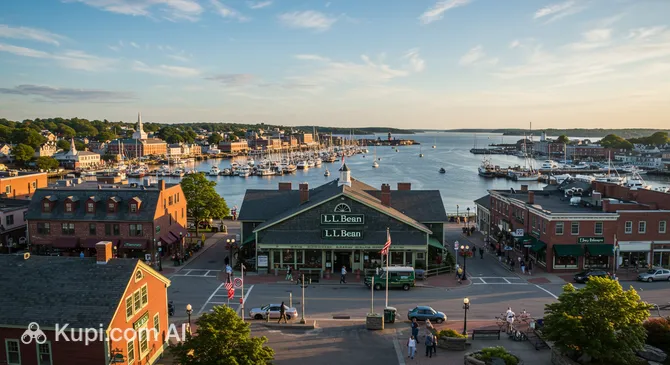
Freeport is a hidden gem on the Gulf Coast, located in southern Texas, just an hour's drive from bustling Houston. This cozy city in the USA harmoniously combines the energy of a major seaport with the relaxed atmosphere of a resort. Nestled at the mouth of the Brazos River, Freeport greets travelers with a fresh sea breeze and sparkling waters, promising a welcome escape from the city rush.

Freeport. Illustration.
Source: Kupi.com AI

Despite its developed port infrastructure, the city retains the charm of a small, friendly settlement with a population of about 44,000. Life flows at a leisurely pace here, and true Southern hospitality reigns in the streets. Freeport's history is inextricably linked to the sea, a connection felt in every corner: from the busy docks to the peaceful embankments where locals and visitors gather in the evenings.

Tourists choose this destination for its unique nature and variety of leisure activities. Freeport offers excellent opportunities for deep-sea fishing, kayaking on the river, and bird watching in their natural habitat. Local beaches are famous for their soft sand and the chance to enjoy some peace and quiet — it's easy to find a secluded spot to watch the sunrise alone with the ocean.

The city charms with its simplicity and soulfulness. Every evening here turns into a small celebration with live music and the aroma of fresh seafood served on outdoor restaurant terraces. If you are looking for a place to recharge, experience the taste of authentic coastal life, and enjoy comfort without unnecessary pretension, Freeport will be the perfect discovery for you.

Weather Overview

The climate in Freeport is typical of the Texas coast: humid, subtropical, with long hot summers and short, mild winters. This makes the city an attractive destination to visit at almost any time of year, although each season has its own characteristics to consider when planning your trip.

The summer months, especially July and August, are the hottest: the average temperature reaches 28.6°C, and daily highs often exceed 31°C. This is also the wettest period — the number of rainy days can reach 17 per month. Winter here, by contrast, is very mild. In January, the coldest month, the average temperature stays around 12.1°C, and nightly figures rarely drop below 8°C.

Expect hot summers with periodic rain and mild, comfortable winters. Spring and autumn are considered the "golden mean": for example, in April the air warms up to an average of 20°C, and in October to 22.6°C, which is ideal for excursions. To plan your wardrobe and choose the best dates for outdoor activities, be sure to check the current weather in Freeport before you leave.

Average monthly temperature

Average monthly precipitation

Interesting Facts

In addition to its famous beaches and status as a fishing capital, Freeport holds many curious stories and facts that make it a truly special place on the Texas coast.

  • Freeport is a true mecca for anglers. City legends say that some of the largest red drum in the state's history were caught in its coastal waters, attracting thousands of sport fishing enthusiasts every year.

  • The city is called the "gateway to adventure" for a reason. Local guides delight in sharing tales of sunken ships and pirate treasures that are rumored to still be hidden somewhere in the labyrinths of the coastal marshes.

  • Despite being home to one of the largest chemical complexes in the USA, Freeport prides itself on its clean beaches and untouched nature. It is a rare example of how an industrial giant can successfully coexist with a fragile coastal ecosystem.

  • The unique Brazoria National Wildlife Refuge is located near the city. During certain seasons, you can witness an amazing sight — the migration of pink flamingos, as well as encounter alligators in their natural habitat.

How to Get There

When planning a trip to the Texas coast, it is important to think through the logistics in advance, as the city of Freeport itself does not have its own airport for commercial flights. However, thanks to its proximity to the state's major transport hubs, getting here is quite easy. You can find more about how to get to Freeport and choose the most convenient route, but the primary way for tourists from other regions and countries to arrive remains flying through neighboring Houston followed by a car trip.

The most popular choice for international travelers is George Bush Intercontinental Airport (IATA: IAH). It is located in Houston, about 115 km from Freeport. This is one of the largest aviation hubs in the country, receiving flights from all over the world. The drive from here to the coast by taxi or rental car usually takes between 1 hour 20 minutes and 1 hour 40 minutes, depending on traffic.

An alternative and often more convenient option, especially for domestic US flights, is William P. Hobby Airport (IATA: HOU), also located in Houston. It is situated much closer to the coast — the distance to the center of Freeport is about 78 km. The journey from this airport is much faster and will take approximately 50 minutes to 1 hour 10 minutes. Due to lower passenger traffic compared to the international giant, going through formalities here can be more efficient.

For clarity, here is summary information on the main airports through which you can reach the resort:

AirportPassenger trafficDistance
William P. Hobby Airport14.6 mln78 km
George Bush Intercontinental Airport48.4 mln114 km
Jefferson County Airport35 000171 km
Easterwood Airport144 000206 km
Lake Charles Regional Airport400 000244 km

Regarding rail transport, there is no passenger station in Freeport itself. Long-distance trains in this region of Texas are not the primary means of transport for tourists heading directly to the coast. Travelers are strongly encouraged to rent a car at one of the Houston airports — this is the most practical way not only to get to the city quickly but also to comfortably explore local beaches and attractions.

Main Attractions

Freeport is a city where the industrial power of a seaport sits alongside the pristine natural beauty of Texas. The main attractions here are connected to the water and coastal history, offering tourists a chance to slow down and enjoy simple pleasures. From watching giant ships to walking quiet nature trails, here are the places worth including in your itinerary.

One of the most popular spots for a stroll is Surfside Jetty Park. This is a long paved jetty extending far into the Gulf of Mexico, serving as an excellent observation deck. People come here to watch huge tankers and cargo ships enter the Port of Freeport — a truly impressive sight. Additionally, it is a favorite spot for fishermen and a great point for spotting dolphins, which often frolic in the coastal waves at sunset.

History buffs and beach lovers should definitely visit Quintana Beach County Park. It’s not just a beach with soft sand, but also a site with a rich past: Fort Velasco was once located here. Today, tourists can explore historical ruins, walk along the wooden pier, or visit the educational center. The park is well-equipped for camping and picnics and is also known as a wonderful place to find beautiful sea shells washed up by the tide.

For those seeking solitude with nature, the Freeport Wetlands Trail & Bird Observatory will be a real find. This scenic route through freshwater marshes allows for year-round bird watching in their natural habitat. In winter, you can see thousands of migratory ducks and geese, and in summer, herons and roseate spoonbills. It is a quiet and peaceful place, ideal for photographers and wildlife enthusiasts.

Local Cuisine

Freeport's gastronomic scene is inextricably linked to the sea and the generous gifts of the Gulf of Mexico. This city is a true paradise for foodies, where the "boat-to-table" concept is not just a fashion trend but a daily norm. The main stars of the local menu are invariably the freshest seafood: shrimp, oysters, blue crabs, and various fish that come to restaurant kitchens straight from the fishing vessels.

Among the must-try dishes is gumbo — a thick, spicy seafood soup that has incorporated the best traditions of Southern cuisine. No less popular is fried catfish, prepared here with a crispy golden crust, and the famous grilled Texas shrimp, served with a signature spicy sauce. Snack lovers will enjoy crab cakes and breaded oysters, while those who appreciate freshness will enjoy the local ceviche made from freshly caught fish.

The dining culture in Freeport is characterized by a casual and relaxed atmosphere. Locals and tourists prefer to dine in coastal cafes and on open terraces, enjoying the sea breeze. Street food here is an art form in itself: food trucks can often be found on the waterfront offering fish tacos, shrimp sandwiches, and cane sugar sweets. Regular gastronomic events, such as the spring oyster festival or the summer shrimp festival, where tastings are accompanied by music and dancing, add a special flavor to the city.

As for drinks, the perfect accompaniment to a hearty meal on a hot Texas day is traditional sweet tea — a non-alcoholic favorite among Southerners. In the evening, cold local beer and refreshing tropical fruit-based cocktails, typically sipped while admiring the sunset over the Gulf, are popular.

Travel Tips

Welcome to Freeport! This city, which surprisingly combines industrial power with the relaxed atmosphere of the Gulf Coast, requires a bit of preparation from the traveler. To ensure your holiday is as comfortable as possible and you can enjoy the local flavor without unnecessary trouble, we have compiled a list of the most relevant recommendations for you.

  1. Clothing and climate protection. Given the high humidity and heat for most of the year, opt for light clothing made of natural fabrics (cotton, linen). Be sure to bring a hat and sunglasses. A crucial accessory in Freeport is a quality insect repellent: proximity to marshes and water means mosquitoes, especially in the evening. The dress code in the city is extremely casual; even in restaurants, casual style is appropriate.
  2. The transport issue. Freeport is a city built for drivers. Public transport is poorly developed here and is not suitable for active tourism. It is strongly recommended to rent a car immediately upon arrival at Houston Airport. Taxi apps (Uber, Lyft) work, but the waiting time for a car can be long due to the small number of drivers in the area.
  3. Finances and tipping. The official currency is the USA dollar. Bank cards are accepted almost everywhere, from supermarkets to gas stations. However, it is recommended to have some cash on hand ($1, $5, and $10 bills) for paying at small fish markets, buying bait, or getting food from food trucks. The tipping culture here is standard for the state: it is customary to leave 15–20% of the bill in restaurants, and a couple of dollars extra for taxi drivers and bartenders.
  4. Health and safety. Freeport is a quiet city, but don't forget basic precautions: do not leave valuables in plain sight in your car, especially in beach parking lots. Large pharmacy chains (CVS, Walgreens) are in the city, but they may not be open 24/7, so it's better to pack a personal first aid kit in advance. The main health threat is the sun — use high SPF creams.
  5. Communication and internet. The main language of communication is English, but due to its proximity to the border, many locals also speak Spanish. Free Wi-Fi is available in most hotels and cafes, but it is better to have mobile internet for road navigation. If you have come from abroad, it’s easier to buy a local SIM card (T-Mobile, AT&T) in large shopping centers on the way from Houston or in neighboring Lake Jackson.
  6. Local etiquette. Texas is famous for its Southern hospitality. It is customary here to greet shop assistants, drivers, and even passers-by on quiet streets (a simple "Hi" or a nod is perfectly appropriate). Locals are open and love small talk — don't be surprised if a cashier asks how your day was or if your fishing was successful. Be polite and smile in return.
  7. What to avoid. Strictly avoid trespassing on private property and industrial zones. Freeport is a major industrial center, and many sites (plants, docks) are under guard; trying to take a shortcut through them can lead to serious problems with the police. Also, never feed or tease wild animals, especially alligators, which can be found in protected areas.
  8. A tip for gourmets. Do not buy frozen seafood in supermarkets. The best way to try local delicacies is to find small fish markets or fresh off the boat sales points along the Brazos River. Here you can buy the freshest shrimp or crabs at a great price, and local sellers often share the best recipes for cooking them.

Freeport is a place where life flows with the rhythm of the tides. By preparing in advance and following these tips, you will be able to fully relax and immerse yourself in the authentic atmosphere of the Texas coast, enjoying every moment of your journey.

Entertainment & Nightlife

The nightlife in Freeport is a far cry from the noisy metropolises. You won't find multi-story nightclubs with laser shows and strict face control here. Evening leisure in this Texas city is permeated with a relaxed coastal atmosphere, Southern hospitality, and authentic local flavor. It is an ideal place for those who want to end the day with a cold drink, listening to the sound of the waves or live country music in the company of friendly locals.

Most after-dark activity centers around local bars and waterfront restaurants, many of which are located closer to the coast and the Surfside Beach area. The atmosphere here is as casual as it gets: there is practically no dress code, and in most establishments, you will feel perfectly comfortable in jeans, a T-shirt, or even beach shorts. Parties here are more like cozy get-togethers with a guitar or watching sports matches than dancing until dawn.

Among the popular formats are traditional Texas "ice houses" and coastal grill bars. Local bands playing rock, blues, or country often perform here. If you are looking for specific spots, look for establishments in the marina area where you can watch the yachts. For example, locals and tourists often visit Sharkies on the Beach (located nearby in the beach recreation zone), which serves great burgers and drinks with live music on an outdoor terrace. Also popular is the Red Snapper Inn, known for its seafood and cozy evening setting.

Practical tips for evening leisure:

  • Transport: Public transport does not run at night. Taxi services (Uber, Lyft) are available, but waiting for a car may take some time, as there are few drivers in a small city. If you plan to consume alcohol, arrange a transfer in advance or choose accommodation within walking distance of leisure spots.
  • Safety: Freeport is a quiet city, but as everywhere, it is worth sticking to well-lit streets and not leaving belongings unattended. Areas near popular bars are considered safe.
  • Opening hours: Most restaurant kitchens close around 9:00 PM – 10:00 PM, although the bars themselves may stay open until midnight or until 2:00 AM on weekends.

If you are interested in daytime entertainment, the city offers more relaxed and educational options. You can visit Freeport's museums to learn more about the region's maritime history or head to one of the nature parks for bird watching. The daytime program here harmoniously complements the quiet and cozy evenings.

Parks & Museums

Freeport offers travelers a harmonious blend of coastal natural beauty and cultural heritage, carefully preserved by the locals. The city and its surroundings boast both extensive protected areas for wildlife enthusiasts and interesting museum exhibits telling the story of the region's maritime past.

One of the main natural jewels of the area is the Brazoria National Wildlife Refuge. This place is a must-visit for anyone who wants to see the real wild Texas. The vast territory covers salt and fresh marshes, coastal prairies, and forests. Here you can drive along a special route or walk along hiking trails, observing alligators basking in the sun and hundreds of bird species. It is an ideal location for wildlife photography and quiet contemplation of nature away from the city rush.

For those who prefer a more secluded setting by the water, Bryan Beach is perfect. Unlike more bustling tourist areas, this stretch of coastline has retained its pristine atmosphere. There is no noisy infrastructure here, but there are miles of soft sand and dunes. It is a popular spot for camping, fishing, and outdoor picnics. People come here to listen to the sound of the surf and enjoy the expanse of the Gulf of Mexico.

You can dive into the city's past at the Freeport Historical Museum. The museum's collection covers more than 300 years of the region's history: from the founding of Fort Velasco to the development of the modern shrimp industry and the port. Visitors can see unique artifacts, ship models, and interactive displays. Of particular interest is the children's maritime theater, which makes the visit engaging even for the youngest tourists.

It is also worth paying attention to the region's cultural cluster — The Center for the Arts and Sciences, located very nearby in neighboring Clute. This is a large-scale complex that brings together under one roof a natural science museum with an impressive collection of sea shells and fossils, an art gallery, and a planetarium. Although technically outside the city limits, it is a key cultural site for all Freeport visitors looking to broaden their horizons.

Insider tip: If you are interested in history, take a walk through Downtown Freeport. Several buildings from the early 20th century have been preserved here, conveying the atmosphere of an old port city, and local guides sometimes lead fascinating tours with ghost stories and coastal legends.

Getting Around

The public transport system in Freeport is quite modestly developed, which is typical for small cities in this region. The primary and practically only type of municipal transport is buses. There is no metro, tram, or trolleybus here. The local transport network, operated by the Gulf Coast Transit District, connects Freeport with neighboring settlements such as Lake Jackson, Clute, and Angleton, forming a single "Brazosport" zone.

Bus routes operate on a fixed schedule and cover key points of the city: major stores, medical centers, administrative buildings, and some residential areas. However, it should be noted that the intervals between buses can be long (often about an hour), and the network of stops does not cover all corners of the coast. Buses are a budget-friendly way to get to neighboring cities, but they may not be very convenient for full-scale sightseeing.

Fare payment on buses is primarily made in cash upon entry. It is important to have small bills and coins with you, as drivers do not give change (exact change is needed). The fare is very affordable and usually costs around $1–2 per trip. Transit cards or mobile payment apps are not common here, so good old cash remains the most reliable means of payment.

Given the specifics of local transport, most tourists and locals prefer alternative ways of getting around:

  • Taxis and ridesharing: The Uber and Lyft apps work reliably in Freeport. This is the most convenient way to get to the beach, a restaurant, or a hotel if you don't have personal transport. The waiting time for a car is usually 10–15 minutes.
  • Car rental: This is the most recommended option for travelers. Having a car gives you full freedom of movement along the coast and allows you to visit remote nature parks where buses don't go.
  • Bicycle: Cycling is popular in the beach and waterfront areas, but dedicated cycling infrastructure in the city itself is developed only in fragments.

Practical tips for tourists:

If you do decide to use the bus, be sure to check the current schedule in advance on the official website of the carrier, Gulf Coast Transit District. Note that most routes only operate on weekdays and during daylight hours (roughly from 6:00 AM to 6:00 PM). On weekends and holidays, service may be limited or entirely absent. For evening walks and dinner trips, plan to use a taxi.

Accommodation

The choice of accommodation in Freeport reflects its dual nature: on one hand, it is an industrial and port center; on the other, it's a popular spot for fishing and beach holidays. You are unlikely to find pretentious five-star world-class resorts here. The bulk of the hotel stock consists of practical chain hotels, classic American motels, and, what is particularly popular in this region, private vacation rentals and waterfront campgrounds.

For tourists, there are two main areas to stay, depending on the purpose of the trip:

  • The city center and port area. This is where inexpensive motels and mid-range hotels of well-known American chains are concentrated. This is a convenient option for those planning a short stop, a business trip, or who want to be closer to shops and main roads. From here, it’s easy to get to historical sites like the Freeport Historical Museum.
  • The coast and beach zone. If your goal is the sea, the sound of the waves, and fishing, consider staying closer to the Gulf, in the Surfside Beach area (which is in the immediate vicinity) or by the Brazos River. Here, renting private "beach houses" on stilts and campsites predominates. This is the ideal choice for large groups and families.

One feature of staying in Freeport is the proximity of accommodation to natural attractions. For example, many tourists choose campsites near Surfside Jetty Park to be able to start fishing at dawn, literally stepping out of their tent or trailer. RV parks in the Quintana Beach County Park area are also popular, where you can enjoy nature on a minimal budget.

Booking tip: Freeport is an extremely popular destination among Texans during the summer and fishing seasons. If you are planning a weekend trip from May to September, it is recommended to book accommodation (especially beach houses) 2–3 months in advance. In the winter months, demand drops, and you can find a great option even a couple of days before arrival.

The price range in the city can be described as budget and mid-range. A night in a standard motel or hotel usually costs quite reasonable money by USA standards. Renting an entire house on the coast will be more expensive, but for a group, it often turns out to be a cost-effective solution. For booking hotels, it’s better to use major international online platforms, but for finding private houses and cottages, it’s worth checking local real estate rental sites where the choice may be wider.

Nearby Cities

For those who want to explore the surrounding area, Freeport serves as an excellent starting point for day trips to several interesting nearby locations:

Texas City is an ideal destination for lovers of seascapes and history. The city is famous for the Texas City Dike, which extends far into the bay and is considered one of the longest man-made fishing piers in the world. Here you can have a great time fishing, have a picnic by the water, or visit the local museum to learn about the region's industrial and cultural past.

Sugar Land offers a rich cultural program and entertainment for the whole family. This city is home to a branch of the Houston Museum of Natural Science, featuring impressive paleontological exhibits and a planetarium. Additionally, Sugar Land is known for its first-class shopping centers and the Smart Financial Centre concert venue, which regularly hosts performances by world stars.

Pearland attracts tourists with its blend of cozy atmosphere and developed infrastructure. It is a great place for shopping at the popular Pearland Town Center and for culinary discoveries in the city's numerous restaurants. Nature lovers will appreciate the well-maintained parks and nature trails, perfect for quiet walks away from the hustle and bustle.

CityPopulationDistance
Clute10 7229 km
Lake Jackson73 47811 km
Brazoria3 00023 km
Angleton19 40824 km
Chenango10 99734 km

These nearby destinations provide an insight into the diverse culture and landscapes of the region.

Shopping & Souvenirs

Shopping in Freeport is more practical and utilitarian than entertainment-focused. You won't find luxury fashion boutiques or huge shopping galleries with global brands typical of metropolises here. The city offers a quiet atmosphere for shopping, oriented toward the needs of locals and vacationers on the coast. The main range of local stores includes beach holiday goods, fishing equipment, food, and authentic maritime-themed souvenirs.

The main shopping artery of the city can be called Brazosport Boulevard. Along this busy road, the main chain supermarkets, pharmacies, and small clothing stores are concentrated. If you need to buy picnic groceries, sunscreen, or beach towels, this is the best place to look. It is also worth checking out the Downtown historical area around Memorial Park, where you can sometimes find small antique shops and home goods stores that preserve the spirit of old Texas.

There are no large shopping and entertainment complexes in Freeport itself. However, fans of classic shopping shouldn't worry: just a 10–15 minute drive away in the neighboring city of Lake Jackson is the Brazos Mall. This is the only full-fledged shopping center in the county, featuring popular American department stores (such as Dillard’s and JCPenney), clothing, footwear, and cosmetics stores, as well as a food court and cinema. It is a great place to spend a hot day in the cool air conditioning.

A real highlight of shopping in Freeport is the seafood markets. Given its status as a port city, you can find the freshest fish and delicacies straight from the boats here. Small fish stalls are often located along the Brazos River and near the bridges leading to Surfside Beach. This is where you should buy shrimp, blue crabs, oysters, and seasonal fish if you plan to cook for yourself. Prices here are often lower than in restaurants, and the quality is excellent.

As souvenirs from Freeport, tourists most often bring home items related to the sea and Texas flavor. Look out for:

  • Sea shells and shell crafts: local souvenir shops have a large selection of decorative items.
  • Fishing tackle: local shops offer high-end equipment that makes an excellent gift for anglers.
  • Hot sauces and spices: Texas is famous for its cuisine, so a jar of local BBQ sauce or seafood seasoning will be a great reminder of the trip.

Most shops in Freeport operate on a standard schedule: from 9:00 AM – 10:00 AM to 8:00 PM – 9:00 PM. Large supermarkets may be open later or 24/7. Small private shops in the center or near the beach may close earlier and have reduced hours on Sunday. Bank cards (Visa, MasterCard, American Express) are widely accepted, but at small markets or when buying bait, cash dollars may be more convenient.

Regarding the Tax Free system, the state of Texas offers a sales tax refund program (Texas Tax Back) for international travelers. However, it is difficult to use this in Freeport, as it requires participating stores and special processing points, which are usually found in large outlets or international airports (like Houston). In ordinary Freeport shops, sales tax (about 8.25%) will be included in the final receipt and is not refundable on-site.
Reached the end of the page?

That means the route is fully explored