Support

Gambell

About

Gambell, traditionally known as Sivuqaq, is a remote and fascinating community located on the northwestern tip of St. Lawrence Island. This unique village offers a rare glimpse into a subsistence lifestyle that has thrived for thousands of years in one of the most rugged environments on Earth. Geographically, it is situated closer to the Siberian coast of Russia than to the mainland of the United States, creating a distinct atmosphere where ancient traditions blend with the stark beauty of the Bering Sea.
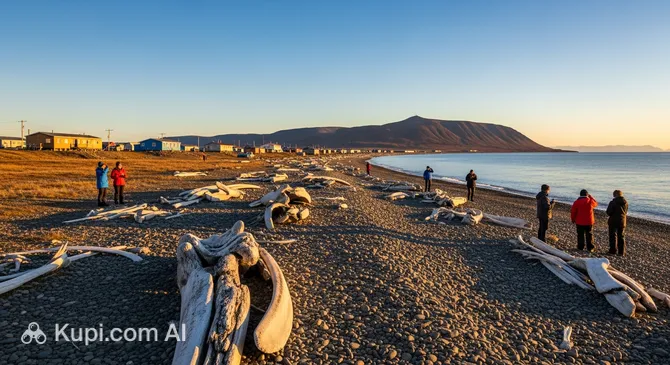
Gambell. Source: Kupi.Binoculars

With a population of approximately 600 residents, Gambell is a small, tight-knit community predominantly inhabited by Siberian Yupik people. The local climate is maritime and often challenging, characterized by strong winds, fog, and cool temperatures throughout the year. Despite the harsh conditions, the location is a biological hotspot. The village sits on a gravel spit that serves as a vital crossroads for marine wildlife and migratory species.

Travelers are often drawn to the area to explore the rich history of Gambell and its enduring cultural heritage. The destination is world-renowned among birdwatchers, considered one of the premier spots in North America to observe rare Asian vagrant birds and millions of nesting seabirds. Beyond birding, visitors can witness the subsistence culture in action, with opportunities to spot gray whales, walruses, and seals just off the shore.

For those seeking an adventure far off the beaten path, Gambell provides an unforgettable experience. Whether you are interested in viewing ancient artifacts, scanning the horizon for rare wildlife, or simply standing at the edge of the continent, a visit to this resilient community is a journey into the heart of the Arctic.

Weather Overview

The climate in Gambell is distinctively Arctic and maritime, heavily influenced by its location on St. Lawrence Island in the Bering Sea. Conditions here are characterized by long, freezing winters and short, cool summers. For a more detailed breakdown of the forecast and seasonal trends, you can consult the weather in Gambell page.

Winter is the dominant season, with January typically being the coldest month. Average temperatures drop to around -13.3°C, with lows frequently reaching -15.0°C. Freezing conditions persist well into the spring, as average temperatures remain below zero through May. The warmest time of year usually arrives in August, yet it remains brisk, with average temperatures hovering around 8.1°C and highs that typically reach 9.0°C.

While the volume of precipitation is quite low—often recorded at just 1mm or 2mm per month—precipitation events are frequent. December is particularly notable for having up to 18 wet days, indicating frequent light snow or mist rather than heavy downpours. Expect cool summers with frequent overcast skies and very cold, windy winters.

Interesting Facts

Beyond the main attractions, Gambell holds many fascinating secrets that reveal the resilience and distinct culture of its people.

  • The "Dig" Economy: One of the most unique aspects of local life is the practice of "digging." Residents legally excavate sites on their private land to find fossilized walrus ivory and artifacts from the ancient Old Bering Sea culture. These discoveries are not just historical curiosities but serve as a vital source of income for many families, who sell the raw ivory or carve it into intricate artworks.

  • A View Across the Date Line: While it is known for being remote, the visual proximity to Russia is startling. On clear days, you can stand on the beach and see the mountains of the Chukotsk Peninsula with the naked eye. Although Gambell is part of the United States, it sits just about 36 miles from the Siberian coast, placing it right at the edge of the International Date Line.

  • Traditional Engineering: Despite access to modern technology, local hunters often prefer traditional wisdom for navigating the icy waters. Many still use "umiaks"—boats made by stretching walrus skin over a wooden frame. These vessels are prized because they are lighter, quieter, and more resilient against sharp ice than many modern aluminum boats.

  • No Harbor: The village lacks a conventional harbor or dock due to the shifting gravel shoreline. This makes logistics incredibly challenging; supply barges must wait for calm weather to beach themselves directly on the shore to unload cargo, a dramatic event that highlights the community's dependence on the sea.

How to Get There

Reaching Gambell is a unique travel experience, as this remote community on St. Lawrence Island is not connected to the mainland road system. Air travel is the primary and most practical method of transportation for visitors. Due to the island's isolated location in the Bering Sea, logistics can be weather-dependent, so planning ahead is essential. You can find more specific details and planning tips in our guide on all ways to reach the city.

The village is served by its own facility, Gambell Airport (GAM), which acts as the main lifeline for residents and tourists alike. Located just 1.2 km from the center of the settlement, the airport is very convenient. Gambell Airport handles regional flights, typically connecting from larger hubs like Nome. Despite the short distance, you should plan for approximately 20 minutes to handle luggage and transfer to your lodging, often via ATV or local vehicle. The airport sees a passenger volume of around 6,000 people annually, classifying it as a small regional hub essential for this tight-knit community.

For clarity, here is a summary of the main airport serving the area:

Airport Name City Passenger Traffic Km from City
Gambell Airport Gambell Small 1.2

Main Attractions

Gambell is not a typical tourist destination filled with ticketed venues or manicured parks. Instead, its attractions are raw, wild, and deeply connected to the land and the Bering Sea. Visitors come here primarily for world-class wildlife viewing and to immerse themselves in a culture that has survived in the Arctic for millennia. The "sights" here are often the activities of daily life, the landscape itself, and the incredible history buried beneath the gravel.

Old Sivuqaq Archaeological Sites are perhaps the most historically significant feature of the village. These ancient midden mounds mark where the ancestors of the current residents lived for centuries. The area is famous for "digging," a local practice where residents excavate fossilized walrus ivory and artifacts from the Old Bering Sea culture. For tourists, walking near these sites offers a profound connection to the past, observing how the history of the St. Lawrence Island Yupik people is literally layered into the earth. It is fascinating to watch the careful excavation process, which unearths tools and carvings that are thousands of years old.

For nature enthusiasts, the Northwest Point is a legendary location. This gravel spit jutting into the Bering Sea is widely considered one of the best birdwatching spots in North America. During migration seasons, particularly in spring and fall, the point becomes a magnet for rare Asian vagrant birds blown off course. Birders from around the globe travel here specifically to stand at this point, scanning the horizon for species that are rarely seen anywhere else on the continent.

The Bering Sea Coastline itself serves as a massive, living attraction. A walk along the beach offers unparalleled opportunities for "seawatching." Depending on the season, visitors can spot gray whales, bowhead whales, and walruses passing close to the shore. The sheer power of the ocean here is mesmerizing, and on clear days, the view across the water is geographically unique: the snow-capped mountains of the Chukotka Peninsula in Russia are visible on the horizon, reminding you that you are standing at the very edge of the Americas.

Scattered throughout the village, you will often see Traditional Whale Bone Structures and drying racks. While not a formal museum exhibit, these sights are integral to understanding the local subsistence lifestyle. Massive whale bones and jawbones are often used in landscaping or traditional construction, while racks filled with drying meat or fish showcase the community's continued reliance on the sea. Observing these structures gives visitors a genuine appreciation for the resourcefulness and resilience of the local culture.

Local Cuisine

The culinary landscape of Gambell is defined entirely by its remote Arctic location and the subsistence lifestyle of the Siberian Yupik people. You will not find trendy fusion restaurants or bustling food markets here; instead, the local diet is a direct reflection of the Bering Sea's bounty. The food culture revolves around harvesting wild resources, with a heavy emphasis on marine mammals, fish, and seasonal plants, providing a diet rich in protein and fats necessary to withstand the harsh climate.

For those fortunate enough to be invited to a local meal or a community feast, the dishes are traditional and distinct. A staple is muktuk, consisting of whale skin and blubber, which is often eaten raw, frozen, or cooked and is prized for its high nutritional value. Walrus and seal meat are also central to the diet, prepared in various ways including drying (jerky) or freezing. Another cultural treat is Akutaq, often called "Eskimo Ice Cream." In this region, it is traditionally made by whipping fats (such as reindeer fat, seal oil, or modern substitutes like shortening) with snow, local berries like cloudberries or crowberries, and sometimes fish or sugar.

When it comes to beverages, visitors should be aware of an important local regulation: Gambell is a "dry" community. The sale, importation, and possession of alcohol are strictly prohibited. As a result, there are no bars or pubs. Instead, hot coffee and tea are the drinks of choice, consumed frequently to keep warm against the chilling winds. Socializing often happens over a steaming cup of tea rather than a pint of beer.

Tourists planning a trip to Gambell must manage their dining expectations carefully. There are no commercial restaurants or street food vendors in the village. Visitors typically rely on full-board meal plans provided by their lodging, such as the local lodge, where home-cooked, hearty American-style meals are usually served. For snacks and basic supplies, the Native Store is the only option, stocking shelf-stable groceries and essentials. It is highly advisable for travelers to bring some of their own favorite snacks or dietary necessities, as the remote location means fresh produce and specific items can be scarce or expensive.

Travel Tips

Visiting Gambell is a true adventure into the Arctic, requiring careful preparation to fully enjoy the rugged beauty and unique culture of St. Lawrence Island. Since this remote village operates differently from standard tourist destinations, these practical tips will help you navigate the local environment safely and respectfully.

  1. Clothing and Gear: The weather here is defined by wind and cold, regardless of the season. You must bring high-quality windproof and waterproof layers, as the wind chill can be severe even in summer. Sturdy, waterproof hiking boots or rubber "Xtratuf" boots are essential for walking on the loose gravel and wet shorelines. Don't forget a warm hat, gloves, and perhaps a pair of binoculars if you plan to enjoy the world-class birdwatching.
  2. Transportation: There are no paved roads, taxis, or ride-sharing apps in Gambell. The primary mode of transport for locals is the ATV, locally referred to as a "Honda." Most visitors arrange transportation through their lodging provider, who will pick them up from the airport on an ATV or in a truck. The village is small enough to explore on foot, but be prepared for walking on shifting gravel, which can be tiring.
  3. Finances: The local currency is the US Dollar (USD). While the local Native Store may accept credit cards for groceries, you should bring a sufficient amount of cash with you. Cash is king here, especially if you plan to purchase authentic ivory carvings or artifacts directly from local artists. There are limited banking facilities, and ATM availability can be unreliable due to connection issues.
  4. Health and Safety: Gambell has a local clinic staffed by health aides, but it is designed for basic care and emergencies; serious medical issues require a medevac flight to the mainland. Bring a full supply of any prescription medications you need, as there is no commercial pharmacy. In terms of safety, always be aware of the weather and wildlife; while polar bears are rare in summer, they are a potential hazard in colder months, so stay alert near the shore.
  5. Communication: English is widely spoken and is the primary language for communication with visitors, though you will hear locals speaking St. Lawrence Island Yupik among themselves. Cell phone coverage is limited; GCI is the main carrier that works reliably in rural Alaska, while other major carriers may have no signal at all. Wi-Fi is generally slow or unavailable, so be prepared for a digital detox.
  6. Local Etiquette: The community is friendly but deeply traditional. Always ask for permission before taking photographs of people, their homes, or their activities, such as butchering meat or carving ivory. Respect the subsistence lifestyle; drying racks and boats are vital tools for survival, not just photo opportunities. A friendly wave and a smile go a long way in bridging cultural gaps.
  7. What to Avoid: Do not bring alcohol or drugs into the village. Gambell is a strictly "dry" community, and the importation, sale, or possession of alcohol is illegal. Violating this rule is offensive to the community and can lead to legal trouble. Also, avoid walking on the airport runway, as it is the lifeline of the village and must remain clear for planes.
  8. Additional Tip: Support the local economy by purchasing art. Gambell is famous for its intricate carvings made from walrus ivory and whalebone. Buying directly from the artist ensures the money goes straight to the families. However, be sure to ask for a certificate or tag if you are buying new marine mammal ivory to prove it was harvested legally by Alaska Natives, which is required for taking it home within the United States.

By packing the right gear and respecting the local customs, your trip to Gambell will be a rewarding experience. Embrace the slower pace of life, the incredible wildlife, and the warm hospitality of the Siberian Yupik people at the edge of the continent.

Entertainment & Nightlife

Travelers expecting a traditional nightlife scene with bustling nightclubs, cocktail bars, or late-night discos will find Gambell to be a completely different world. As a strict "dry" community, the sale, importation, and possession of alcohol are prohibited by local law. Consequently, there are no bars, pubs, or liquor stores in the village. The "nightlife" here is defined not by music and drinks, but by the rhythms of nature, the community, and the unique lighting conditions of the Arctic.

During the summer months, the concept of "night" is virtually non-existent due to the Midnight Sun. With 24 hours of daylight or twilight, the village remains active well into what would be the late hours elsewhere. This is the prime time for visitors to engage in the main local obsession: birdwatching. It is common to see groups of birders at the Northwest Point at 2:00 AM, scanning the horizon for rare species, as the birds are just as active as the people. The atmosphere is quiet, contemplative, and deeply connected to the environment.

In the darker months, the entertainment shifts to the sky. Gambell is a prime location for viewing the Aurora Borealis (Northern Lights). Without the light pollution of a city, the green and purple bands dancing over the Bering Sea provide a spectacular show that rivals any laser display. For those looking for social interaction, the hub of activity is often the Sivuqaq Lodge. In the evenings, guests gather in the common areas to share stories of the day's sightings, drink hot tea, and relax. It serves as the de facto living room for visitors, offering a warm and friendly space to unwind.

Occasionally, the local community hosts events at the Gambell School gymnasium or the community center, which may include traditional drumming and dancing. While these are not commercial tourist shows, respectful visitors are sometimes welcomed to observe these vibrant expressions of Siberian Yupik culture. Dress codes for any evening activity here are purely functional: wear your warmest layers, windbreakers, and sturdy boots. There is no need for formal attire; comfort and warmth are the only priorities.

Safety is a critical consideration when venturing out at night. The village is generally very safe regarding crime, but the natural world poses real risks. Polar bears can be present in the area, especially near the shoreline and the "boneyards" (areas with whale bones). It is strictly advised never to walk alone at night in these peripheral areas. If you need to move around the village after dark, stick to the main gravel paths between the lodge and the center of the village. There are no taxis; getting around is done on foot or by arranging a ride on a local ATV.

While the evenings are for relaxation and nature, the daytime offers its own form of entertainment. Visitors spend their days exploring the Old Sivuqaq archaeological sites, watching the locals carve intricate ivory artworks, or simply absorbing the stark beauty of the tundra. The pace of life is slow, allowing you to fully disconnect from the hustle of the modern world.

Parks & Museums

Gambell does not follow the traditional city blueprint of manicured city parks or ticketed museums; instead, the entire landscape serves as a living gallery of natural history and cultural heritage. The "green spaces" here are wild, windswept expanses of tundra and gravel, while the "museums" are often the archaeological sites themselves or the homes of master carvers keeping ancient traditions alive.

Troutman Lake is the most prominent natural landmark adjacent to the village. Bordering the southern edge of the community, this large freshwater lake is a scenic focal point and a critical habitat for wildlife. It is not a park with benches and pathways, but rather a raw, natural area where visitors can take bracing walks along the shoreline. For birdwatchers, the lake is a sanctuary, often hosting waterfowl and rare migrants that rest on its waters, making it a peaceful spot to observe the intersection of village life and the Arctic ecosystem.

Another unique natural feature is the area locally known as The Boneyards. Located on the periphery of the village, these are not formal gardens but rather atmospheric landscapes scattered with the bleached bones of gray and bowhead whales. These remains are a testament to the community's subsistence whaling culture. Walking among the massive jawbones and ribs rising from the gravel offers a humbling perspective on the relationship between the islanders and the sea, providing a photography experience that is starkly beautiful and entirely unique to this part of the United States.

In terms of cultural institutions, Gambell lacks a conventional museum building, but the Old Sivuqaq Archaeological Sites function as an invaluable open-air museum. These ancient midden mounds, located just a short walk from the modern houses, contain layers of history dating back thousands of years. Visitors can observe the "digs" where residents carefully excavate artifacts from the Old Bering Sea culture. It is a rare opportunity to see history being uncovered in real-time, with the land itself telling the story of the St. Lawrence Island Yupik people.

The village's artistic heritage is best experienced through its Living Galleries of Ivory Carving. Rather than visiting a static art gallery, tourists are often invited to visit the workshops or homes of local carvers. Gambell is world-renowned for its intricate carvings made from walrus ivory and whalebone. Watching an artist transform a raw tusk into a delicate figure of a cormorant or a polar bear provides a deeper understanding of the culture than any glass display case could. These interactions allow for a personal connection with the art and the chance to purchase works directly from the creators.

For a truly authentic experience, take a walk along the gravel spit towards the North Beach after a storm. This is not for sunbathing, but for beachcombing; the currents often wash up interesting debris, from driftwood (a precious resource here) to old glass fishing floats, offering a quiet treasure hunt at the edge of the world.

Getting Around

Navigating Gambell is a unique experience that differs significantly from visiting a standard city. Tourists should be aware immediately that there is no public transport system in the village. You will not find buses, trams, metros, or fixed-route schedules here. The community is small, remote, and lacks paved roads, meaning the transportation infrastructure is informal and adapted to the rugged Arctic environment.

The primary mode of transport for locals and visitors alike is the All-Terrain Vehicle (ATV), often referred to locally as a "Honda." These four-wheelers are the workhorses of the island, capable of handling the shifting gravel and rough terrain that standard cars cannot. During the winter months, when snow and ice cover the ground, the preferred vehicle shifts to the snowmachine (snowmobile). For a tourist, seeing the entire village moving on ATVs rather than in cars is one of the first indications of the distinct local lifestyle.

Regarding payment and tickets, there are no travel passes, transport cards, or mobile apps to worry about. Since there is no official transit authority, the concept of a "ticket" does not exist. If you manage to arrange an informal ride with a local resident, the transaction is strictly cash-based. It is polite to offer a small amount of US Dollars (USD) to cover fuel and time, but prices are not fixed. Always agree on a price or a gratuity beforehand if you are soliciting a ride outside of your lodging arrangements.

For visitors arriving by plane, the most critical transport advice is to arrange transfers in advance. There are no taxi stands or car rental kiosks at the airport. Typically, the lodge or place where you are staying will send a staff member with an ATV and a trailer to collect you and your luggage. This service is usually included in your accommodation package, but it is wise to confirm this before you land to avoid being stranded at the airstrip with heavy bags.

Alternatives like Uber, Lyft, or bike sharing services are non-existent in Gambell. Walking is the most common way for tourists to get around the village itself. The settlement is compact, and most points of interest, such as the store or the archaeological sites, are within hiking distance. However, be prepared for the physical effort required; walking on loose gravel can be tiring, and the strong winds can make short distances feel much longer. Good quality walking boots are your best asset for "commuting" in this remote corner of the world.

Accommodation

Travelers planning a visit to Gambell must adjust their expectations regarding accommodation. Unlike typical tourist destinations with a wide array of choices ranging from budget hostels to luxury chains, this remote village offers extremely limited options. The accommodation scene here is purely functional, designed to support birdwatchers, visiting contractors, and government workers. There are no 5-star resorts, spas, or international hotel brands on the island.

The primary and practically exclusive place to stay for tourists is the Sivuqaq Lodge. Owned and operated by the local Native Corporation, this facility serves as the base camp for almost all visitors. It functions more like a dormitory or a rustic guest house than a standard hotel. Guests typically stay in simple, twin-bedded rooms and share communal bathrooms and living areas. Because there are no restaurants in the village, the lodge usually operates on a full-board basis, providing three hearty meals a day in a communal dining room. This arrangement fosters a social atmosphere where birders and travelers swap stories over dinner.

In terms of location, the entire village is compact, so "neighborhoods" are not a relevant concept. The lodge is centrally located, situated within walking distance (or a short ATV ride) of the airport and the famous birdwatching spots at the Northwest Point. Everything you need, including the Native Store and the clinic, is nearby, making the lodge a convenient hub for your daily excursions into the tundra or along the coastline.

Booking Tips: Due to the scarcity of rooms and the intense popularity of Gambell during migration seasons, booking in advance is not just a recommendation—it is a necessity. If you plan to visit during the prime birding months of May, June, August, or September, you should try to secure your reservation several months or even a year ahead. The lodge fills up quickly with tour groups and dedicated birders who return year after year.

Regarding costs and payments, visitors should be prepared for prices that reflect the remote location and the inclusion of meals. Rates are generally in the mid-to-high range compared to mainland standards, primarily due to the high cost of logistics and supplies in the Arctic. Booking is typically done directly via phone or email with the lodge management rather than through major online travel agencies. Be sure to clarify payment methods in advance, as credit card processing can sometimes be dependent on internet connectivity.

Nearby Cities

For those looking to explore the surroundings, Gambell serves as an excellent base for day trips to several interesting nearby locations:

The most logical and accessible destination is Savoonga, the only other settlement located on St. Lawrence Island. Situated approximately 62 km to the east, it is often referred to as the "Walrus Capital of the World" due to the high population of walruses in the surrounding waters. A visit here offers a chance to experience a sister Siberian Yupik community that shares many traditions with Gambell yet maintains its own distinct character. Travel between the two villages is typically by small plane, boat, or snowmachine in winter, offering a rugged adventure across the island's tundra.

Although it requires a flight across the Bering Sea, Nome is the regional hub and a fascinating stop for history enthusiasts. Located on the mainland, it is famous for its Gold Rush heritage and serves as the finish line for the legendary Iditarod Trail Sled Dog Race. Visitors often combine a trip to Gambell with a stay in Nome to explore its rusting gold dredges, historic saloons, and the expansive road system that winds through the Seward Peninsula.

City Population Distance (km)
Nome 3697 318
Hooper Bay 1300 382
Chevak 1000 402
Emmonak 800 378
Savoonga 733 62

These nearby destinations offer a glimpse into the diverse culture and landscapes of the region.

Shopping & Souvenirs

Shopping in Gambell is an experience defined by necessity and unique local artistry rather than recreational retail therapy. As a remote subsistence village, there are no fashion boutiques, department stores, or souvenir shops in the traditional sense. The commercial landscape is purely functional, designed to supply residents with groceries and basic hardware. However, for the visitor, the true shopping highlight lies in the opportunity to purchase authentic indigenous art directly from the creators, making the experience personal and culturally significant.

There are no shopping districts or high streets in this small community. The retail hub of the village is effectively a single building: the ANICA Native Store. Located centrally, this general store serves as the lifeline for the community, stocking everything from canned food and fresh produce (when flights arrive) to clothing, ammunition, and hardware. For tourists, this is the place to buy snacks, drinks, or any personal items forgotten at home. It is also a social hub where you can observe the daily rhythm of village life.

Travelers looking for Shopping Malls will not find them here. The infrastructure of Gambell does not support large-scale retail, and the nearest shopping mall is hundreds of miles away on the mainland. The village economy is small-scale and localized, with no chain stores or franchises.

Similarly, there are no formal Markets such as flea markets or food bazaars. However, an informal marketplace exists within the community. Local artists often visit the Sivuqaq Lodge to display their wares to visiting birders and tourists. This direct interaction functions as a pop-up market of sorts, where you can meet the artisans, hear the stories behind their work, and negotiate prices in a friendly, personal setting.

When it comes to Souvenirs, Gambell offers something truly world-class: Siberian Yupik carvings. The village is famous for its intricate works created from walrus ivory and fossilized whalebone. You can find exquisitely carved figurines of polar bears, cormorants, walruses, and hunters. Purchasing these items supports the local economy directly. Important Note: If you are buying new marine mammal ivory, ensure it is signed by an Alaska Native artist to comply with federal laws. International travelers should be aware that exporting marine mammal products out of the United States is generally prohibited or requires strict CITES permits, so these souvenirs are best suited for domestic visitors.

Opening Hours for the local store can be limited compared to urban standards. The Native Store typically operates from morning until early evening, often closing for a lunch hour, and may have reduced hours on Sundays. Payment methods require planning; while the store may accept credit cards, the system relies on internet connectivity which can be spotty. For purchasing art from locals, cash is absolutely essential. Most artists do not have card readers, so bringing a sufficient supply of small bills is highly recommended.

Regarding taxes, Alaska is one of the few states with no state sales tax, which applies to purchases in Gambell. While there is no specific "Tax-Free" refund scheme for tourists since there is no tax to refund, the lack of added sales tax on goods is a small financial benefit. However, be prepared for higher sticker prices on general goods due to the extreme cost of air freight shipping to the island.

Reached the end of the page?

That means the route is fully explored