Support

Vermilionville Historic Village

About

Vermilionville Historic Village is a charming living history museum and folklife park located in Lafayette, in the heart of the Cajun region of the USA. This unique site allows visitors to travel back in time and immerse themselves in the lives of the settlers of Southwest Louisiana between 1765 and 1890. The village vividly demonstrates the lifestyle and culture of the Acadians, Creoles, and Native Americans who played a key role in shaping this distinctive corner of America.
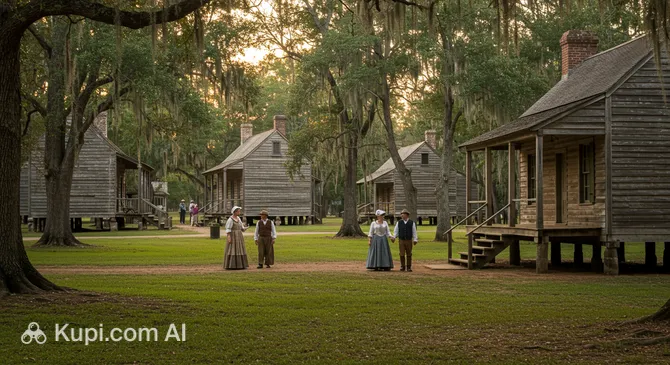
Vermilionville Historic Village. Illustration.
Source: Kupi.com AI

Traveller photos:

Set along the scenic banks of the Bayou Vermilion, the historical environment at Vermilionville has been carefully recreated. Here, you can see more than 19 authentic structures, including original homes, a school, a blacksmith shop, and a church, many of which were carefully relocated from various parts of Louisiana. Inside the buildings and in open areas, artisans in period costumes demonstrate traditional crafts such as weaving, pottery, candle making, and the culinary arts of the time. Live Cajun and Creole music often plays, adding authenticity to the experience.

A visit to Vermilionville Historic Village is not just about viewing exhibits, but a true interactive adventure. Guests can interact with the "residents" of the village, learning about their daily lives, traditions, and beliefs. It is a wonderful opportunity to gain a deeper understanding of Louisiana's rich cultural heritage and appreciate the contributions of various ethnic groups to its development. The village is an important educational and cultural center, attracting tourists who wish to experience living history.

Contacts

When planning a visit to Vermilionville Historic Village, it is recommended to check the latest information regarding opening hours, admission fees, and available tours in advance. The most accurate details can usually be found on the attraction's official website or at tourist information centers in Lafayette.

If you are looking for ways to get to the village, information about transport routes and parking is also typically available on official resources or travel portals in the USA dedicated to the region.

How to contactContact
Address300 Fisher Rd, Lafayette, LA 70508, USA
Phone+1 337-233-4077
Websitebayouvermiliondistrict.org

What to Do

At Vermilionville Historic Village in Lafayette, visitors can immediately dive into the atmosphere of the past by exploring more than 19 authentically restored and original structures. These include homes, a school, a blacksmith shop, and a chapel. In each of these buildings and in the open areas, you will be met by artisans and historical interpreters in period costumes. They enthusiastically demonstrate traditional crafts such as weaving, spinning, woodworking, blacksmithing, and cooking from heritage recipes, while sharing stories and knowledge about the daily lives, customs, and beliefs of their ancestors.

One of the highlights of a visit to Vermilionville is the live music—an integral part of Cajun and Creole culture. The lively sounds of the accordion, fiddle, and triangle often resonate here, inviting guests to dance or simply enjoy the atmosphere. Visitors are free to chat with the artisans, ask questions, and even try their hand at some of the crafts. In addition to the cultural demonstrations, the village offers the chance to learn about local flora and fauna, or simply enjoy a peaceful walk along the scenic bayou surroundings.

Getting There

Vermilionville Historic Village is located in the city of Lafayette, and there are several ways to reach it. The best route will depend on your preferences, budget, and starting point within the city.

One of the most convenient ways to reach Vermilionville Historic Village is by car. If you are traveling in a rental car, use a GPS—attractions like this usually provide visitor parking. You can also order a taxi or use ride-sharing services, which is especially convenient if you want to travel directly to the entrance without any transfers.

If you prefer public transport, it is worth checking the current bus routes in Lafayette. One of the routes may pass close to the village, or a short transfer might be required. Information on schedules and routes is best checked on the official websites of the city's transport companies or through route-planning apps. Sometimes a short walk is required from the nearest stop to the attraction itself.

Nearest city: Lafayette

History & Facts

Vermilionville Historic Village in Lafayette is more than just an open-air museum; it is a true journey through time, immersing visitors in the daily life and culture of South Louisiana from the late 18th to the early 20th centuries. This living history park lovingly recreates the atmosphere of the Acadian, Creole, and Native American villages that once existed in this region. Vermilionville's main mission is to preserve and showcase the rich heritage of these cultures, telling the stories of the people who shaped the unique character of Acadiana.

Founded for education and cultural preservation, Vermilionville is spread across a picturesque site along the banks of Bayou Vermilion. Here, you can see more than 19 historical structures, including 7 restored original homes dating from 1765 to 1890. Each building—be it a residence, a blacksmith shop, a school, or a chapel—tells its own unique story. Many of these structures were carefully moved from different parts of Louisiana and meticulously restored to show how the French-speaking settlers—Cajuns and Creoles—as well as the region's Native Americans lived and worked.

One of the notable features of Vermilionville Historic Village is its interactivity and lively atmosphere. Visitors can do more than just view exhibits; they can watch artisans in period dress demonstrating traditional crafts such as weaving, woodcarving, blacksmithing, and cooking heritage recipes. Live Cajun and Zydeco music often fills the air, alongside dance and culinary demonstrations, fully immersing guests in the authentic atmosphere of the past. The village also serves as an important cultural center, hosting festivals, educational programs, and special events dedicated to the history and traditions of Lafayette and the entire Acadiana region.

An interesting fact: the name "Vermilionville" is itself a historical reference, as it was the original name of Lafayette when it was founded in 1821 by Jean Mouton, a French-speaking planter of Acadian descent. Thus, the historic village not only recreates the life of the past but also bears a name deeply rooted in the origins of the city itself. A visit to Vermilionville is a unique opportunity to touch living history and understand the roots of the distinctive culture of the Acadiana region in the USA, which is carefully preserved and passed down through generations.

Time Needed

When planning a visit to Vermilionville Historic Village in Lafayette, it is worth setting aside enough time to immerse yourself in the atmosphere of the past. For a general overview of the exhibits, a stroll through the grounds, and a tour of the main historical buildings, most visitors typically need about 2-3 hours. This is enough time to get a sense of the life and customs of the region during the recreated historical period.

However, if you want to study each site in more detail, talk to the artisans (if they are present and demonstrating their skills), or attend workshops and special events, your stay may be longer. A deep dive into the history and culture presented by the village, or participation in interactive programs, can easily take half a day. We recommend checking the schedule of events or tour availability in advance to plan your visit optimally and get the most out of the experience.

Working Hours

Vermilionville Historic Village in Lafayette is generally open to visitors during the daytime, but exact hours may vary depending on the season and day of the week. Typically, such cultural sites are open Tuesday through Sunday, starting in the morning (e.g., from 10:00 AM) until the late afternoon (until 4:00 PM or 5:00 PM). Monday is often a closing day. It is highly recommended to check the current schedule on the official Vermilionville Historic Village website or contact them directly before your visit, especially if your trip coincides with holidays or if you plan to attend special events.

While advance booking for individual visitors is usually not required, groups or those wishing to participate in special tours and programs may need to book in advance. The village is presumably open year-round, offering various themed events throughout the seasons. For the most up-to-date and accurate information on opening hours, admission fees, and booking requirements, it is always best to consult Vermilionville's official sources.

DayOpening hours
MondayClosed
Tuesday10:00 – 16:00
Wednesday10:00 – 16:00
Thursday10:00 – 16:00
Friday10:00 – 16:00
Saturday10:00 – 16:00
Sunday10:00 – 16:00

Nearby

A visit to Vermilionville Historic Village is an immersion into a unique atmosphere of the past, but your discovery of Lafayette shouldn't stop at this wonderful attraction alone. Exploring the surrounding area will allow you to gain a deeper understanding of the region's culture and history, discover new flavors and experiences, and make your journey even more fulfilling and memorable.

There are many other interesting places near Vermilionville Historic Village that can complement your itinerary. From cozy cafes and restaurants to cultural centers and nature parks, there is something for everyone. Below is a list of some nearby attractions, including the distance to each.

NameDistance
Blazin' Hot Chicken1.4 km
Whiskey & Vine1.6 km
Broaddus Burgers2.2 km
Acadiana Center for the Arts2.4 km
Lafayette Parks and Recreation2.4 km
Olde Tyme Grocery2.6 km
Cathedral of St. John the Evangelist2.8 km

Reached the bottom of the page?

Looks like you know this route inside out