Support

Lehi

About

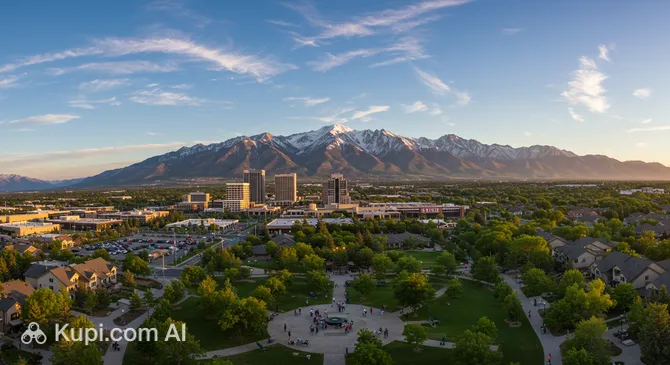
Lehi is a fast-growing and surprising city, nestled in Northern Utah. Situated between the majestic Wasatch Mountains and the scenic Utah Lake, it attracts travelers with its unique blend of natural beauty and modern comfort. This corner of the USA is perfect for those seeking a balance between a peaceful outdoor retreat and the rhythm of civilization.

Lehi. Illustration.
Source: Kupi.com AI

Today, Lehi is known as the heart of "Silicon Slopes" — an innovation hub often compared to the legendary Silicon Valley. With a population of about 74,000 people, the city is rapidly expanding, becoming a magnet for startups and technology. Despite modernization, the fascinating history of Lehi can still be felt on its streets: the heritage of the past is carefully preserved here, with historic districts sitting alongside new architectural projects.

Travelers appreciate Lehi for its strategic location and diverse leisure options. Here, you can enjoy outdoor activities in the mountains, explore local landmarks, or sample farm-to-table cuisine. The city is imbued with an atmosphere of friendliness and the charm of the American West, making it a wonderful place for a family vacation or a stop during a larger regional journey.

Weather Overview

The climate in Lehi is characterized by distinct seasons, offering travelers completely different experiences depending on the time of year. Summer here is generally hot and dry: the warmest month, July, features average temperatures around 25.7°C, with daytime highs often reaching 33°C. This is the perfect time for relaxing by the water, as rain in the height of summer is rare, with only 3–5 rainy days per month.

Winters in the region are cool and can be snowy. In January and December, the average temperature drops to -3°C, and nighttime frosts down to -7.5°C are possible. Precipitation during the winter period occurs regularly (about 10–11 days with precipitation per month), which should be considered when planning your trip. Spring and autumn serve as mild transition periods, although March can be quite wet.

Overall, expect a warm, sunny summer with minimal rainfall and fairly cold winters. To plan your wardrobe and activities as accurately as possible, we recommend checking the predicted weather in Lehi for your travel dates.

Average monthly temperature

Average monthly precipitation

Interesting Facts

Lehi is a city where the history of the Wild West meets the technology of the future, creating a unique atmosphere. In addition to well-known tourist routes, there are several surprising features that every guest should know about.

  • A Biblical Name. The city was named after the prophet Lehi from the Book of Mormon. This name was chosen by early settlers in the mid-19th century and symbolizes the deep historical and spiritual roots of the region, making Lehi one of the oldest settlements in the state.

  • Capital of the "Silicon Slopes." The city plays a key role in the development of the "Silicon Slopes" tech cluster. Offices of the world's largest IT companies are located here, and local startups regularly feature in national innovation rankings, transforming the former agricultural area into a modern hub.

  • Dinosaur Kingdom. The famous Thanksgiving Point complex houses the unique Museum of Ancient Life. This place attracts tourists not only for the chance to see dinosaur skeletons but also for the large-scale flower festivals and agricultural fairs held here annually.

  • Pioneer Heritage. In the past, Lehi was an important point on the route for settlers, gold seekers, and cowboys heading West. The city carefully preserves legends of the first railroaders, and Pioneer Day is celebrated here with great fanfare, featuring themed parades and festivities.

How to Get There

When planning a trip to this dynamic corner of Utah, it is useful to study all the ways to get to the city in advance. Lehi is conveniently located near major transport arteries, making a trip here comfortable and fast, especially if you choose to fly.

The main air hub for tourists is Salt Lake City International Airport (IATA: SLC). There is no airport in Lehi itself, so travelers fly into this major hub located in Salt Lake City, approximately 45.3 km from the destination. The airport accepts flights from all over the world and handles a massive flow of passengers. The trip by taxi or rental car via the highway takes about 50–60 minutes, depending on traffic.

Another convenient option, especially for domestic flights, is Provo Airport (IATA: PVU). It is much closer, located in the city of Provo, just 22.4 km from Lehi. Although this airport is smaller, it offers quick access to the city without the extra hassle. Getting from here to downtown Lehi by taxi or transfer takes about 40–50 minutes.

For convenience, here is a summary of the nearest airports:

AirportPassenger trafficDistance
Provo Airport900 00022 km
Salt Lake City International Airport28.4 mln45 km
Ogden Municipal Airport59 00090 km
Vernal Regional Airport22 142199 km
Canyonlands Field38 151256 km

Since there is no direct long-distance rail line stopping in Lehi, most tourists prefer to rent a car after arriving at the airport. This is the most popular way to travel around Utah, allowing you not only to reach your hotel but also to comfortably explore the surrounding mountains and national parks. Additionally, FrontRunner commuter trains run between regional cities, connecting Salt Lake City, Lehi, and Provo.

Main Attractions

Although Lehi is often perceived as a tech and business hub, the city offers guests a rich selection of entertainment and cultural sites. Here, you can find world-class educational complexes as well as historic buildings that have become pop culture icons. A tour of local attractions allows for a better understanding of the spirit of this place, where tradition intertwines with innovation.

Thanksgiving Point is arguably the city's crown jewel and a place where you can spend an entire day (or even several). It is a massive complex that combines gardens, museums, and farms. Ashton Gardens deserves special attention — an oasis of tranquility with picturesque waterfalls and themed landscapes. The Museum of Natural Curiosity is also located here, offering hundreds of interactive exhibits for children and adults, allowing them to explore science through play and adventure.

Cinema and history buffs should definitely visit the Lehi Roller Mills. This historic red-brick mill, built in the early 20th century, is still operational, producing famous flour and baking mixes. However, it gained worldwide fame thanks to the 1984 film "Footloose" — key scenes of the movie were filmed right here. The building is a magnificent example of industrial architecture and a popular spot for photos.

To dive into local history, stop by the Hutchings Museum Institute. This is more than just a local history museum; it is a true treasure trove of rarities. The collection, gathered by John Hutchings, includes everything from Native American artifacts and fossils to pioneer-era items and military memorabilia. The exhibition clearly demonstrates how life in the Utah Valley has changed over the centuries.

Those who prefer combining walks with shopping will enjoy the Outlets at Traverse Mountain. This open-air shopping complex is located at the foot of the mountains and offers not only a wide selection of brand-name stores but also stunning panoramic views of the valley. It is an excellent place to relax, grab a bite, and enjoy the atmosphere of modern Lehi against the backdrop of majestic nature.

Local Cuisine

The gastronomic scene in Lehi is a true embodiment of the traditions of the American West, where the food is simple, hearty, and incredibly delicious. The foundation of the local menu is often "comfort food": juicy roast beef, baked vegetables, and rich soups that warm you up on cool days. Cornbread and smoked turkey sandwiches, perfect for a quick snack while sightseeing, deserve special attention.

One of the city's main culinary calling cards is the famous "potato rolls" — light, airy buns made from potato dough. They are prepared according to old family recipes, and many local bakeries take great pride in this particular product. Thanks to the region's developed agriculture, the "farm-to-table" concept is very popular in Lehi. You can always find the freshest berries, homemade cheeses, honey, and jams at local markets, while seasonal fruits serve as the basis for desserts.

For those with a sweet tooth and beverage lovers, the city has plenty of surprises in store. There is a strong culture of consuming non-alcoholic refreshing drinks: be sure to try the local milkshakes and homemade lemonades, which are lifesavers in the summer heat. In the autumn, spiced apple cider becomes the star drink, often served hot.

The food culture in Lehi is focused on family values and coziness. "Sunday brunches" are popular here, where large groups gather to enjoy dishes made from seasonal products. In the spring, the city comes alive with the strawberry festival, where you can try sweet doughnuts with berries, and in the fall, it's time for traditional pumpkin pie, which is an integral part of the harvest celebration.

Travel Tips

A trip to Lehi promises to be eventful, as this city skillfully combines cutting-edge technology with proximity to the wilderness. To ensure your holiday in this cozy corner of the USA is as comfortable as possible and free of organizational hiccups, we have gathered several important practical recommendations for you.

  1. Clothing and Seasonality. The climate in Utah is dry and full of contrast. In the summer, it's hot, so bring light clothing made from natural fabrics, sunglasses, and a hat. In winter, a warm jacket, hat, and gloves are mandatory, as temperatures often drop below freezing. Since the region is famous for its mountains, definitely pack comfortable trekking shoes. The style of dress in the city is casual, but avoid overly revealing outfits when visiting public places.

  2. Transportation. Lehi is a city designed for motorists. While there is a FrontRunner commuter train station connecting the city to Salt Lake City, renting a car is highly recommended for moving freely between your hotel, restaurants, and attractions (such as Thanksgiving Point). Ride-sharing apps like Uber and Lyft work reliably, but trips can be pricey due to the distances.

  3. Finances and Tipping. The main currency is the US Dollar. Credit cards are accepted almost everywhere, from large shopping centers to small coffee shops. However, having some cash on hand ($1, $5, $10 bills) is useful for small expenses. Don't forget about tipping: it is customary to leave 15–20% of the bill in restaurants, as service charges are rarely included automatically.

  4. Health and Climate. Lehi is located at an altitude of about 1,400 meters above sea level, and the air is very dry. Tourists often don't notice dehydration, so drink more water than usual and use moisturizing creams and lip balm. The city is very safe, and you can comfortably walk even in the evening, but as with anywhere, you shouldn't leave valuables in plain sight in your car.

  5. Communication and Internet. Communication won't be an issue: English is the primary language. Free Wi-Fi is available in most hotels, cafes, and within the Thanksgiving Point complex. For navigation and connectivity during trips to the surroundings, it's better to purchase a local SIM card (T-Mobile or AT&T) or activate an e-SIM in advance, as signals can be unstable in the mountains.

  6. Local Etiquette. Utah residents are known for their friendliness and politeness. It is customary to greet service staff and hold doors for those behind you. Lehi is a city with strong family traditions, so loud profanity or provocative behavior in public places will be met with strong disapproval.

  7. Sunday Features. When planning your schedule, keep in mind that Sunday in Utah is a day for family and rest. Many shops, cafes, and even some tourist sites may be closed or operate on a significantly reduced schedule. It is not the best time for shopping or handling errands.

  8. Alcohol Specifics. If you're planning a dinner with wine, remember that Utah's alcohol laws are quite strict. Spirits and wine can only be purchased at specialized State Liquor Stores, which are also closed on Sundays and holidays. Ordinary supermarkets only sell beer with low alcohol content.

Lehi is a place where modern comfort meets traditional American hospitality. By following these simple tips, you can avoid minor inconveniences and focus entirely on the impressions of the majestic mountains and the unique atmosphere of this city.

Entertainment & Nightlife

The nightlife in Lehi is significantly different from the noisy parties of large metropolises. It is a city with a cozy family atmosphere and the business rhythm of the "Silicon Slopes," so you are unlikely to find massive dance clubs operating until dawn. Evening leisure in Lehi primarily consists of high-quality relaxation in gastropubs, atmospheric restaurants, and entertainment centers where you can unwind after a busy day.

The epicenters of evening activity are the Thanksgiving Point and Traverse Mountain areas. It is here, at the foot of the mountains, that most of the establishments where life bustles after sunset are concentrated. The atmosphere in the city is democratic and relaxed (casual), and strict dress codes are extremely rare. The crowd mostly consists of locals, IT company employees, and tourists who prefer quiet conversation over dinner or watching sports broadcasts.

Among the specific venues worth noting is Strap Tank Brewery. This place, with its unique vintage and motorcycle-themed interior, offers an excellent selection of local drinks and hearty cuisine. For those looking for a livelier setting, Bout Time Pub & Grub is a classic American sports bar where groups of friends gather. If you are in the mood for a quieter evening, locals often choose Megaplex Theatres to watch the latest films in high-comfort screening rooms.

When planning your evening, be sure to consider local regulations. Utah has rather strict alcohol laws: entry to bars is strictly for those 21 and older, and you will almost certainly be asked for an ID (passport) at the entrance, regardless of how old you look. Most establishments close around 1:00 AM, and kitchens may stop serving earlier. Prices in Lehi are moderate: the average bill for dinner with drinks is about $30–$50 per person.

In terms of safety, Lehi is one of the calmest cities in the region. Evening walks around shopping centers and restaurants are comfortable and safe. Nevertheless, public transport runs infrequently at night, so it is highly recommended to use a rental car or taxi services such as Uber and Lyft for getting around. Finding a car is usually not difficult, and parking at establishments is spacious and generally free.

While the nightlife here is leisurely, the city offers equally engaging entertainment during the day. In the daylight hours, it's worth visiting the museums of the Thanksgiving Point complex, strolling through the picturesque gardens, or heading out for some outlet shopping, so that by evening you can sink into the cozy atmosphere of local restaurants with a sense of pleasant exhaustion.

Parks & Museums

Lehi is a city that knows how to surprise not only with its innovations but also with its careful attitude toward nature and cultural heritage. For tourists wishing to take a break from the city bustle or dive into studying the past, magnificent park zones and educational museum spaces have been created here, harmoniously complementing each other.

Among the green spaces, the absolute leader is Ashton Gardens, located within the Thanksgiving Point complex. This is not just a park, but a grand open-air botanical museum covering more than 20 hectares. Here, visitors can stroll through 15 themed areas, including an Italian garden with cascading fountains and a peaceful "Secret Garden." The main point of attraction is the largest man-made waterfall in the Western Hemisphere, creating an incredible atmosphere of freshness and grandeur. It is an ideal place for leisurely walks and photo sessions.

For those looking for a more intimate and historic atmosphere, Wines Park is perfect. This is the city's oldest park, occupying an entire city block. Surrounded by centuries-old trees that provide deep shade even on the hottest day, it has preserved the charm of old America. There are cozy picnic pavilions here, and it is frequently the site of city festivals and outdoor concerts, allowing you to feel the true spirit of the local community.

The cultural program of Lehi is unthinkable without a visit to the Museum of Ancient Life. This museum boasts one of the world's largest displays of dinosaur skeletons. Sixty complete skeletons of ancient reptiles are exhibited here, along with many interactive displays that allow you to literally touch paleontology. Unlike strict academic museums, the spirit of exploration is encouraged here, making it an exciting place for visitors of any age.

Another important cultural point is the Hutchings Museum Institute. This unique institution, which grew out of a private collection, offers an eclectic look at the region's history. The exhibition covers a wide range of topics: from geological finds and indigenous culture to artifacts from the days of the Wild West exploration. The museum is interesting for its authenticity and the opportunity to see rare household items of Utah's first settlers.

As an insider tip, we recommend checking out the Jordan River Parkway. This is a scenic trail running through the city along the river, which is often overlooked by tourists focused on major attractions. By renting a bike or simply going for a walk at sunset, you can enjoy the silence, observe local birds, and see Lehi from a completely new, natural perspective.

Getting Around

The transportation system in Lehi is part of the extensive UTA (Utah Transit Authority) network, which covers the entire Wasatch Front region. For a tourist accustomed to the dense urban layouts of megapolises, the local travel scheme may seem unusual. Here, the focus is not on frequent bus routes within neighborhoods, but on effectively connecting the city with neighboring major centers and innovative solutions for local trips.

The main transport artery for travelers is the FrontRunner commuter rail. Lehi Station is strategically located near the Thanksgiving Point complex. The trains are comfortable, equipped with Wi-Fi and tables, making the journey pleasant. This is the fastest way to get to downtown Salt Lake City to the north or Provo to the south, bypassing potential highway traffic.

Instead of an extensive network of traditional buses, which often run empty in suburban conditions, a modern micro-transit system called UTA On Demand operates in Lehi. This is a hybrid of a bus and a taxi: you request a minivan through a special app, and it picks you up at the nearest intersection, delivering you to the train station or any point within the service zone. The cost of such a trip is fixed and equal to the price of a regular bus ticket, making this service incredibly affordable and convenient for tourists.

The payment system for UTA transit is extremely guest-friendly. You don't necessarily need to find ticket offices or buy special FAREPAY transit cards (though they exist). The easiest way is to use a contactless bank card or a smartphone with NFC (Apple Pay, Google Pay). Validators are installed on station platforms and at bus entrances. The Transit mobile app is also popular, where you can not only buy an electronic ticket but also plan your route in real-time.

An important practical tip when using the FrontRunner train: be sure to tap your card on the validator twice — before boarding ("tap on") and after exiting onto the destination platform ("tap off"). The train fare depends on the distance, and if you don't complete the trip at the validator, the maximum fare will be charged to your card. A fixed fare applies to buses and the On Demand service.

Despite the availability of public transport, many tourists prefer alternative ways to get around. Due to the large distances between attractions and residential areas, renting a car or using taxi services (Uber, Lyft) remains the most popular option; these services operate 24/7 and provide cars quickly. Bicycles in Lehi are used more for recreational rides along scenic trails than as a full-fledged means of transportation.

When planning your trips, keep in mind a critical regional feature: on Sundays, FrontRunner train service stops completely, and the schedules for other types of transport may be significantly reduced or canceled. On this day of the week, you will have to rely exclusively on a rental car or taxi to travel between cities.

Accommodation

The hotel industry in Lehi fully reflects its status as a modern and fast-growing city. You won't find historic inns or giant luxury resorts typical of world capitals here. Instead, the city offers a wide selection of high-quality chain hotels ranging from mid-range to upper-mid-range. The main focus is on comfort, functionality, and convenience for families and business travelers coming to the "Silicon Slopes."

When choosing a place to stay, location is the key factor. The most attractive and convenient area for tourists is the vicinity of Thanksgiving Point and Traverse Mountain. By staying here, you will be within walking distance of the main museums, gardens, outlets, and restaurants. Additionally, the proximity to Interstate I-15 makes it easy to reach Salt Lake City or Provo. The historic center of the city (Downtown Lehi) is more suitable for those seeking peace and quiet, though the choice of accommodation there is much more limited.

Typical accommodation in Lehi consists of modern buildings with spacious rooms, often equipped with kitchenettes, which is especially convenient for long-term stays. Many hotels offer free breakfasts, pools, and fitness centers. Additionally, renting private apartments and houses is gaining popularity in the city and its surroundings. This is an excellent option for large families or groups who want to feel like locals and have more personal space.

Booking Tip: Lehi is a popular destination not only for leisure but also for business conferences. On weekdays, hotels can be filled with IT company employees, while on weekends and during festivals (such as the Tulip Festival in spring), they fill up with tourists. Therefore, we recommend booking your accommodation 2–3 weeks before your trip to guarantee availability and the best price.

The price range in the city can be described as mid-range. It is difficult to find extremely cheap hostels here, but prices for luxury rooms are also not exorbitant. Booking is most convenient through major international online platforms or official hotel chain websites, which often allows you to earn loyalty points.

Nearby Cities

For those looking to explore the surrounding area, Lehi serves as an excellent starting point for day trips to several interesting nearby locations:

CityPopulationDistance
American Fork32 8225 km
Cedar Hills9 9758 km
Pleasant Grove37 22810 km
Lindon11 34612 km
Bluffdale16 57613 km

Just a 20–30 minute drive away are cities that each possess their own unique character and are well worth a traveler's attention.

Provo is the cultural and educational center of the region, located south of Lehi. The city is known as the home of Brigham Young University, which gives it a lively student atmosphere. Tourists will find the rich collections of the BYU Museum of Art and the Museum of Peoples and Cultures interesting. Additionally, Provo serves as the gateway to the canyon of the same name, where you can enjoy breathtaking views and visit the famous Bridal Veil Falls.

Orem, which practically merges with Lehi and Provo, offers excellent opportunities for peaceful family vacations and shopping. The city is famous for its hospitality and well-developed entertainment infrastructure. It’s worth stopping by the SCERA Center for the Arts, which regularly hosts theatrical productions and outdoor movie screenings, or strolling through the parks that offer panoramic views of Mount Timpanogos.

Sandy, located to the north toward Salt Lake City, attracts fans of an active lifestyle. This city is a convenient starting point for trips into the mountains, specifically to the world-famous ski resorts of Little Cottonwood Canyon. Sandy is also well-known among sports fans thanks to Rio Tinto Stadium, where the professional soccer club Real Salt Lake plays its matches.

These nearby destinations provide a glimpse into the diverse culture and landscapes of the region, making your trip through Utah even more enriching and memorable.

Shopping & Souvenirs

Shopping in Lehi is a pleasant combination of great deals and unique local finds. The city doesn't claim to be a high-fashion capital, but it offers excellent conditions for those looking for quality brand-name clothing, outdoor gear, or authentic gifts. Thanks to the convenient location of shopping areas, the buying process is often accompanied by picturesque mountain views, turning an ordinary shopping trip into an aesthetic pleasure.

The main center of attraction for shopaholics is the Traverse Mountain area. This part of the city, located on the hillsides, has become a true mecca for fans of discounts and famous brands. Here, wide avenues and convenient parking sit alongside modern retail spaces. Another important point is historic Main Street, where the atmosphere is completely different: here you can find small family shops, antique stores, and boutiques with handmade goods that preserve the spirit of old Lehi.

The undisputed leader among shopping complexes is the Outlets at Traverse Mountain. This is a large open-air outlet center featuring dozens of global brands in clothing, footwear, and accessories. Tourists come here for substantial discounts and a pleasant walk between stores in the fresh air. Another iconic location that is hard to call just a store is Cabela’s. This giant center for hunting, fishing, and outdoor goods is more like a museum: inside there is a huge aquarium, taxidermy animals, and even an artificial mountain, making it interesting even for those who are not into sports.

If you are looking for something more traditional and colorful, pay attention to the seasonal markets and fairs often held at Thanksgiving Point. In summer and early autumn, you can find farmers' markets where local producers offer fresh fruit, homemade jams, pastries, and artisanal crafts. This is a great place to get a "taste" of Utah and chat with the locals.

As souvenirs from Lehi, it's worth bringing back items that reflect the unique character of the region. Dinosaur-themed items (a nod to the local museum), high-quality local honey and sweets, as well as products made from cherries and apples grown in the state's orchards, are popular. Lovers of practical gifts will appreciate the wide selection of hiking gear and Western-style clothing, which is characterized here by high quality and authenticity.

Most large stores and shopping centers are open from 10:00 AM to 9:00 PM from Monday to Saturday. However, it's important to keep local cultural specifics in mind: on Sundays, many stores close earlier (around 6:00 PM), and some private shops may be closed entirely. Credit card payments (Visa, MasterCard, American Express) are accepted everywhere, even in small kiosks. Cash may only be useful for small purchases at markets.

International tourists should consider the taxation features in the USA. The Tax-Free system (VAT refund) common in Europe practically doesn't work the same way here. In the state of Utah, sales tax is added to the cost of the item at the checkout, and it is generally impossible to get a refund when leaving the country. Therefore, the price on the tag will always be lower than the final amount you are asked to pay.
Reached the end of the page?

That means the route is fully explored