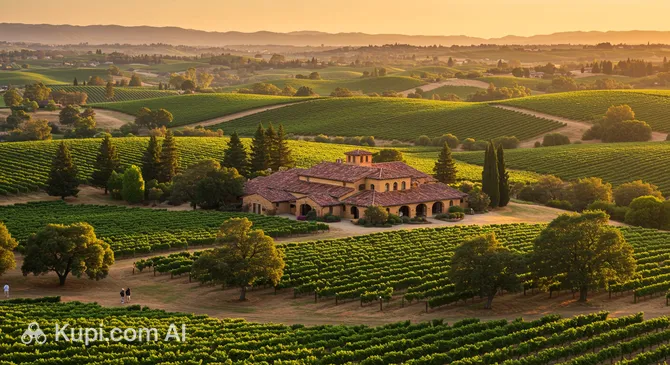
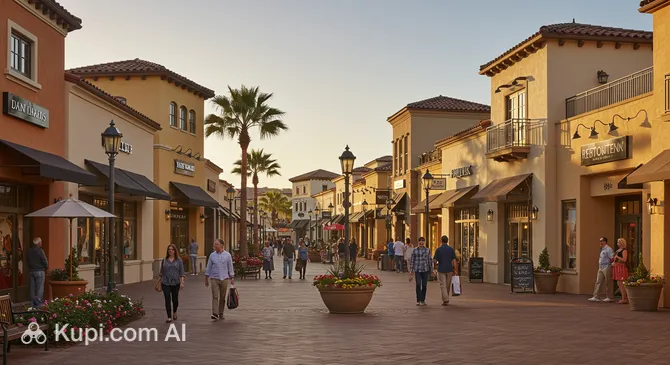
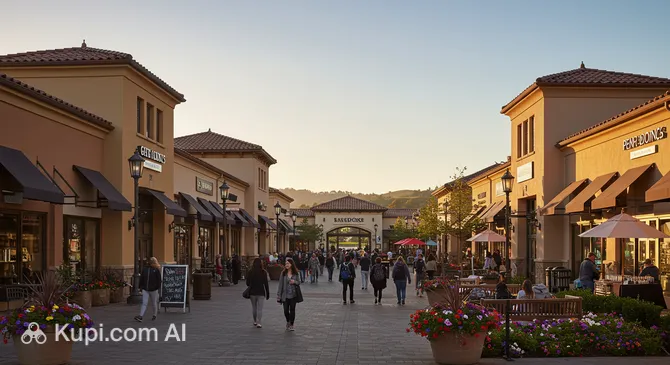
Napa is more than just a city; it is the heart of a world-renowned wine region, drawing travelers with its unique atmosphere, exquisite wines, and picturesque landscapes. Located in sunny California, USA, this charming city serves as the gateway to the famous Napa Valley.
Napa. Illustration.
Source: Kupi.com AI
The climate here is Mediterranean, featuring warm, dry summers and mild, wet winters, which create ideal conditions for viticulture. Napa's population is approximately 86,000 people, many of whom are involved in the wine industry or tourism. The city offers a perfect blend of small-town charm and high-end service.
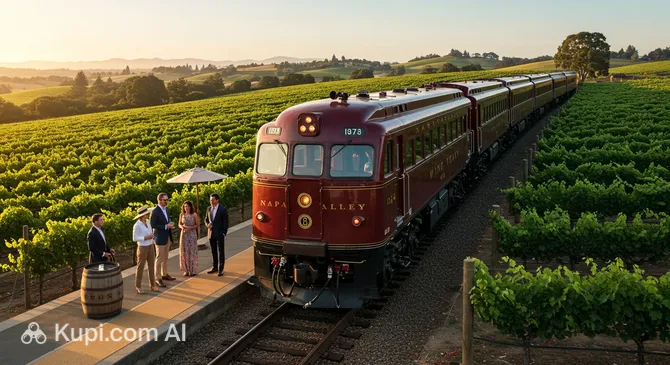
The main reason people visit is, of course, the wineries. There are hundreds of them, ranging from small family-run operations to large, world-famous estates offering tastings and fascinating tours. The Napa Valley Wine Train is equally popular—a vintage train where you can embark on a gastronomic journey through the valley while enjoying vineyard views and fine dining. It is also worth visiting the lively downtown area with its boutiques, art galleries, and the Oxbow Public Market, where you can sample local delicacies.
Napa is a place where everyone can find something to enjoy, from wine connoisseurs and foodies to lovers of beautiful nature and peaceful relaxation. Come and discover the magic of this amazing corner of California!
The weather in Napa is characterized by distinct seasons, making it an attractive place to visit at different times of the year. Summer here is typically warm and very dry, with average temperatures in July and August staying around 23°C and virtually no precipitation. Winters, by contrast, are cooler and wetter, with an average temperature of about 10°C in December and January, and the highest amount of rainfall occurring during these months. Spring and autumn offer comfortable temperatures and a gradual change in precipitation levels. Expect warm, very dry summers and cool, wetter winters. To learn more about weather conditions in a specific month, you can view detailed information about the Napa climate.
Average monthly temperature
Average monthly precipitation
Interesting Facts
Beyond world-famous wineries and picturesque landscapes, Napa holds many surprising stories and little-known details that make the city even more alluring. Ready to learn a few secrets?
Napa Valley Wine Train. Illustration.
Source: Kupi.com AI
Traveler photos:
Gold Rush, Not Wine: Few people know that before Napa became synonymous with fine wines, the city played an important role in the mid-19th century as a supply point for prospectors during the California Gold Rush.
Time Travel on Rails: The famous Napa Valley Wine Train is not just a tourist route, but genuine restored Pullman railcars from the early 20th century (some dating back to 1915!), allowing you to immerse yourself in the atmosphere of luxury rail travel from the past.
More Than a Market: Oxbow Public Market is not only a gastronomic paradise with local delicacies but also a kind of cultural hub, often hosting exhibitions by local artisans and themed events showcasing the creative spirit of the region.
Ghost Wineries: There are so-called "ghost wineries" in the Napa Valley. These are historical winemaking estates that were abandoned during Prohibition (1920–1933) and later restored. Today, they not only produce wine but also preserve unique stories of the past, attracting history and architecture enthusiasts.
How to Get There
A journey to California's wine capital begins with choosing the right route. Since there is no major commercial hub within the city itself, tourists usually fly into neighboring metropolitan areas and continue their journey along scenic roads. You can find all the details and alternative options by following the link: how to get to Napa.
There is no airport in the city of Napa that handles scheduled passenger flights, but you can fly into one of the major hubs nearby. Most often, travelers choose San Francisco International Airport (IATA: SFO). It is located in San Francisco, about 76 km from Napa. It is the region's largest international hub, receiving flights from all over the world. The drive from here by rental car or taxi takes about 2 hours, depending on Bay Area traffic.
Another convenient option is Sacramento International Airport (IATA: SMF), located in Sacramento, 75 km from central Napa. Often the road from here is less congested than from San Francisco, and the trip takes about 2 hours. This is an excellent choice for those looking to avoid heavy city traffic.
It is also worth considering Oakland International Airport (IATA: OAK), located in San Leandro, just 63 km from Napa. This is a popular choice for domestic flights. The drive from here takes slightly less than 2 hours. For those looking for the closest possible option, the regional Sonoma County Airport (IATA: STS) in Santa Rosa (about 52 km away) is suitable, although the number of flights there is limited.
For convenience, here is summary information on the main airports:
Regarding rail service, there is no long-distance Amtrak station in the city of Napa itself. The nearest major Amtrak station is in the city of Martinez. Typically, tourists take the train to Martinez and then transfer to a dedicated Amtrak Thruway bus, which takes passengers directly to downtown Napa. The entire journey from California's major cities can take several hours, but it is a scenic and relaxed way to reach the valley without a car.
The primary way to get to Napa remains by car. Renting a car at any of the listed airports will give you the freedom not only to reach your hotel but also to comfortably explore the numerous wineries of the region scattered throughout the valley.
Main Attractions
Napa, as the heart of California's famous wine region, offers its guests not only magnificent wines but also many other fascinating places. Here are some of the key attractions that will make your trip unforgettable:
One of the most iconic attractions is the Napa Valley Wine Train. This is not just a ride, but a true journey back in time aboard meticulously restored vintage railcars. The route passes through picturesque vineyards, allowing you to enjoy gourmet meals, local wine tastings, and, of course, the valley's stunning scenery. It is a unique way to experience the region and its winemaking traditions.
Napa Valley Wine Train. Illustration.
Source: Kupi.com AI
Traveler photos:
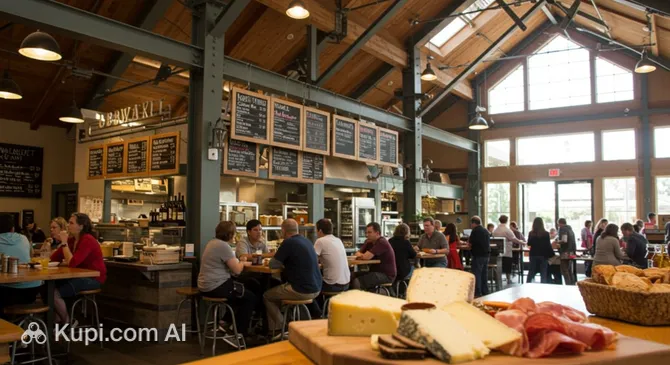
For those looking to dive into the local gastronomic culture, a visit to the Oxbow Public Market is a must. This bustling indoor market brings together the best local producers, farmers, and artisans, along with cozy cafes and restaurants. Here you can taste the freshest products, from oysters to artisanal cheese, find unique souvenirs, and simply enjoy the atmosphere of this popular spot.
Oxbow Public Market. Illustration.
Source: Kupi.com AI
Traveler photos:
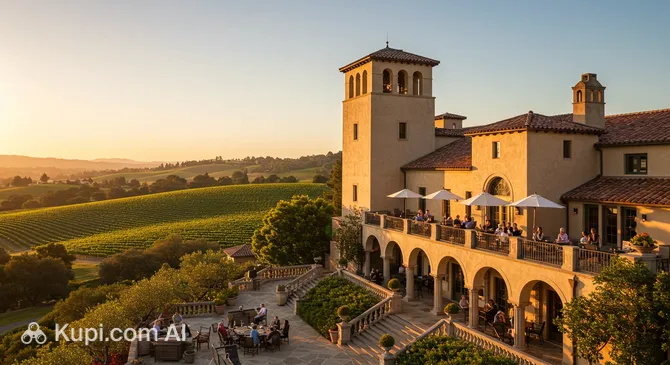
Connoisseurs of sparkling wines and beautiful architecture should visit Domaine Carneros. This famous winery, designed in the style of a French château, specializes in high-quality sparkling and still wines. Guests can enjoy tastings on the terrace with panoramic views of the vineyards, take production tours, and experience the elegant atmosphere.
Domaine Carneros. Illustration.
Source: Kupi.com AI
Traveler photos:
If you want to take a break from wine tasting and enjoy nature, head to Skyline Wilderness Park. This expansive park offers numerous hiking, biking, and horse trails of varying difficulty. The trails offer breathtaking views of the Napa Valley, and there is a chance to see local flora and fauna. It’s a great place for active recreation and reconnecting with nature.
Skyline Wilderness Park. Illustration.
Source: Kupi.com AI
Traveler photos:
Another gem of the wine region is Monticello Napa Valley. This winery attracts visitors not only with its wines but also with its architecture, inspired by Thomas Jefferson's estate. Visitors can enjoy tastings in a historical setting, stroll through manicured gardens, and learn more about the winemaking process in this unique location that conveys an atmosphere of elegance and rich history.
Monticello Napa Valley. Illustration.
Source: Kupi.com AI
Traveler photos:
Local Cuisine
Napa is not just the world’s wine capital, but a true gastronomic oasis in the USA, where the "farm-to-table" philosophy is the foundation of the culinary culture. The local cuisine charms with the freshness of seasonal products grown in California's fertile valley and, of course, the skillful pairing of dishes with the region's magnificent wines. Napa’s gastronomic scene is synonymous with quality, innovation, and deep respect for natural flavors, drawing foodies from all over the world.
Be sure to experience California cuisine, which reveals itself in all its glory in Napa. The focus is on the freshest ingredients: local farmers' markets abound with vegetables, fruits, and herbs. Try dishes featuring artichokes, which are particularly popular here, salads with artisanal cheeses from local creameries, and fresh seafood like oysters, which pair perfectly with local white wines. Many restaurants pride themselves on direct sourcing from farmers, guaranteeing exceptional quality and taste in every dish.
Speaking of drinks, it is impossible to overlook Napa’s famous wines. Cabernet Sauvignon and Chardonnay from this region have gained global recognition and are considered benchmarks. Don't miss the chance to try other local varieties, such as a rich Zinfandel or an elegant Merlot. In addition to wine, Napa has a thriving craft brewing scene, offering interesting local ales and lagers. Non-alcoholic favorites include fresh-pressed juices, homemade lemonades made from local fruit, and, of course, aromatic coffee from local roasters.
Dining culture in Napa is incredibly diverse. You will find everything here: from Michelin-starred fine-dining restaurants to cozy bistros and family cafes with a relaxed atmosphere. Gastronomic markets like the famous Oxbow Public Market are especially popular, where you can not only buy delicacies but also enjoy a tasty snack. If you want to enjoy the freshest seafood in a lively setting, stop by Hog Island Oyster, known for its oysters and other gifts from the sea.
Hog Island Oyster. Illustration.
Source: Kupi.com AI
Traveler photos:
Travel Tips
Planning a trip to charming Napa, the heart of California's wine region? To ensure your journey goes smoothly and leaves only the most pleasant impressions, we have prepared some practical tips. They will help you better navigate and enjoy everything this welcoming corner of the USA has to offer.
Clothing and Essentials: The climate in Napa is Mediterranean, so bring light clothing, sunscreen, a hat, and sunglasses for the summer (June–August). Evenings can be cooler, so a light jacket or sweater will come in handy. In autumn and spring, the weather is changeable, so layering is your best friend. In winter (December–February), rain is possible, so don't forget an umbrella and waterproof shoes. Comfortable shoes are critically important, as you will be doing a lot of walking around wineries and the city. Don't forget an adapter for your electronics (Type A and B outlets are used in the US).
Regional Transport:Napa and its surrounding valley are quite extensive. The most convenient way to get around, especially for visiting wineries, is renting a car. Within the city of Napa, you can get around on foot or by taxi/services like Uber and Lyft. There is also a local bus system, Vine Transit, but it may not be as convenient for tourist routes. For a unique experience, consider the Napa Valley Wine Train.
Finances: The local currency is the US Dollar (USD). Credit and debit cards are accepted almost everywhere. ATMs are easy to find. It is best to exchange currency at banks or specialized exchange offices in major cities before arriving in Napa, as options here may be limited. Tipping is an integral part of the service culture: it is customary to leave 15-20% of the bill in restaurants, and it is also common to tip taxi drivers and guides. A rough daily budget (excluding accommodation and expensive tastings) can range from 100–150 USD per person.
Health and Safety: Pharmacies (e.g., CVS, Walgreens) are available in the city, and some stay open late. In case of a medical emergency, call 911. Napa is considered a safe area, especially in the tourist zones. However, as elsewhere, follow basic precautions: do not leave valuables unattended or in plain sight in your car.
Communication: The official language is English. Most of the population speaks English, and you will easily be able to communicate. You can buy a local SIM card at mobile phone shops or major supermarkets. Wi-Fi is available in most hotels, cafes, and many wineries. Apps with winery maps, navigators, and ridesharing services can be very useful.
Local Etiquette and Interaction: Americans, including Californians, are generally friendly and open. Informal greetings ("Hi", "Hello") are standard. When visiting wineries, especially popular ones, it is recommended to book tastings and tours in advance. Respect private property and do not enter vineyard grounds without permission.
What to Avoid:Under no circumstances should you drive after a wine tasting. Use a taxi, a designated driver, or special tours. Also, do not expect all wineries to be open for walk-ins without a prior appointment—always check the information on their websites.
Special Tip for Napa: When planning winery visits, don't try to visit too many in one day. Choose 2-3 estates so you can enjoy the atmosphere and the wine without rushing. Many wineries offer not just tastings, but picnics, culinary workshops, or simply beautiful views for relaxation.
We hope these tips help you plan the perfect trip to Napa! Enjoy the magnificent wines, exquisite cuisine, and stunning landscapes of this unique region.
Entertainment & Nightlife
When the sun sets over the vineyards, Napa transforms, offering its guests a variety of options for evening and nighttime leisure. While the city is primarily famous for its wines and daytime tastings, its nightlife can be a pleasant surprise. Here you can find everything from sophisticated lounge bars to live music venues where you can relax after a busy day.
The main concentration of evening entertainment is in Downtown Napa, particularly along First Street and near the popular Oxbow Public Market, which also comes alive in the evening thanks to nearby restaurants and bars. The atmosphere is usually elegant yet casual. The crowd is a mix of tourists looking to extend their tasting experience and local residents. Most establishments follow a smart-casual dress code, though some trendy clubs might require a dressier look. Bars typically stay open until midnight or 1:00 AM, and clubs may close later, especially on weekends.
Notable venues include the renowned jazz club and restaurant Blue Note Napa, where you can enjoy world-class performances in an intimate setting. This is an excellent spot for lovers of high-quality music and a sophisticated atmosphere. If you're looking for a stylish bar with great steaks and a wide selection of drinks, check out Cole's Chop House, known for its classic American cuisine and elegant interior. Also popular is Hog Island Oyster, where you can enjoy fresh oysters with a glass of wine while overlooking the Napa River.
Blue Note Napa. Illustration.
Source: Kupi.com AI
Traveler photos:
When planning your evening, keep in mind that it is better to book tables in advance for popular spots, especially on weekends. Prices in Napa's bars and restaurants can be above average, particularly in high-end establishments. Regarding nighttime transportation, taxis or ridesharing services (such as Uber or Lyft) are the most convenient options, as public transport runs less frequently late at night. This is especially relevant if you plan on sampling local wines.
Napa is generally considered a safe city for evening walks, especially in the well-lit central areas. Nevertheless, it is always worth following standard precautions: keep an eye on your belongings and avoid poorly lit or deserted areas late at night. You can call a taxi by phone, through an app, or by asking the establishment's staff.
While the focus of this section is on nightlife, don't forget about daytime entertainment in Napa. In addition to world-famous wineries, the city offers cultural leisure opportunities: you can find art galleries and visit historical sites. For outdoor enthusiasts, there are beautiful parks such as Skyline Wilderness Park or Kennedy Park, where you can enjoy nature and picturesque views.
Parks & Museums
In addition to world-famous wineries, Napa offers its guests other ways to enjoy their time, whether it's relaxing in nature at city parks or exploring local culture and history. The city and its surroundings invite leisurely strolls and interesting discoveries that complement the wine experience.
For those looking for a corner of peace and greenery, Napa offers several wonderful parks. One popular spot is Kennedy Park. This is a large multi-functional park where you can find entertainment for the whole family: from playgrounds and picnic areas to sports fields and activities on the Napa River. It is perfect for active recreation or just a relaxed walk along the water.
Kennedy Park. Illustration.
Source: Kupi.com AI
Traveler photos:
In the heart of the city, near the historic center, lies Fuller Park. This charming park with century-old trees, manicured lawns, and a beautiful fountain is a popular place for residents to relax and for various events to be held. Its cozy atmosphere and convenient location make it a great spot for a short break while sightseeing.
Fuller Park. Illustration.
Source: Kupi.com AI
Traveler photos:
Lovers of wilder nature and longer walks should check out Skyline Wilderness Park, which offers expansive areas for hiking and admiring panoramic views of the valley. Also, Alston Park is excellent for walks and pet-friendly outings, known for its spacious off-leash dog areas and picturesque trails.
While Napa does not boast a large number of major traditional museums, its cultural heritage is closely intertwined with winemaking and the region's history. You can experience art in the numerous art galleries located in the city center, as well as directly on the grounds of some wineries, where works by local and visiting artists are often exhibited. These galleries offer a wide range of pieces—from contemporary art to classical painting.
A significant cultural and historical site in the city is the Napa Valley Opera House—a magnificently restored historic theater built in 1880. Today, it is one of the region's main performing arts venues, hosting concerts, theatrical productions, and other cultural events. Its architecture is an attraction in itself, reflecting the city's rich past.
The spirit of history is also felt during a trip on the Napa Valley Wine Train, which not only offers a gastronomic experience but also allows you to see historical stations and landscapes that played an important role in the region's development.
For an authentic experience, stop by the Napa Farmers Market (usually open on Tuesday and Saturday mornings, but it's best to check the schedule), where you can not only buy the freshest local products but also chat with farmers and artisans. For a deeper dive into the history of the region's winemaking, look for small family wineries, which often hold unique stories and offer more personalized tastings.
Getting Around
Getting around Napa and its surroundings can be done in several ways; however, it is important to understand that for a full exploration of the wine region, public transport has its limitations. Within the city of Napa itself, the main form of public transportation is the Vine Transit bus system.
Vine Transit buses serve the city of Napa and some surrounding areas, including routes to other valley towns like Yountville, St. Helena, and Calistoga. This can be an economical option for moving between the valley's towns if you have enough time. However, for visiting most wineries, which are often located away from main roads, buses may not be the most convenient solution.
The payment system on Vine Transit buses usually includes the option to purchase single tickets directly from the driver (it is advisable to have the exact change). Day passes or multi-ride cards may also be available, which are more cost-effective for frequent trips. Information on current fares, ticket types, and how to purchase them (including possible mobile apps for purchasing or route planning) is best checked on the official Vine Transit website before your trip. Bus operating hours may be limited, especially in the evenings and on weekends, so always check the schedule in advance.
For tourists, especially those planning to visit many wineries, more popular and convenient alternatives to public transport include:
Car Rental: This is the most flexible way to explore the Napa Valley at your own pace, allowing you to easily reach remote wineries and scenic spots. Remember to follow traffic rules and the strict prohibition against driving under the influence.
Taxis and Ridesharing Services (Uber, Lyft): These services are widely available in Napa and can be a good option for trips around the city or to nearby wineries, especially if you do not want to rent a car or are planning tastings.
Bicycle Rental: For leisurely rides around the city or trips to nearby wineries, renting a bike can be an excellent choice, allowing you to enjoy the scenery and fresh air. There are several rental shops in Napa and the surrounding area.
Organized Wine Tours: Many companies offer tours by bus or van that include visits to several wineries, tastings, and guide services. This eliminates the need to plan your own route and worry about transportation after tastings.
A special form of transport and attraction combined is the Napa Valley Wine Train. This is more of a gastronomic journey on a vintage train through the valley's scenic areas than a standard means of travel, but it offers a unique experience for exploring the region.
In general, although a public transport system exists in Napa, for maximum convenience and coverage of tourist sites, especially wineries, it is recommended to consider alternative transportation options such as car rentals or using taxi services and wine tours.
Accommodation
As a popular tourist destination, Napa offers a wide range of accommodation options capable of satisfying the needs of various travelers. You can find everything here: from luxury resorts and elegant boutique hotels to cozy bed and breakfasts (B&Bs), as well as apartments and vacation homes ideal for families or large groups.
When choosing a place to stay, consider several key areas. Downtown Napa is convenient due to its proximity to restaurants, shops, tasting rooms, and certain attractions like the Oxbow Public Market. For those seeking a more secluded atmosphere and direct proximity to the vineyards, options located along the main wine routes, such as the Silverado Trail or Highway 29, as well as in neighboring valley towns, are suitable.
Notable accommodation options in Napa include, for example, Carneros Resort and Spa, which offers luxury cottages, spa services, and magnificent vineyard views. It is a prime example of the high-end relaxation for which the region is famous.
Carneros Resort and Spa. Illustration.
Source: Kupi.com AI
Traveler photos:
Booking Tip:Napa is a very popular destination, especially during peak season (usually from late spring to autumn, including the harvest period) and on weekends. Therefore, it is highly recommended to book your accommodation in advance to ensure the best choice and prices. This is especially relevant if you plan to visit during specific events or festivals.
The price range for accommodation in Napa varies from mid-range to high-end and luxury. Budget options like hostels are less common here; the focus is on more comfortable accommodations. You can book lodging through popular online booking platforms, directly on hotel or resort websites, or through specialized apartment and home rental services.
Nearby Cities
For those who want to explore the surrounding area, Napa serves as an excellent starting point for day trips to several interesting nearby locations:
For example, a trip to Santa Rosa, located just 41 km away, will delight comic book fans with the famous Charles M. Schulz Museum, and provide access to Sonoma County wineries and the beautiful Luther Burbank Home and Gardens. Vallejo, even closer at 22 km, attracts visitors with the Six Flags Discovery Kingdom theme park, the historic Mare Island Naval Shipyard, and the option to take a ferry ride to San Francisco.
These nearby destinations offer a glimpse into the diverse culture and landscapes of the region. Each of these trips can be a wonderful addition to your vacation in Napa, offering new experiences and discoveries just an hour or an hour and a half away.
Shopping & Souvenirs
Shopping in Napa is more of a pleasure for foodies and connoisseurs of unique items than a pursuit of mass-market brands, though such opportunities do exist. The city and valley are famous for their wineries, so it is no surprise that many shops offer excellent local wines, delicacies, and handmade crafts. Here you can find charming boutiques, art galleries, and specialty shops that reflect the spirit of this famous USA wine region.
The main shopping spots are concentrated in Downtown Napa, especially along First Street and Main Street. Here you will find many independent boutiques offering designer clothing, jewelry, home goods, and unique gifts. Also in the city center are art galleries where you can purchase works by local artists and specialty shops selling chocolate, olive oil, and other gastronomic delights from the region.
For those looking for famous brands at more attractive prices, a visit to Napa Premium Outlets is worthwhile. This large outlet center offers a wide selection of clothing, footwear, accessories, and home goods stores from popular American and international brands. You can spend several hours here finding great deals.
Napa Premium Outlets. Illustration.
Source: Kupi.com AI
Traveler photos:
Another shopping destination is the South Napa Market Place. This shopping center features a variety of stores offering everyday goods, clothing, and services, making it convenient for locals and tourists looking for practical purchases.
South Napa Market Place. Illustration.
Source: Kupi.com AI
Traveler photos:
Markets hold a special place in the Napa shopping scene. Be sure to check out the Oxbow Public Market—a true gastronomic paradise where stalls with local cheeses, cured meats, fresh pastries, chocolate, spices, and, of course, wine are gathered under one roof. You can also have a bite to eat at one of the many cafes. Additionally, on certain days of the week (usually Tuesday and Saturday mornings, check the schedule), the Napa Farmers Market operates, where farmers sell fresh seasonal vegetables, fruits, flowers, and artisanal crafts.
What should you bring back from Napa as a souvenir? Wine, of course! A bottle of local Cabernet Sauvignon or Chardonnay makes an excellent gift. Local gourmet products are also popular: extra virgin olive oil, balsamic vinegars, jams, honey, artisanal cheeses, and chocolate. Look for handcrafted items by local makers—ceramics, woodwork, and jewelry. Many wineries and souvenir shops offer products featuring Napa Valley motifs.
Most shops in Napa are open from approximately 10:00 AM to 6:00 PM or 7:00 PM; shopping centers and outlets may have longer hours, especially during peak season and before holidays. On Sundays, some smaller shops may close earlier or be closed entirely. Credit and debit cards (Visa, MasterCard, American Express) are accepted almost everywhere. Cash is also used, and ATMs are easy to find.
Regarding Tax Free, it is important to know that in the USA, sales tax is added to the price of the item at the checkout, and its amount varies by state and sometimes by city. It is present in California. There is no general federal sales tax refund system for tourists similar to the European VAT refund system for most purchases. Some states offer partial tax refunds for foreign tourists, but California generally does not for typical retail purchases.