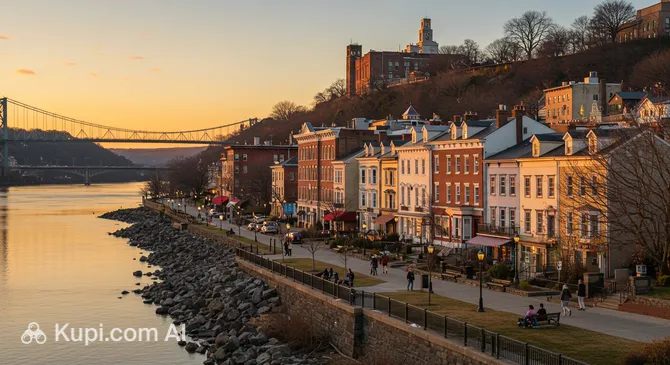
Newburgh is an atmospheric and historically significant city in New York State, picturesquely situated on the west bank of the majestic Hudson River. Located just a hundred kilometers north of the New York City metropolis, this city of about 32,000 people offers travelers a unique opportunity to immerse themselves in the authentic life of the USA. Here, the urban environment and the scenic natural landscapes of the Hudson Valley intertwine harmoniously.
Newburgh. Illustration.
Source: Kupi.com AI
The city is famous for its rich architectural heritage. Walking through its streets, you can see beautifully preserved 19th-century buildings that give the place a special charm. Newburgh's fascinating history is inextricably linked to the birth of American statehood: it was here that George Washington's headquarters were located during the final years of the Revolutionary War. This fact makes the city an important point on the map for all history buffs.
Among the key attractions, it is worth noting not only the historical monuments but also the magnificent Downing Park, designed by the famous architects Olmsted and Vaux. Tech enthusiasts will enjoy the Motorcyclepedia Museum with its impressive collection of motorcycles. It's best to end your walk on the lively waterfront, which offers stunning views of the river and mountains, while local restaurants serve excellent cuisine. Newburgh is definitely worth including in your travel itinerary.
Weather Overview
The city's climate is characterized by pronounced seasonality, allowing tourists to choose the ideal time for a trip depending on their preferences. To ensure your suitcase is packed correctly, we recommend finding out in advance what the weather in Newburgh will be for the dates of your visit.
The summer period here is truly warm and perfect for long walks. The hottest month is traditionally July, with an average temperature of about 23.7°C and daytime highs up to 28.4°C. However, be prepared for nature's whims: in summer, there are 12 to 14 days of precipitation per month. Expect a warm summer with occasional rain and cold winters when temperatures often drop below zero.
In winter, the city cools down significantly. In January, average figures are around -1.0°C, and nighttime temperatures can drop to -4.7°C. Spring arrives gradually: while it's still quite fresh in March (about 4.2°C), by May the air warms up to a comfortable 15.7°C, reaching 21.0°C during the day. Autumn also pleases with a mild climate, especially in September, when the average temperature stays at a pleasant 18.7°C.
Average monthly temperature
Average monthly precipitation
Interesting Facts
Beyond its main attractions, Newburgh holds many fascinating secrets and historical firsts that can surprise even seasoned travelers. A city that played a key role in the formation of the country, it is full of unexpected discoveries.
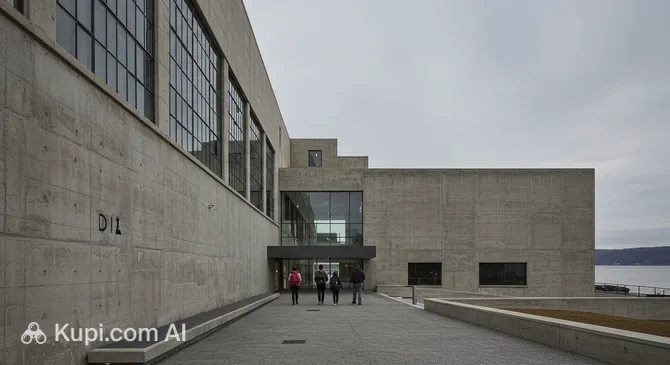
Dia Beacon. Illustration.
Source: Kupi.com AI
Traveler photos:
Birthplace of the "Purple Heart." It was in Newburgh, while at his headquarters, that George Washington established the "Badge of Military Merit." This award became the prototype for the famous Purple Heart medal, which is awarded to American service members to this day.
A Pioneer of Electrification. Newburgh became one of the first cities in the world to have centralized electric lighting. Thomas Edison himself personally supervised the construction of one of his first power plants here in the early 1880s, making the city a technological marvel of its time.
A Station's Second Life. The building of the former Newburgh railway station was designed by the same architectural firm that created the famous Grand Central Terminal in New York City. Today, this historic complex has turned into a gastronomic hub, home to the popular Hudson Taco restaurant, which offers excellent cuisine with panoramic views of the Hudson.
An Art Cluster Next Door. The city is an ideal base for art lovers: just a few minutes away on the opposite bank of the river is the world-renowned contemporary art museum Dia Beacon. Proximity to such a significant site makes Newburgh an important point on the cultural map of the region.
How to Get There
When planning a trip to this historic city on the banks of the Hudson, it is important to think through the logistics in advance. Its convenient location near major metropolises makes the trip quite comfortable, despite the fact that the main transport hubs are located in neighboring towns. You can find out more about how to get to Newburgh by exploring all available route options.
For those who prefer air travel, a convenient option is Westchester County Airport (HPN), located in Westchester, about 54.7 km from Newburgh. This is the nearest civil airport on the list that accepts regular flights. The journey from there by taxi or rental car will take about 1 hour and 40 minutes.
For international flights or a larger choice of routes, LaGuardia Airport (LGA), located in New York City, is an excellent fit. The distance to Newburgh is about 81.6 km. This is a major transport hub with a huge passenger flow, from where you can reach your destination in about 2 hours and 20 minutes by car.
Railway communication is also a popular way to reach the region. You can arrive at Stamford Train Station, which is located about 64.1 km from Newburgh. From there, you can reach the final destination by taxi or bus in approximately 2 hours.
Another popular option is the legendary Penn Station in New York City, located 83.5 km from the destination. This is one of the busiest stations in the world, offering many connections. The journey from there to Newburgh by road will take about 2 hours and 25 minutes.
A list of the nearest railway stations for trip planning:
Newburgh and its surroundings offer tourists a rich cultural and gastronomic program. The city successfully combines historical heritage with modern art spaces and picturesque riverside recreation areas. Every traveler will find something to their liking here, whether it's art, nature, or delicious food.
One of the main points of interest for art lovers is the Dia Beacon museum. Housed in a former factory building, this museum is home to an impressive collection of contemporary art spanning from the 1960s to the present day. The spacious halls with natural light are ideal for large-scale installations and sculptures. Although the museum is located on the opposite bank of the Hudson, it is considered an integral part of the cultural itinerary for visitors to Newburgh.
For those who prefer outdoor recreation, Long Dock Park is the perfect spot. This scenic space at the water's edge offers excellent opportunities for walking, kayaking, and picnics. The pier offers breathtaking views of the Hudson River and the surrounding hills, making the park a popular spot for photo shoots and quiet contemplation of nature, especially at sunset.
Long Dock Park. Illustration.
Source: Kupi.com AI
Traveler photos:
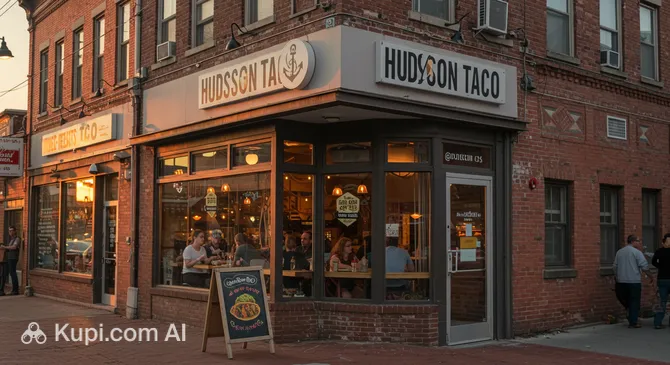
The city's gastronomic scene also deserves close attention. A popular restaurant, Hudson Taco, is located in the historic railway station building. Tourists come here not only for the excellent Mexican cuisine but also for the unique atmosphere that combines the industrial chic of the last century with modern comfort. The establishment's panoramic windows allow you to enjoy the river view right during dinner.
Lovers of a more casual atmosphere and classic American flavors should check out Meyer's Olde Dutch. This establishment is famous for its burgers and excellent selection of drinks, serving as a bright example of the local hospitality culture. It's a great place to relax after a long walk around the city and feel the true rhythm of local life.
Local Cuisine
Newburgh's gastronomic scene is a vivid reflection of the culinary traditions of the entire Hudson Valley, often called "New York's vegetable garden." Thanks to its proximity to numerous farms, local establishments rely on fresh seasonal products. Travelers should definitely try dishes that use local cheeses, farm vegetables, and the famous New York apples, which are often found not only in desserts but also in main courses or sauces.
The city offers an interesting combination of classic American food and bold gastronomic experiments. One of the most popular directions has been the modern interpretation of Mexican cuisine. A prime example of this trend is the Hudson Taco restaurant, located in the historic station building. Here, tourists are invited to try unusual tacos with fillings made from regional ingredients while enjoying panoramic views of the river.
Hudson Taco. Illustration.
Source: Kupi.com AI
Traveler photos:
For those looking for authentic American comfort food, Meyer's Olde Dutch is an excellent choice. This establishment is famous for its burgers and sandwiches, prepared with special attention to the quality of the meat and buns. The menu here often references the region's historical roots, offering simple but very tasty food in the friendly atmosphere of the old city.
Speaking of drinks, one cannot fail to mention local cider. The region around Newburgh is rich in apple orchards, so apple cider—both hard (alcoholic) and fresh-pressed—is considered a signature drink here, especially during the autumn season. The craft brewing culture is also highly developed: bars and restaurants will offer you a wide range of ales and lagers brewed at small New York State breweries.
Dining culture in the city is concentrated mainly around the Hudson Waterfront and Liberty Street. During the warm season, locals and tourists prefer to take tables on open terraces by the water to combine dinner with watching the sunset. The atmosphere here is casual and relaxed: there is no strict dress code, and the emphasis is on quality food and lively conversation.
Travel Tips
Preparing for a trip to Newburgh will help you avoid minor inconveniences and focus on the beauty of the Hudson Valley. We have compiled a list of practical recommendations to make your stay in this historic city comfortable, safe, and fulfilling.
Clothing and Essentials. The weather by the river can be windy and changeable, so the best strategy is to dress in layers. Even in summer, bring a light jacket for evening walks on the waterfront. Be sure to bring comfortable flat shoes: Newburgh is located on steep hills, and you will be walking up and down streets quite a bit to see the best views.
Transport. Public transport within the city is limited, so for freedom of movement, renting a car or using taxi apps (Uber, Lyft) is highly recommended. If you want to visit the neighboring city of Beacon on the other side, use the ferry—it's the fastest and most scenic way to cross the river without bridge traffic.
Finances. The official currency is the US dollar. Most restaurants, museums, and shops accept bank cards, but having a small amount of cash (1, 5, and 10 dollar bills) is useful for tipping or small purchases at farmers markets. Tipping in restaurants is a mandatory part of the culture: it is customary to leave 18–20% of the bill amount.
Health and Safety. As in many old cities in the region, there are areas with different safety levels. Tourists are recommended to stick to the lively Waterfront and the historic district around Liberty Street, especially after dark. Avoid walking through unlit residential blocks away from tourist paths. Major chain pharmacies (CVS, Walgreens) are easy to find, but they are not always open 24/7.
Communication. The primary language is English, but due to the city's demographics, you will often hear Spanish, and many signs may be bilingual. Free Wi-Fi is available in almost all cafes and restaurants. For constant connectivity, it's most convenient to buy a prepaid SIM card at any large supermarket or mobile store.
Local Etiquette. Hudson Valley residents value politeness and personal space. It is customary to greet staff when entering small shops and to hold the door for those following you. Maintain distance in queues. If you are photographing beautiful buildings, try not to block the sidewalk for pedestrians.
What to Avoid. Do not leave valuables (bags, electronics, purchases) in plain sight in a parked car—it's better to put everything in the trunk. Also, avoid violating parking rules: they are strictly enforced in Newburgh, and a ticket can be an unpleasant surprise.
Local Tip. Don't limit your visit to just the riverside restaurants. Be sure to head up the hill to Broadway and Liberty Street. That's where local small businesses are currently thriving: atmospheric coffee shops, vintage stores, and bakeries where you can feel the true spirit of the city's revival.
By following these simple tips, you can easily blend into the rhythm of Newburgh life and get the most out of its architecture and gastronomy. We wish you a pleasant and carefree journey!
Entertainment & Nightlife
Entertainment and nightlife in Newburgh have their own unique character. You won't find huge, noisy nightclubs with lasers and dance floors open until dawn like in major metropolises. Instead, the city offers a cozy, intimate atmosphere of gastropubs, historic bars, and stylish lounges where the focus is on craft drinks, live music, and conversation. Evening life is concentrated in two main locations: on the scenic Waterfront and in the historic district around Liberty Street.
The Waterfront is the heart of the evening promenade. Establishments here stay open late, offering not only excellent cocktails but also mesmerizing views of the illuminated Newburgh-Beacon Bridge. One of the centers of attraction is Hudson Taco. In the evening, this place transforms from a restaurant into a lively bar where a stylish crowd gathers to enjoy signature margaritas and trendy music in an industrial-chic setting. The dress code here is casual, but a smart-casual style would be most appropriate.
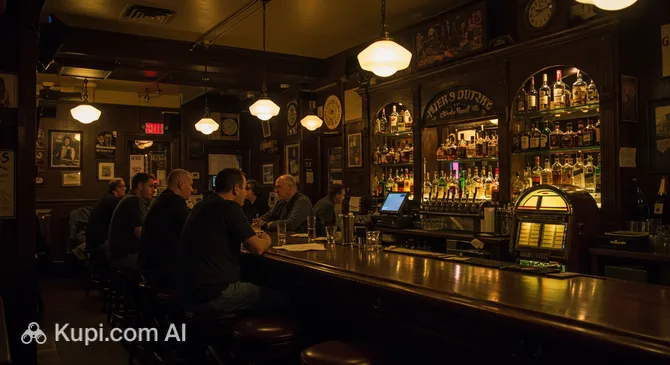
If you prefer a more informal and authentic setting, it's worth heading up into the city to Liberty Street. This area is currently experiencing a real renaissance and is filled with the spirit of old Newburgh. A great example is Meyer's Olde Dutch. This is the perfect place to start the evening: it has the friendly atmosphere of a neighborhood pub where you can try local beer and chat with residents. Prices in the city's establishments are quite moderate: a cocktail costs an average of 12–15 dollars, and a glass of beer is around 7–9 dollars.
Meyer's Olde Dutch. Illustration.
Source: Kupi.com AI
Traveler photos:
An important aspect of Newburgh's nightlife is safety and logistics. While the tourist zones (Waterfront and Liberty Street) are considered safe for recreation, walking between them after dark is not recommended due to the challenging terrain and unlit areas. The best way to get around at night is by taxi or services like Uber and Lyft. It is better to call a car directly to the exit of the establishment. If you arrived in your own car, try to park in well-lit official parking lots.
During the day, the city offers more relaxed forms of leisure. The cultural life of the region is unthinkable without a visit to the Dia Beacon contemporary art museum, which is located nearby and sets the tone for the entire creative community. For shopping enthusiasts, the Mid Valley Mall offers both well-known brands and local goods. And if you just want to take a break from the city bustle before a busy evening, a stroll through the grounds of Long Dock Park is an excellent choice for a reset.
Parks & Museums
The cultural landscape of Newburgh and its surroundings is surprisingly diverse: from quiet green oases designed by great architects to world-class museums. The city carefully preserves its historical heritage, harmoniously integrating it into the picturesque landscapes of the Hudson River Valley, making walks here both educational and inspiring.
Among the green zones, Downing Park is considered a real gem. It was the final joint project of the famous landscape architects Frederick Law Olmsted and Calvert Vaux, the creators of Central Park in New York City. The park is located on a hill offering a panoramic view of the river. Here you can walk around Polly's Pond, relax in the shade of ancient trees, or visit seasonal farmers markets. It is the perfect place to feel the calm rhythm of city life.
For lovers of waterside recreation, Long Dock Park is a must-see. Located on a river peninsula, it is a wonderful example of the revitalization of an industrial zone into an ecological space. Tourists come here for the scenic trails winding through wetlands and the opportunity to rent a kayak for a trip on the Hudson. The park is especially beautiful at sunset, when the sun dips behind the mountain ranges on the horizon.
The city's museum map is no less impressive. The main historical landmark is Washington's Headquarters State Historic Site. It was here that George Washington spent more time than at any other headquarters during the Revolutionary War. Visitors can tour the old stone house where fateful decisions were made and climb the Tower of Victory. This place literally breathes the history of the birth of American statehood.
Contemporary art connoisseurs should visit the Dia Beacon museum, located in close proximity. This massive art space in a former printing plant is world-renowned for its collection of works by minimalist and conceptualist artists of the 1960s and 70s. The huge halls with natural light allow you to perceive art in a completely new way, making a visit here a memorable event.
Those interested in technology will be fascinated by the Motorcyclepedia Museum. Its halls house more than 600 motorcycles, from rare vintage models of the early 20th century to customized bikes and police escorts. This is not just a display of machinery, but a real cross-section of American culture through the prism of "iron horses."
For those looking for corners hidden from most tourists, we suggest paying attention to the small gardens at the historic mansions on Grand Street. They are often open to the public during city festivals, offering a unique opportunity to see "secret" Newburgh and enjoy the silence surrounded by Victorian architecture.
Getting Around
Newburgh's transport system differs significantly from metropolises like New York City: there is no subway or tram lines here. The city is quite compact, and its infrastructure is primarily oriented toward motorists. Nevertheless, for tourists without a car, there are accessible ways to get around that allow you to reach major attractions and neighboring towns.
The main form of public transport within the city is buses operated by Newburgh Area Transit. The route network covers main streets, shopping centers, and residential areas. Buses run on a schedule, but intervals can be quite long, especially on weekends and in the evening. This is a budget-friendly way to get around, but it requires advance route planning.
The ferry service (Newburgh-Beacon Ferry) deserves special attention, connecting the Newburgh Waterfront with the train station in Beacon on the opposite bank of the Hudson. This is not only a convenient transfer to Metro-North trains going to New York City but also a scenic mini-trip on the river. Ferries run primarily during peak hours, aligning with train schedules, so it is important to check the current schedule on the NY Waterway website in advance.
The fare payment system on local buses is quite traditional. Most often, payment is required in cash to the driver upon entry. It is important to have small bills and coins with you, as change is usually not given (you must drop the exact amount into the coin box). The cost of traveling around the city is affordable. Ferry tickets can be purchased at vending machines at the pier or through mobile apps, and there are combined tickets that include the train fare.
Given the city's terrain (Newburgh is situated on steep hills) and the specifics of bus operation, taxis and ridesharing services (Uber, Lyft) remain the most comfortable alternative for tourists. Cars are available almost around the clock and make it easy to reach remote restaurants or museums. Car rentals are also popular in the region, providing complete freedom of movement through the picturesque Hudson Valley.
For short trips around the historic center and the waterfront, walking is quite feasible, though you should be prepared for physical exertion when climbing from the river to Broadway. Cycling infrastructure is only partially developed, so bike rentals are more relevant for rides in park areas than as a primary means of transport around the city.
Accommodation
Accommodation in Newburgh offers travelers a balanced choice of housing, ranging from familiar hotel chains to unique historic guest houses. Since the city serves as a convenient starting point for exploring the Hudson Valley, options can be found for any budget: from inexpensive motels for transit travelers to stylish apartments in restored 19th-century brick buildings.
The choice of neighborhood largely depends on the style of your trip. If convenient logistics and spacious parking are priorities, it is worth looking at the western part of the city, near the intersection of major highways and Route 17K. Main mid-range hotels are concentrated here. For those seeking atmosphere and history, the blocks near the historic center and the river are the best choice. In this part of the city, rooms in old mansions (Bed & Breakfast format) and apartments with Hudson views are often available, allowing you to feel the authentic spirit of the region.
When planning a trip, it is important to consider seasonality. Newburgh and its surroundings are extremely popular in the summer and especially in the fall, when the valley is painted in vibrant foliage colors. During this period, demand for housing increases sharply, so it is recommended to book rooms in advance, at least 2–3 months before your visit. In winter and early spring, finding vacancies is much easier, and prices become more affordable.
The price range varies from budget (in simple motels on the outskirts) to above average (in boutique apartments and historic hotels). For searching and booking, it is most convenient to use large international online aggregators where traveler reviews are available. However, if you have chosen a small private guest house, it makes sense to check their own website—sometimes owners offer pleasant bonuses or discounts for direct booking.
Nearby Cities
For those who want to explore the surrounding area, Newburgh serves as an excellent starting point for day trips to several interesting nearby places.
One of the most popular destinations is Poughkeepsie, located upstream on the Hudson. This city is famous for the unique Walkway Over the Hudson State Historic Park—the world's longest pedestrian bridge over water, offering breathtaking panoramas of the valley. In addition, historical architecture, proximity to the prestigious Vassar College, and a diverse gastronomic scene with excellent restaurants and cafes attract tourists here.
Lovers of a more peaceful holiday and rural charm should pay attention to Wallkill and Chester. These small towns are surrounded by picturesque natural landscapes and farmland. The region is famous for its wineries, which are part of the Hudson Valley wine trails, as well as its proximity to artisan villages where local craftsmen create unique handmade products. This is an excellent choice for those who want to take a break from the city bustle and enjoy nature.
These nearby destinations provide insight into the diverse culture and landscapes of the region, making your trip through New York State even more fulfilling and memorable.
Shopping & Souvenirs
Shopping in Newburgh is a fascinating mix of practicality and the search for unique vintage treasures. The city does not claim to be a high-fashion capital, but you can find interesting local brands, antique shops, and stores with handmade goods here. Proximity to the Hudson Valley's farms also leaves its mark: natural products and artisan crafts are highly valued here.
The main attraction for lovers of atmospheric shopping is the historic center, especially the Liberty Street area. This street is undergoing a real revival and attracts tourists with its small boutiques, vintage clothing stores, and local designer shops. It is pleasant to stroll here, peering into windows in search of rare books, interior items, or artisan jewelry. For larger and more utilitarian purchases, head to the commercial zones along Route 300, where major chain supermarkets and electronics stores are concentrated.
Among the large shopping venues, the Mid Valley Mall stands out. It is a classic American shopping complex where clothing, home goods, and everyday necessity stores are gathered under one roof. It is convenient for family shopping, as there are plenty of parking spaces and food outlets on the premises. The complex is geared toward comfortable and quiet shopping without the unnecessary bustle of metropolises.
Mid Valley Shopping Center. Illustration.
Source: Kupi.com AI
Traveler photos:
Markets are an important part of city culture. In season (usually from summer to autumn), the Newburgh Farmers Market operates in the city. It is the perfect place to buy fresh vegetables, fruits, homemade baked goods, and flowers grown in the surrounding area. The market often becomes a meeting place for residents, where you can not only stock up on food but also chat with farmers and learn the secrets of local recipes.
As souvenirs from Newburgh, tourists most often bring home products from local artisans and farmers. The Hudson Valley is famous for its apple orchards, so a bottle of local craft cider or a jar of farm jam makes a great gift. Vintage items and antiques found in the shops of the old city—from old postcards to unique tableware that holds the region's history—are also popular.
Shops in the city usually operate from 10:00 to 21:00 (large shopping centers), while small private boutiques on Liberty Street may close earlier, around 18:00 or 19:00, and have reduced hours on Sunday. Bank cards (Visa, MasterCard, American Express) are the main method of payment and are accepted almost everywhere. Cash may only be useful for small purchases at markets or for tips.
Tourists should remember that in the USA, the Tax Free system (VAT refund) works differently than in Europe, and in most states, including New York, it is not available for foreign travelers. Prices on tags are listed without sales tax, which will be added to the total at the checkout. Be prepared for the final cost of your purchase to be slightly higher than stated.