Support

The Dalles

About

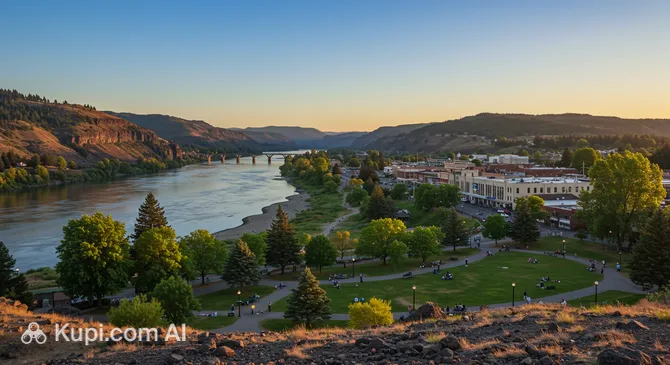
The Dalles is a charming city in northwestern Oregon, nestled on the scenic banks of the Columbia River. It is a place where the rugged beauty of the Cascade Mountains meets the fertile lands of the valley, creating unique landscapes. Located in the USA, the city is often called the "Gateway to the Columbia River Gorge"—one of the region's most impressive natural wonders. With a population of about 16,000, The Dalles retains the genuine charm of a small town while remaining a vital commercial and transportation hub for Eastern Oregon.

The Dalles. Illustration.
Source: Kupi.com AI

The city's past gives it a special character. The fascinating history of The Dalles is rooted in the era of the Wild West: it was here that the caravans of the legendary Oregon Trail passed through. Today, the city harmoniously combines historic architecture with a relaxed pace of life, offering travelers a chance to immerse themselves in the authentic atmosphere of the American heartland, where every resident is friendly and welcoming.

Outdoor enthusiasts and nature lovers will find plenty of opportunities here, from breathtaking hiking trails to strolls through picturesque vineyards. The Dalles is famous for its clean air and stunning views of the river and hills. Guests can visit local museums, explore historic buildings, or simply enjoy the tranquility away from the hustle and bustle of major metropolises. It is an ideal destination for those who want to discover the real America and become part of a warm local community.

Weather Overview

The climate in this region features distinct seasonality, offering tourists different conditions for relaxation depending on the time of year. To choose the best dates for your visit and pack the right wardrobe, we recommend checking what the expected weather in The Dalles will be for your planned travel dates.

Summer here is truly warm and sunny. The hottest months are July and August, when the average temperature stays around 22°C, and daytime temperatures often rise to 30°C and above. This is an ideal time for active tourism, as rain is virtually absent: at the height of summer, only about one day with precipitation per month is recorded.

Winter brings coolness and humidity. In December and January, average thermometer readings drop to 2–2.5°C, and light frosts down to -1°C are possible at night. During this period, the weather becomes overcast, and the number of days with precipitation can reach 18–19 per month, so warm, waterproof clothing will be absolutely necessary.

Expect a hot, dry summer favorable for walking, and a cool, rather wet winter with frequent precipitation.

Average monthly temperature

Average monthly precipitation

Interesting Facts

Beyond its main attractions, The Dalles holds many fascinating secrets and historical details. Here are a few facts that reveal the character of this city from an unexpected side:

  • French Roots of the Name. The city's name comes from the French phrase "les dalles," which translates to "slabs" or "stepping stones." This is what early explorers called the turbulent, rocky rapids on the Columbia River that made this stretch of the journey particularly difficult to navigate by boat or raft.

  • A Key Point on the Oregon Trail. The Dalles was a vital stopping point for settlers moving West. The overland wagon route ended here, and travelers had to reload their belongings onto boats to brave the dangerous river waters. This dramatic stage of land settlement is covered in detail in local museum exhibits.

  • 19th-Century Atmosphere. The city center has perfectly preserved its historical architecture from the century before last. Antique buildings, which today house antique shops and art galleries, create a genuine spirit of Old America and attract history buffs.

  • Winemaking Traditions. Despite the rugged landscape, the city's surroundings are famous for their vineyards. Autumn harvest festivals and tastings hold a special place in the region's life, confirming The Dalles' status as an interesting destination for wine tourism.

How to Get There

When planning a trip to this picturesque corner of Oregon, it is worth thinking about logistics in advance. The city is conveniently located near the region's main transport arteries. You can find more details on how to get to The Dalles to choose the best route, whether by air or ground transport.

The city itself does not have a large passenger airport, so travelers usually fly into neighboring cities and rent a car or book a transfer from there.

The most popular option is Portland International Airport (PDX). This is a major aviation hub serving the entire region and offering a huge selection of flights. It is located about 110 km from the city. Thanks to a convenient highway, the drive takes about 1.5 hours.

An alternative is Yakima Air Terminal (YKM). The distance to the center of The Dalles is about 118 km. This is a regional airport with fewer flights. The trip from here takes approximately 1 hour and 30 minutes.

You can also consider Roberts Field Redmond Airport (RDM), located 150 km from your destination. The journey by taxi or shuttle will take about 2.5 hours.

For clarity, here is a summary of the main airports:

AirportPassenger trafficDistance
Portland International Airport17.5 mln110 km
Yakima Air Terminal72 766118 km
Roberts Field Redmond Municipal Airport1.3 mln150 km
McNary Field30 000162 km
Tri-Cities Airport949 110176 km

In addition to air travel, you can reach the city by car. The important I-84 freeway passes through The Dalles, running along the Columbia River and connecting the city to Portland to the west. Traveling by car will give you unforgettable views of the gorge.

Main Attractions

The city offers tourists a rich cultural program where pioneer heritage, industrial power, and natural wonders are closely intertwined. Here is a list of the main places that will help you get to know this unique corner of Oregon better.

Columbia Gorge Discovery Center & Museum. This is perhaps the main starting point for getting to know the region. The interactive museum tells the geological history of the famous gorge in an engaging way, including the effects of ancient glacial floods. Tourists are drawn not only to the rich exhibits dedicated to Native American culture and the lives of early settlers but also to the scenic grounds, which often feature demonstrations with birds of prey.

Fort Dalles Museum. Located in the historic Surgeon's Quarters building, built back in 1856, this museum is considered one of the oldest in the state. Within its walls is a unique collection of artifacts from the era of the Wild West, antique tools, and rare photographs. On-site, you can also see a collection of historic wagons and vehicles. This is a must-visit for those who want to feel the authentic spirit of the frontier era.

The Dalles Dam. An impressive engineering feat on the Columbia River, demonstrating the power of human ingenuity. At the visitor center, guests can learn about the principles of hydroelectric power generation, but the most exciting sight is watching the salmon migration. Through large underwater windows, you can see the fish fighting the current using special "fish ladders."

Sorosis Park. If you are looking for the best spot for panoramic photos, you should head up here. The park is situated on a high hill, offering breathtaking views of the entire city, the bends of the Columbia River, and Mount Adams on a clear day. It is an ideal place for a quiet break, a picnic in the shade of pine trees, and a walk through the well-kept rose garden, which is especially beautiful during the blooming season.

Sunshine Mill Winery. The Dalles is also known for its winemaking traditions, and this spot deserves special attention for its architecture. The winery is located in a carefully restored old flour mill building. Inside, the original mechanisms and drives from the early 20th century have been preserved, creating a unique industrial loft atmosphere. Here, you can not only taste local wines but also touch the industrial history of the city.

Local Cuisine

The culinary scene in The Dalles is a vibrant reflection of Oregon's generous nature. There is a local devotion to fresh, seasonal products, and proximity to the Columbia River dictates the main rule of the local menu: the fish must be of impeccable quality. The city's signature dish is grilled salmon, often served with a side of vegetables grown on nearby farms. Local trout dishes are also worth a try, and smoked fish sandwiches are perfect for a quick but memorable snack.

For those who love sweets and natural flavors, the city offers a real treat. The surrounding lands are rich in berries, so during the season, cafe menus abound with desserts featuring fresh blueberries and blackberries. Homemade berry pies, thick jams, and warm pastries are reasons enough to stop by local family bakeries. At farmers' markets, travelers can also find craft cheeses, aromatic honey, and nuts, which make excellent gourmet souvenirs.

The drink culture in The Dalles deserves special attention. The region is famous for its vineyards, so it is customary to accompany dinner with a glass of Columbia Valley wine while visiting tastings or food and wine festivals. In the morning, locals traditionally start their day in cozy coffee shops with a cup of aromatic coffee.

The atmosphere in the city's establishments is democratic and relaxed. There is no unnecessary pretension: restaurants where chefs experiment with local products are just as popular as street food trucks serving tacos and juicy burgers. In The Dalles, simple but honest cuisine is valued, where the taste of each ingredient is allowed to shine.

Travel Tips

A trip to The Dalles promises to be rich thanks to the unique nature and deep history of Oregon. To ensure your trip is as comfortable as possible and without organizational hiccups, we have prepared a list of practical recommendations to help you plan the perfect vacation in this scenic spot.

  1. Clothing and Gear. Your choice of wardrobe depends directly on the season. Summer in The Dalles is hot and dry, so bring light clothing made of natural fabrics, sunglasses, and a hat. In winter and autumn, the weather is often rainy and windy—a waterproof jacket with a hood and a warm fleece sweater are essential. Since the city is great for hiking, comfortable trekking shoes will come in handy any time of year.
  2. Transport. The Dalles is a small city, and public transport is not as extensive as in major metropolises. The best option for a tourist is renting a car. This will give you the freedom to move through the scenic Columbia River Gorge and reach remote viewpoints. Rideshare services (Uber, Lyft) are available, but wait times may be longer than usual.
  3. Finance and Payment. The official currency is the US dollar (USD). Bank cards (Visa, Mastercard) are accepted everywhere: in hotels, museums, and restaurants. However, it is recommended to have some cash (bills of $1, $5, $10) for payments at small farmers' markets or for tipping. Tipping culture is very important here: it is customary to leave 15–20% of the check amount in cafes and restaurants.
  4. Health and Safety. The city is considered quiet and safe for tourists, but basic precautions (locking your car, not leaving valuables in sight) should be followed. Pharmacies can be found in major chain stores (such as Fred Meyer or Safeway), but note that there may not be 24-hour pharmacies nearby. The emergency services number (police, ambulance, fire) is 911.
  5. Communication and Internet. The primary language is English. Locals speak clearly, but knowing basic phrases is a plus. Free Wi-Fi is available in most cafes and hotels. If you need constant internet, it's better to purchase a local operator's SIM card in a larger city or at electronics supermarkets. Note that in deep canyons and on mountain trails, mobile service may drop out.
  6. Local Etiquette. Oregonians are famous for their friendliness and casual nature. It is customary to greet staff in shops, bus drivers, and even people you pass on hiking trails. A simple smile and a polite "Hello" will help you connect. In lines and public places, it is important to respect personal space—don't stand too close to strangers.
  7. What to Avoid. Be extremely careful near the water. The Columbia River is beautiful but treacherous: strong currents and low water temperatures make swimming in unmonitored areas dangerous. Also, strictly avoid entering private property (marked with "Private Property" or "No Trespassing" signs)—property rights are highly respected here, and trespassing can lead to serious conflict.
  8. Seasonal Tip. If you find yourself in The Dalles in early summer (June-July), don't miss the chance to visit local fruit stands. The region is famous for its cherries. Buying fresh berries directly from farmers is not only a culinary pleasure but also a great way to support local producers and experience the true taste of an Oregon summer.

We hope these tips help you feel confident and at ease in The Dalles. By following simple rules, you can focus on the main thing—enjoying the majestic landscapes and the hospitable atmosphere of the American West!

Entertainment & Nightlife

Nightlife in The Dalles differs from that of bustling metropolises: you won't find neon signs for massive nightclubs open until dawn here. Instead, the city offers a cozy, intimate atmosphere where evening entertainment centers around craft brewing, historic saloons, and wine tasting. The main activity after sunset happens in the historic Downtown area, especially along 2nd Street, where old brick buildings provide a unique backdrop for evening strolls.

The crowd in local establishments is quite diverse but invariably friendly, ranging from local farmers and winemakers to tourists traveling through Oregon. The dress code is as casual as it gets—everyday wear or even athletic clothes are appropriate almost everywhere. An evening in The Dalles is typically spent in slow conversation, enjoying live music (which often plays in pubs on weekends) or sampling local drinks.

Among the specific places worth visiting, Clock Tower Ales stands out. This establishment is located in a historic courthouse building and is famous for its massive selection of beer, with over 30 taps featuring various styles. The "old town" atmosphere is particularly palpable here. Another legendary spot is The Baldwin Saloon. Stepping through the door is like entering the 19th century: high ceilings, massive wood accents, and oil paintings create an elegant setting. It is an ideal place for dinner with a cocktail, though it is worth noting that the kitchen closes quite early.

For those looking for something unusual, an evening at Sunshine Mill is a great option. It is not just a place for tasting excellent wines but also a cultural hub: it features a unique outdoor Drive-In cinema where you can watch classic films right from your car or while sitting at a table with a glass of wine. This entertainment is very popular with both locals and visitors.

When planning your evening, keep in mind that The Dalles goes to bed early. Most kitchens in restaurants and bars stop serving around 9:00 PM – 10:00 PM, and even on weekends, bars are rarely open past midnight. Central areas are considered safe for nighttime walks, and the streets are well-lit. However, transportation can be tricky: taxi and rideshare services (Uber, Lyft) operate with long wait times at night, so it is better to arrange your return to the hotel in advance or stay within walking distance if you are living downtown.

If you are looking for things to do before the evening sets in, the city offers relaxed cultural leisure. During the day, you can visit local museums about the pioneers, walk along the Columbia River waterfront, or go for a tasting at one of the many surrounding wineries to transition smoothly into your evening program.

Parks & Museums

The Dalles harmoniously combines the natural beauty of the Columbia River Gorge and a rich cultural heritage, offering tourists not only scenic landscapes but also a deep dive into the region's history. Green zones here serve as a natural extension of city streets, and museum collections surprise with their variety—from classical art to unique industrial artifacts.

Riverfront Park. This is the heart of the city's active life, located along the majestic Columbia River. The park is perfect for those who want to enjoy the fresh river breeze: it features a scenic paved path that is part of the famous Riverfront Trail. Tourists come here for morning jogs, bike rides, or to leisurely watch the barges and windsurfers on the water. Convenient picnic spots and direct access to the water make it a favorite for families.

Sorosis Park. Situated on an elevation, this park is famous not only for its panoramic views but also for its magnificent rose garden. It is a green oasis of tranquility where century-old pines provide pleasant shade even on the hottest summer days. Visitors appreciate this spot for its well-kept paths and the opportunity to relax in silence while admiring views of the city and the opposite bank of the river.

The city's cultural life is represented by several vibrant venues that reveal the creative potential and history of this corner of the USA.

National Neon Sign Museum. One of the city's most unusual and memorable attractions. Located in the historic Elks building, the museum houses a vast collection of vintage neon signs reflecting the history of advertising and design from the mid-20th century. This place will be interesting not only to fans of retro aesthetics but to anyone who wants to learn about the technology behind America's "glowing history." The bright exhibits create an incredible atmosphere for photos.

The Dalles Art Center. The gallery is housed in the former Carnegie Library building, which is itself an architectural landmark from the early 20th century. It regularly hosts exhibitions of local artists and craftsmen, showcasing the talents of the Oregon region. For tourists, this is a great opportunity to get acquainted with the contemporary art of the Northwest and purchase unique handmade souvenirs at the center's shop.

Beyond the museums, the city streets themselves are a historical gallery. Many Victorian-era and early 20th-century buildings have been preserved in Downtown The Dalles, creating an authentic backdrop for walks. Special attention should be paid to the old brick facades on 2nd Street.

Insider Tip: While walking through the city center, be sure to look at the walls of the buildings. The Dalles is famous for its historical murals. These large-scale wall paintings tell stories from the lives of pioneers, indigenous peoples, and farmers. It is a sort of open-air museum that is completely free and accessible 24/7.

Getting Around

The public transport system in The Dalles matches the size and pace of life of this small city. There is no subway or tram here, and the main way for residents to get around remains the personal car. Nevertheless, convenient bus routes are provided for tourists without a car, allowing them to reach key shopping areas, medical facilities, and some attractions.

The main operator of intra-city transport is The Link Public Transit. Buses in this network run on fixed routes (usually designated by colors, such as Blue and Red), covering the city center and main residential areas. A feature of the local system is the "deviated fixed route": the bus can deviate slightly from its path to pick up or drop off a passenger by prior request, making the service more flexible.

For regional travel and trips to neighboring towns (such as Hood River or Portland), the Columbia Gorge Express is indispensable. This is a comfortable and popular transport option for tourists, connecting settlements along the scenic gorge. It is ideal for those who want to see the natural beauty without renting a car.

The fare payment system here is simple but has its nuances. On The Link city buses, payment is usually made in cash upon boarding. Important: drivers do not give change, so tourists need to have the exact amount (small bills and coins). The fare is very affordable. For regional Columbia Gorge Express buses, it is most convenient to use the digital Gorge Pass, which can be purchased online and stored on a smartphone. This eliminates the need for cash and allows unlimited use of the network's routes for a specific period.

Transport schedules are a vital point for planning. City buses run primarily on weekdays from early morning until evening (roughly 7:00 AM to 6:00 PM or 7:00 PM). On weekends, the schedule may be significantly reduced or service may be absent entirely, so always check the latest information on the carrier's official website before your trip.

As an alternative to public transport, popular rideshare apps like Uber and Lyft operate in The Dalles. However, keep in mind that the number of drivers in the city is limited. Wait times for a car can be 15–20 minutes, and it can be difficult to find an available vehicle late at night. Local taxi companies are also available, and it is better to save their phone numbers in advance.

For those with an active lifestyle, cycling is a great option. The city has a scenic waterfront with bike paths, and the terrain in the central part is relatively flat. If you plan to travel a lot around the surrounding areas and wineries, renting a car remains the most comfortable solution, as many interesting locations are outside public transport routes.

Accommodation

The choice of accommodation in The Dalles perfectly matches the character of this cozy city: comfort, functionality, and hospitality prevail here, without excessive luxury. Travelers have a wide range of options—from affordable classic American motels to reliable mid-range chain hotels and atmospheric inns in historic buildings. Apartments and short-term rental offers are also gaining popularity, especially for family vacations.

In terms of location, there are two main areas convenient for tourists. Historic Downtown is the ideal choice for those who want to immerse themselves in the atmosphere of the past and walk to museums, wineries, and the waterfront. Here, you can find unique boutique hotels with vintage interiors. The second popular cluster is located along West 6th Street. This area is more geared toward road trippers: most motels and chain hotels with ample parking and quick access to the I-84 freeway are concentrated here.

Hotels located closer to the Columbia River are particularly popular, as they offer scenic views of the water and the dam. Although the city has no massive resort complexes, the level of service in local hotels is consistently high, and the staff is famous for their warmth.

Booking Tip: The Dalles is a major tourist hub during the summer and early autumn when hikers, fishermen, and wine tourists flock to the region. During this period, as well as during local festivals, rooms fill up very quickly. We strongly recommend booking your accommodation several weeks before your planned trip.

The pricing policy in the city is reasonable: most offers fall into the mid-price segment, although budget options for an overnight stay can also be found. You can book a room through major international aggregators or directly on hotel websites—the latter often allows you to find better special offers.

Nearby Cities

For those looking to explore the surroundings, The Dalles serves as an excellent starting point for day trips to several interesting nearby locations. Traveling through the region will allow you to see the landscape change from desert canyons to dense forests and urban sceneries.

One of the most notable destinations is Oregon City. This city holds immense historical significance as the official end of the famous Oregon Trail. Tourists come here to visit interactive museums about settler life and to admire the majestic Willamette Falls—the second-largest waterfall by volume in the USA after Niagara Falls. It is an ideal place to dive into the state's history.

It is also worth checking out Gresham, located closer to Portland. The city is famous for its parks, cozy historic center, and proximity to natural attractions. Here, you can stroll through a Japanese garden or visit local farmers' markets. A trip here provides an opportunity to enjoy a more vibrant urban atmosphere without losing touch with Oregon's nature.

CityPopulationDistance
Cascade Locks1 50056 km
Cascade Locks12 50957 km
Sandy River71 km
Antelope48 42185 km
Washougal16 66491 km

These nearby destinations provide a glimpse into the region's diverse culture and landscapes, making your vacation in The Dalles even more fulfilling.

Shopping & Souvenirs

General Overview

Shopping in The Dalles is a calm and pleasant activity, devoid of the hustle of giant metropolises. The city does not claim to be a high-fashion capital, so you won't find endless rows of luxury boutiques here. Instead, The Dalles offers a cozy atmosphere where the emphasis is on unique locally-made goods, antiques, and farm products. It is a great place to find authentic items with a history and support Oregon small businesses.

Main Shopping Areas and Streets

The heart of commerce in the city is Historic Downtown, specifically 2nd Street. A stroll here is aesthetically pleasing, as the shops are located in restored brick buildings from the early 20th century. This street is home to independent bookstores, art galleries, home goods stores, and cozy clothing boutiques. For those looking for more familiar chain stores and essentials, the area along West 6th Street is suitable, where large supermarkets and pharmacies are located.

Shopping Centers

Due to the city's size, there are no giant indoor malls typical of large cities in the USA. The main shopping complex is Cascade Square Shopping Center. This is an open-air strip mall where you can find popular affordable clothing brands, sporting goods, and household supplies. It is a convenient place for practical shopping, with a large parking lot and everything you need within walking distance.

Markets

During the harvest season (from June to October), the The Dalles Farmers Market becomes a real center of attraction, usually held in a city park on weekends. Here, local farmers offer the freshest vegetables, fruits, local honey, and flowers. It is the best place to chat with residents and try local delicacies. Small flea markets and garage sales are also popular in the city, where vintage lovers can find rare interior items and collectibles.

Souvenirs

From The Dalles, you should bring back what the Oregon land is rich in. First and foremost, products made from cherries, as the city is considered one of the "cherry capitals" of the region: dried berries, jams, or chocolate-covered cherries make excellent gifts. Also, look for local wine from the Columbia River Valley and smoked salmon. History buffs will enjoy antique trinkets from the downtown shops, while those who appreciate comfort will love wool products or handmade ceramics from local artisans.

Opening Hours and Payment

Most small shops downtown are open from 10:00 AM to 5:00 PM or 6:00 PM. Note that on Sundays, many private shops may be closed or operate on a reduced schedule. Large chain stores and supermarkets are usually open until 9:00 PM or 10:00 PM daily. Credit cards (Visa, Mastercard, American Express) and contactless payments (Apple Pay, Google Pay) are accepted everywhere. Cash may only be needed at the farmers market or for purchasing small souvenirs.

Tax Free

There is great news for tourists in Oregon: it is one of the few states where there is no Sales Tax at all. This means the price you see on the tag is the final price—no hidden surcharges at the register. You don't need to fill out Tax Free forms or look for refund points at the airport, as you save 5% to 10% from the start compared to shopping in other states. This makes buying electronics, clothing, and souvenirs in The Dalles especially profitable.
Reached the end of the page?

That means the route is fully explored