Support

Vincennes

About

Vincennes is a cozy and atmospheric city in southwest Indiana, nestled on the scenic banks of the Wabash River. Here, where time seems to slow down, travelers can enjoy the measured pace of life and the special charm of the American Midwest. This place is ideal for those who want to see the real, non-touristy America.

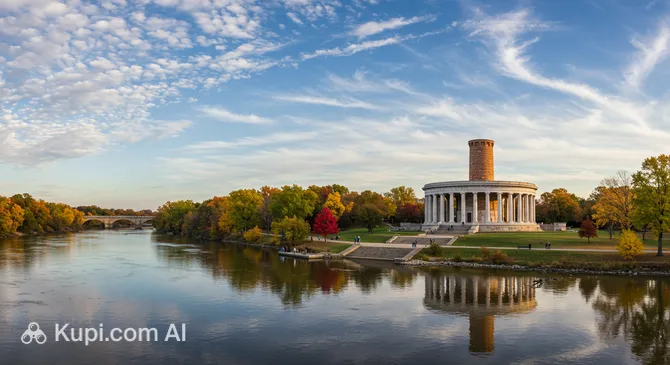
Vincennes. Illustration.
Source: Kupi.com AI

Located right on the border with Illinois, the city serves as an excellent starting point for exploring the heartland of the USA. With a population of about 17,000, Vincennes retains the charm of a small provincial center, free from the hustle and noise of major metropolises. The climate here is perfect for long walks, especially during the warmer months when the city is bathed in greenery.

Despite its modest size, the city takes pride in its significant heritage. The rich history of Vincennes makes it one of the oldest settlements in the region. Walking through the streets, you will see magnificent historic mansions and architectural monuments that create a unique ambiance of antiquity and comfort.

Vincennes is a city of spacious parks, quiet evenings, and beautiful sunsets over the river. If you are looking for authentic experiences, want to get to know local traditions, and feel genuine hospitality, this corner of Indiana will be a wonderful discovery for your journey.

Weather Overview

The climate in Vincennes is characterized by a clear change of seasons, allowing travelers to choose the ideal time for a visit based on their preferences. Summer here is truly warm and sometimes hot: in July, the average temperature reaches 26.1°C, and during the daytime, the air often warms up above 30°C. This is an active period; however, keep in mind that even in the sunniest months, rainy days are possible.

Spring and early autumn are perhaps considered the most comfortable times for walking. May brings pleasant warmth (averaging around 20°C), although tourists might need an umbrella as this month records the highest number of rainy days. September, on the other hand, delights with mild weather and an average temperature of 22.5°C and is one of the driest months of the year. Before your trip, be sure to check the current weather in Vincennes to pack a suitable wardrobe.

Winters in the region are cool but generally without extreme frosts. The coldest month is January, when the average temperature stays around 1.3°C, and at night it can drop to slightly below freezing. Expect a warm summer with periodic precipitation and cool, moderately dry winters, making the city accessible for visits year-round.

Average monthly temperature

Average monthly precipitation

Interesting Facts

In addition to its main attractions, Vincennes holds many fascinating secrets and historical details that make this city a truly unique spot on the map.

  • The state's oldest city. Vincennes was founded by French settlers back in 1732. This officially makes it the oldest city in Indiana and one of the oldest settlements in the entire Midwest, preserving the spirit of the continent's exploration era.

  • A heroic past. It is home to the majestic George Rogers Clark Memorial, built on the site of the former fort. In 1779, a decisive battle took place here, the victory of which helped secure these territories for the USA during the Revolutionary War.

  • A capital of humor. The city is proud to be the birthplace of the famous comedian and actor Red Skelton. A museum is open in his honor, becoming a magnet for fans of classic American humor and the artist's work.

  • Mystical legends. Mystery lovers will appreciate local lore: Vincennes is famous for stories about ghosts inhabiting old mansions and the walls of the fort. For the brave, there are even tours of places shrouded in mysticism.

How to Get There

Vincennes is located away from major transport highways, so a trip here often requires a combination of a flight and a car ride. Since the city itself does not have its own passenger airport, travelers will need to choose one of the nearby transport hubs. You can explore all available routes and logistical nuances by following the link for more on how to get to Vincennes.

The most convenient option for many travelers is Indianapolis International Airport (IND). This is a major air hub receiving many flights from across the country and abroad. It is important to note that the airport is located in Indianapolis, not Vincennes, at a distance of approximately 156.8 km. The drive from the terminal to the center of Vincennes by rental car or taxi will take about 2.5 hours, depending on traffic.

If you are looking for a closer option, consider Evansville Regional Airport (EVV). It is located in Evansville, just 71.1 km from your destination. This significantly reduces ground transfer time—the trip will take about 1 hour and 20 minutes. Another alternative is Louisville International Airport (SDF), located in Louisville (166.2 km from Vincennes). A large number of flights also arrive here, and the journey to the city will take just under 3 hours.

For clarity, here is a summary of the main airports:

AirportPassenger trafficDistance
Evansville Regional Airport470 00071 km
Daviess County Airport47 000109 km
Indianapolis International Airport10 mln157 km
Willard University Airport140 368164 km
Williamson County Airport28 000166 km

Rail service in this region is less intensive, and there is no direct train to Vincennes. The nearest major rail access point is the St. Louis Station (ZSV). The station is in St. Louis, at a significant distance—approximately 233 km from Vincennes. Travelers choosing this method will have to cover the remaining distance by bus or taxi, which will take about 3.5–4 hours.

Below is information about the nearest railway station:

StationPassenger trafficDistance
St Louis Railway Station368 097233 km

Main Attractions

Vincennes is a real treasure trove for lovers of American history and culture. The city carefully preserves the memory of its past, offering guests a unique opportunity to touch the events that shaped this region. Below are the main places that you should definitely include in your travel itinerary.

The absolute centerpiece of the city is the George Rogers Clark National Historical Park. This site is dedicated to the famous march of Colonel Clark and the capture of Fort Sackville in 1779, a turning point in the Revolutionary War. The heart of the park is a majestic classical-style memorial—a massive granite rotunda rising on the banks of the Wabash River. Inside, visitors are greeted by impressive murals telling the story of the military campaign, while the park grounds offer scenic views of the river and the surrounding area.

Another important historical landmark is Grouseland, the mansion of William Henry Harrison, the ninth President of the United States. Built in the early 19th century, this house served as Harrison's residence during his time as Governor of the Indiana Territory. Often called the "White House of the West," the building is beautifully preserved. Tourists can walk through rooms with authentic interiors, see original furniture from that era, and learn more about political life on the frontier.

For those who want to take a break from serious history and share a smile, the doors of the Red Skelton Museum of American Comedy are open. Located on the Vincennes University campus, the museum is dedicated to the life and work of the legendary comedian, a native of this city. The exhibition is full of interactive elements, costumes, and props from his famous shows. This vibrant and positive place will be interesting for visitors of all ages, introducing them to the golden age of American humor.

You also shouldn't miss the Basilica of St. Francis Xavier, often referred to simply as the Old Cathedral. This is the oldest Catholic parish in Indiana, founded in the early 18th century. The current red-brick building, constructed in 1826, impresses with its architecture, stained glass windows, and peaceful atmosphere. Next to it is a historic library housing rare books and documents, some dating back to the Middle Ages.

Local Cuisine

Vincennes cuisine is a gastronomic embodiment of Midwestern comfort. High fashion isn't the goal here; the focus is on simple, but incredibly hearty and tasty dishes. The menu is based on quality meat and fresh farm products. Be sure to try a classic beef roast with mashed potatoes and fragrant cornbread. For dessert, locals invariably choose traditional American cherry or apple pies, the taste of which will remind many of home warmth.

Meat lovers should look out for juicy burgers made from farm-raised beef and signature BBQ ribs, which are prepared here with special skill. However, the true hallmark of local culinary arts are dishes prepared according to old recipes. Don't miss the chance to order chicken and noodles—a thick and rich soup with homemade noodles and chicken—as well as corn pudding, a delicate corn casserole often served as a side dish or a treat on its own.

As for drinks, fresh apple cider becomes the main hit in the fall, which you can taste at numerous seasonal fairs. During the rest of the year, classic iced tea and coffee are popular, without which an American breakfast is unimaginable. If you want to take a piece of Vincennes flavor with you, head to the farmers markets, where they sell excellent local honey, homemade cheeses, and smoked meats.

The dining culture in the city centers around cozy family diners where a friendly atmosphere prevails. These are the best places to get to know the locals and their traditions. Additionally, Vincennes is famous for its gastronomic festivals. In the summer, strawberry and watermelon festivals are held here, and during local cuisine days, the city turns into one big tasting venue, attracting foodies from all around.

Travel Tips

A trip to Vincennes is an immersion into living history and the atmosphere of the American heartland, and a little advance preparation will make your visit as comfortable as possible. We have gathered practical recommendations to help you feel confident in this hospitable corner of Indiana and avoid common tourist mistakes.

  1. Clothing and Seasonality. Weather in the Midwest is changeable, so layering your clothing is the best approach. For summer visits, choose light natural fabrics, but bring a windbreaker for the evening chill by the river. Since major attractions like the National Historical Park involve walking, be sure to bring comfortable flat shoes. If you plan to enter the Basilica of St. Francis Xavier, observe a modest dress code: shoulders and knees should be covered.
  2. The Transport Question. Vincennes is a small city, and public transport is limited and geared toward locals (the VanGo system). For a tourist, renting a car is not just a recommendation but a necessity. This will give you the freedom to move between historic sites, restaurants, and your hotel. Rideshare services (Uber or Lyft) are available, but wait times can be long, especially in the evenings.
  3. Finances and Tipping. The main currency is the U.S. Dollar. Cards are accepted almost everywhere, but having a small amount of cash ($20–$50) is useful for paying at farmers markets or small souvenir shops. ATMs are widely available. Tipping culture here is the same as in the rest of the country: in restaurants, it is customary to leave 15–20% of the bill, as service is often not included.
  4. Safety and Health. Vincennes is a quiet and safe city where you can walk even in the evening; however, you should stick to basic rules: lock your rental car and do not leave valuables in sight. Major chain pharmacies (CVS, Walgreens) are easy to find, but note that they may not be open 24/7. In emergencies, dial 911.
  5. Connectivity and Communication. The primary language is English. Fluency in other languages among the local population is not high, so download an offline translator. Free Wi-Fi is available in most cafes, hotels, and the library, but for a stable connection during trips around the outskirts, it is better to buy a local SIM card (T-Mobile or AT&T).
  6. Local Etiquette. Indiana residents are famous for their hospitality ("Hoosier hospitality"). It is customary here to greet shopkeepers, drivers, and even passersby if you make eye contact. A smile and a polite "How are you?" will open any door. Don't rush locals in lines or cafes—the pace of life here is more measured than in big cities.
  7. Things to Avoid. Don't expect a vibrant nightlife or late-night dining: many restaurant kitchens close fairly early, around 9:00 PM–10:00 PM. Also, avoid trespassing on private property—if you see a fence or a "Private Property" sign on a farm or plot, you cannot enter without an invitation; this is taken very seriously.
  8. Important Time Nuance. Pay attention to time zones! Vincennes is in the Eastern Time zone, but as soon as you cross the bridge over the Wabash River into neighboring Illinois, you will be in the Central Time zone (one hour behind). If you have a flight scheduled from Evansville Regional Airport (which also operates on Central Time) or a meeting on the other side of the river, always clarify which time is being referred to.

Vincennes charms with its simplicity and sincerity, and by following these simple tips, you can focus on the main thing—enjoying the history and nature. May your journey along the banks of the Wabash leave only warm and pleasant memories!

Entertainment & Nightlife

Vincennes' nightlife is unlike the boisterous parties of major metropolises with neon signs and lines for face control. It is a city with a cozy, almost homey atmosphere, where evening entertainment is focused on conversation, good music, and local flavor. Thanks to the presence of the university, there is a youthful energy that blends harmoniously with the measured pace of life in authentic America.

The epicenter of evening activity is the Downtown area, especially along Main Street. This is where the main establishments are located, where locals and students come to relax after work or studies. The atmosphere in Vincennes' venues is casual and relaxed: there is no strict dress code, and you will feel completely comfortable in your favorite jeans. The crowd is diverse—from young people to long-time city residents—creating a friendly backdrop for meeting new people.

Among the popular spots for locals is the Old Town Tavern. This is an establishment with history, which many locals consider a great place for informal socializing over a beer. You can order simple but hearty snacks and enjoy the authentic atmosphere of a classic American bar. The interior here is no-frills, attracting those looking for sincerity and tradition rather than outward glitz.

If you are interested in cultural leisure, look into the Old Town Players theater. This is a community theater that regularly stages plays and musicals, drawing talent from all over the area. Attending an evening performance is a wonderful alternative to bars and allows you to immerse yourself in the cultural life of the community. During the day and early evening, you can also visit the cinema or walk along the Wabash River waterfront, which looks particularly romantic at sunset.

When planning your evening, consider a few practical points. Most kitchens in bars and restaurants close around 9:00 PM–10:00 PM, although the establishments themselves may stay open until 2:00 AM–3:00 AM, especially on weekends. Public transport does not run at night, so download taxi apps (Uber or Lyft) in advance, as catching a car on the street is almost impossible. The city center and the university area are considered safe for evening walks, but as anywhere, it is best to stick to well-lit streets.

Parks & Museums

Vincennes offers travelers a harmonious blend of educational leisure and outdoor recreation. The city's green zones are closely intertwined with historical context, turning an ordinary walk into a fascinating journey through time, while local museums hold collections capable of surprising even seasoned tourists.

The main green gem of the city is undoubtedly the George Rogers Clark National Historical Park. Although this place is primarily known for its massive memorial, its grounds are a magnificent landscaped park on the banks of the Wabash River. Here you can stroll along well-kept paths, have a picnic in the shade of century-old trees, and enjoy panoramic views of the river. It is an ideal place for those who want to combine a quiet rest in the fresh air with a tour of monumental architecture.

For a more traditional outdoor experience, visit Gregg Park. This is a popular spot among locals, perfect for family leisure. The park is equipped with sports fields, cozy picnic areas, and jogging paths. In the summer, it is particularly pleasant to shelter from the heat here, and the presence of covered pavilions allows for outdoor time in almost any weather.

Among cultural institutions, the Indiana Military Museum holds a special place. It is one of the most impressive collections of military history in the Midwest. The museum has an extensive exhibition both inside the building and outdoors, where tanks, artillery, and aircraft from various eras are on display. Tourists will find it interesting to see rare examples of equipment and uniforms, as well as visit interactive exhibitions that are often accompanied by historical reenactments.

Another important point on the map is the Grouseland estate. This house-museum of the first governor of the Indiana Territory and future president William Henry Harrison is not just an old building, but a real portal to the frontier era. A tour of the mansion allows you to see authentic household items from the early 19th century and understand how political figures of that time lived. The home's Federal-style architecture and surrounding garden create a unique atmosphere of antiquity.

Art and history lovers should also stop by The Old French House. This is a rare example of French colonial architecture preserved to this day. The museum provides an insight into the lives of the first settlers, their daily life, and traditions, which differ from the usual Anglo-American way of life. The building's simple lines and authentic interior make it an important monument to the region's cultural diversity.

If you are looking for unusual experiences, check out the Vincennes Historic Farmers Market, which operates during the warmer months. It is not a museum in the classical sense, but a real outdoor exhibition of local gastronomic culture and crafts. Here you can not only buy fresh products but also talk to farmers, learning more about modern life in Indiana firsthand.

Getting Around

The public transportation system in Vincennes differs significantly from what residents of major metropolises are used to. Due to the city's compact size and population of less than 20,000, there are no subways, trams, or an extensive network of classic route buses with strict schedules. The city is primarily oriented toward drivers; however, there are accessible alternatives for tourists without a car.

The main and practically only form of public transportation is the VanGo system. This is a public transit service that operates on a demand-response basis. Instead of waiting for a bus at a stop, passengers must book a ride in advance. Small, comfortable minibuses circulate through the city, picking up passengers at a specified point and taking them to their destination. This is a convenient and budget-friendly way to get around, but it requires advance planning.

Payment for VanGo is simplified but has its nuances. Modern contactless cards or mobile payment apps are not yet in use here. You must pay in cash directly to the driver upon boarding. The fare for a trip around town is very affordable and usually a symbolic amount (around $1–$2). Important note: drivers do not give change, so tourists need to prepare the exact amount in small bills or coins beforehand.

The main practical tip for those planning to use VanGo is to call the dispatcher as early as possible. Ideally, the order should be made 24 hours before the planned trip, as the number of vehicles is limited and the schedule fills up quickly. The service operates mainly during the day on weekdays; on weekends and evening hours, the number of runs may be reduced or unavailable. The current phone number for the dispatch service can be found on the county website or at the visitor center.

As an alternative to public transport, taxi services and popular rideshare apps (Uber and Lyft) operate in the city. However, keep in mind that unlike in large cities, wait times for a car here can range from 15 to 30 minutes, especially in the early morning or late evening. Car sharing in the traditional sense is not developed in Vincennes, so for complete freedom of movement, the best option remains a classic car rental.

The historic city center and the riverfront area are compact enough to be ideal for walking. Cycling is also gaining popularity: the terrain here is mostly flat, and the scenic routes along the Wabash River are perfect for two-wheeled travel. While there is no centralized city bike-share system with automated stations, you can rent a bike at some private sports shops or through hotels.

Accommodation

In Vincennes, the choice of accommodation matches its status as a small but welcoming city. You won't find huge resort complexes or ultra-luxury hotels from global brands here. The hotel stock primarily consists of reliable mid-range chain hotels, quality motels, and cozy bed-and-breakfast inns. This makes a trip here affordable for most travelers who value comfort, cleanliness, and functionality.

The geography of accommodation in the city is quite simple and logical. Most modern hotels are concentrated along the main transport artery—Highway 41—and in the Hart Street area. Staying here gives you quick access to the highway, convenient parking, and proximity to chain restaurants and supermarkets. You will need a car to reach the main attractions from here, but the drive will take no more than 10 minutes. If you want to live in an atmosphere of antiquity, you should look for options in the historic Downtown area closer to the river, although the selection there is more limited and represented mainly by private apartments.

When planning your trip, it is important to consider the calendar of local events. Since Vincennes is a university town, demand for housing spikes during graduations, open houses, or major Vincennes University sporting events. Rooms also sell out quickly during annual city festivals, such as the Watermelon Festival. For these dates, we strongly recommend booking your accommodation in advance, ideally several weeks out.

Pricing policy in the city remains very democratic. Tourists can count mainly on the budget and mid-price segments. A standard room in a local hotel often includes free Wi-Fi and a hot breakfast, which helps save on your travel budget. It is best to use popular online aggregators for booking as they provide up-to-date information on availability, although in small private guesthouses you can sometimes arrange accommodation by calling directly.

Nearby Cities

For those who want to explore the surrounding area, Vincennes serves as an excellent starting point for day trips to several interesting nearby locations. The city's convenient location allows for easy access to major cultural centers and natural attractions in the region.

One of the most popular destinations is Evansville, located on a scenic bend of the Ohio River. It is the state's third-largest city, attracting tourists with its Mesker Park Zoo, botanical garden, and unique museum on the water—the LST-325, a World War II tank landing ship. Evansville offers great opportunities for family vacations and long walks along the waterfront.

Art and university atmosphere lovers should head to Bloomington. The city is famous for Indiana University, whose architecture is impressive for its use of local limestone. Bloomington is renowned for its gastronomic scene with restaurants serving cuisines from all over the world, as well as its proximity to Lake Monroe—the state's largest body of water, ideal for outdoor recreation.

Also worth noting is Terre Haute, the historical "Crossroads of America." The city is interesting for its museums, including the Swope Art Museum, which is ranked among the best regional museums in the country. Here you can immerse yourself in the history of the region and enjoy the calm atmosphere of the parks along the Wabash River.

CityPopulationDistance
Sullivan14 94448 km
Olney35 81549 km
Huntingburg7 33665 km
Philipstown9 81473 km
Saint Anthony9 14573 km

These nearby destinations provide insight into the diverse culture and landscapes of the region, making your trip through Indiana even more rich and exciting.

Shopping & Souvenirs

Shopping in Vincennes is more of a pleasant addition to the cultural program than the main goal of the trip. You won't find the huge multi-story malls with luxury brands typical of metropolises here. Instead, the city offers a cozy atmosphere of small shops, antique stores, and boutiques where owners often know their customers by name. It is an ideal place for those looking for unique items with a history or locally made goods.

The heart of the city's commercial life is Downtown, especially the area along Main Street. A walk along this historic street is an aesthetic pleasure: the storefronts here are located in restored 19th and early 20th-century buildings. Clothing stores, art galleries, and souvenir shops are concentrated here. This is the best place for a leisurely stroll, where shopping can be combined with a cup of coffee at one of the local cafes.

For more practical purchases, head to the commercial areas along Hart Street and 6th Street. Larger retail spaces and familiar U.S. chain stores are located here. In this part of the city, you can find open-air shopping centers (strip malls) such as Vincennes Plaza. They have everything you need: from electronics and sporting goods to cosmetics and clothing from popular American mass-market brands.

The Vincennes Historic Farmers Market, which operates during the warmer months near the river pavilion, deserves special attention. It is not just a place for trade, but a true showcase of Indiana's agricultural wealth. Tourists come here for the freshest seasonal fruits (local watermelons and cantaloupes are especially famous), homemade baked goods, honey, and handmade items from local artisans.

Items related to the city's rich history are the most common souvenirs brought from Vincennes. In the antique shops for which the region is famous, you can find unique vintage trinkets, books, and home decor. Vincennes University merchandise—hoodies, T-shirts, or mugs with the logo of one of the country's oldest colleges—also makes for a great reminder of the trip. Food lovers can pick up a jar of local jam or BBQ sauce.

Most small private shops downtown are open from 10:00 AM to 5:00 PM or 6:00 PM, and many may be closed or have reduced hours on Sundays. Large chain supermarkets and shopping centers stay open longer, often until 9:00 PM or 10:00 PM. Bank cards (Visa, MasterCard, American Express) are widely accepted, but farmers markets or small antique shops might prefer cash.

Tourists from abroad should remember the specifics of taxation in the USA. Prices on tags in shops are listed without sales tax, which is 7% in Indiana. The final total will be higher than what you see on the shelf. There is no Tax-Free refund system for foreign tourists in the state of Indiana, so do not count on VAT compensation when leaving the country.
Reached the end of the page?

That means the route is fully explored