Support

Waukegan

About

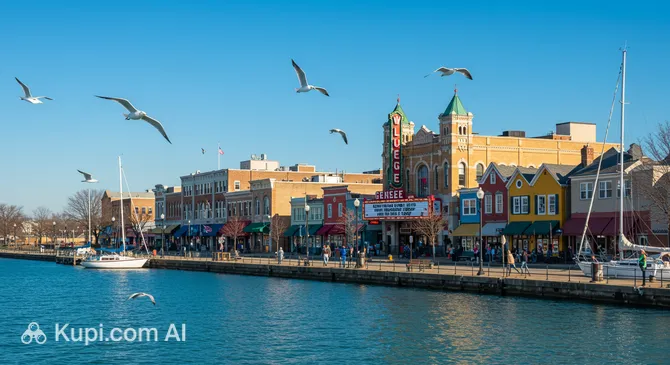
Waukegan is a picturesque city in northeastern Illinois, nestled comfortably on the western shore of the famous Lake Michigan. Located just 60 kilometers north of Chicago, it is ideal for travelers looking to combine the dynamic pulse of a major metropolis with serene natural surroundings. When traveling through the USA, it is certainly worth stopping here to soak up the "Real America" atmosphere and magnificent views of the Great Lakes.

Waukegan. Illustration.
Source: Kupi.com AI

Today, it is a modern center with a developed infrastructure, ranking ninth in the state by population with about 90,000 residents. However, Waukegan's history dates back to 1829, when it was founded as a small port settlement. Since then, the city has come a long way, becoming an important cultural and economic link in the region while managing to preserve its historic charm and coziness.

A surprising variety of experiences awaits tourists here: from relaxing on clean beaches and in green parks to discovering local art in galleries and theaters. Waukegan is famous for its lakefront promenades and unique art installations. It is a wonderful place to take a break from the hustle and bustle, admire the sunsets over Lake Michigan, and take home the warmest memories of Illinois hospitality.

Weather Overview

When planning your trip, it is important to consider the seasonal characteristics of the local climate, which is influenced by the proximity to the Great Lakes. Expect warm summers with comfortable temperatures and cold, mostly dry winters. The hottest months are July and August, when average temperatures reach +22.3°C, and daytime highs often hit +25°C.

The winter period requires warm clothing: in January, the average temperature drops to -2.7°C, with minimums reaching -5.3°C. Spring and autumn bring a gradual change in weather; for example, April and May see the highest number of rainy days (up to 13 days per month). To choose the perfect time for your visit and be prepared for nature's whims, we recommend checking what weather in Waukegan is expected during your trip.

September often delights with pleasant warmth and an average temperature of about +19.6°C, which is perfect for long walks along the waterfront. However, by November it becomes significantly cooler—around +5.4°C—so you should pack cozy items for a late autumn trip.

Average monthly temperature

Average monthly precipitation

Interesting Facts

Beyond its main attractions, Waukegan holds many fascinating secrets and cultural references that make walking through it even more interesting. Here are a few facts that reveal the unique character of this city on the shores of Lake Michigan.

  • Literary Cradle. Waukegan served as the real-life prototype for the fictional "Green Town" in Ray Bradbury's famous novel "Dandelion Wine." The writer was born here, and it was the atmosphere of the streets of his childhood that inspired the master of science fiction to create this touching work.

  • Native American Heritage. The city's name has deep historical roots and comes from a Potawatomi word meaning "fort" or "trading place." Founded in 1829, Waukegan is one of the oldest settlements on the lake's western shore.

  • City of Humor. Waukegan is proud to be the birthplace of the famous comedian and musician Jack Benny. A statue stands in the city in honor of the legendary artist, and an annual festival in his name draws fans of the genre from all over the country.

  • A Tribute to History. You can find many expressive monuments on the city streets, including a memorial to Abraham Lincoln and Veterans Memorial Plaza. Additionally, the historic Waukegan Building skyscraper was an architectural landmark for a long time.

How to Get There

Waukegan is conveniently located between two major metropolises—Chicago and Milwaukee—providing excellent transport accessibility for tourists. You can find more details on how to get to Waukegan by studying various routes, but air travel remains the primary method of arrival. Since the city itself does not have a large passenger airport, travelers usually fly into neighboring cities.

The closest and most popular hub is O’Hare International Airport (IATA: ORD). It is located in Chicago, approximately 43 km from Waukegan. This is one of the world's largest aviation hubs, receiving flights from every continent. The journey from the airport to downtown Waukegan by taxi or rental car takes about 1 hour and 25 minutes, depending on traffic.

An alternative option is General Mitchell International Airport (IATA: MKE), located in Milwaukee. It is 65 km north of Waukegan. This airport is often chosen by those who wish to avoid Chicago's heavy traffic. A car trip from here takes approximately 2 hours.

For clarity, here is a summary of the region's main airports:

AirportPassenger trafficDistance
O'Hare International Airport73.9 mln43 km
Midway International Airport22 mln57 km
Chicago Midway International Airport22 mln65 km
General Mitchell International Airport6.3 mln65 km
Chicago Rockford International Airport262 432105 km

Train travel enthusiasts can also use the rail system, although there is no long-distance station within Waukegan itself. The nearest major hub is Chicago Union Station (IATA: ZUN), located in downtown Chicago, about 56.5 km from the destination. This is a legendary station with massive passenger flow. From the station, Waukegan can be reached via commuter trains or taxi, taking about 1 hour and 45 minutes.

Below is information regarding the nearest major railway station:

StationPassenger trafficDistance
Chicago Union Station38 mln56 km

Main Attractions

Waukegan's attractions are a harmonious blend of Lake Michigan's natural beauty, a rich historical heritage, and a vibrant cultural life. The city offers travelers a variety of locations, from magnificent architectural landmarks to cozy park areas, allowing visitors to experience this corner of Illinois from many different perspectives.

One of the city's primary cultural jewels is the Genesee Theatre. This luxurious concert hall, opened in 1927, captures the imagination with its interior: marble lobbies, a massive crystal chandelier, and exquisite plasterwork create an atmosphere of the "Roaring Twenties." Today, the theater is beautifully restored and serves as the city's main stage, hosting concerts by world stars, Broadway musicals, and comedy shows. Visiting this venue is an excellent chance to experience classic American entertainment architecture.

For those who prefer the outdoors, the Waukegan Municipal Beach is a must-see. The spacious sandy stretch along Lake Michigan is perfect for summer relaxation, picnics, and watching sails on the horizon. This location is also known for its natural dunes and clean water. Festivals and city celebrations are frequently held here, and active leisure enthusiasts come for the kiteboarding.

History and literature buffs will enjoy visiting the Waukegan History Museum, located in Bowen Park. The museum occupies the historic Haines House and houses many artifacts detailing the region's past. A special place in the exhibits and the city itself is dedicated to the legacy of Ray Bradbury. The legendary science fiction writer was born here, and Waukegan served as the prototype for "Green Town" in his books. A walk through places associated with his childhood, including the famous ravine and the Carnegie Library, is a true journey into the world of literature.

Also worth noting is the Arts & Entertainment District in the city center. This is the heart of Waukegan's creative life, home to galleries, artist studios, and cozy cafes. Every month, the ArtWauk event takes place, turning the streets into one large exhibition of contemporary art and performances, allowing tourists to immerse themselves in the informal and friendly atmosphere of the local community.

Local Cuisine

Waukegan's gastronomic scene is an exciting mix of Midwest traditions and vibrant accents brought by various cultural communities. Proximity to Lake Michigan dictates the rules: fresh fish can always be found on local menus. Smoked fish sandwiches are considered one of the city's signatures, especially enjoyable during walks along the promenade or in cozy waterfront cafes.

Since Chicago is very close, its culinary influence is felt everywhere. Tourists are strongly encouraged to try the famous deep-dish style pizza with its high crust and generous toppings, as well as the classic Chicago hot dog, prepared here according to all the rules—no ketchup, but with pickled vegetables and mustard. For meat lovers, juicy burgers and tender BBQ ribs are excellent choices.

CM Chicken Bobadod. Illustration.
Source: Kupi.com AI

Traveler photos:

Street food holds a special place in the city's food culture. Numerous food trucks offer guests fragrant tacos, grilled corn, and sweet churros, reflecting the region's multicultural character. If you want to get to know popular local spots, it's worth checking out CM Chicken Bobadod for their chicken dishes or visiting Papa Marcos Restaurant to enjoy a cozy atmosphere and a hearty lunch.

Regarding drinks, the choice often depends on the season. Refreshing lemonades and freshly squeezed juices are popular in the summer, often sold at farmers' markets alongside homemade jams, cheeses, and honey. In the fall, during harvest festivals, apple cider becomes the main drink—available in both non-alcoholic and traditional versions. Local coffee shops are also famous for their pastries, offering desserts with seasonal berries that perfectly complement a hot cup of coffee.

Travel Tips

Welcome to Waukegan! To ensure your trip to the scenic shores of Lake Michigan is as comfortable and carefree as possible, we have prepared a list of useful recommendations to help you navigate the city easily and avoid common mistakes.

  1. Clothing and Seasonality. The climate here is continental, so your suitcase contents depend heavily on the time of year. In summer, despite the heat, be sure to bring a light windbreaker or sweater: even on a sunny day, the lake breeze can bring a noticeable chill. In winter, full warm gear is required—a down jacket, hat, and gloves—as the winds can be piercing. Comfortable shoes are a must for walking in parks and on sandy dunes.

  2. Transportation. Waukegan is a typical American city where the car is the primary mode of transport. Renting a car will give you the freedom to explore the surroundings. If you don't plan to drive, use the Uber or Lyft apps—they work flawlessly. For trips to Chicago, the Metra train (Union Pacific North line) is ideal, while Pace buses circulate within the city, though they run less frequently than in major metropolises.

  3. Finances and Tipping. The official currency is the USA dollar. Bank cards are accepted almost everywhere, from restaurants to small shops, but having $20–50 in cash is useful for small expenses. Remember the tipping culture: in America, this isn't just a bonus but a part of the staff's wages. In restaurants and taxis, it is customary to leave 15–20% of the bill if you were satisfied with the service.

  4. Health and Safety. Waukegan is a quiet city, but like anywhere, basic precautions should be taken: lock your car and don't leave valuables in sight. Major pharmacy chains (like Walgreens or CVS) often stay open late and offer a wide range of over-the-counter medications. In emergencies, call the universal number 911.

  5. Communication. The primary language is English; however, due to a large Hispanic community, you will often hear Spanish, and many signs are bilingual. Tourist SIM cards (T-Mobile, AT&T) are easily purchased at mobile stores or major supermarkets. Free Wi-Fi is available in most cafes, hotels, and the city library.

  6. Local Etiquette. Midwesterners are known for their friendliness. It is common to smile at strangers and say hello when making eye contact. The phrase "How are you?" is a polite greeting, not an invitation for a long story about your life. Also, Americans highly value personal space—try not to stand too close to people in lines.

  7. What to Avoid. Do not ignore water safety rules. Lake Michigan is a massive body of water with the temperament of a sea. Pay attention to the colored flags on the beach: if a red flag is raised, swimming is prohibited due to dangerous rip currents, even if the waves seem small. Also, avoid walking alone in unlit, remote areas at night.

  8. Cultural Lifehack. If your trip falls on the third Saturday of the month, be sure to attend the ArtWauk event. This is a great opportunity to visit local galleries for free, chat with artists, and listen to live music right on the streets of the downtown district—the best way to feel the true rhythm of the city.

Waukegan is a welcoming city ready to reveal its secrets to curious travelers. By following these simple tips, you can feel right at home here and focus on the most important thing—enjoying the atmosphere and making new discoveries!

Entertainment & Nightlife

Waukegan's nightlife is noticeably different from the neon lights of bustling Chicago. You won't find massive mega-clubs operating until dawn here; however, the city offers a cozy and authentic atmosphere for evening relaxation. The main hub after sunset is Downtown Waukegan, particularly Genesee Street. This is where the cultural and entertainment life is concentrated: from live music and stand-up shows to laid-back bars where locals gather to discuss the news over a beer.

A night in Waukegan is best started with a delicious dinner that smoothly transitions into evening socializing. The city is famous for its gastronomic diversity, reflecting its multicultural population. An excellent place to start is Papa Marcos Restaurant. This establishment is popular for its casual atmosphere, suitable for both a family dinner and meeting friends before heading to a bar. Here you can enjoy a hearty meal and get into the evening rhythm of the city.

Papa Marcos Restaurant. Illustration.
Source: Kupi.com AI

Traveler photos:

If you prefer a more informal setting and love Asian cuisine, it's worth checking out CM Chicken Bobadod. This spot is great for fans of Korean fried chicken and long conversations with company. In Waukegan, many establishments of this format stay open late, becoming gathering points for younger crowds. After dinner, you can head to one of the local dive bars or sports bars scattered along Grand Avenue and Washington Street, where matches are often broadcast and jukeboxes play music.

The heart of cultural nightlife is undoubtedly the historic Genesee Theatre. Although it is a concert venue rather than a nightclub, this is where the city's main evening events take place: rock concerts, performances by famous comedians, and Broadway productions. The area around the theater is always lively on show days, and neighboring bars fill up with a well-dressed crowd. The dress code in most Waukegan establishments is casual, but for the theater or more upscale lounges, smart casual is recommended.

Before diving into night entertainment, the day can be spent on more relaxed activities. Waukegan offers excellent opportunities for cultural enrichment: visit local art galleries or stroll through the parks. History enthusiasts will find it interesting to stop by the city's museums to learn more about the region's past before exploring its modern evening side.

Practical Tips and Safety:

Most bars in Waukegan close around 1:00 or 2:00 AM, with some staying open slightly later on weekends. Prices here are significantly more affordable than in Chicago; the average check for a cocktail or beer will pleasantly surprise a tourist. Regarding safety, the Downtown area and the waterfront are considered quite comfortable for evening walks, especially on weekends when there are many people on the streets. However, as in any American city, it is better to avoid poorly lit alleys and remote residential blocks at night.

Public transport is rare at night, so using taxis or ridesharing services (Uber, Lyft) is highly recommended for moving between venues or returning to your hotel. This is the safest and most convenient way to get where you need to go, especially if you plan on sampling local drinks.

Parks & Museums

The cultural and natural landscape of Waukegan is surprisingly diverse for a city of its size: industrial history intertwines with the scenic views of Lake Michigan, and historic mansions stand alongside modern art spaces. For tourists, this means the opportunity to spend the morning on sandy dunes and the afternoon exploring the region's rich heritage in cozy museums and galleries.

Among the green spaces, Bowen Park holds a special place. It is not just a park, but a true natural and historical complex situated on hilly terrain. The park attracts visitors with its century-old trees, well-maintained hiking trails, and a picturesque ravine that creates a sense of complete isolation from the city bustle. It also features a modern skate park and picnic areas, making it an ideal spot for family relaxation. Bowen Park is particularly beautiful in the fall when the foliage turns vibrant colors, creating a cinematic atmosphere.

Another important natural attraction is the coastal zone, including the Waukegan Dunes. This is a unique ecosystem located north of the city beach. Here you can see rare species of plants and birds that live in the sandy landscapes. A walk along the wooden boardwalks among the dunes allows you to enjoy wild nature and impressive views of Lake Michigan without leaving the city limits. This spot is especially valued by those seeking peace and by landscape photographers.

You can dive into the region's past at the Waukegan History Museum. It is located right within Bowen Park in the Haines House—one of the oldest surviving buildings in Lake County, built in 1843. The museum's exhibits recreate Victorian-era life and tell the story of Waukegan's transformation from a small trading post to a major port. Special attention is given to the city's famous natives, including Jack Benny and Ray Bradbury. Entry to the museum is generally free, making it accessible to all travelers.

Art lovers should pay attention to the city's growing art scene. While Waukegan doesn't have massive national galleries, small creative spaces like the Dandelion Gallery & Studio thrive here. This is a non-profit, artist-run gallery where regular exhibitions of contemporary painting, photography, and sculpture by local masters are held. Visiting such places allows you to feel the pulse of the city's modern cultural community and perhaps purchase a unique souvenir.

From an architectural standpoint, the city is interesting for its historic center and harbor area. The Waukegan Harbor Light, located at the end of the government pier, is definitely worth seeing. Although access inside the lighthouse is closed, the walk to it along the long pier offers unforgettable impressions and the chance to take panoramic photos of the harbor and skyline.

Insider Tip: If you want to see the "real" Waukegan described in books, take a stroll through the residential neighborhoods north of downtown. Here you will find historic homes from the late 19th century and the very same deep ravines that Ray Bradbury described as the settings for childhood adventures and mysteries. This isn't an official tourist route, but it's where the spirit of "Green Town" truly lives.

Getting Around

The public transport system in Waukegan is primarily oriented toward bus routes and rail connections to neighboring metropolises. While the city is considered car-centric, tourists without their own transport can certainly get around the main areas using the local Pace bus service. These suburban buses connect the city center, the train station, shopping centers, and residential neighborhoods. However, keep in mind that headways here are longer than in major cities and can range from 30 to 60 minutes, especially on weekends.

The most important transport hub is the Metra station (Union Pacific North line), located downtown near the waterfront. These double-decker trains are the most popular way to reach downtown Chicago or neighboring lakefront towns. The ride is comfortable and scenic, but the train schedule is strictly fixed, so it's best to plan your departure in advance. There is no subway or tram system within Waukegan itself.

For fare payment, the most convenient method is the universal Ventra system. Tourists are recommended to download the Ventra mobile app, which allows you to buy tickets for both Pace buses and Metra trains directly from your smartphone. You can also purchase a physical Ventra Card from vending machines at major stations or at certain pharmacies (like CVS or Walgreens). Buses accept cash paid to the driver, but the machines do not give change—you must have the exact amount (usually around $2.00–$2.25 per ride).

If you plan on moving around frequently, consider alternative options. Taxi and ridesharing services like Uber and Lyft work excellently in the city; a car can usually be called within 5–10 minutes to any point in the city. This is often faster and more reliable than the bus if you need to reach remote attractions or restaurants in the evening.

A practical tip for travelers: always check the current schedule via Google Maps or the Ventra app, as bus routes may change their schedules on holidays. Ticket validation on Metra trains is done by conductors inside the car (if the ticket is in the app, it must be activated upon boarding and the screen shown), while on buses, you tap the card against the reader upon entry. Bike rentals are not widely developed in the city, so cycling enthusiasts should look for specialized rental points near parks or the beach.

Accommodation

Waukegan offers travelers a balanced selection of accommodation options, well-suited for both transit tourists and those who decide to linger on the shores of Lake Michigan. While you are unlikely to find pompous luxury resorts here, the city has a decent range of mid-range hotels and budget motels belonging to well-known American chains. This makes staying here comfortable, practical, and predictable in terms of service quality.

When choosing a location, consider your plans for the trip. Tourists wanting to enjoy the city's atmosphere and proximity to the water are recommended to look for accommodation near the Downtown area or close to the harbor. This provides relatively easy access to the Genesee Theatre, museums, and the beach. If you are traveling by car and plan frequent trips to Chicago or Milwaukee, it is more convenient to stay in hotels located along the main highways on the western edge of the city (for example, in the Green Bay Road area), where there is always ample parking and quick access to the interstate.

The price range in Waukegan can be described as moderate, especially when compared to the high rates in Illinois' larger metropolises. Most offers fall into the budget and mid-range segments, allowing you to save on lodging while staying within an hour's reach of the state's main attractions. Bookings are most often made through popular international online aggregators, though direct booking on chain hotel websites is also widespread.

Booking Tip: Although Waukegan is not a mass tourism hub, demand for accommodation increases significantly during the summer (June to August) due to beach season and city festivals. Additionally, proximity to the Great Lakes Naval Base sometimes leads to hotels being fully booked during graduation ceremonies. Therefore, we recommend booking your room in advance, at least a couple of weeks before your intended visit.

Nearby Cities

For those looking to explore the surrounding area, Waukegan serves as an excellent starting point for day trips to several interesting nearby locations. The city's convenient location allows for quick access to both picturesque natural spots and the cultural centers of neighboring regions.

One of the most popular destinations is Kenosha, located just 25 kilometers to the north, across the state line in Wisconsin. This city on the Lake Michigan shore is famous for its excellent museums, including the Public Museum featuring mammoths and the Civil War Museum. Kenosha's historic electric streetcars running along the waterfront and its famous local produce market add a special charm.

Nature lovers and those seeking a quieter getaway should consider Round Lake Beach. This community provides access to the lake country, where you can escape the city bustle, enjoy water sports, or simply have a picnic by the water. Also of interest is Northbrook—a cozy and upscale suburb known for its shopping centers and proximity to the famous Chicago Botanic Garden, which is beautiful at any time of year.

CityPopulationDistance
North Chicago30 6194 km
Gurnee30 8265 km
Beach Park13 6347 km
Zion24 6609 km
Gages Lake10 44511 km

These nearby destinations offer a glimpse into the diverse culture and landscapes of the region, making your trip even more rewarding.

Shopping & Souvenirs

Shopping in Waukegan is primarily about convenience and practicality rather than high fashion. The city offers travelers a great balance between major retail chains, where you can buy everything you need, and small private shops that reflect the region's multicultural flavor. You are unlikely to find luxury boutiques here, but you can purchase quality clothing, home goods, and unique local items at very reasonable prices.

The city's main commercial artery is Grand Avenue. Driving along this street, you will find many shopping plazas, supermarkets, and specialty stores. This is the ideal place for those looking for electronics, sporting goods, or everyday clothing. It is also worth checking out the Downtown area, especially Genesee Street. Unlike the busy commercial zones, here you will find small art salons and antique shops where you can discover something truly unusual.

While there are no giant indoor malls within Waukegan itself, Fountain Square is a popular open-air shopping complex. However, the main magnet for shoppers is the proximity to one of the state's largest outlet malls—Gurnee Mills. It is located literally a 10-15 minute drive from the Waukegan border. It houses hundreds of brand-name stores offering significant discounts, making it a mandatory stop for tourists wanting to update their wardrobe.

For lovers of fresh produce and local color, the Waukegan Farmers Market is a real find. It typically operates during the warmer months (June to October) and is located in the city center. Here, local farmers sell seasonal vegetables, fruits, homemade honey, cheeses, and pastries. It's a great place not only to buy tasty souvenirs but also to chat with local residents.

When choosing what to bring back from your trip, consider the city's cultural heritage. The best souvenirs from Waukegan are books by Ray Bradbury, preferably purchased in local bookstores, or themed items related to his work. Works by local artists, which can be found in galleries during art walks, are also popular. Don't forget about gastronomic souvenirs, such as local popcorn or craft sweets.

Most major stores and shopping centers are open from 10:00 AM to 9:00 PM, with shortened hours on Sundays. Bank cards (Visa, Mastercard, American Express) are accepted everywhere, even in small kiosks. Cash may only be useful at markets or for tips. It's also worth remembering that in the USA, Sales Tax is not included in the price tag and is added at the register. In Illinois, it is one of the highest in the country, and Tax-Free refund systems for tourists, in the traditional European sense, generally do not exist here.

Reached the end of the page?

That means the route is fully explored