Support

Keeper of the Plains

About

"The Keeper of the Plains" is a majestic metal sculpture that has become a true symbol of Wichita, located in the USA. This impressive 13-meter statue of a Native American chief stands proudly at the iconic confluence of the Big and Little Arkansas Rivers, in the heart of the city. It is not just a monument, but one of the most popular and recognizable landmarks in the region.
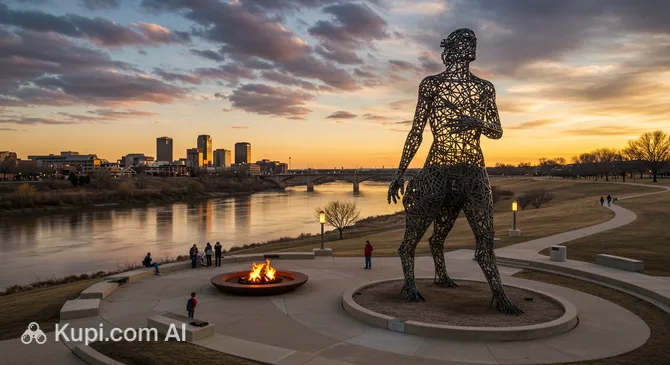
Keeper of the Plains. Illustration.
Source: Kupi.com AI

Traveller photos:

The sculpture depicts a Native American chief who, according to local beliefs, watches over the endless plains of Kansas. The people of Wichita hold this figure in high regard, believing that the spirit of the keeper protects their lands and brings favor from higher powers. It is no surprise that "The Keeper of the Plains" often tops the rankings of the best places to visit in the city, drawing both tourists and locals alike.

The creator of this iconic piece of art is the talented Native American sculptor Black Bear Bosin, which gives the statue special cultural value and authenticity. Visiting "The Keeper of the Plains" offers a unique opportunity not only to see an impressive monument but also to touch upon the history and spiritual traditions of America's indigenous peoples, while enjoying scenic views of the river confluence.

Contacts

To find up-to-date information on visiting the Keeper of the Plains sculpture, including contact details and the best ways to get there, we recommend checking the official tourism resources of the city of Wichita. Local tourism portals or visitor information centers often provide the latest data on attraction hours and events.

How to contactContact
Address339 Veterans Pkwy, Wichita, KS 67203, USA
Phone+1 316-268-4497

What to Do

Visiting "The Keeper of the Plains" sculpture in Wichita primarily offers the chance to enjoy the majestic sight of the 13-meter steel figure created by artist Black Bear Bosin. This iconic spot is especially impressive at sunset, when the silhouette of the Native American warrior stands out dramatically against the sky, creating unforgettable shots for photographers. From the plaza at the base of the statue, you get a picturesque view of the confluence of the Big and Little Arkansas Rivers, making it an ideal place for contemplation and peace.

Beyond admiring the sculpture itself, visitors can stroll through the surrounding area, which is an important part of the region's cultural heritage. This location is often used for various events and is a popular spot for locals and tourists wishing to connect with the history and spirit of these lands. The atmosphere here is perfect for leisurely walks and reflection.

Furthermore, a visit to "The Keeper of the Plains" can be easily combined with exploring other interesting places in Wichita. For example, nearby you will find Botanica: The Wichita Gardens, where you can enjoy the beauty of diverse plants; the Sedgwick County Zoo with its rich collection of animals; and the Old Cowtown Museum, which lets you dive into the atmosphere of the Wild West. Thus, "The Keeper of the Plains" can serve as a starting point for a deeper discovery of the city's culture and attractions.

Getting There

Getting to the famous "Keeper of the Plains" statue is quite simple, as it is located in the heart of Wichita, Kansas. The city of Wichita itself is well-connected: you can arrive by plane at the local international airport, travel by car via an extensive network of interstates, or arrive by intercity bus.

Once you are in Wichita, reaching the "Keeper of the Plains" is straightforward. The monument is situated at the picturesque confluence of the Big and Little Arkansas Rivers. From the downtown area, you can easily walk to the statue while enjoying the views or use public transport. A taxi ride is also always an option, which is particularly convenient if you are in a hurry or traveling with luggage.

Since the "Keeper of the Plains" is a public landmark, access is free and open to everyone. For those who prefer to travel by car, parking spaces are generally available in the immediate vicinity of the attraction, making your visit even more comfortable.

Nearest city: Wichita

History & Facts

The monumental sculpture "The Keeper of the Plains" in Wichita, USA, is not just a landmark but a profound symbol of respect for the indigenous peoples who originally inhabited these lands. Created by the talented Native American sculptor Black Bear Bosin, this majestic figure was erected at a significant location — where the rivers merge, a spot that historically held sacred meaning for local tribes. In this way, "The Keeper of the Plains" serves as a bridge between the past and the present, reminding us of the region's rich history.

The emergence of "The Keeper of the Plains" is closely linked to the history of Wichita itself. The city, founded by Darius Munger—whose modest home can still be visited, along with the home of Marshall Murdock, a newspaper publisher and active supporter of the city's development—has come a long way. Against this backdrop, the statue takes on special significance, symbolizing the unbreakable link between eras and cultures, as well as an acknowledgment of the heritage of those who were here long before the founding of the modern settlement.

The state of Kansas, where Wichita is located, is famous for its vast prairies that once covered most of its territory. Today, when only a small portion of these unique ecosystems remains untouched (less than 4%, mostly in the Flint Hills region), "The Keeper of the Plains" stands as a powerful symbol of protection for this precious natural heritage. It also embodies the preservation of Native American culture, for whom the prairies were not just a landscape, but a home and a source of life.

Time Needed

When planning a visit to the famous "Keeper of the Plains" sculpture in Wichita, you should allow enough time to fully enjoy this iconic spot. Generally, 1-2 hours is sufficient to view the sculpture itself and the surrounding area where it stands. This provides enough time to admire the monument, take photos, and experience the atmosphere at the confluence of the Big and Little Arkansas Rivers.

However, if your trip includes visiting other Wichita attractions nearby, it is recommended to set aside more time. For instance, if you also wish to visit the Botanical Gardens or the Old Cowtown Museum, it is best to plan for a full day to explore these sites along with the "Keeper of the Plains." This will allow you to explore all the interesting spots without rushing and get the most out of your trip.

Working Hours

The "Keeper of the Plains" statue is a public art installation, so it is open 24/7, year-round. You can visit this iconic landmark at any time that is convenient for you, without worrying about opening hours or the need for advanced ticket booking.

To fully enjoy the view and take impressive photos, it is recommended to visit "The Keeper of the Plains" during daylight hours or at sunset. At these times, the views of the sculpture and the surrounding landscape are particularly scenic. Since it is an outdoor space, no special preparations are required; however, it is always a good idea to check the weather forecast before your visit.

5:00 – 12:00

Nearby

Exploring the surroundings of an iconic landmark like the Keeper of the Plains can greatly enrich your trip. It is a wonderful opportunity to dive deeper into the atmosphere of Wichita and discover hidden gems or other interesting places that will round out your experience.

By expanding your itinerary beyond a single site, you can gain a more complete understanding of the city's culture, history, and unique character. Often, it is these spontaneous discoveries and small detours that provide the most vivid memories of a trip to the USA. Other noteworthy sites located near the "Keeper of the Plains" include:

NameDistance
Mid-America All-Indian Museum0.2 km
Exploration Place0.3 km
Veterans Memorial Park0.4 km
Wichita Art Museum0.7 km
Central Riverside Park0.7 km
Blade & Timber0.9 km
Old Cowtown Museum1 km

Reached the bottom of the page?

Looks like you know this route inside out