Support

Wyoming

About

Wyoming is not just a point on the map, but a true embodiment of the Wild West spirit, where endless plains meet majestic mountain peaks. Located in the mountainous part of the western USA, this region attracts travelers with its rugged beauty, a sense of freedom, and a unique atmosphere that seems to transport guests back to the era of pioneers. Here, among high plateaus and picturesque valleys, nature remains in its pristine form, offering tourists a rare opportunity to escape the hustle and bustle of city life.

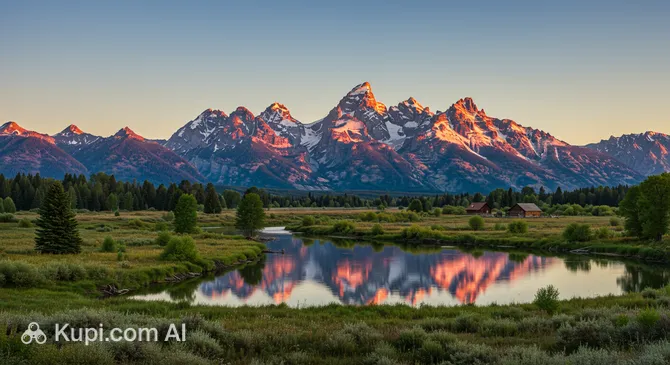
Wyoming. Illustration.
Source: Kupi.com AI

Geographically, Wyoming is a high-altitude region dominated by the Rocky Mountain ranges and vast steppes. The climate here is sharply continental, with cool summers and snowy winters, making it an ideal destination for both summer hiking and winter sports. The fascinating history of Wyoming is inextricably linked with cowboy culture, the development of railroads, and the struggle for women's rights, all of which are reflected in numerous museums and preserved historical monuments.

The main magnet for tourists is undoubtedly the famous Yellowstone National Park—the world's first national park, known for its geysers, hot springs, and rich wildlife. No less impressive are Grand Teton, with its jagged peaks and crystal-clear lakes, and the mysterious Devils Tower rock, rising high above the plain. A trip to Wyoming is a chance to see the real America, breathe in the clean mountain air, and touch eternal natural wonders.

Weather Overview

The weather in the city of Wyoming is characterized by significant seasonal fluctuations. Summers here are generally warm: the average temperature in July is about 22.8°C, and maximum daytime values can reach 30.0°C. Winters in Wyoming are cold; the average January temperature stays around -5.9°C, with night frosts potentially lowering the temperature to -11.4°C (for example, in February). Expect warm summers with occasional rain and cold, dry winters. The amount of precipitation is generally low; the highest number of days with precipitation occurs in May (averaging 13 days), and the lowest in December (about 4 days). To get more detailed information about climatic conditions and the monthly forecast, you can visit the Wyoming Climate page.

Average monthly temperature

Average monthly precipitation

Interesting Facts

Wyoming, Michigan, is not just one of many cities in the USA. Behind its everyday life lie several intriguing facts that make it unique in its own way and interesting for the curious traveler.

  • Not that Wyoming: Many are surprised to learn that the name of the city of Wyoming in Michigan is not related to the famous state of the same name. The city was most likely named by settlers from Wyoming County, New York, or the Wyoming Valley in Pennsylvania. The word itself is believed to originate from the Algonquian Native American language and means "vast plains" or "large meadows."

  • A relatively young city: Although the first settlements in the territory of modern-day Wyoming, Michigan, appeared as early as the mid-19th century (when it was a township, or settlement), it officially received city status relatively recently—in 1959. This makes it quite young by American standards, and its history is closely tied to the growth and development of the neighboring metropolis of Grand Rapids.

  • Industrial heritage: For a long time, Wyoming, Michigan, was an important industrial center. A major General Motors (Wyoming Stamping Plant) played a key role in its economy, providing jobs for a significant portion of the population. Although the plant has ceased operations, its legacy serves as a reminder of the city's significant contribution to the region's automotive industry.

  • A city with two school systems: An unusual administrative feature of Wyoming, Michigan, is that two independent public school districts operate within its territory—Godwin Heights Public Schools and Wyoming Public Schools. Each district has its own history and traditions, serving different areas of the city, which is a fairly rare phenomenon for cities of this size in the USA.

How to Get There

When planning a trip to this region, it is important to think through your route in advance, as distances here can be significant. The primary way to get here remains a flight to one of the nearby major transport hubs, followed by a transfer to a car. You can explore all options and learn more about how to get to Wyoming to choose the most convenient path for you.

Since there is no airport in the town of Wyoming itself, travelers usually fly into neighboring cities. The most convenient option is Casper/Natrona County International Airport (CPR), located in the city of Casper. It is about 70 km from the destination. This is a regional transport hub with a medium passenger flow that receives regular flights. A trip from there by taxi or rental car will take approximately 1 hour and 15 minutes.

Other possible options, though more distant, are Yellowstone Regional Airport (COD) in the city of Cody and Rock Springs–Sweetwater County Airport (RKS). Both are more than 200 km away (approximately 2.5–3 hours drive). These airports serve fewer passengers but may be convenient if you are planning a broader route across the state.

For clarity, here is a summary of the main airports:

AirportPassenger trafficDistance
Casper/Natrona County International Airport200 00070 km
Riverton Airport45 00095 km
Campbell County Airport58 000200 km
Yellowstone Regional Airport74 000213 km
Rock Springs-Sweetwater County Airport50 981220 km

Regarding rail connections, there are no direct trains to the city of Wyoming. The railway network in this region is poorly developed and is used primarily for freight or tourist excursion routes, which are not suitable for regular passenger transit. Travelers are advised to rely on intercity buses or car rentals, which is the most popular way to travel across the state's vast spaces.

A car trip remains the most reliable way to reach the destination. The region is crossed by high-quality highways that provide connections to neighboring states and cities. If you do not plan to fly, a car trip will allow you to enjoy the picturesque views of the American West on your way to your destination.

Main Attractions

The state of Wyoming, located in the western USA, is a land of majestic Rocky Mountains, endless prairies, and the legendary Wild West. It attracts travelers with its unique national parks and the opportunity to experience untouched nature and a rich history. Instead of fictional city landmarks, Wyoming offers world-famous natural and historical treasures.

Undoubtedly, the crown jewel of Wyoming is Yellowstone National Park—the first national park in the world. Famous for its geysers, including the legendary Old Faithful, colorful hot springs, bubbling mud pots, and incredibly rich wildlife, it offers a truly unforgettable experience. Here, you can see free-roaming bison, graceful elk, mighty grizzly bears, and even wolves in their natural habitat.

To the south of Yellowstone lies the equally impressive Grand Teton National Park. This park captures the imagination with the dramatic, jagged peaks of the Teton Range, which are majestically reflected in the crystal-clear alpine lakes at their base. Grand Teton is a true paradise for hikers of all skill levels, climbers, fishermen, kayakers, and, of course, photographers. Picturesque trails will lead you through blooming meadows to breathtaking panoramic views.

Another iconic and mystical attraction in the state is the Devils Tower National Monument. This impressive volcanic monolith, rising sharply above the surrounding plains, is a sacred site for many Native American tribes and a popular challenge for climbers from all over the world. Its unique columnar structure and mysterious aura make it a must-visit destination.

For those interested in the rich history of the American West's exploration, Fort Laramie National Historic Site is well worth a visit. This former vital trading post on the Oregon Trail, and later a 19th-century military fort, played a key role in the history of westward migration, relations with Native American tribes, and the development of the region. Today, visitors can explore well-preserved and restored historical buildings, immersing themselves in the atmosphere of frontier life.

Local Cuisine

The gastronomy of Wyoming is closely linked to its rich Wild West history and ranching traditions. Hearty, simple, and high-quality food made from local products is valued here. Travelers can expect an introduction to real American cuisine, where meat dishes and generous portions predominate.

Be sure to try beef dishes—grilled steaks, especially ribeye, are a signature of the region. Bison is equally popular, as its meat is considered leaner and has a rich flavor. It is often served as burgers, stews, or steaks. It is also worth paying attention to trout dishes caught in local rivers and lakes.

Among the drinks in Wyoming, craft beer is popular—many local breweries offer a variety of types, from classic lagers to original ales. For non-alcoholic drinks, homemade lemonade, iced tea, and various berry drinks are often chosen, especially in the summer. In some establishments, you can also find local versions of whiskey or bourbon.

The food culture in Wyoming is quite casual. Locals and tourists prefer to dine at steakhouses, traditional American diners, and family restaurants where a relaxed atmosphere prevails. Wild West-style saloons are also popular, where you can not only eat but also feel the spirit of the past. Street food is less common; the emphasis is on full meals in establishments.

Wyoming's culinary scene attracts visitors with its authenticity and focus on quality. Trying a juicy steak prepared according to local traditions or tasting a bison burger is a great way to get to know the culture of the "Equality State" and have an unforgettable taste experience.

Travel Tips

Heading to the city of Wyoming? Excellent choice! To make your trip to this corner of Wyoming in the USA pleasant and worry-free, we have prepared some useful tips.

  1. Clothing and Essentials:

    The climate in the region where the city of Wyoming is located can be changeable, with warm summers and cold, snowy winters. Dress in layers: light items for the day and something warmer (jacket, fleece) for the evening or cool weather. In winter, you can't do without warm outerwear, a hat, and gloves. Comfortable shoes are your main companion for walking around the city. Don't forget sunscreen and sunglasses, especially if you plan to spend a lot of time outdoors. You will also need an adapter for American outlets (type A and B).

  2. Transportation:

    To get around the city of Wyoming, you can use taxis or popular ride-hailing services (such as Uber or Lyft), which are usually available in cities of this size. Public transport, if available, may have limited routes. If you plan trips outside the city, car rental can be a good option, but for travel within the city, check the parking situation. Many parts of the city can be quite accessible for walking.

  3. Finances:

    The currency is the US Dollar (USD). Credit and debit cards (Visa, MasterCard, American Express) are accepted almost everywhere in shops, restaurants, and hotels. ATMs are easy to find. It is recommended to have some cash for small expenses. The approximate daily budget per person can range from $100-$200 (excluding accommodation and major purchases). Don't forget about tipping culture: it's customary to leave 15-20% of the bill in restaurants and $1-2 per drink in bars.

  4. Health and Safety:

    Pharmacies can be found in the city; some chain pharmacies may operate 24/7 or have extended hours. Medical care in the USA is high quality but very expensive, so having travel insurance is absolutely necessary. In emergencies, call 911. The city of Wyoming, like most American cities of this size, is generally safe, but you should always follow standard precautions: watch your belongings and be careful in uncrowded places, especially after dark.

  5. Communication:

    The main language of communication is English. You will be able to communicate easily with locals. For mobile communication, you can purchase a local SIM card (major operators are AT&T, T-Mobile, Verizon) or use roaming. Wi-Fi is usually available in hotels, cafes, and public places. Download offline maps to your smartphone—this can be useful if the internet connection is unstable in some areas.

  6. Local Etiquette:

    Residents of American cities are generally friendly and open to communication. Standard greetings are "Hello" or "Hi." Short, casual small talk with shop assistants or service staff is common. Politeness and a respectful attitude towards others in public places are valued.

  7. What to Avoid:

    Try not to leave valuables unattended, especially in a car or public places. Also, as in many cities, avoid entering into arguments on sensitive political or social topics with strangers unless you are sure of the appropriateness of the discussion. Follow local rules, such as those regarding parking or behavior in public areas.

  8. Special Tip:

    To better feel the atmosphere of the city of Wyoming, stop by local cafes or small restaurants—it is often there that you can try something authentic and chat with the residents. Find out about local events or festivals that might be happening during your visit—this is a great way to get to know the city's culture.

We hope these tips help you plan a comfortable and interesting trip to the city of Wyoming. We wish you a pleasant stay and bright impressions!

Entertainment & Nightlife

Although Wyoming is primarily known as a vast state with incredible nature, let’s imagine a hypothetical city of the same name with a population of about 76,000 people located within its expanses. The nightlife in such a place would undoubtedly differ from the bustle of megacities, offering a more intimate and authentic atmosphere, steeped in the spirit of the Wild West and local hospitality.

Evening entertainment in the hypothetical city of Wyoming would most likely be concentrated in its downtown area or along the main street, where bars, restaurants, and other establishments are traditionally located. The atmosphere here would probably be friendly and relaxed. Many places would take pride in their connection to the region's history, while others would offer modern comfort and local craft drinks. The dress code in most establishments would likely be casual—comfortable everyday clothes would be perfect. Establishments would typically stay open until midnight or slightly later, especially on weekends.

The choice of evening leisure spots could include traditional American bars where you can enjoy a glass of whiskey or local beer and listen to live music—often country or rock. Local breweries would likely be particularly popular, offering unique beer varieties for tasting. For dinner in a more lively setting, restaurants that transform into social hubs in the evening would be suitable. To find specific places, it's best to consult current travel guides or ask locals for advice once you're there. For example, you could look for classic saloon-style venues or a modern gastropub with an interesting menu.

When planning an evening out in such a city, it's worth noting that the peak of activity usually falls on Friday and Saturday nights. Prices in bars and restaurants would likely be moderate. Public transport might run less frequently or be unavailable at night, so a personal car or taxi would be the most convenient ways to get around. It is recommended to find local taxi numbers in advance or use mobile apps to call them, especially if you plan to stay out late.

A city of this size in the state of Wyoming would generally be considered safe for evening walks, especially in central and busy areas. However, as with any other place, basic precautions should be taken: do not leave personal belongings unattended and try to stick to well-lit streets if you are walking late at night.

During the day, a similar city in Wyoming would also offer interesting leisure options. Guests could visit local museums dedicated to regional history, Wild West art, or paleontology, or take a stroll through city parks. Sometimes such cities host theater performances, concerts, or festivals, which can be found on local event listings. And, of course, there are always opportunities to explore the surrounding nature for which the state of Wyoming is so famous.

Parks & Museums

Wyoming, Michigan, offers its residents and visitors a pleasant combination of well-kept green spaces for outdoor recreation and easy access to a rich cultural heritage concentrated both in the city itself and in neighboring Grand Rapids. Here you can enjoy the tranquility of city parks or immerse yourself in the world of art and history in nearby museums.

When speaking of the green corners of Wyoming, several key parks that are favorite vacation spots for citizens must be mentioned. Ideal Park is a popular place for family leisure, offering playgrounds, sports fields, and a refreshing splash pad in the summer months. Another significant park is Lamar Park, which attracts visitors with its picturesque ponds where you can fish, walking paths, as well as areas for picnics and active games. For those seeking a more secluded connection with nature, Pinery Park with its woodland trails and disc golf courses is suitable, creating a sense of immersion in a natural oasis right in the city.

Although Wyoming, Michigan, itself may not boast its own major museum complexes, its immediate proximity to Grand Rapids provides residents and guests with access to magnificent cultural institutions. One of the brightest examples is Frederik Meijer Gardens & Sculpture Park—a unique place where world-class botanical gardens, an impressive collection of modern sculpture, and various themed exhibitions are harmoniously combined over a vast area. For those interested in history, the Gerald R. Ford Presidential Museum, dedicated to the life and career of the 38th US President, who was originally from Grand Rapids, is an iconic site. Fine art lovers will find much of interest at the Grand Rapids Art Museum (GRAM), and families with children will enjoy a visit to the John Ball Zoo, which offers encounters with animals from all over the world.

The historical heritage of Wyoming itself is closely intertwined with the development of the entire West Michigan region. To dive deeper into the past of these places, from Native American culture to modern achievements, it is worth visiting the Grand Rapids Public Museum. The museum's exhibits detail various stages of history, allowing for a better understanding of the context in which the city of Wyoming developed.

For more authentic experiences in Wyoming, take a stroll along the lesser-known trails in the Buck Creek Trail system, which connects several parks and offers pleasant routes for walking and cycling. Also, look out for seasonal events and festivals often held in city parks, allowing you to experience the local flavor and friendly atmosphere of this Michigan city.

Getting Around

When planning trips around Wyoming, a city in Michigan with an active life, it is important to know the available transport options. The main means of transportation within the city is the bus network, supplemented by other services for the convenience of residents and tourists.

Public transport in Wyoming, Michigan, is primarily represented by The Rapid (Interurban Transit Partnership) bus system. This system includes numerous routes that cover key areas of the city, connecting residential neighborhoods with the center, shopping outlets, and important sites. The Rapid buses usually run from early morning until late evening, including service on weekends, although schedules may vary depending on the route and day of the week. Service intervals are shorter during peak hours and may be longer at other times.

The cost of a single ride on The Rapid bus is about $1.75. Passengers are recommended to have the exact amount for cash payment to the driver, as change may not be given. For those planning frequent trips, more cost-effective options are provided: a Day Pass costs about $3.50, and a 31-Day Pass costs around $47.00. Multi-use cards or other types of passes may also be available. Tickets and passes can be purchased from the driver, at special points of sale, or through mobile payment apps like Token Transit.

Travelers are advised to check the route map and current schedule in advance on the official The Rapid transit authority website or by using popular online mapping services. Information about routes and bus waiting times is also posted at many stops.

In addition to the bus service, taxis can be used in Wyoming. They can be called by phone or found at specialized stands. Popular ride-hailing services via mobile apps like Uber and Lyft also operate in the city, offering a convenient alternative to traditional taxis. For exploring the surroundings of Wyoming and the natural attractions of the state of Michigan, car rental may be the best choice; rental points are widely available, including at nearby airports. During the warmer months, bicycle rentals can be considered for leisurely trips around the city and park areas, if such a service is available.

In Wyoming, there are no unique historical forms of transport, such as ancient subways or funiculars often found in large megacities. The city's transport system is oriented towards modernity and practicality, ensuring convenient movement for residents and guests.

Accommodation

When planning a trip to Wyoming, you will find a variety of accommodation options that can satisfy the needs and budget of any traveler. The city offers a choice ranging from budget motels and cozy guest houses to more comfortable mid-range hotels. For those who prefer home comfort or are traveling in a large group, apartment or whole house rentals are available, which can be particularly convenient for long stays.

When choosing an area to stay in Wyoming, you should be guided by your plans and preferences. If you plan to actively sightsee or if proximity to the business center is important to you, look for options in the downtown area or near key transport interchanges. For a more peaceful holiday, you can consider areas slightly removed from busy streets but with good access to the necessary infrastructure.

Various types of hotels are represented in Wyoming: from well-known chain brands offering a standard set of services and predictable quality, to small private hotels where you can experience local flavor. Although specific hotel names were not provided for this review, you can easily find many options through popular online booking services by comparing reviews and locations.

To ensure the best choice and prices, especially during the peak tourist season or during popular local events, it is recommended to book accommodation in advance. Most hotels and apartments in Wyoming can be booked through well-known international online platforms such as Booking.com, Expedia, Agoda, or directly on hotel websites. Airbnb is also a popular service for finding apartments and houses. The price range varies from budget options to mid-range and, in some cases, higher-end offers, allowing you to find the optimal accommodation according to your expectations.

Nearby Cities

For those who want to explore the surrounding area, Wyoming serves as an excellent starting point for day trips to several interesting nearby locations:

CityPopulationDistance
Casper63 96285 km
Riverton44 77389 km
Thermopolis3 00098 km
Worland5 000118 km
Lander7 500121 km

Among these cities, a few stand out. Casper, located just 85 km away, attracts fans of Wild West history thanks to the National Historic Trails Interpretive Center and the Fort Caspar Museum. The city also offers opportunities for outdoor activities on Casper Mountain. The state capital, Cheyenne, though further away (297 km), is famous for its cowboy heritage, which is vividly displayed during the annual Cheyenne Frontier Days rodeo. Here you can visit the Wyoming State Museum and the Botanic Gardens. Riverton (89 km) serves as a gateway to the Wind River Indian Reservation and offers a chance to learn about Native American culture at the Wind River Heritage Center, as well as enjoy the natural beauty of the surroundings.

These nearby destinations provide an insight into the diverse culture and landscapes of the region. By planning a day trip, you can discover new facets of the USA and enrich your journey with vibrant experiences.

Shopping & Souvenirs

Shopping in Wyoming offers tourists the chance to purchase authentic goods reflecting the Wild West spirit and love for outdoor activities characteristic of the state. Although the city is not a major shopping hub with massive malls, you can find interesting shops with local flavor, souvenirs, and everything necessary for travel. Outdoor gear, cowboy memorabilia, and products from local artisans are particularly popular.

Main shopping spots in Wyoming are usually concentrated along the central streets or in the historical part of the city. Here you will find small boutiques, souvenir shops, stores offering locally made goods, as well as art galleries. A walk through these areas will allow you not only to make purchases but also to better feel the atmosphere of the city.

Large shopping centers in the classical sense may not be as widely represented as in megacities. However, in Wyoming, you can find retail spaces or small malls where stores of famous American chains are gathered alongside local retailers offering clothing, electronics, and home goods.

Regarding markets, depending on the season, farmers' markets may operate in Wyoming or its surroundings. Here, local producers offer fresh vegetables and fruits, homemade pastries, honey, and other delicacies. Sometimes at such markets, you can also meet artisans selling their unique creations. It is better to check market operation details on-site, as they are often seasonal.

As souvenirs from Wyoming, it's worth bringing something that reflects its unique character and nature. Popular items include:

  • Wild West style items: cowboy hats, belts with original buckles, and perhaps even boots (though this can be a fairly expensive souvenir).
  • Items related to Native American culture (when buying, pay attention to authenticity and ethical sourcing).
  • Souvenirs with Wyoming state symbols: images of bison, mountain landscapes, as well as the famous state symbol—a cowboy on a bucking horse.
  • Products from local artisans: ceramics, handmade jewelry, items made of wood or leather.
  • High-quality outdoor gear if you enjoy hiking, fishing, or other outdoor activities the region is famous for.

Most shops in Wyoming follow standard American hours: approximately from 10:00 AM to 6:00 PM or 8:00 PM from Monday to Saturday. Some large stores and supermarkets may have longer operating hours. On Sundays, shops usually open later and close earlier. The main method of payment is credit and debit cards (Visa, MasterCard, American Express). Cash is also accepted everywhere.

It is important to know that in the USA, there is no single Value Added Tax (VAT) refund system for tourists common in many European countries. The state of Wyoming has a sales tax that is added to the price of the item directly at the checkout. This tax is generally not refundable for foreign tourists. The tax rate can vary slightly depending on the specific city or county.
Reached the end of the page?

That means the route is fully explored