Support

Futuna Island

About

Futuna is not just a city in the traditional sense, but rather the main settlement and cultural heart of the island of the same name, which is part of the overseas territory of Wallis and Futuna. This place possesses a special, peaceful atmosphere where ancient Polynesian traditions are seamlessly woven into everyday life against a backdrop of pristine tropical nature.
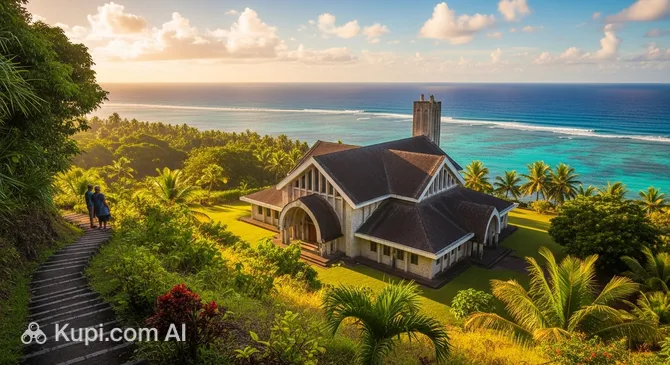
Futuna Island. Illustration.
Source: Kupi.com AI

Located in the southwestern Pacific Ocean, Futuna boasts a typical tropical marine climate, ensuring comfortably warm weather throughout the year. The island's population is approximately 3,225 people, which creates a sense of seclusion and allows for a deeper immersion into the local flavor, far from the noise of large metropolises.

The main appeal of Futuna for travelers lies in its authenticity and unique natural sites. The island is of volcanic origin, which has gifted it with picturesque volcanic landscapes, including the impressive Mount Puke (located in the kingdom of Sigave) – the highest point on the island, offering breathtaking views. The island is also famous for its unique terrain, secluded beaches ideal for a relaxing getaway, and picturesque coastal reefs that attract underwater enthusiasts. No less important is the rich local culture: ancestral traditions are carefully preserved here, manifested in dances, songs, and crafts. One of the iconic landmarks is the Basilica of Saint Peter Chanel in Poi – an important pilgrimage site.

A trip to Futuna is a chance to discover a completely different world, far from standard tourist routes. If you are looking for a place to reset, want to experience a unique culture, and enjoy the untouched beauty of nature, this amazing corner of Oceania awaits you.

You can find more interesting facts on the history of Futuna page.

Weather Overview

On Futuna, a typical tropical climate awaits you, warm and humid throughout the year. Average monthly temperatures fluctuate slightly, remaining in a comfortable range from 26.5°C to 27.6°C. Expect frequent but generally short-lived rain, especially from October to April, although precipitation is not uncommon in other months as well. The highest amount of rainfall occurs in February (about 18 mm), and the lowest in August (about 4 mm). The number of rainy days in a month varies from 19 to 28, emphasizing the humid nature of the local climate. Learn more about the climate of Futuna and choose the best time for your journey.

Interesting Facts

In addition to its picturesque landscapes and peaceful atmosphere, Futuna holds many surprising details that make it a truly unique place.

  • A Dual Kingdom: The island of Futuna actually consists of two traditional kingdoms – Sigave in the west and Alo in the east. Each kingdom is ruled by its own king (sau), and this unique system of governance, which existed before the arrival of Europeans, still plays a vital role in the lives of Futunans.

  • Patron Saint of Oceania: It was on Futuna in 1841 that Saint Peter Chanel suffered a martyr's death; he is revered as the patron saint of all Oceania. The Basilica of Saint Peter Chanel in Poi is not just a beautiful church but an important center of pilgrimage for believers from across the Pacific region.

  • A Distinct Language: Local residents speak the Futunan language (Fakafutuna), which is a separate Polynesian language and significantly different from the Wallisian (Uvean) language spoken on Wallis Island. Despite external influences, Fakafutuna remains a living language for daily communication and cultural heritage.

  • The Magic of Kava: The ceremony of consuming kava – a traditional drink made from the roots of the Piper methysticum plant – holds a central place in the social and ritual life of Futuna. Participating in such a ceremony or even just respectfully observing it allows one to deeply connect with local customs and feel the spirit of hospitality.

How to Get There

Reaching Futuna is primarily possible by air, as the island is located in a remote part of the Pacific Ocean. The town of Futuna itself does not have its own airport. The main air hub through which travelers arrive in the region is Wallis Island Airport (WLS). This airport is located in the town of Mata-Utu on Wallis Island, which is approximately 240 km from the island of Futuna. Wallis Island Airport is regional and plays a key role in the transport connection of Wallis and Futuna with the outside world.

After landing at the airport on Wallis Island, to get to Futuna, you will need to take a domestic flight or use sea transport, such as a ferry. It is recommended to check schedules and ticket availability for these modes of transport in advance, as the frequency of trips may be limited. Travel time between the islands will depend on the chosen method of transportation and weather conditions.

For convenience, here is a summary of the main airport used to reach the region:

AirportPassenger trafficDistance
Wallis Island Airport35 000240 km

Main Attractions

Futuna, despite its remoteness and compact size, offers travelers unique experiences related to both its rich culture and pristine nature. There are no noisy tourist attractions here, but there are places that touch the soul and leave deep memories.

One of the main shrines not only of Futuna but of all Oceania is the Basilica of Saint Peter Chanel in the village of Poi. This pilgrimage site is dedicated to the first and only canonized saint of Polynesia, who suffered a martyr's death on the island in 1841. The basilica attracts not only believers with its spiritual atmosphere but also history and architecture enthusiasts. Visiting this site provides an opportunity to touch an important chapter in the history of the island and the entire region.

For nature lovers and those seeking spectacular views, a hike or trip to Mount Puke is a must. As the highest point on the island (about 524 meters), this ancient volcanic peak offers stunning panoramic views of Futuna's emerald slopes, coastal reefs, and the vast expanse of the Pacific Ocean. The path to the summit can be challenging, but the reward is unforgettable scenery and a sense of unity with wild nature.

A journey to Futuna would be incomplete without visiting its traditional villages and picturesque coastline. Here, you can see how the centuries-old way of life is carefully preserved in the kingdoms of Alo and Sigave. Stroll along the coast, enjoying the beauty of secluded beaches with dark volcanic sand or white coral fragments, and observe the lives of local fishermen. Immersing yourself in the daily life of the Futunans, learning about their crafts, and perhaps participating in a kava ceremony is an invaluable experience that allows for a deeper understanding of the unique culture of this corner lost in the ocean.

Local Cuisine

The cuisine of Futuna is a true immersion into authentic Polynesian flavors, where the main roles are played by the freshest local products: gifts from the ocean, root vegetables, tropical fruits, and meat prepared using traditional methods. The island's gastronomic scene is characterized by simplicity, naturalness, and a deep connection to cultural traditions.

One of the main culinary features of Futuna is the preparation of food in an earth oven – the umu. Pork, chicken, fish, as well as main side dishes like taro, yams, cassava, and breadfruit are cooked this way. Dishes from the umu turn out incredibly tender and aromatic. Another iconic dish is poisson cru, which consists of raw fish marinated in lime juice and coconut milk, often with the addition of fresh vegetables. This refreshing and light dish is perfect for the tropical climate. Various types of seafood, caught by local fishermen, also hold a place of honor at the table – they are grilled over charcoal, boiled, or baked.

Among drinks, a special place is occupied by kava – a traditional ceremonial drink prepared from the roots of the plant of the same name. Consuming kava is an important part of social life and rituals. Among non-alcoholic beverages, fresh coconut water (niu) is widespread, drunk straight from young coconuts – it is the best way to quench thirst on a hot day. Juices from local tropical fruits are also popular.

The food culture on Futuna is closely linked to community life. Locals most often eat at home with their families, and large feasts using the umu are arranged for holidays and special occasions. For tourists, the opportunity to try local cuisine will arise in small guesthouses or during organized cultural events. There are few specialized restaurants in the European sense here; the focus is on home cooking and the freshness of products. Visiting a local market, if one is operating during your visit, can be a great way to get acquainted with the variety of local products. The gastronomic experience on Futuna is, above all, a chance to touch living traditions and enjoy the taste of natural, lovingly prepared food.

Travel Tips

Welcome to amazing Futuna! To ensure your journey to this unique island in Wallis and Futuna is as comfortable as possible and leaves only pleasant impressions, we have prepared some practical tips for you.

  1. Clothing and Essentials: A tropical climate awaits you on Futuna – warm and humid all year round. Bring light, breathable clothing made from natural fabrics (cotton, linen), as well as a light raincoat or umbrella for sudden downpours. Comfortable walking shoes, a hat, sunglasses, and high-SPF sunscreen are essential. Don't forget an adapter for electrical appliances (Type E is used in Wallis and Futuna). For visiting religious sites like the Basilica of Saint Peter Chanel, modest clothing covering shoulders and knees is required.

  2. Transport on the Island: Futuna is a small island, and there is virtually no public transport system. The main way to get around short distances is by walking. Car or scooter rental opportunities are very limited, and it's best to check this in advance with your accommodation. Taxis are also few and far between. Plan your movements with these features in mind.

  3. Finances: The local currency is the Pacific franc (CFP franc, XPF). Exchanging currency on Futuna can be difficult, so it's better to take care of this in advance, for example, on Wallis Island or before flying to the region. The use of credit cards is extremely limited; cash is your main financial tool. ATMs may be absent or very rare. Tipping culture is not as widespread as in other countries, but it will always be accepted with gratitude for good service.

  4. Health and Safety: Futuna is considered a very safe place with a low crime rate. However, standard precautions never hurt. Pharmacies on the island may only have a basic set of medications, so bring all the medicine you need with you. It is extremely important to get comprehensive medical insurance that includes coverage for possible medical evacuation, as serious assistance may require a flight to Wallis or even further. It is recommended to drink bottled water and use insect repellent.

  5. Language and Communication: The official languages are Futunan and French. English is not widely spoken, especially among the older generation and away from the few tourist sites. Learning a few basic phrases in French (e.g., \"Bonjour\" – Hello, \"Merci\" – Thank you, \"S'il vous plaît\" – Please) or even in Futunan will show respect and facilitate communication. You can try to purchase a local SIM card from the local operator SPT, but coverage and internet speed may be unstable. Wi-Fi access is generally limited and may be available in some guesthouses.

  6. Local Etiquette and Traditions: Futunans are a hospitable and friendly people who deeply respect their traditions. Greet people with a smile. Always ask permission before photographing locals. Dress modestly, especially when visiting villages and religious sites – avoid overly revealing clothing. Show respect for local customs, traditional chiefs, and the kingdoms of Alo and Sigave.

  7. What to Avoid: Try not to criticize local ways or traditions, even if they seem unusual to you. Avoid loud behavior and arguments in public places. You should not enter private property or sacred sites (tapu) without an explicit invitation or permission.

  8. Special Tip – Sunday Rest: Sunday on Futuna is a day of rest, prayer, and family time. Most shops and services will be closed. Plan this day for quiet activities: nature walks, reading, or, if the opportunity arises and you show proper respect, attending a church service to experience local spiritual life.

We hope these tips help you better prepare for your trip and enjoy every moment of your stay on hospitable Futuna. This journey promises to be truly unforgettable and will give you a unique experience of Polynesian culture!

Entertainment & Nightlife

When planning evening entertainment on Futuna, it is important to understand that this place offers a completely different experience than major tourist centers with their noisy nightlife districts. Here, the night flows at a measured and authentic pace, reflecting the island's calm lifestyle and cultural traditions. Instead of flashing club and bar signs, evenings on Futuna are an opportunity to dive deeper into the local atmosphere, enjoy the silence, or converse with the residents.

The primary focus of evening entertainment on Futuna is shifted toward informal meetings and cultural exchange. You are unlikely to find specialized nightclubs or large concert venues here. Instead, evening life may manifest in cozy gatherings at small local eateries (fale kai), where you can try local cuisine and observe the daily life of Futunans. Occasionally, traditional events with dancing and singing may take place in community centers or villages, especially on holidays. A special place in the culture is held by the kava drinking ceremony – an important social ritual that often takes place in the evening and can be a unique experience for guests of the island if given the opportunity to visit or observe it.

The atmosphere of evening Futuna is primarily one of tranquility and peace. The crowd is mostly local, and the communication style is very informal and friendly. There is no specific dress code for evening outings, but modest and respectful clothing is always welcomed, especially if you are in a village or invited as a guest. Establishments, if any (such as small cafes or shops), usually close early. Night markets are not common here.

Regarding practical tips, the best time for evening walks or gatherings is early evening. Public transport on Futuna is practically non-existent, and nighttime movement may be limited to walking. If you plan to return late, think through your route in advance. Futuna is considered a very safe place, however, it is always worth taking basic precautions, especially after dark in unfamiliar areas. Calling a taxi at night will likely be impossible, as the service here is extremely limited or non-existent.

While you won't find a list of famous nightclubs or big-name bars on Futuna like in major cities, the evening life here has its own unique charm. Instead of specialized establishments, look for the chance to spend an evening in the company of locals if invited, or in the quiet setting of your guesthouse. Some small pensions may offer dinners that transition into quiet evening conversations. This is the true "nightlife" of Futuna – sincere and far from the urban hustle.

During the day, Futuna offers other types of leisure. You can dedicate time to exploring cultural heritage, such as visiting the Basilica of Saint Peter Chanel in Poi, which is an important spiritual center. Nature lovers will appreciate the chance to explore the picturesque surroundings, climb Mount Puke for panoramic views, or simply relax on one of the secluded beaches. While there are no theaters or large amusement parks, the richness of the local culture and the beauty of nature more than compensate for their absence, offering unique experiences.

Parks & Museums

Futuna offers travelers a unique immersion into a world where nature and culture are so closely intertwined that the very concept of traditional "parks" and "museums" takes on a new meaning. Here, every corner of the island can tell its own story, and the main exhibits are living traditions and pristine landscapes.

Instead of landscaped city parks, Futuna gives its guests vast natural spaces. The majestic Mount Puke (also known as Mont Singavi), the highest point of the island, is a true natural monument. Its slopes, covered with dense tropical vegetation, challenge hiking enthusiasts, rewarding them with stunning panoramic views of the island and the endless ocean. The coast of Futuna enchants with its secluded beaches – from stretches with dark volcanic sand to those strewn with snow-white coral fragments. These wild beaches are ideal for peaceful relaxation, meditation, and observing ocean life. The volcanic terrain of the island itself, with its picturesque valleys and rocky formations, represents a huge natural park open for exploration.

As for museums and galleries in their classical sense, on Futuna they are replaced by places that preserve living history and culture. The main such site is undoubtedly the Basilica of Saint Peter Chanel in Poi. This is not only an important pilgrimage site but also a kind of cultural center dedicated to the life and legacy of the patron saint of Oceania. Visiting the basilica provides an opportunity to touch upon key moments in the island's history. The traditional villages of Futuna, with their characteristic fale houses and preserved century-old way of life, can rightfully be called "living museums." Here, you can see authentic Polynesian architecture and daily life permeated with ancient customs.

While there are no formal art galleries on the island, art is present in the daily life of Futunans. Pay attention to local crafts: skillful weaving, wood carvings, or shell work. These items, created for everyday needs or ceremonies, are genuine examples of cultural heritage. For a deeper immersion into the authentic atmosphere of Futuna, try to treat local traditions with respect. The opportunity to observe a kava preparation ceremony or simply chat with the hospitable residents of the island will give you far more impressions than a standard museum visit. The most valuable "exhibits" here are the smiles of the people and the beauty of untouched nature.

Getting Around

When planning your travel around Futuna, it's important to understand that a completely different experience awaits you here, unlike in major cities with extensive public transport systems. There is no metro, no regular bus routes, trams, trolleybuses, or typical shared taxis on the island. Futuna's transport system reflects its secluded nature and compact size, offering more authentic ways to explore the area.

The primary way to get around Futuna, especially for short distances, is walking. This is not only the most accessible but also perhaps the most enjoyable way to explore the picturesque villages and the coastline, and to enjoy the beauty of the island's nature. Given the small size of the settlements and the island itself, many interesting places are within walking distance.

As for motorized transport, options on Futuna are quite limited. There is virtually no official taxi service in the traditional sense, although you can sometimes arrange a private trip with local residents who own a car. Car or scooter rentals are also not a common service and, if available, are likely offered through your accommodation provider (guesthouse) on an informal basis. It is recommended to check for such possibilities in advance.

Due to the lack of a formal public transport system, there is no corresponding payment system on Futuna: you will not need travel tickets, transport cards, or special apps. There are also no schedules, so planning trips requires flexibility and a willingness to embrace the island's slow pace of life.

An alternative could be bicycles if you can find them for rent – this is a great way for independent exploration of the island at a comfortable pace. However, bike rental points are not guaranteed. For longer trips or excursions to remote attractions like Mount Puke, the best option would be a prior arrangement for transport, perhaps with your hotel or a local guide.

Thus, moving around Futuna is part of the unique experience of immersing yourself in local life. The absence of the hustle and bustle of public transport allows you to enjoy the peace, nature, and hospitality of this amazing corner of Oceania.

Accommodation

When planning a trip to Futuna, it is important to understand that accommodation options here differ from those in major tourist centers. The island offers a unique living experience focused on immersion in local culture and nature, rather than standard hotel service. The main type of accommodation is small guesthouses (often family-run, known as "fale" or pensions), which offer basic but cozy comfort. You most likely won't find luxury resorts or large chain hotels here; the emphasis is on authenticity and hospitality.

Since Futuna is a small island with several main villages, the choice of area to stay is not as critical as in big cities. Most guesthouses are located near the main settlements, such as Leava (the administrative center of the Sigave kingdom) or villages in the Alo kingdom. Convenience will lie in the proximity to local small shops (if any), the pier, or iconic sites like the Basilica of Saint Peter Chanel in Poi. The choice of accommodation often depends on availability and recommendations rather than the prestige of the area.

Due to the limited number of accommodation options on Futuna, it is strongly recommended to book housing in advance, especially if your trip coincides with local holidays or vacations. Opportunities for a spontaneous search for housing upon arrival may be extremely limited. The price range usually varies from budget to mid-range, reflecting the simplicity of the amenities provided. Booking accommodation is most often done through direct contact with the guesthouse owners (if you can find their contacts through Wallis and Futuna tourism information) or through a very limited number of online platforms specializing in remote destinations. Do not expect a wide selection on popular international booking sites.

Staying on Futuna is not so much about luxury as it is about a unique opportunity to touch local life, enjoy the silence, peace, and the incredible hospitality of the Futunans. Be prepared for simplicity, which is more than compensated for by the authentic experience and the beauty of the surrounding nature.

Nearby Cities

For those who want to explore the surroundings, Futuna serves as an excellent starting point for day trips to several interesting nearby locations:

One such destination, although requiring more significant time and transport costs (usually a flight or sea voyage), is Mata-Utu. This is the capital of Wallis and Futuna, located on Wallis Island, about 240 km from Futuna. A trip to Mata-Utu will allow you to get to know the administrative and cultural center of the territory, see the Uvea Royal Palace, the Cathedral, and experience an atmosphere different from the secluded life on Futuna.

CityPopulationDistance
Leava2 km
Mata Utu1 000240 km

For a shorter and more nature-oriented excursion, consider a trip to the neighboring island of Alofi. It is located very close to Futuna and is easily accessible by boat. Alofi is virtually uninhabited and famous for its pristine beaches and dense forests, making it a wonderful place for hiking, snorkeling, and enjoying untouched nature. It is the ideal option for those seeking seclusion and primal beauty.

These nearby destinations — the lively (by local standards) Mata-Utu and the serene Alofi — offer diverse experiences and allow for a deeper acquaintance with the unique world of Wallis and Futuna.

Shopping & Souvenirs

Shopping on Futuna is not a quest for brands or the latest collections, but rather an opportunity to purchase something authentic in memory of your journey to this remote corner of Wallis and Futuna. It is important to understand that Futuna is not a destination for traditional shopping; you won't find large shopping centers or designer boutiques here. Shopping opportunities are quite limited and mainly focused on essential goods and unique local products.

On Futuna, there are no distinct shopping streets or districts in the usual sense. Small shops, or magasins as they are called in French, can be found in the main settlements, such as Leava (the administrative center of the Sigave kingdom) or in other villages of the Alo and Sigave kingdoms. The assortment in such shops usually includes food, drinks, household goods, and sometimes basic souvenirs.

You will not find large shopping malls on the island of Futuna. Shopping here is of a more local and informal nature.

Organized tourist markets, like those found in large cities, are unlikely to exist on Futuna. However, you might be lucky enough to come across small informal stalls where locals sell fresh fruit, vegetables, fish, or handmade crafts. Such spontaneous points of sale may appear on certain days or for specific events, but they are not guaranteed.

If you want to bring something truly special from Futuna, look for local crafts. This could be traditional tapa cloth (made from the bark of the mulberry tree and decorated with unique patterns), woven items such as mats, baskets, or fans made from pandanus or coconut palm leaves, as well as small wooden carvings or jewelry made from shells and seeds. Buying such souvenirs is not just a memento of your trip, but also support for local artisans and their culture. It is best to look for these items directly from the craftsmen (if the opportunity arises) or in the few shops that might sell them.

Shops on Futuna usually operate during the daytime, often with a lunch break. On Sundays, most of them are typically closed, as it is a day of rest and family affairs. The primary, and often only, method of payment is cash – Pacific francs (XPF). The use of bank cards is extremely limited, and ATMs may be non-existent or very rare, so stock up on cash in advance.

The Tax-Free refund system for tourists on Futuna, given its status and the scale of trade, is most likely not provided. You should not count on a VAT refund for purchases on the island.

Nearby cities

Reached the end of the page?

That means the route is fully explored