Support

قصر الكثيري (سيئون )

About

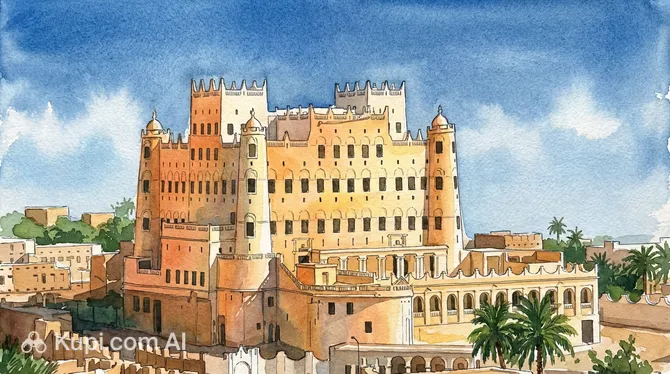
The majestic Al-Kathiri Palace (Seiyun) is more than just a building; it is a true symbol of the historical heritage of the Hadhramaut Valley. Located in the heart of the city of Saywun, this architectural monument is rightfully considered one of the most striking attractions that Yemen has to offer.

Kathiri Palace (Seiyun). Illustration.
Source: Kupi.com AI

Traveler photos:

Built in the 1920s, the palace represents an outstanding example of the region's traditional mud-brick architecture. Its dazzling white walls and impressive scale make it visible from any point in the city, emphasizing its status as the former residence of the Kathiri sultans. Today, it is a vital cultural site that introduces guests to the rich past and craftsmanship of ancient builders.

Al-Kathiri Palace harmoniously combines defensive might with palatial elegance. It is a unique place where history literally comes to life in the decorative details and the scale of its forms, turning a visit here into a fascinating journey through time.

Contacts

For more details before your visit, you can refer to the official contact information. Although the palace does not have an extensive online presence, its location is well known to every resident of the city.

How to contactContact
AddressWQWM+9P8 Al Kathiri Palace, Saywun, Йемен

What to Do

A visit to Al-Kathiri Palace (Seiyun) offers tourists a rare opportunity to touch the region's aristocratic past. You will be able to study in detail the unique architectural elements that make this structure a true masterpiece: from massive wooden doors to elegant carved windows typical of the Hadhramaut Valley.

Inside and around the palace, ideal conditions for photography have been created. The contrast of the building's snow-white walls against the bright blue sky and the reddish mountains of the valley creates stunning shots. Walking through the grounds, one can imagine how the local nobility lived in the early 20th century and appreciate the clever design that kept the interior cool even on the hottest days.

It is recommended to combine a tour of the palace with a walk through the surroundings of Saywun itself. This will allow you not only to see the city's main monument but also to observe the modern life of Yemenis, which is closely intertwined with the centuries-old traditions of this hospitable land.

Getting There

The majestic Al-Kathiri Palace (Seiyun) is located in the heart of Saywun, in the picturesque Hadhramaut Valley. To see this masterpiece with your own eyes, travelers first need to reach the eastern part of the country where the city is situated.

Getting to the palace itself within the city is easy: it is the main landmark, and its snow-white walls are visible from afar. You can use local taxis that run from the central districts or Saywun Airport. Public transport in the form of small buses is also available, with routes passing near the historical center.

For more precise route planning, it is recommended to use satellite maps, searching for the address WQWM+9P8 Al Kathiri Palace. Given the regional specifics, it is advisable to confirm current transportation methods with local guides or your hotel administration in advance.

Nearest city: Sayun

History & Facts

The history of this magnificent structure is inextricably linked with the heyday of the Kathiri Sultanate. The palace was erected in the 1920s when Saywun served as the capital of this influential state in the Hadhramaut Valley. The construction of the palace marked an era of cultural and economic growth for the region.

For many centuries, the Hadhramaut Valley served as a key trading and cultural crossroads on the Arabian Peninsula. Al-Kathiri Palace became the physical embodiment of the sultans' wealth and power, reflecting a unique blend of local building traditions and external architectural influences of the time in its appearance.

This monumental building, made of sun-dried mud bricks, is considered one of the largest of its kind in the world. It serves as a living testament to the skill of Yemeni architects who managed to transform clay and straw into a luxurious residence that remained the political center of the region for decades.

Time Needed

To leisurely explore Al-Kathiri Palace (Seiyun), appreciate its architectural details, and take memorable photos, 1–2 hours is sufficient for most visitors. This time is quite enough to get acquainted with the building's exterior and explore the accessible interior rooms.

If you also plan to stroll through the adjacent squares and peek into the nearby streets of Saywun, you should set aside about half a day for visiting this part of the city. The palace is very photogenic, so architecture photography enthusiasts might need a bit more time to catch the perfect light on its snow-white facades.

Working Hours

When planning your visit, it is important to consider the local working schedule. Al-Kathiri Palace (Seiyun) typically welcomes guests according to the following schedule:

  • Monday — Thursday: from 08:00 to 12:00
  • Saturday — Sunday: from 08:00 to 12:00
  • Friday: Closed

Since operating hours may change depending on the season or holidays, visitors are strongly encouraged to check for up-to-date information on-site or through the city's official tourism resources before setting out.

DayWorking hours
Monday08:00–12:00
Tuesday08:00–12:00
Wednesday08:00–12:00
Thursday08:00–12:00
FridayЗакрыто
Saturday08:00–12:00
Sunday08:00–12:00

Nearby

Exploring the surroundings of the palace will allow you to dive deeper into the unique atmosphere of the Hadhramaut Valley. A walk through the historical center of Saywun will reveal many hidden architectural gems and traditional markets where time seems to have stood still.

Near the Sultan's residence, there are other significant sites, from ancient forts to summer palaces, each complementing the overall picture of Yemen's rich heritage.

Reached the end of the page?

That means the route is fully explored