Support

Kalabo

About

Kalabo is a fascinating destination for those seeking off-the-beaten-path adventures in the heart of Africa. Located in the Western Province of Zambia, this small town serves as a crucial hub for travelers exploring the remote western regions near the Angolan border. With a population of approximately 7,700 residents, it offers a peaceful atmosphere and a genuine glimpse into local life along the banks of the Luanginga River.

While it may seem quiet today, the history of Kalabo is deeply intertwined with the traditions of the Lozi people and the seasonal rhythms of the floodplains. The town acts as a bridge between the developed areas and the pristine wilderness, sitting at the western end of the impressive Mongu-Kalabo Causeway, an engineering marvel that traverses the vast Barotse Floodplain.

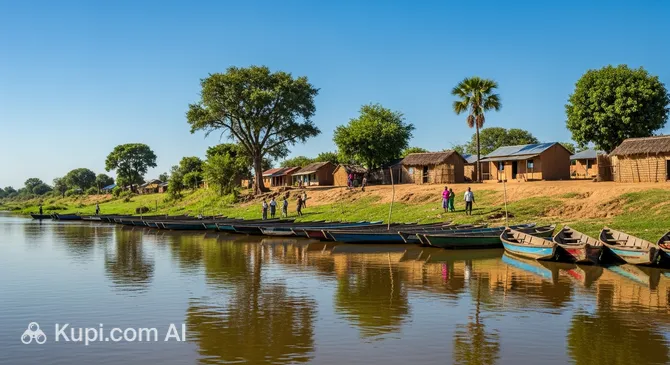
Kalabo. Source: Kupi.Binoculars

The primary draw for many visitors is the town's status as the gateway to Liuwa Plain National Park. This incredible reserve is famous for hosting the second-largest wildebeest migration in Africa, a spectacle that rivals the more crowded parks elsewhere. Beyond the safari experiences, the surrounding wetlands provide excellent opportunities for birdwatching and fishing, making the area a true paradise for nature enthusiasts.

Whether you are passing through on your way to a safari or stopping to appreciate the local culture, Kalabo offers a unique perspective on the country's diverse landscape. It is a destination that rewards the adventurous spirit with stunning sunsets, rich wildlife, and a warm welcome from the local community.

Weather Overview

Understanding the local climate is essential for planning your trip, as the region experiences distinct seasonal changes. The weather in Kalabo is generally characterized by a hot, wet season and a cooler, dry period. Expect warm summers with occasional rain and cold, dry winters.

The temperatures vary significantly throughout the year, with October being the hottest month, where average highs can reach approximately 34.6°C. In contrast, the winter months of June and July are much cooler, with average temperatures dropping to around 19°C and minimums dipping as low as 11.6°C. Rainfall is concentrated between November and April, with January experiencing up to 25 wet days, while the period from May to September remains consistently dry.

Interesting Facts

Beyond the main attractions, Kalabo holds many fascinating secrets that reveal the resilience and unique character of this remote settlement. Here are some intriguing facts about the town and its surroundings:

  • The "Island" Town: Before the completion of the modern causeway, Kalabo was effectively cut off from the rest of the country during the rainy season. For decades, the only way to reach the town during the massive Barotse floods was by boat or barge, making it one of the most isolated administrative centers in Zambia until engineering finally conquered the waters.

  • Legend of Lady Liuwa: The town is the custodian of the story of "Lady Liuwa," a solitary lioness who survived alone in the nearby plains for nine years after poaching eliminated her pride. Her resilience became a global symbol for conservation and sparked the successful reintroduction of lions to the region, a legacy still celebrated by locals today.

  • A River of Legends: Kalabo sits on the banks of the Luanginga River, a major tributary that is locally rumored to host some of the largest Tiger Fish in the province. Dedicated anglers often prefer its quiet, pristine waters over the busier sections of the Zambezi River for a more authentic fishing challenge.

How to Get There

Reaching Kalabo is an adventure that rewards travelers with scenic views of Western Zambia's unique landscapes. The town is connected to the rest of the country primarily by the impressive Mongu-Kalabo Causeway, an engineering marvel that stretches across the Barotse Floodplain. This road has transformed access to the region, allowing for a smooth drive from the provincial capital, Mongu, located approximately 70 kilometers to the east.

The city of Kalabo does not have a commercial airport for scheduled flights. Most international visitors fly into Kenneth Kaunda International Airport (LUN) in Lusaka or Harry Mwanga Nkumbula International Airport (LVI) in Livingstone. From these major gateways, the journey typically continues by road or via a domestic charter flight. Charter planes can land directly at the local airstrip in Kalabo, which is a popular choice for tourists heading to the nearby Liuwa Plain National Park.

For those preferring public transport, regular buses and shared taxis operate between Mongu and Kalabo, offering an affordable way to cross the floodplain. Please note that there is no railway station in Kalabo or the surrounding Western Province, so trains are not a viable option for this specific leg of your trip. You can find more about how to get to Kalabo and plan your route in detail on our dedicated page.

Main Attractions

The undisputed highlight of the region is Liuwa Plain National Park, a vast and remote wilderness that offers one of the most exclusive safari experiences in Africa. Located just a short journey north of the town, this park is celebrated for hosting the second-largest wildebeest migration on the continent, a dramatic spectacle that takes place annually with the arrival of the rains. Visitors are often captivated by the park's legendary predator population, including lions, cheetahs, and hyenas, which roam the golden grasslands in a setting that feels completely untouched by the modern world.

For those interested in the rich cultural heritage of the Lozi people, the Libonda Royal Palace stands as a significant landmark. As the seat of the Senior Chieftainess (Mboanjikana), who is the sister of the King (Litunga), this site holds immense traditional importance within the Barotseland kingdom. While access to the inner palace grounds is restricted to respect local customs, the surrounding area provides a fascinating insight into the intricate hierarchy and history of the region, particularly during traditional festivals.

The majestic Luanginga River flows gracefully past the town, acting as both a lifeline for the local community and a playground for nature lovers. It is a prime spot for fishing enthusiasts, particularly those hoping to catch the fierce Tiger Fish or the delicious bream that inhabit its waters. A boat cruise along the river offers a peaceful way to observe daily life on the banks, spot diverse waterbirds, and enjoy the stunning, fiery sunsets that Western Zambia is famous for.

Encompassing the town and its surroundings is the breathtaking Barotse Floodplain, a candidate for UNESCO World Heritage status. This immense wetland transforms dramatically with the seasons, turning from a dry, sandy plain into a shimmering water world during the floods. Exploring the floodplain by traditional dugout canoe (mokoro) allows tourists to glide silently through the reeds and water lilies, offering a unique perspective on this aquatic landscape that has shaped the local way of life for centuries.

Local Cuisine

The culinary scene in Kalabo is a direct reflection of its location along the Luanginga River and the traditions of the local Lozi people. The food here is hearty, unpretentious, and deeply connected to the natural rhythms of the Barotse Floodplain. For visitors, dining in this remote town offers a "river-to-plate" experience where freshness is paramount, and meals are often shared in a warm, communal atmosphere.

Given the abundance of water surrounding the town, it comes as no surprise that fish is the star of the local diet. You should definitely try fresh bream (tilapia), which is typically fried, grilled over an open fire, or stewed with tomatoes and onions. This is almost always served with nshima, the thick white maize porridge that serves as the staple carbohydrate across Zambia. Another regional specialty to look out for is mabisi, a creamy, fermented sour milk that is often eaten with nshima or boiled millet, offering a unique tangy flavor that is beloved in the Western Province.

When it comes to beverages, the local culture offers some refreshing options to beat the heat. Munkoyo is a traditional non-alcoholic drink made from maize meal and the roots of the Munkoyo tree; it has a distinct, slightly earthy taste and is a favorite at social gatherings. You might also encounter Maheu, a commercially available but culturally ingrained energy drink made from maize. For those interested in local social customs, opaque sorghum or maize beer is widely consumed, though it is an acquired taste for many travelers.

The food culture in Kalabo centers around the bustling local markets rather than formal dining establishments. While you won't find high-end restaurants here, small local eateries known as "tearooms" serve generous portions of home-cooked meals at very affordable prices. The market is also the best place to sample street food snacks like vitumbuwa (sweet fried dough balls) or roasted maize, providing a genuine taste of daily life in this riverside community.

Travel Tips

Visiting Kalabo offers a raw and beautiful slice of life in the Western Province, but its remote location requires a bit of extra planning compared to the more commercialized tourist hubs. To help you navigate the unique challenges of the floodplain region and make the most of your adventure, here are some essential practical tips.

  1. Clothing and Gear: Since the weather can be sweltering during the day and surprisingly cool at night, especially in winter (June–July), layering is key. Bring lightweight, breathable fabrics in neutral colors (khaki, beige) if you plan to visit Liuwa Plain National Park, as bright colors can disturb wildlife. A sturdy pair of walking shoes is essential, and don't forget a hat, high-SPF sunscreen, and a universal power adapter (Type G) for your electronics.

  2. Transportation: While the Mongu-Kalabo Causeway makes reaching the town easier, getting around the sandy terrain beyond the main road often requires a 4x4 vehicle. Within the town, you can find local shared taxis, but there are no ride-hailing apps. If you are self-driving into the national park or surrounding villages, ensure you have a vehicle equipped for deep sand and carry recovery gear.

  3. Finances: Zambia operates on the Zambian Kwacha (ZMW), and cash is absolute king in Kalabo. While there may be an ATM in town, it can be unreliable or out of cash; it is highly advisable to withdraw sufficient funds in the larger town of Mongu before crossing the causeway. Credit cards are rarely accepted outside of high-end safari lodges, so keep small denominations handy for markets and local purchases.

  4. Health and Safety: This region is a malaria zone, so taking prophylaxis and carrying strong insect repellent is non-negotiable. Medical facilities in Kalabo are basic, so bring a comprehensive personal first-aid kit containing prescription meds, painkillers, and rehydration salts. Always drink bottled or purified water, as tap water may not be safe for visitors to consume.

  5. Communication: English is the official language and is widely understood, but the local language, Lozi, is the heart of the community. A warm greeting of "Mulumela" (Hello) will be met with smiles. You might hear locals refer to you as "Mukuwa" (the Lozi term for a visitor or white person) or the more universally used "Muzungu". To show extra politeness, add the respectful term "Mwani" to your greetings or responses.

  6. Local Etiquette: The Lozi people are known for their politeness and respect for hierarchy. Always greet people before asking a question or starting a conversation; skipping the greeting is considered rude. When receiving something, it is polite to use your right hand or cup both hands together as a sign of gratitude.

  7. What to Avoid: Do not swim in the Luanginga River or nearby lagoons unless explicitly told it is safe by a local guide. These waters are home to crocodiles and hippos, which pose a significant danger to unwary swimmers. Additionally, avoid taking photos of government buildings or police officers, as this is strictly prohibited.

  8. Supply Run Tip: Since shops in Kalabo have limited stock, treat Mongu as your last major stop for supplies. If you have specific dietary requirements, need camping gas, or want specific luxury items, buy them there before heading west across the floodplain.

With these preparations in mind, you are ready to embrace the tranquility and wild beauty of Kalabo without any unnecessary stress. Respecting the local customs and coming prepared for the remote environment will ensure your trip is both safe and deeply rewarding.

Entertainment & Nightlife

Entertainment in Kalabo is defined by the town's remote charm and deep connection to the surrounding wilderness. You will not find neon-lit nightclubs, thumping discos, or bustling party districts here. Instead, the "nightlife" revolves around quiet social gatherings, enjoying a cold drink after a dusty day of travel, and marveling at the incredibly clear, starry skies that blanket the Western Province. The atmosphere is laid-back and communal, offering a chance to slow down and connect with the friendly local residents.

For an evening out, the social scene is concentrated within the town's local guest houses and small eateries known as "tearooms." Kambole Guest House is a welcoming spot known for its friendly hospitality, serving as a social hub where you can experience a slice of authentic local life. It is a great place to enjoy traditional Zambian dishes and engage in lively conversation with hosts who are eager to share stories about the region. Many travelers also find that the most memorable evenings are spent simply sitting around a fire at their accommodation, swapping tales with fellow adventurers.

If you are looking for a more rustic experience, the area near the harbor offers a glimpse into the town's daily rhythm. Manel Restaurant is a well-known local fixture that functions as a mix between a general store and a casual eatery. It provides simple refreshments and a vantage point to watch the activity along the Luanginga River as the sun goes down. These venues are typically open until around 22:00, and the dress code is entirely casual and practical. Expect a soundtrack of local Zambian music or Afro-pop playing from portable speakers rather than live DJ sets.

Practicality is key when planning your evening. Most places do not accept credit cards, so always carry sufficient cash (Zambian Kwacha) in small denominations. The town is safe, but street lighting is minimal to non-existent away from the main road. It is essential to carry a torch or headlamp if you are walking back to your accommodation. While walking is common, you can also arrange for a local taxi if you prefer not to navigate the sandy paths in the dark.

During the day, entertainment shifts entirely to the outdoors. The town serves as the staging ground for expeditions into Liuwa Plain National Park or fishing trips on the river. For a touch of culture, a visit to the local market or the grounds near the Libonda Royal Palace offers insight into the rich heritage of the Lozi people before you settle in for a peaceful evening.

Parks & Museums

While Kalabo may not boast the manicured city gardens or grand national museums found in larger metropolises, its offerings are far more profound: vast, untouched wildernesses and a living cultural heritage that permeates daily life. The town serves as a gateway to some of Zambia's most spectacular natural landscapes, where the boundaries between human settlement and the wild are beautifully blurred.

Liuwa Plain National Park is undoubtedly the region's most significant natural area, effectively functioning as a massive, unfenced nature reserve right on the town's doorstep. Unlike typical parks with paved paths and fences, this is a raw, golden grassland that stretches to the horizon, dotted with islands of trees and pans. It is a place of immense tranquility where visitors can witness the dramatic seasonal changes of the landscape, from dusty plains to lush, water-filled wonderlands. The park is not just for game viewing; it is a sanctuary for flora and a protected habitat that showcases the delicate balance of the Western Province's ecosystem.

The Barotse Floodplain itself acts as a colossal natural water park during the rainy season. Designated as a Ramsar wetland of international importance, this area transforms into a breathtaking aquatic landscape where the "green space" becomes a "blue space." It is a paradise for birdwatchers and nature lovers who can explore the channels by boat, observing how the environment shapes the local flora and fauna. The floodplain is a UNESCO World Heritage candidate, recognized for its unique interplay between nature and the Lozi people's cultural landscape.

In terms of cultural preservation, Kalabo does not rely on glass display cases but rather on active traditions. The Libonda Royal Palace serves as the cultural heartbeat of the town. While it is not a museum in the traditional sense, it acts as the custodian of the region's history and the seat of the Senior Chieftainess of the Lozi people. The architecture and the surrounding grounds are steeped in tradition, and during the Kuomboka-Kufuluhela ceremonies, the site becomes a vibrant exhibition of royal pageantry, traditional dress, and ancient music, offering a far more immersive experience than any static gallery could provide.

For those seeking information and educational context, the African Parks Visitor Centre (associated with Liuwa Plain) is a key resource. Located at the park's headquarters, it serves as an interpretive hub where tourists can learn about the conservation history of the area, the legendary story of "Lady Liuwa," and the community partnerships that sustain the park. It provides a modern narrative of conservation that complements the deep traditional history found at the royal establishments.

For a truly authentic experience, take a walk along the Luanginga River banks in the late afternoon. This area functions as an informal public park where locals gather, children play, and fishermen bring in their daily catch. It offers an unfiltered look at the riverine culture of Kalabo, where the river is revered not just as a resource, but as a central part of the community's identity.

Getting Around

Navigating Kalabo is a straightforward and rustic experience, reflecting the town's small size and remote location in the Western Province. Unlike major cities with complex networks of metros, trams, or municipal buses, the public transport system here is informal and decentralized. For most visitors, the town is compact enough to explore on foot, which is the primary mode of movement for local residents within the central area.

The most common form of motorized public transport is the shared taxi or minibus. These vehicles typically congregate at designated spots near the central market or the main road leading to the Mongu-Kalabo Causeway. They do not operate on fixed schedules; instead, they follow the "fill-up-and-go" principle, departing only when every seat is occupied. These minibuses are the lifeline connecting Kalabo to the provincial capital, Mongu, and other nearby settlements.

Given the town's geography along the Luanginga River and the Barotse Floodplain, water transport is a vital part of the local "commute," especially during the rainy season. Traditional dugout canoes, known locally as makoro, and small fiberglass boats serve as water taxis for crossing the river or reaching villages inaccessible by road. This is a unique feature of transport in the region, offering a scenic, albeit slower, alternative to road travel.

The payment system in Kalabo is entirely cash-based. There are no travel passes, smart cards, or mobile apps for buying tickets. You simply pay the driver or boat operator directly in Zambian Kwacha (ZMW). It is essential to carry small denominations, as drivers often struggle to find change for large notes. Fares are generally fixed for standard routes, such as the trip to Mongu, but prices for private taxi hires or boat crossings can be negotiable.

For tourists, the best advice is to plan for a slower pace of travel. Transport operating hours are dictated by demand and daylight; vehicles are plentiful in the early morning but become scarce after sunset. If you need to travel to Mongu, try to get to the departure point early in the day. Always confirm the destination and the price before boarding a vehicle or stepping into a boat to avoid misunderstandings later.

Alternatives to public transport are limited but practical. Walking is the most reliable way to get around the town itself, allowing you to soak in the atmosphere at your own pace. There are no formal car-sharing services, bike rental stations, or ride-hailing apps like Uber. However, you can often arrange a private hire with a local taxi driver for the day if you require more flexibility, though you should agree on a daily rate in advance.

Accommodation

Accommodation options in Kalabo are reflective of its status as a remote administrative center and a gateway to the wilderness. Visitors should not expect the wide variety of international hotel chains found in Lusaka or Livingstone. Instead, the town offers a modest selection of local guest houses and lodges that provide basic but comfortable amenities. These establishments are generally small, family-run businesses that offer a warm, personal welcome and a genuine connection to the local community.

For the majority of travelers staying within the town itself, the most convenient area is near the central business district and the market. Staying here places you within walking distance of the bus station and essential shops. Alternatively, there are a few options located closer to the Luanginga River, which offer more scenic views and a quieter atmosphere, perfect for relaxing after a long journey across the Mongu-Kalabo Causeway.

If your primary reason for visiting is the Liuwa Plain National Park, the accommodation landscape shifts dramatically. While the town provides budget-friendly stopovers, the park itself (located just north of the town) is home to exclusive, high-end safari camps. These luxury lodges offer all-inclusive experiences with guided game drives and premium service, standing in stark contrast to the simple "bed and breakfast" style facilities found in Kalabo town.

Booking Tip: The digital footprint for accommodation in Kalabo is quite small. Most local guest houses do not appear on major international booking platforms. It is highly recommended to book in advance by finding phone numbers and calling directly, especially if you are visiting during the Kuomboka ceremony or the wildebeest migration season (November), when rooms fill up quickly.

In terms of pricing, the town caters primarily to a budget and mid-range clientele. Prices are generally very affordable compared to other tourist hubs in Zambia. Payment is almost exclusively in cash (Zambian Kwacha), so ensure you withdraw sufficient funds in Mongu before arriving, as card machines are rare and ATMs in Kalabo can be unreliable.

Nearby Cities

For those looking to explore the surroundings, Kalabo serves as an excellent base for day trips to several interesting nearby locations:

The most practical and popular destination for a day trip is Mongu, the provincial capital of Western Zambia. Located just a scenic drive away across the engineering marvel of the Mongu-Kalabo Causeway, this city sits atop an escarpment offering breathtaking panoramic views of the Barotse Floodplain. Visitors can explore the bustling harbor, visit the Nayuma Museum to learn about the rich heritage of the Lozi people, or simply enjoy the conveniences of a larger urban center before returning to the tranquility of Kalabo.

While not a city in the modern sense, the traditional settlement of Lealui, located near Mongu, is a culturally significant site worth visiting. As the dry-season capital of the Litunga (the Lozi King), it is steeped in history and tradition. A visit here provides a unique opportunity to see the royal court's architecture and understand the deep connection between the local people and the seasonal floods that define the region.

City Population Distance (km)
Lusaka 2,467,563 603
Kitwe 504,194 645
Kafue 219,000 597
Mazabuka 203,219 554
Mongu 179,585 59

These nearby destinations offer a glimpse into the diverse culture and landscapes of the region.

Shopping & Souvenirs

Shopping

Shopping in Kalabo is a strictly utilitarian and authentic experience, reflecting the town's remote location in the Western Province. Visitors should not expect high-end boutiques, fashion chains, or extensive retail therapy options. Instead, the shopping scene is centered on basic necessities, food supplies, and goods that serve the local community. For tourists, this is the place to stock up on essentials before heading into the wilderness or to browse for simple, locally made items that offer a glimpse into the daily life of the Lozi people.

The commercial activity is concentrated along the main road that runs through the center of town. This strip serves as the "High Street" of Kalabo, lined with small general dealers, hardware stores, and independent grocery shops. Here, you can find everything from camping supplies and canned food to colorful textiles. It is a compact area that is easily explorable on foot, allowing you to find what you need without navigating complex districts.

There are no shopping malls in Kalabo. The retail infrastructure consists entirely of standalone shops and trading posts. If you are looking for a modern shopping complex with supermarkets and branded clothing stores, you will need to visit the provincial capital, Mongu, before crossing the causeway. In Kalabo, the "supermarkets" are small, family-run businesses that stock a limited range of dry goods and beverages.

The heartbeat of the local economy is undoubtedly the Kalabo Market. This bustling open-air hub is where the town comes alive, offering the freshest produce from the surrounding floodplains. It is the best place to buy seasonal fruits, vegetables, and, most notably, fresh fish caught in the Luanginga River. The market is also a great spot to find Chitenge, the colorful patterned fabric worn by Zambian women, which can be purchased by the meter and makes for a versatile gift or keepsake.

When it comes to souvenirs, Kalabo offers modest but meaningful options. The Western Province is renowned for its basketry, particularly those made by the Mbunda and Lozi people using Makenge tree roots. These baskets are durable, intricately woven, and often feature natural dyes. You may also find simple wood carvings or reed mats. These items are typically sold directly by artisans in the market or at small stalls near the harbor, ensuring your money goes directly to the local community.

Opening hours are generally consistent with daylight. Most shops and market stalls open around 08:00 and close by 17:00 or 18:00. On Sundays, activity slows down significantly, with many businesses closing early or not opening at all. Payment is almost exclusively in cash (Zambian Kwacha). Credit cards are virtually useless in local shops and markets, so it is crucial to carry enough small notes to cover your purchases.

Zambia does have a tax refund system for tourists, but it is not applicable to the type of shopping you will do in Kalabo. The scheme generally applies to large purchases made at registered retailers in major cities like Lusaka or Livingstone. In Kalabo, receipts are often handwritten or informal, and the goods sold do not typically qualify for VAT refunds at the airport.
Reached the end of the page?

That means the route is fully explored