6 Myths About Flight Delays Due to Bad Weather
Tens of thousands of passengers face flight delays every year. Naturally, this topic couldn’t escape bloggers and journalists, and the internet became flooded with “helpful” advice. Today, we will debunk several popular myths.
Myth 1. To avoid flight delays due to bad weather, travel early in the day.
For some reason, it’s believed that weather primarily deteriorates towards evening. If we’re talking about thunderstorms or hurricane-force winds, that’s often the case. But in our climate, these are not very frequent occurrences, whereas fog, on the contrary, is very common.
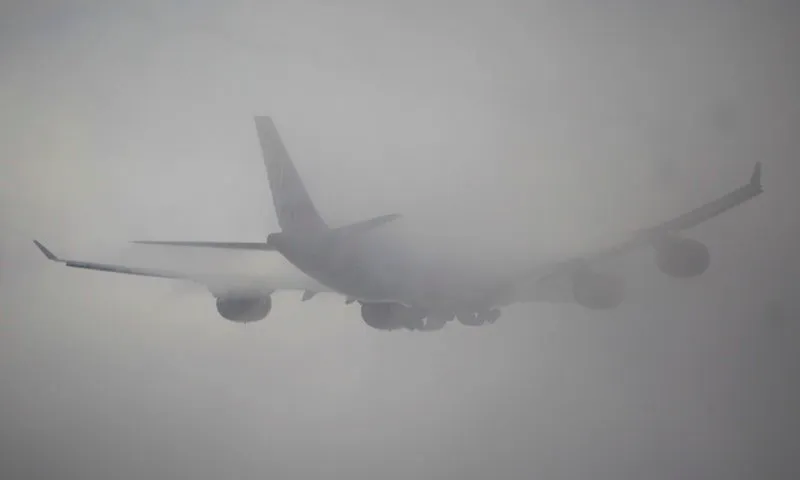
It is precisely because of fog that flights are most often canceled and delayed in many regions. And when does fog descend upon the ground? That’s right, in the morning.
Myth 2. To avoid flight delays, check the weather forecast in advance.
We’ll disappoint you here too. Knowing the weather forecast won’t give you anything. You’re not an air traffic controller or a pilot to know if the wind/rain/fog is strong enough to cause a flight cancellation or delay. What to do if you suspect your flight will be delayed or canceled due to bad weather? There’s only one answer here — call the airline. Only they can give you correct instructions and official information.
Myth 3. Call the airport before departure, and if the flight is delayed, wait at home.
From the same series. The advice is good in principle, in case the flight is canceled altogether. But if it’s delayed, you’ll still have to go to the airport. A departure delay is just a departure delay; check-in still closes at the original time, i.e., 40 minutes before the initial departure. And if, upon learning of a delay, you decided to spend an extra hour at home, you might miss your flight upon arriving at the airport because check-in will already be closed.
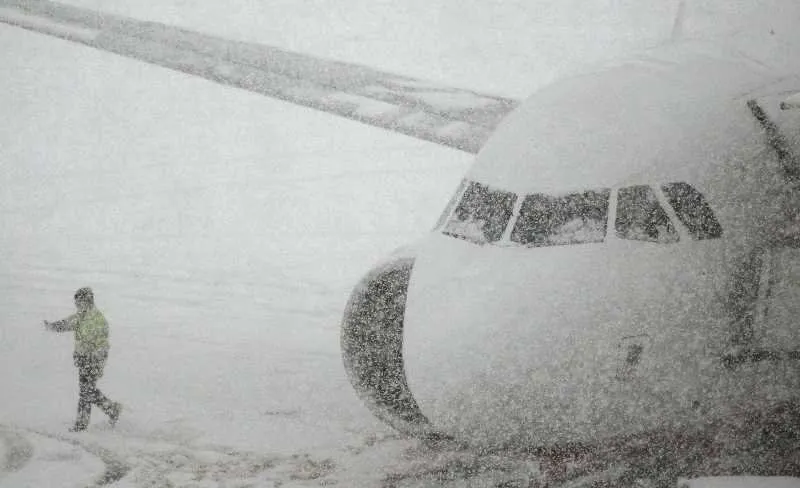
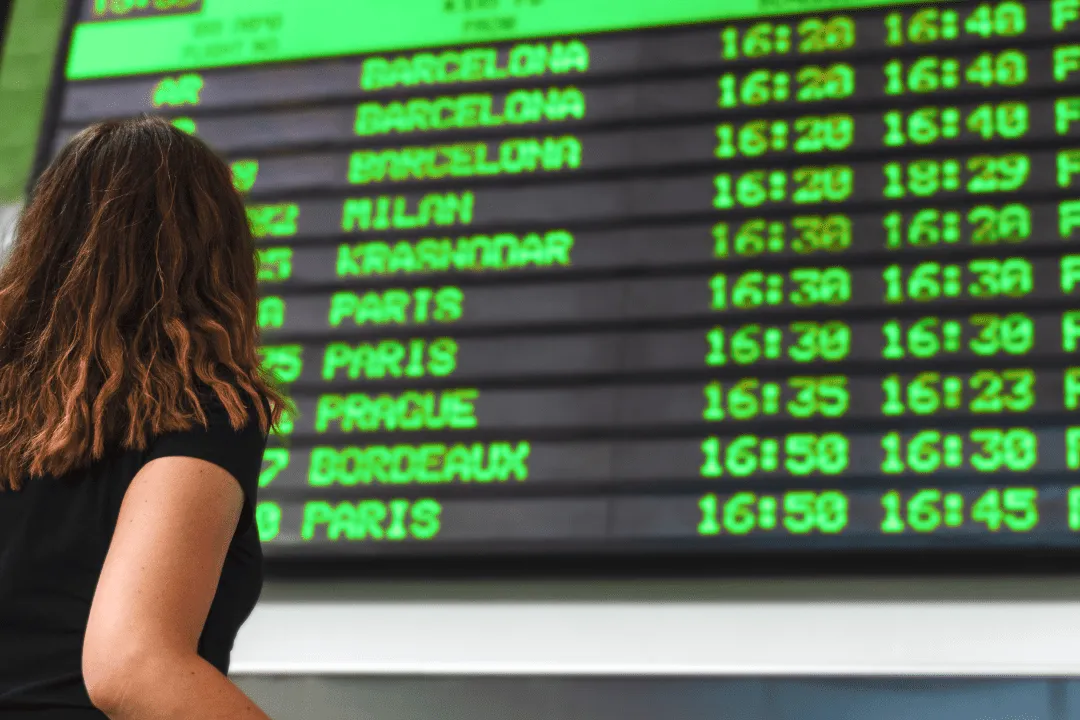
If the airport’s online board persistently states that your flight will be delayed, and you haven’t left home yet, be sure to call the airline and clarify the official information with them, most importantly — will the passenger check-in times change due to the flight delay? Don’t forget that on popular routes you might encounter overbooking, so it’s not advisable to arrive just as check-in is closing.
Myth 4. Choose larger aircraft.
This statement is based on the fact that larger planes experience less turbulence during the flight. Unfortunately, the size of the aircraft does not affect its ability to take off in fog. Furthermore, the size and capacity of the aircraft do not depend on the airline, and it’s unlikely you’ll be able to choose a larger plane. The decisive factor here is the flight duration. An Airbus A380 will never be used for a short regional route, nor a Boeing 737 for a long-haul transoceanic flight.
Myth 5. You can rebook your flight ticket and fly with another airline.
Firstly, flying with another airline is not rebooking a ticket, but rather returning the old one and buying a new one. Also, keep in mind that tickets can only be returned with penalties, and some tickets are non-refundable altogether. And you won’t get your money back instantly. Secondly, if the plane is delayed due to bad weather at the departure point, no matter which airline it belongs to, you won’t fly. It’s a different matter when the bad weather is in the arrival city, and you can fly to Nice instead of Barcelona:)
Myth 6. In case of a flight delay due to bad weather, you need to write a complaint to the airline.
I’m afraid that the weather won’t change at all due to the number of complaints:) You can only complain to the airline if it fails to fulfill its obligations in connection with a flight cancellation or delay. But in any case, you shouldn’t count on moral compensation. Bad weather is considered a force majeure circumstance that neither the airline nor the airport can influence.