Gdańsk – a sea of opportunities and more
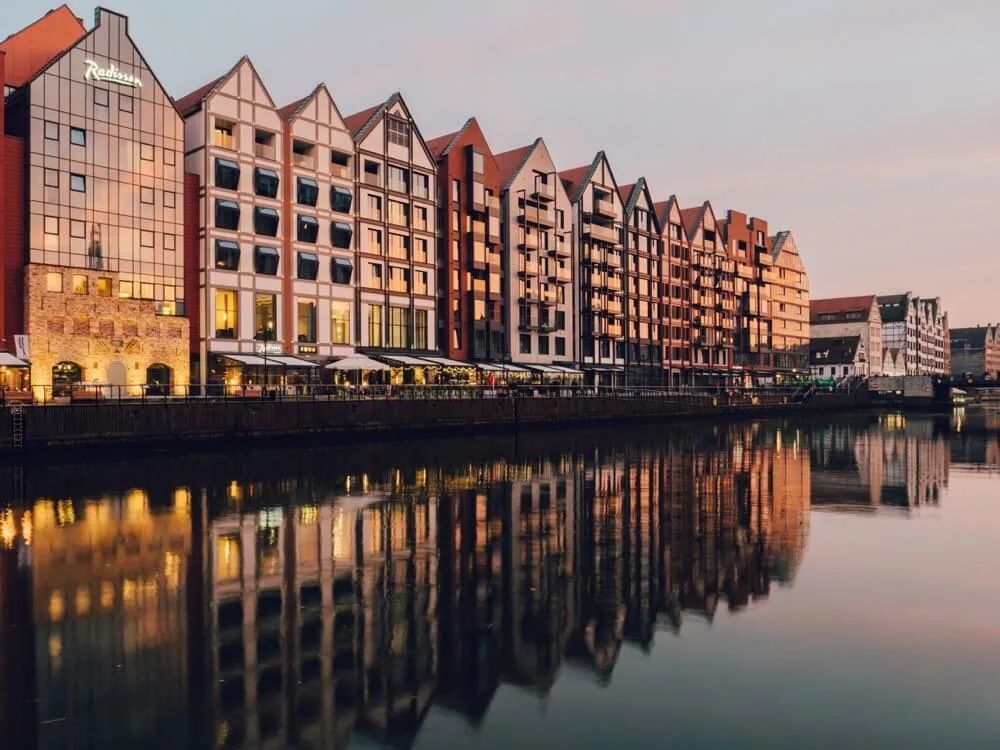
Poland is not only about the Tatras and extraordinary nature, but also cozy, beautiful cities. Warsaw is already popular, but Gdańsk is a true maritime gem.
How to get there
Since Gdańsk is the largest Polish port, in addition to land and air, the city can also be reached by sea. However, ferries run from the Swedish city of Nynäshamn. If you are traveling by air, the arrival point is Lech Wałęsa Airport. From there, you can reach the city center by buses No. 210 and No. 110 (the latter goes to the railway station). You can also get from the airport to the city by train — Gdańsk Port Lotniczy–Gdańsk Główny, the journey takes about half an hour.
Transport
Trams and buses run around the city, a trip will cost approximately 1 euro. But there are a few nuances. A trip to Gdańsk should not be limited to it alone, as Gdynia and Sopot are also nearby. There is a solution that allows you to travel freely not only within each of these cities but also between them by electric train. This is the MZKZG 24-hour or 72-hour ticket, which can also be used to travel to the airport.
We found you a special map that will help you understand public transport and get to your desired location. You enter points A and B, and choose how to get there. Convenient. They even have an app.
What to see
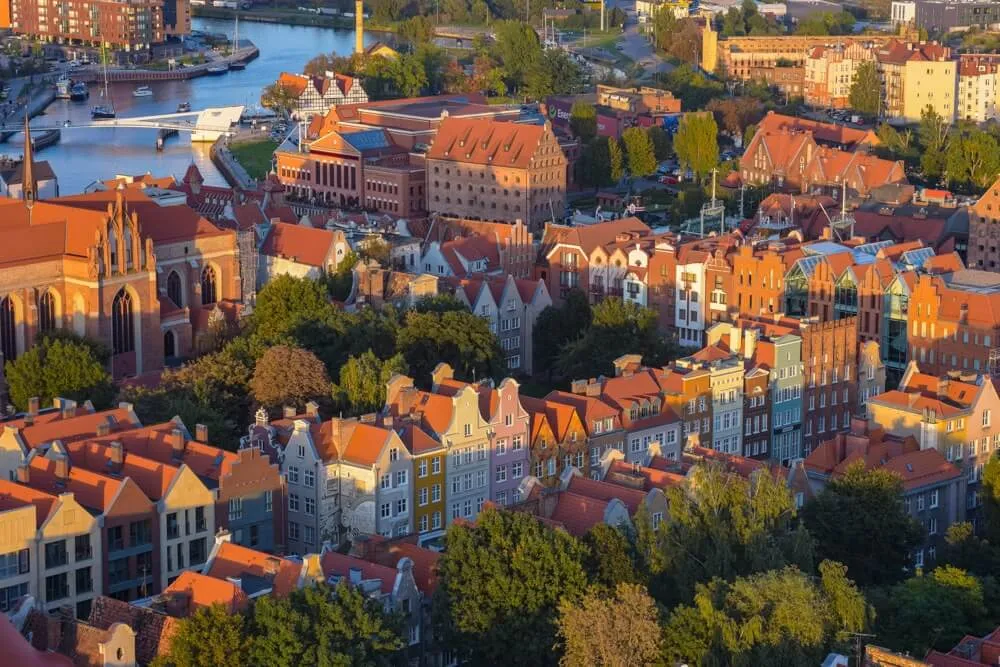
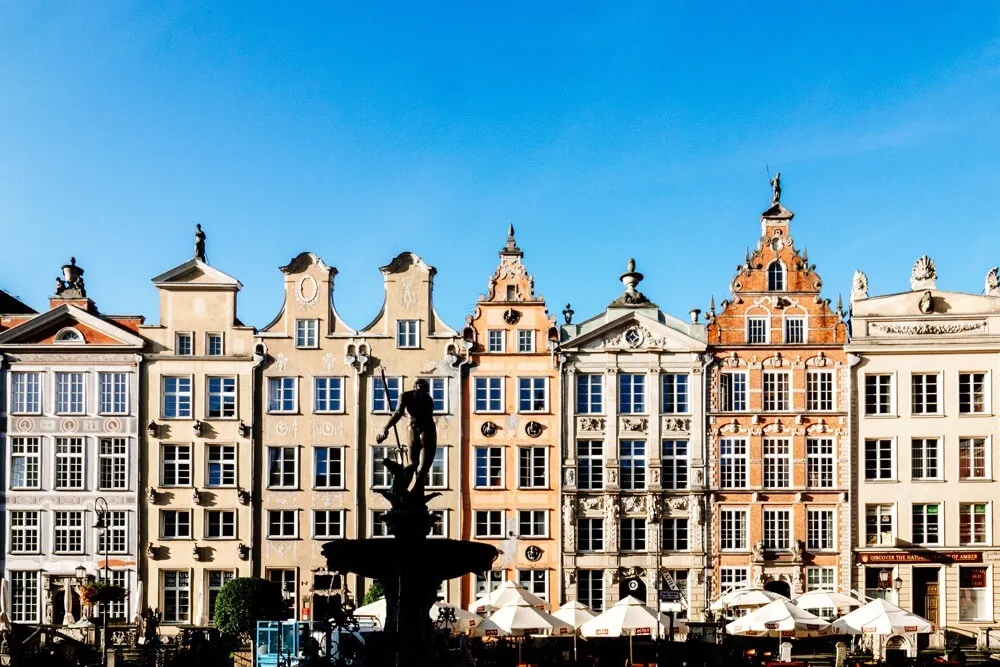
As in any European city, Gdańsk has an Old Town (Stare Miasto). Although it was heavily damaged during World War II, it was later rebuilt. The Old Town is home to many architectural monuments: the Town Hall, City Museum, Maritime Museum, Green Gate, St. Mary’s Church, Artus Court, and the Royal Chapel. We recommend taking a leisurely stroll along Long Street (ulica Dluga). It has many cafes and shops and leads directly to the embankment.
If you think the views resemble Amsterdam, you’re not wrong. Gdańsk is sometimes called “Northern Amsterdam”.
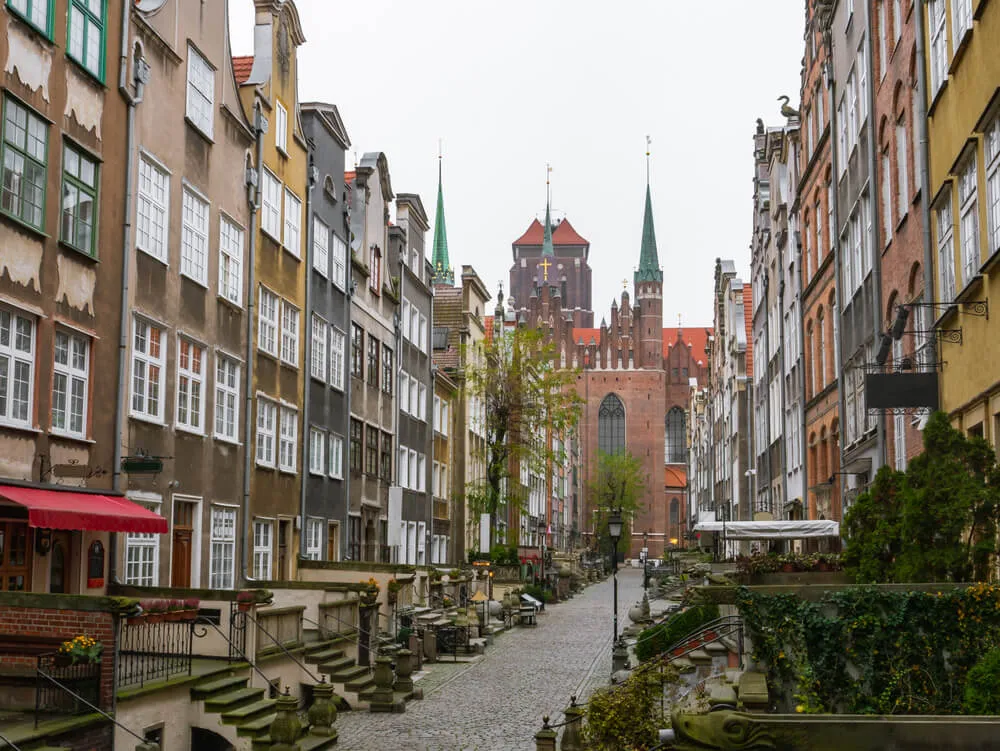
There is another street where it’s worth taking a stroll in a beautiful outfit and having a photoshoot: Mariacka Street. The street is short and also strongly resembles Amsterdam. At one end of the street is the embankment, at the other, St. Mary’s Basilica. Be sure to go inside; on sunny days, the stained glass windows glow with incredible colors, and there’s an observation deck at the top.
For a peaceful retreat away from the stone streets, Park Oliwa is suitable, with the Abbots’ Palace nearby. However, the park is closer to Sopot, and 9 km from Gdańsk. But if you have a combined ticket, there will be no transport issues.
And if you want to visit a trendy spot, check out the Gdańsk Shipyard (Stocznia) area. Street food, clusters, fairs and markets, exhibitions and small shops, mini-bars, and nightlife — it’s all here.
The Sea
Since Gdańsk is the main Polish port, you absolutely must go to the sea! Yes, the Baltic Sea is not the warmest — even in summer, swimming in it can be uncomfortable. But you can enjoy the sea without even getting in. And there’s a beach stretching from Gdańsk’s new port all the way to Gdynia, meaning if you wish, you can walk from one city to the other along it.
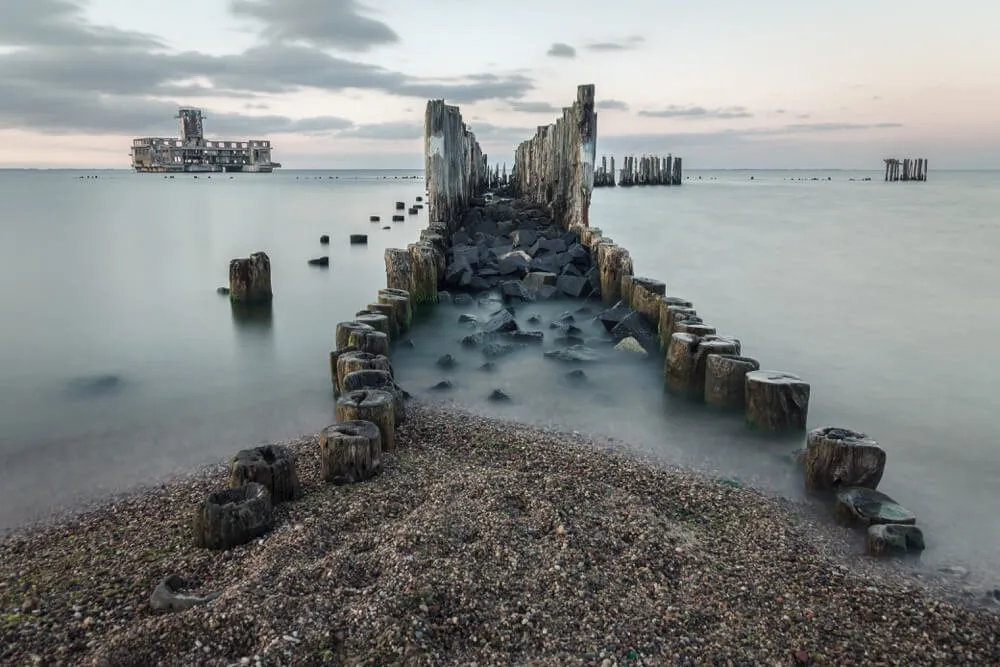
Sopot and Gdynia are much closer to the sea than the center of Gdańsk, so we recommend including these two cities in your trip. It’s no coincidence that this small urban agglomeration is called Tricity (Trójmiasto). Simply put, all three of these cities combine into one large area, so limiting yourself to just one is simply unacceptable. Especially since your travel pass will help you visit everywhere without any problems.
Around Gdańsk
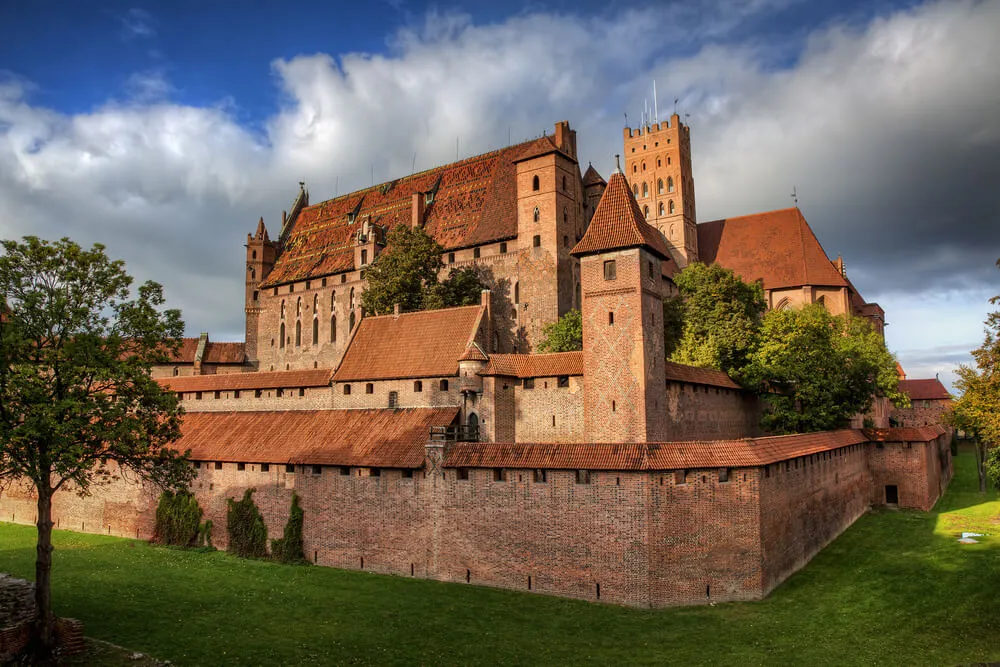
If you’ve already explored the sea and the city center, head to the surroundings, as there are many incredibly beautiful places hidden there. For example, the largest Gothic fortress in Europe — Marienburg in Malbork. It is located only 50 km from the city, and the beauty of the settlement is known even in Germany.
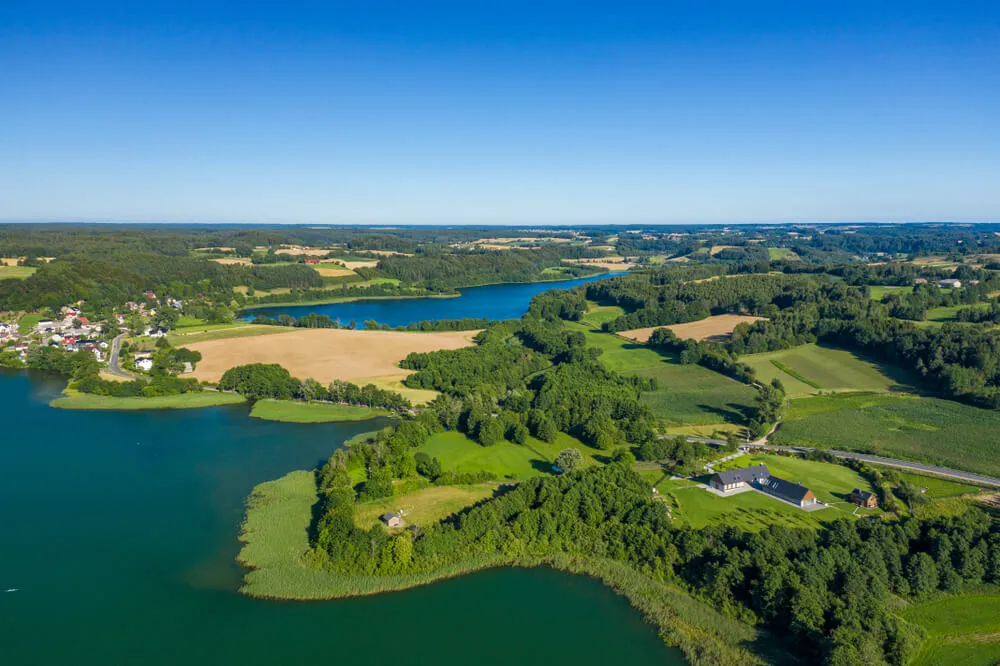
A little closer to the city are Kashubia (Kaszuby) — a local valley of lakes, forests, and hills. Its beauty is practically indistinguishable from alpine meadows; fresh air and a feeling of complete freedom are guaranteed.
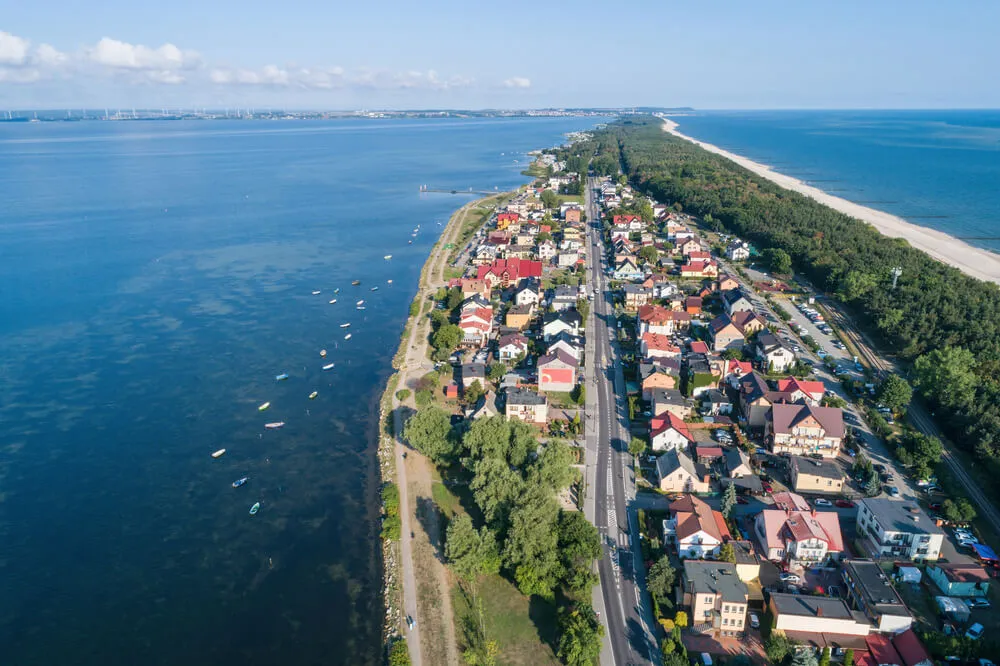
Be sure to visit the Hel Peninsula. It has several towns: Jastarnia, Jurata, Chałupy, and Hel, with the sea on both sides.
As you can see, there are so many places that a standard two-week vacation can offer a variety of locations, sights, and experiences. To see everything, you can rent a car, but the transport system is so well developed that you can reach the most beautiful places even without a car.