How to attract sponsors and press to your project
This is the second part of an interview with Sergey Severin, head of the PLAN X expedition team. In the first part we talked about the inner workings of the project: where to get ideas for an expedition and how to bring them to life. Now let's talk about how not to spend a fortune on such a trip. It's simple — you need to find a sponsor and attract the press.
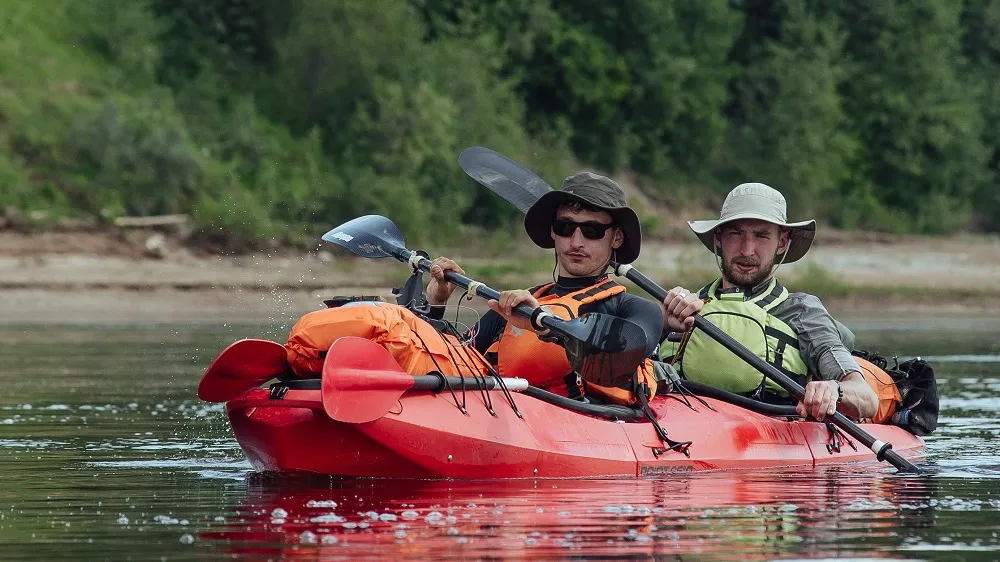
Tell us about sponsors. How do they usually help — do they provide equipment and gear, or are there also examples of financial assistance? Do sponsors see a return from collaborating with you, and how does media support help? In the first project «Baikal Ice» we tested working with the media, and we found brands through acquaintances. We mentioned that we were going on a certain trip, and the guys provided us with clothes — they needed photos of the equipment samples in action. Things were more complicated with the press. Back then, we published daily diaries. Imagine, every day you cycle 80-100 km through the snow, and in the evening, in the cold, with frozen hands, you type out an article on a tablet. We started actively working with sponsors in last year's expedition «Half the Country Under Sail». We had about 10 companies that helped us. The most prominent brand here, of course, is «Gazprom Neft», which became the general partner of this project and greatly assisted with organization and press. With potential partners, we operate on this scheme. We come and ask: «Guys, what are your business needs?» Sometimes, even serious companies have a feedback problem: the product goes to the client, but no one knows how it's used. The company doesn't understand how to develop its product. Then we say that we will take their products, test them very rigorously, and provide a full report: what are the product's advantages and disadvantages, and what can be improved. Often, companies find this more interesting than a mention in the press. Some need not publications, but photos or videos for internal use. So we come with proposals based on business needs. Everything is aimed at ensuring both sides benefit. We always come with a project that is halfway ready. When half the equipment, announcements, and media publications are already in place. Starting this year, we provide a media report for partners. We show all publications about us, how many views they gathered. This way, companies can calculate the effectiveness of their marketing expenses and compare the output from our cooperation with contextual advertising and banners.
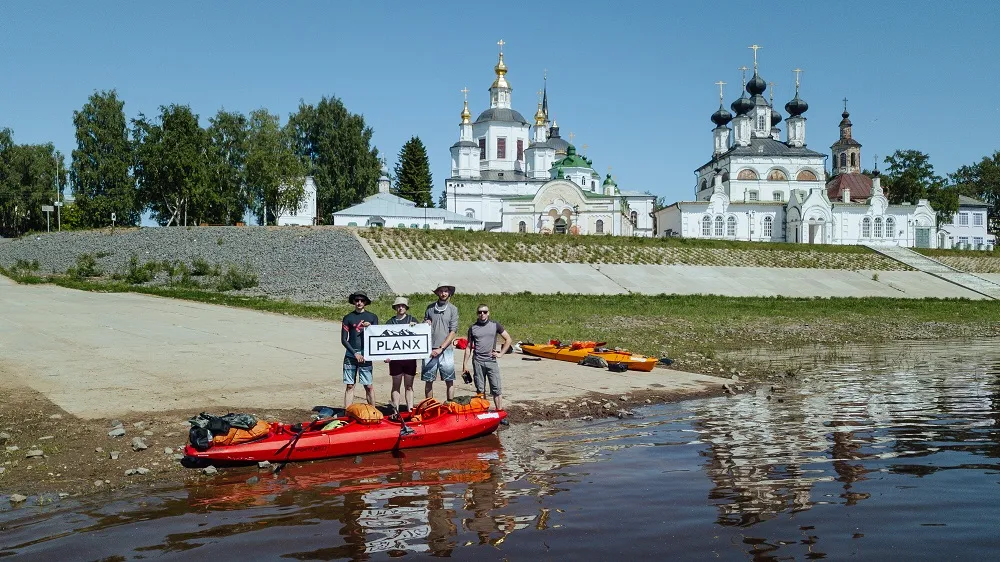
How do you choose partners? For current projects, we proceed from what we need and don't take useless equipment. We look at what we lack and search for companies that can help with it. First and foremost, we approach market leaders. I remember we needed to modernize a catamaran, and we went to «TimeTrial» because the work was custom, and no one else would have done it. Were there many rejections? We haven't had a single partnership rejection. Sometimes companies approach us directly with an offer to test a product in real-world conditions. This was the case with this year's expedition to the Northern Dvina. A company that manufactures plastic kayaks approached us. They offered to take the boats for testing and check them in challenging expedition conditions. That's when we started developing a route for this specific task. We chose the Northern Dvina because the river's length was 700 km from source to mouth (from Veliky Ustyug to Arkhangelsk). We managed to cover this distance within the allotted time. And there's an additional meaning here: this expedition logically continues the «Half the Country Under Sail» expedition. Because back then we arrived in Arkhangelsk from the sea, and now we came from the river. This was convenient because we already had contacts with Arkhangelsk journalists from last year.
In what form are expedition reports published? We have two types of output materials: press releases and expedition diaries. I write the press releases. For them to be widely distributed, they need to be written in a strict style, and from the team, I only take necessary quotes and facts. Expedition diaries are articles of 10-30 thousand characters. This is a popular genre on our blog. In the Arctic, we made such notes weekly, and readers liked it. I also write them, but if the guys have bright ideas, I just hand them the laptop. Sometimes we shoot news-style videos. What is the secret to PLAN X's success? Has the project grown significantly in 3 years? Initially, we teamed up because none of us live for travel or dedicate the whole year to it. We organized major outings once or twice a year. And yes, we thought about a project. But promoting a brand alone is difficult, and when it's shared, it's much easier. There's no special secret here. We do things that aren't done every day and draw the press's attention to them. The project has certainly grown. In the first expedition, we worked with practically one partner and one newspaper, and now we work with companies like «Gazprom Neft», and TASS writes about us, VGTRK, NTV, and others come to us. The next level, probably, is when we'll be on the cover of Men’s Health magazine, hypothetically (laughs, — ed.). Now we are thinking about working with government agencies and what benefits we can bring them.