How to Move to the Czech Republic: The Story of Vadim and Alina
You are probably familiar with stories of how your mom's friend's son or an acquaintance of acquaintances moved to another country for permanent residence. Some go to study, some to work, the meaning is the same — you leave your comfortable spot and embark on an adventure.
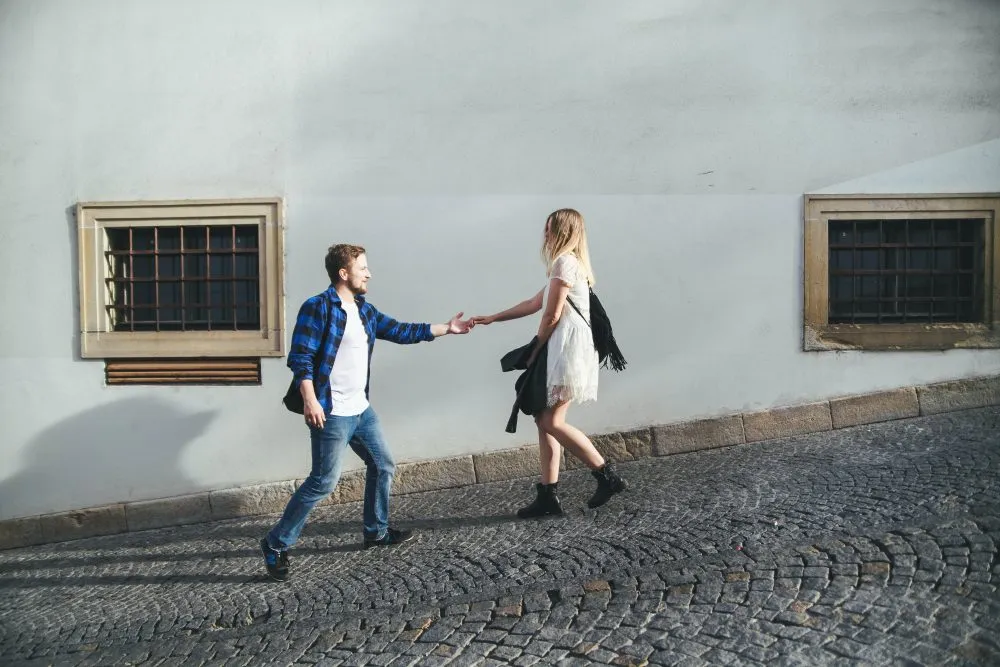
While we were in the Czech Republic, we managed to talk to a couple who moved to Brno — a small town two hours' drive from Prague. Vadik and Alina shared their difficulties, joys, motivations, goals, and dreams. Vadim moved for studies 10 years ago, and Alina quite recently. And here's the story that unfolded. Vadim, tell us, how did the idea to go study in the Czech Republic come about, and why there specifically? In 2009, after graduating from school, my friend invited me to take some entrance exam to some university. I thought, why not? I passed the exam, but it turned out the university was in Finland. Then I wondered, is it really that easy to go study in Europe? I became interested in this question, looking for options based on the price/quality ratio of education. The choice fell on the Czech Republic. What also attracted me was that the language and culture of Czechs are similar to Russian. I contacted an educational center that helped with document collection, relocation organization, and finding a language school. And so, I've been in the Czech Republic for almost 10 years now. Wow, seriously? And what difficulties did you face at first? Like everyone else at first — the language barrier. But I realized that by staying in a Russian-speaking crowd, I wouldn't overcome this barrier for a long time. I tried to immerse myself in the city's rhythm, visiting coffee shops, pubs, leisure centers, and even found a part-time job. That's how I made acquaintances among Czechs, and soon they became my social circle. The Czech Republic stopped feeling foreign, and the language barrier disappeared after a year and a half. Where did you live during your studies? At first, I lived in a university dormitory, but soon moved to a rented room. Otherwise, it was difficult to concentrate on my studies, you know :)
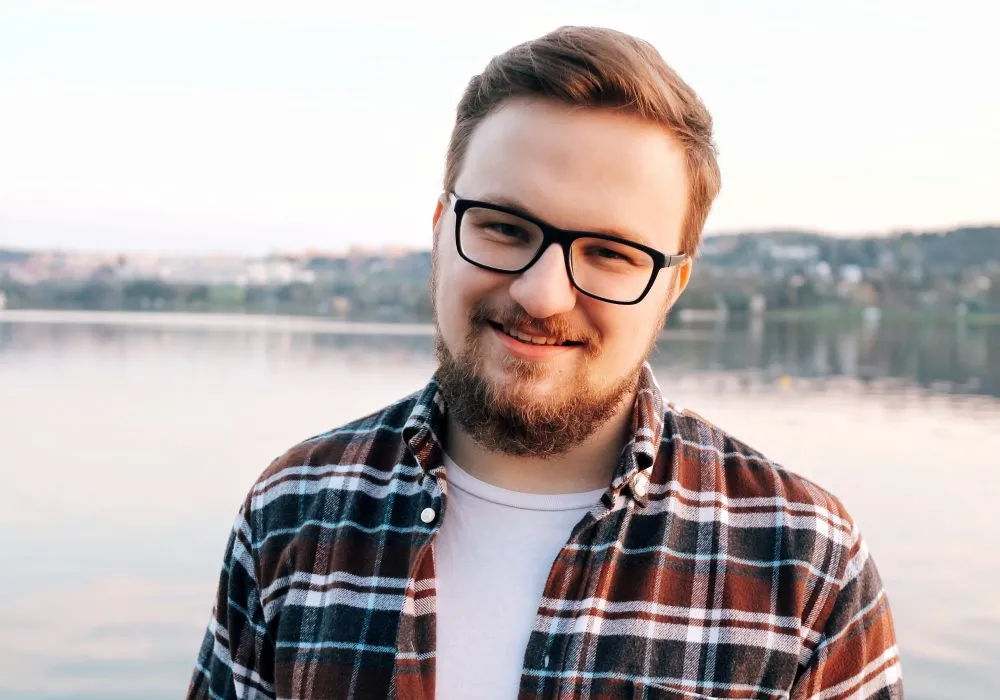
What will you do after graduating from university? I am currently finishing my third university, and in the autumn, I plan to pursue a doctorate. This summer, I will be looking for a permanent job. Although there aren't as many interesting offers in Brno as in Prague, I've grown accustomed to this city; it's a golden mean between a bustling metropolis and a province. It's peaceful here, life goes on as usual, and I'm content. What advice would you give to those choosing a university in Europe? Look for what truly resonates with you. Don't be afraid of a foreign language. Moreover, more and more specialties in European state universities are now available in English.
Alina moved to the Czech Republic following Vadim. For many years, they were just friends, but one day he invited her to visit Brno. From that moment, the story took on a romantic character.
Alina, many are convinced that long-distance relationships are impossible. How did you manage it? Undoubtedly, distance is a test that not every relationship can withstand, including friendships. Regarding our story, I can't say it was too difficult a challenge for us. Thanks to Schengen, I visited Vadik every one and a half to two months. At first, I stayed for a week, then I switched from a scheduled job to freelance and started coming for a month or a month and a half.
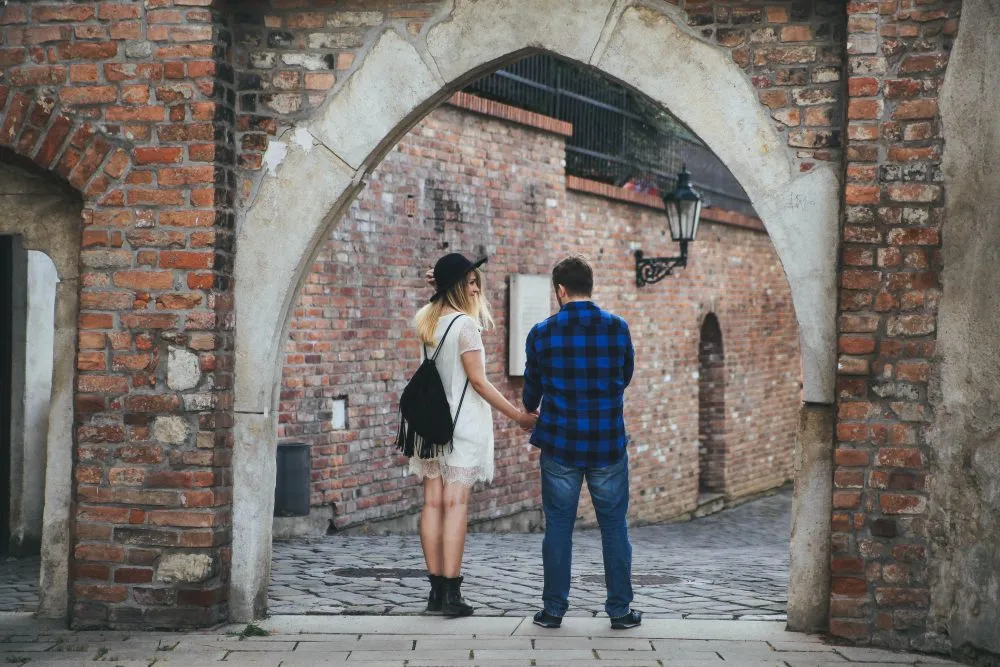
Why do you think it's still difficult to maintain long-distance relationships? I think relationships start to fall apart because people feel a lack of attention from their loved one. We didn't have that. We always had and still have things to discuss and share with each other. Maybe it's because our relationship started with friendship. Sometimes, people living in the same city or apartment spend less time with each other than we did back then. How did you decide to move to Brno? Was it easy to adapt? Since I had visited Vadik many times before, by the time I moved, Brno had already become a second home for me. From this perspective, it was much easier for me than for those who come here for the first time and know no one and nothing. The main thing in such a situation is to find friends who are in the same position, or a hobby that will make the new city feel at least a little familiar and native. It's like transferring something from your usual life into a new environment.
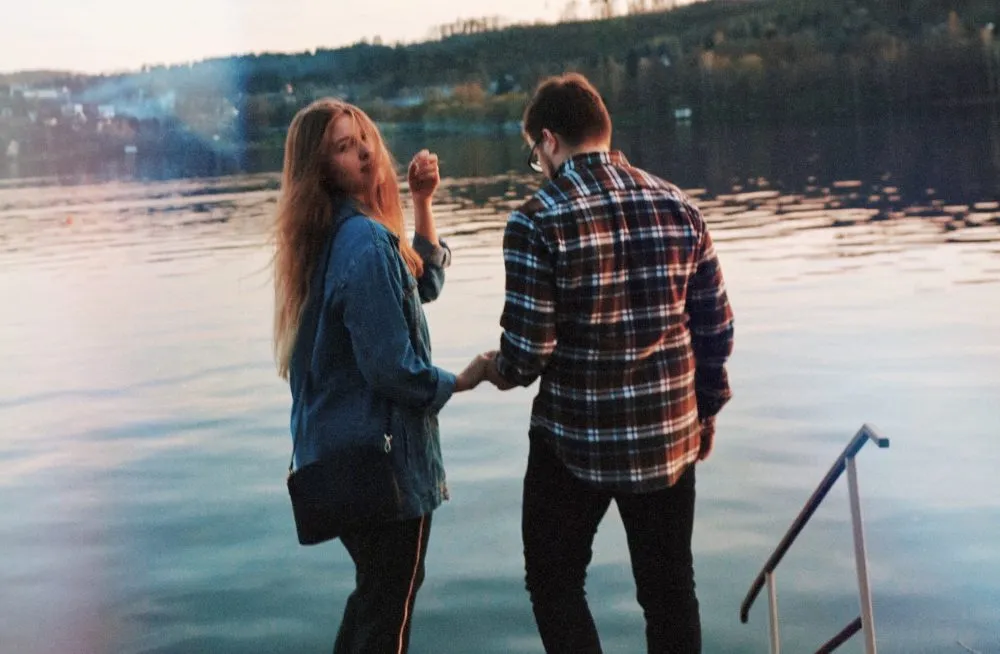
And what was that for you? The best way to feel at home in a foreign city is to bring your hobby along with your belongings. For example, I love photography. Even before moving, through Instagram, I met a Russian-speaking girl who lives in Brno and shares my love for photography and creativity in general. Now, she is my beloved friend, who is in the same "relocated" status, going through all the emotional ups and downs herself, and is always ready to support. Do you miss your family? Of course, at first, this longing is felt with particular intensity, then you get used to it. And one day, a fear suddenly appeared that if/when I return to St. Petersburg, all the contacts I've made in my life will already be under a thick layer of dust, and I'll have to start everything from scratch there. My best friend and I don't communicate as often anymore, but with warmth. It's scary to imagine what will happen next.
What seemed strange to you in the Czech Republic? There's one peculiarity I still can't get used to. All Czechs stare. There's no other way to put it. When you enter the metro in Russia, someone discreetly looks at you and quickly looks away, just to avoid eye contact. In Brno, however, when you enter a tram car or a building, sometimes even just on the street, people stare intently at you without embarrassment. And when you catch their gaze, it doesn't bother anyone; some even continue to look you straight in the eye. You mentioned you traveled on a Schengen visa. What visa are you on now? I moved on a student visa. But generally, this is a "other" purpose of stay visa — it's given to students of language school courses. Unlike students of language courses at state universities, students of regular language schools with this type of visa can work. Such a visa also helps language school students obtain permanent residency after 5 years. The thing is, in this case, the academic year equals a calendar year of stay in the Czech Republic. However, for state university students, the academic year is only half a year of stay. The latter, it turns out, need to live in the country for 10 years to apply for permanent residency.
Tell us in detail, what kind of school is it, how did you get there? I chose the Go Study language school. In addition to teaching, the school staff helps with preparing visa documents, choosing a future university and specialization for study, processing the necessary papers for nostrification (recognition — editor's note) of a school certificate or university diploma obtained in Russia. They are also approached for questions regarding doctor visits and banking without language knowledge, and for housing selection. Among the documents required for the visa application were: confirmation from language courses, a contract or permission to reside in an apartment/dormitory, a certificate of no criminal record, and a bank statement confirming that I am not homeless. After collecting the papers, the language school staff helped me correctly fill out the application form and register for an appointment at the consulate. There, I was called for an interview. How do the teachers communicate? The teachers at the school include both Russian-speaking and Czech instructors. I believe my group was lucky: we have two teachers, and both are native speakers. One of them speaks Russian perfectly.
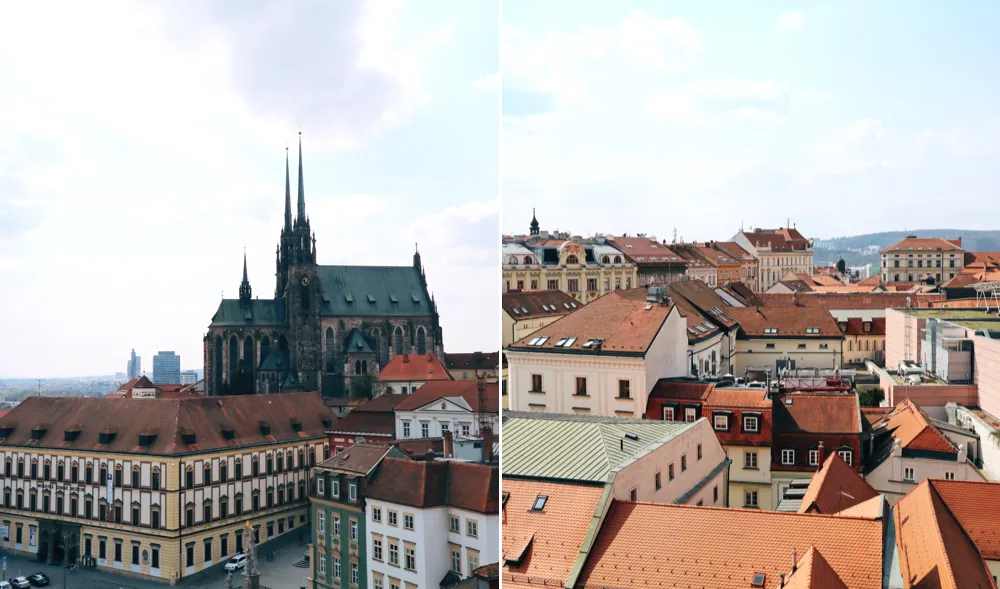
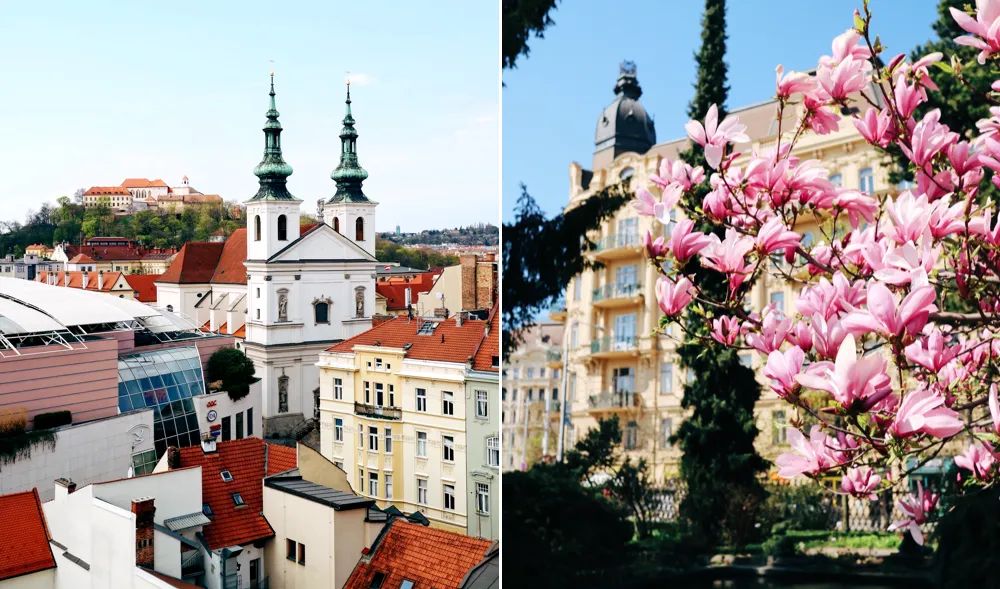
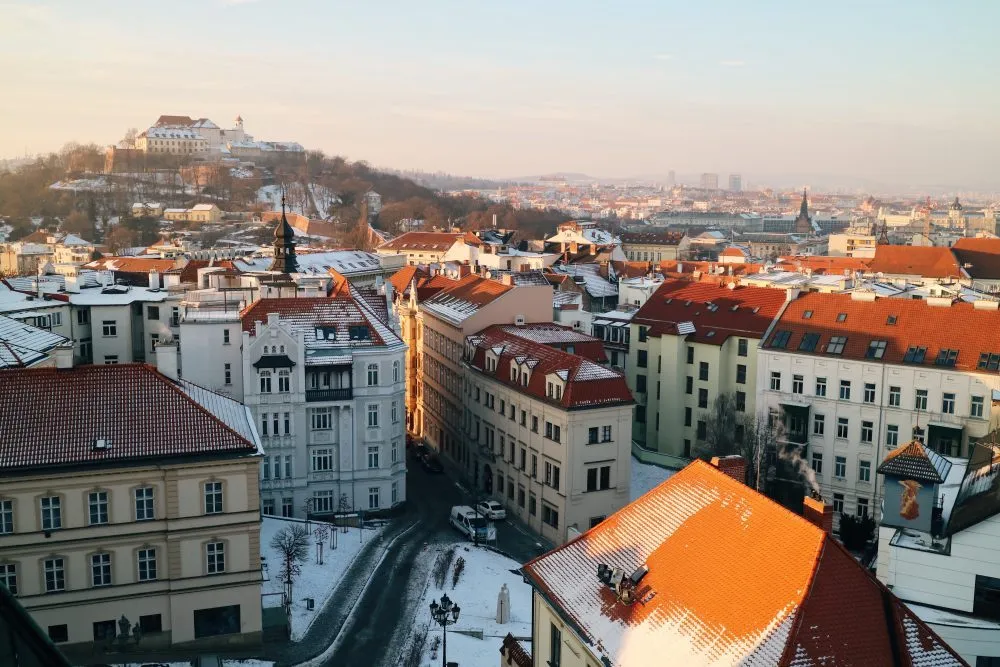
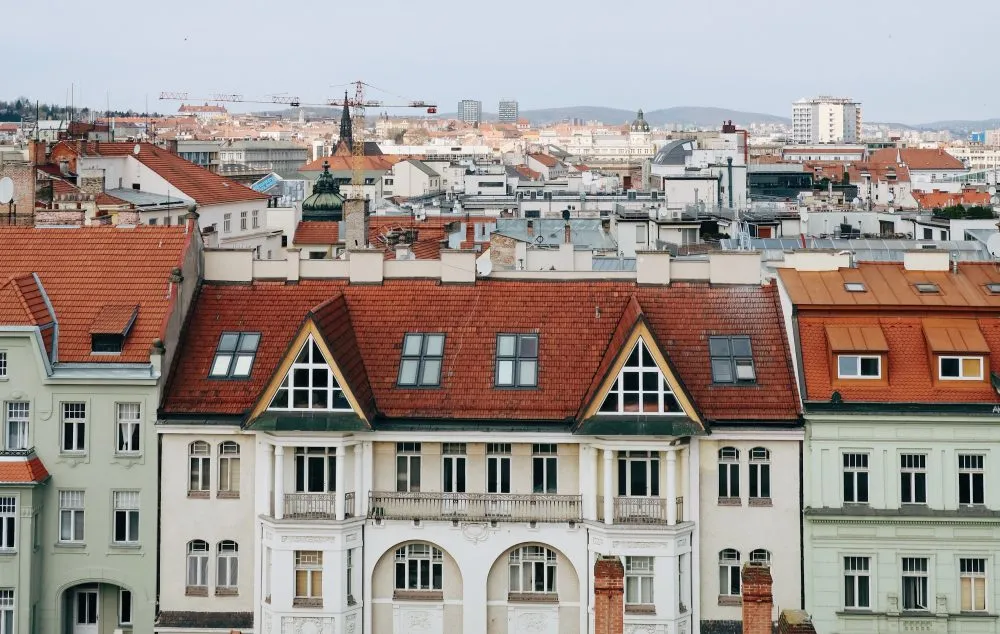
How would you describe life in Brno? Would you like to move somewhere else? I love Brno. There are many amazing places and attractions in the city itself and its surroundings. And most importantly — no crowds of tourists. Prague, in comparison, is just a cacophony of Chinese-Russian flavor. In good weather, I love to simply walk around the city and enjoy the beautiful combination of nature and architecture. Some streets eerily remind me of my native St. Petersburg. Vadik has lived here for 10 years, and sometimes he wants to change his pace of life — thoughts of moving to Prague appear.
What would you say to those who are thinking about moving to another country but can't make up their mind? Of course, it's better to move with company — such an adventure would be difficult for one person. And it's good if there's an activity: study or work. Currently, I'm studying in a group where some of the guys have just turned 18. And I really respect them for how they're coping. After all, this move thrust them into adult life. If it weren't for Vadik, I wouldn't have dared to make such a move at 26; habits and attachment to a place are stronger than in adolescence. Moving is emotionally challenging. But changes inevitably happen in our lives, no matter where you live. A change of scenery helps you get to know yourself and the world around you better. In any case, you can always come back! So, if you're thinking about living in another country, give it a try.