How to safely relax in Bulgaria and what to do
So, since May 1st, Bulgaria has opened its doors to foreign tourists, which means you can start planning your vacations. It’s an inexpensive country with a sea and sanatoriums — exactly what a body tired after spring needs. In this article, we’ll figure out how to spend time in Bulgaria so that it’s cool, not dull.
Entry Requirements
Tourists can enter with one of three documents:
- A vaccination certificate, provided that at least 14 days have passed since the second dose was administered. It’s not possible to get the second shot and fly out the next day.
- A negative PCR test taken within 72 hours before departure or an antibody test no older than 48 hours.
- A certificate of recovery from coronavirus. This requires a positive test that is at least 15 days old.
A visa is required for entry, but if you don’t have a Bulgarian one, a Schengen visa will also work.
From the airport to the city
All roads lead to Sofia — the capital of sunny Bulgaria. If you’ve never been to the country before, it’s best to start your acquaintance with Sofia.
The airport is only 10 km from the city center, and you can get there by bus, metro, taxi, or rented car.
Buses 84 and 184 will take you to the center in 45 minutes. They run daily from 6 AM to midnight. A more detailed schedule is available here. Bus tickets can be bought at “Pechat” kiosks or directly from the driver. The fare costs about two Bulgarian levs.
Metro — the fastest way to get to the city center — just 20 minutes. In 2015, Sofia Airport station opened in Terminal 2. Tickets can be bought at the station for 1 lev.
Taxi here is like a lottery. The ride takes the same 20 minutes, but the cost can vary. Usually, the meter charges 0.80 levs per 1 km, but experienced travelers say that not all drivers turn on their meters. So be careful and, if possible, agree on the price beforehand.
Car Rental — a good option for those who don’t like to rely on schedules and plan to travel outside the city and explore the country. Keep an eye out in the arrivals area; there are many rental companies: Sixt, Europcar, Hertz, Top Rent-a-Car, Enterprise, Avis. However, we recommend reading about these rental services online beforehand and booking a car before arrival. This is usually cheaper than renting on the spot. And faster too.
What to see in Sofia
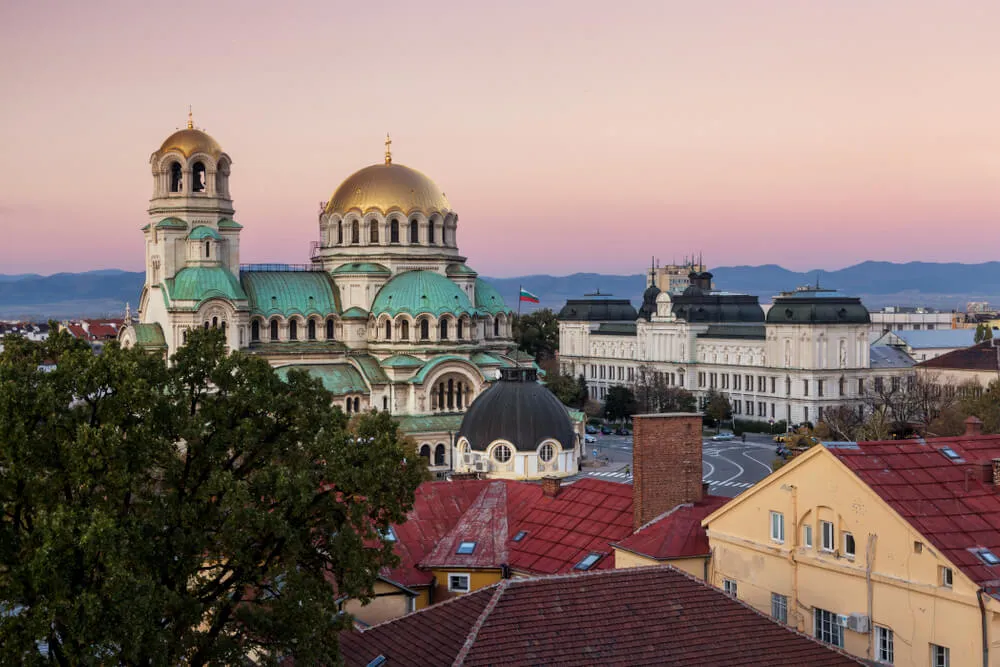
If you can’t get to Greece yet, don’t worry — Sofia also has many ancient monuments and structures that still remember the times of Ottoman rule and the Byzantine Empire. There are also later constructions, such as the Alexander Nevsky Cathedral, the Church of St. Nicholas, and even the Sofia Synagogue! But, first things first.
The city once housed the Roman Amphitheatre of Serdica, not much smaller than the Colosseum. In 2004, its ruins were discovered during the construction of a hotel. This didn’t prevent the hotel from being built, but you can still see these preserved ruins inside.
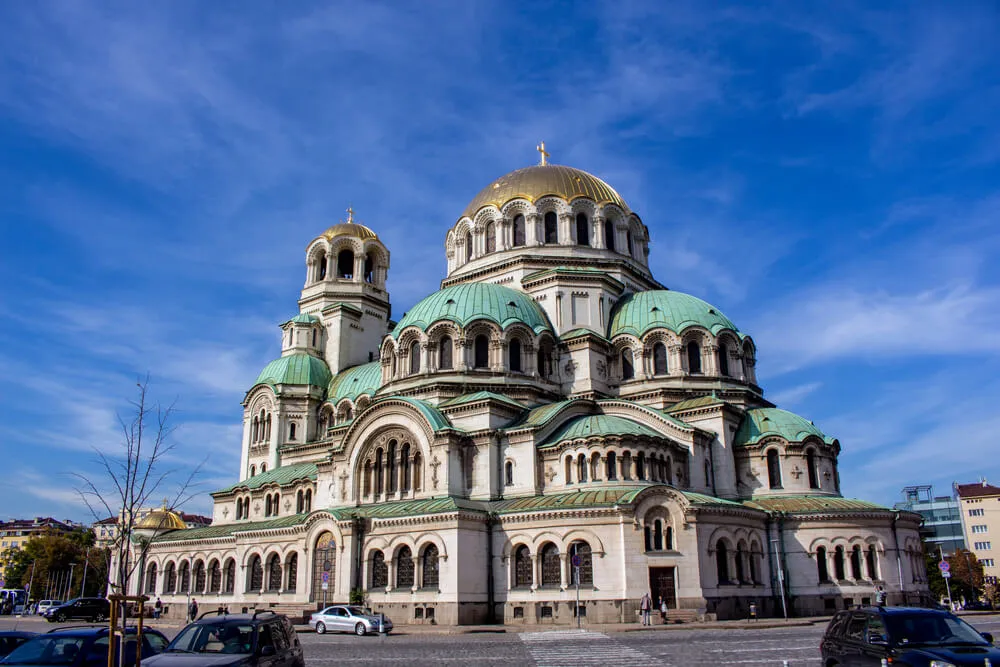
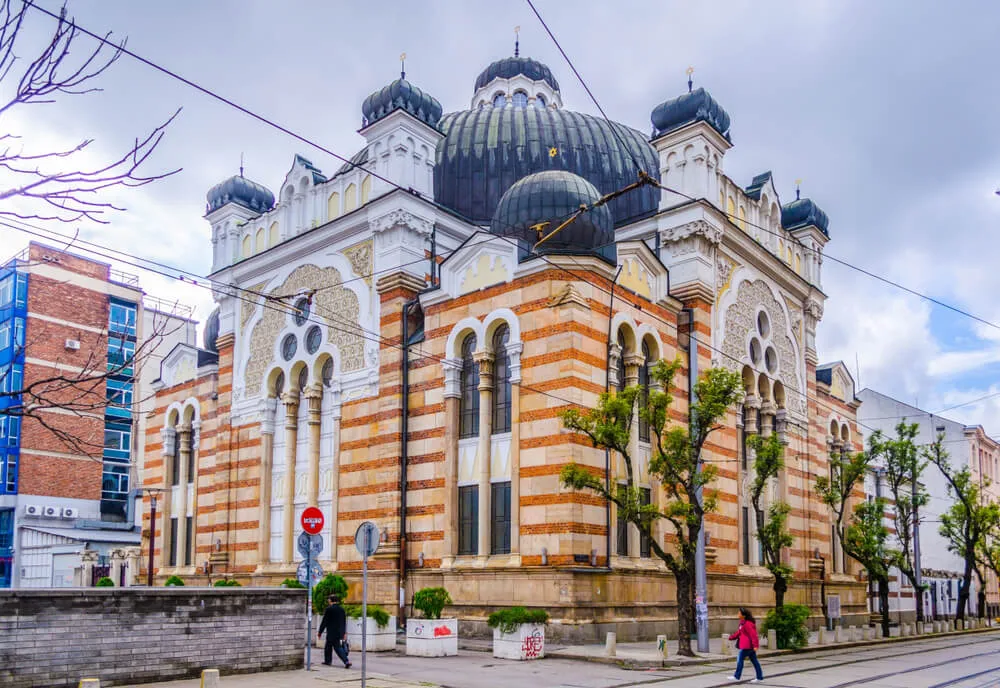
Be sure to visit the Cathedral of Saint Nedelya. It’s incredibly beautiful inside. And since you’ve decided to visit churches and cathedrals, also make your way to the Alexander Nevsky Cathedral, built at the beginning of the 20th century. It stands out significantly against the city landscape, so you definitely won’t miss it. The Sofia Synagogue also differs from the city’s architecture. Although you can’t just walk inside, there’s a museum nearby dedicated to the life of Bulgarian Jews.
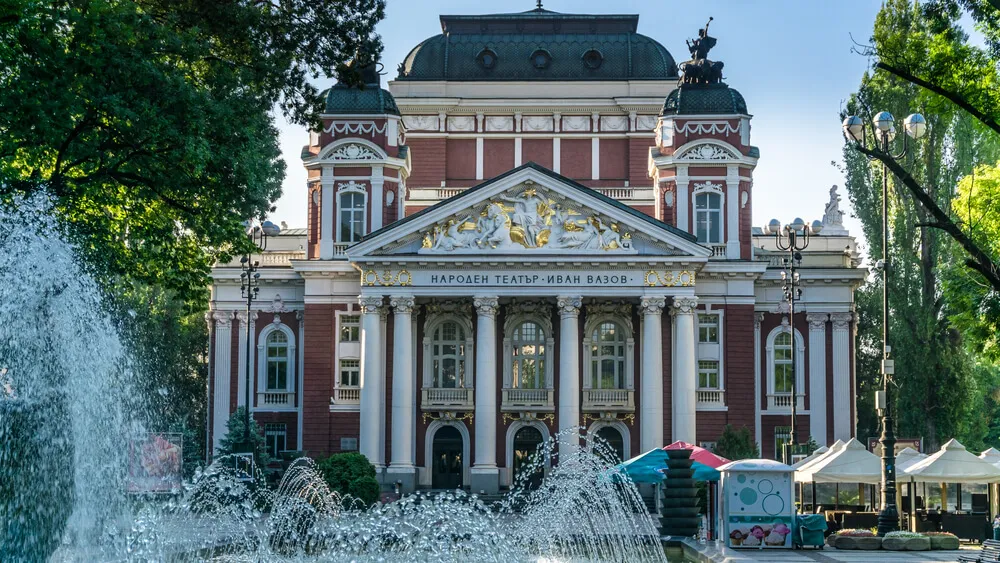
Be sure to free up an evening to visit the Ivan Vazov National Theatre. It’s beautiful inside and out, and the playbill features many interesting productions! If the weather permits, we recommend having a picnic in Boris Park — also known as Borisova Gradina, located in the city center. This garden has an interesting history. It was created at the initiative of a Swiss gardener, but over time the park’s area expanded, fountains, rose gardens, a pond, and a Japanese garden were added, and soon an observatory was also built there.
If you’re traveling with children, take them to Muzeiko. It’s an interactive science museum where you can touch, smell, and climb on exhibits. What more could a child want for happiness? Other attractions include the local zoo and an outdoor karting track right in the city!
Outdoor Recreation
A popular spot near Sofia is the mountain range of Vitosha and the national park of the same name. In winter, people come here for skiing, and in summer, for trekking along the many suggested routes. Here you will find the Boyana Waterfall, which cascades down from a height of 15 meters.
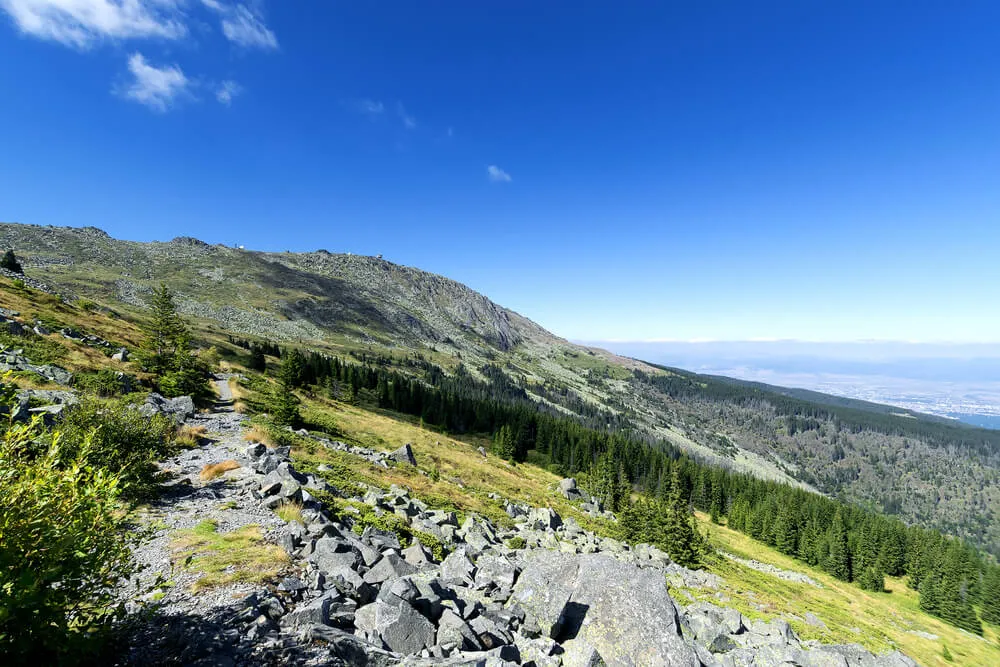
How to get there: from G. M. Dimitrov metro station, bus No. 123 departs once an hour. The journey takes about 20 minutes and will take you directly to the Simeonovo-Aleko gondola lift.
Mineral Resorts
Mineral springs in Bulgaria are a valuable resource. People come here for treatment from all over Europe. The most popular resorts are located in Sandanski, Velingrad, Hisarya, Devin, Sapareva Banya, Kyustendil. There are also seaside ones – Pomorie, Sveti Konstantin i Elena, and Golden Sands.
But you need to clearly understand what problems you are addressing and what you want from the resort. If you need thermal waters, head to Sandanski and Velingrad. Their waters have a high fluorine content. For skin and intestinal problems, Hisarya, Sandanski, Velingrad, and Kyustendil will be perfect. There’s also another interesting place — the resort town of Sapareva Banya. In these springs, the water temperature can reach up to 100 degrees Celsius!
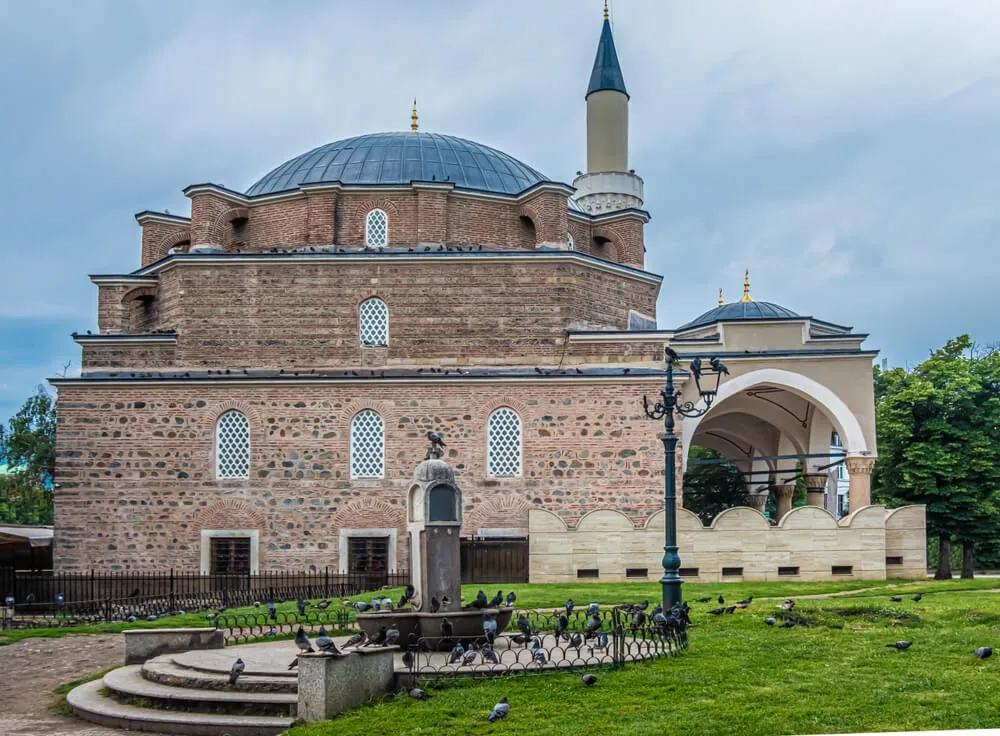
If you are a fan of mud baths, then head straight to the Black Sea resort of Pomorie. There are many types of therapeutic muds suitable for treating a wide range of ailments. Also, in Varna, Burgas, and Balchik, there are mud lakes with resort complexes on their shores.
These are just a few examples of how to spend time in Bulgaria with benefit and pleasure. Happy travels!