Old and New Style Dollars
 Yasya
YasyaSince not everyone can or wants to get foreign bank cards, cash remains a popular choice for travelers. The most common currency is dollars, which can then be exchanged for local money. Or can they not? This is where the problem of old and new banknotes creeps in. What’s the difference and why is it so important what year your dollars are from?
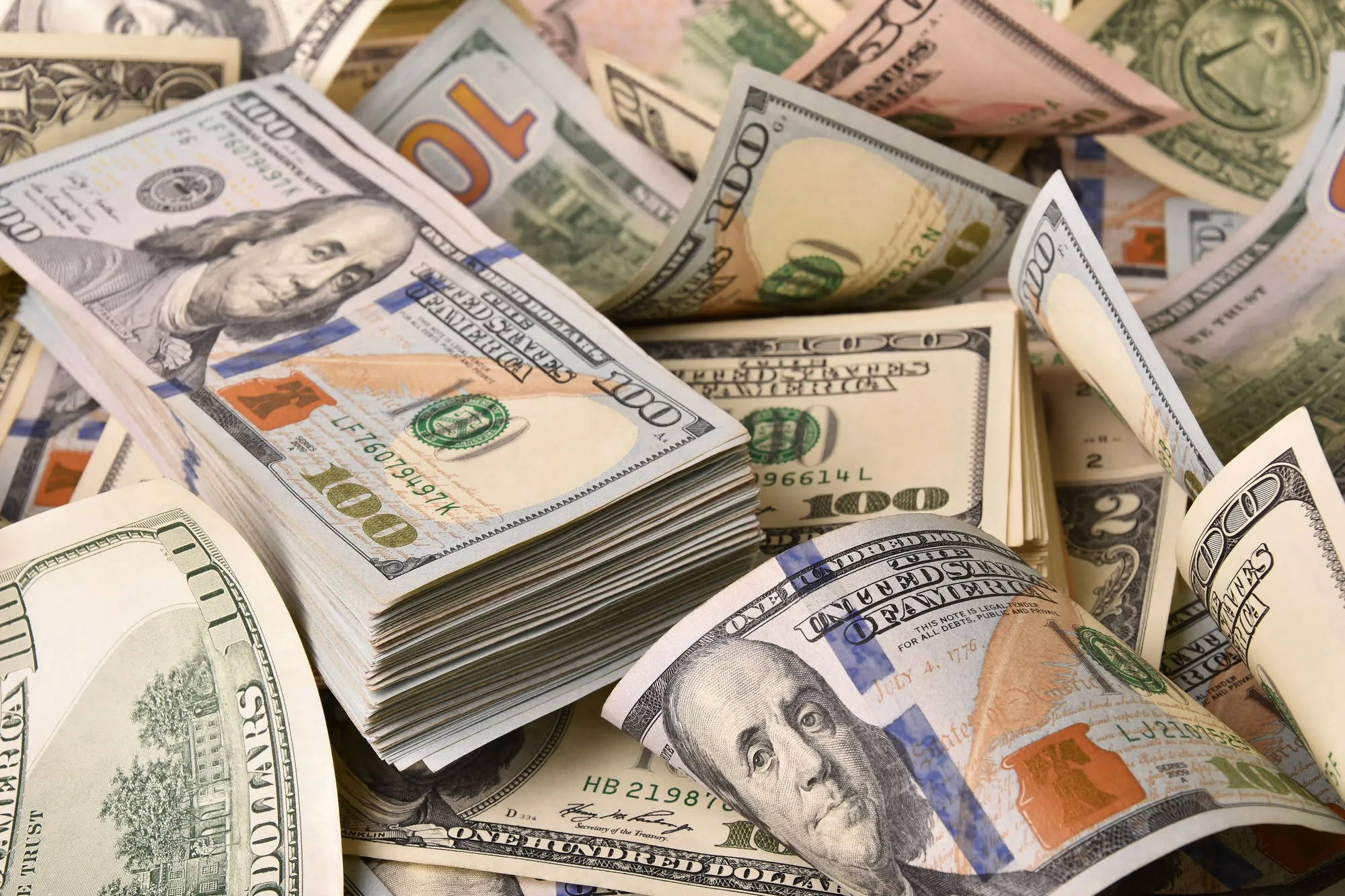
What does “old style dollars” mean?
Usually, “old” dollars refer to banknotes issued before 2004. However, increasingly, this category includes all banknotes up to 2013, when the design of the 100-dollar bill was updated. Old banknotes have a simpler design, fewer bright colors, and fewer modern security features, which we will discuss below.
The first security enhancements occurred back in 1996. And then events unfolded as follows:
- in 2003, the design of the 20-dollar banknote was updated;
- in 2004 — 50 dollars;
- in 2005–100 dollars;
- in 2006–10 dollars;
- in 2008–5 dollars.
The latest changes occurred in 2013, and new ones are already planned for 2026, so stay tuned, as they say.
Old and New Dollars — What’s the Difference?
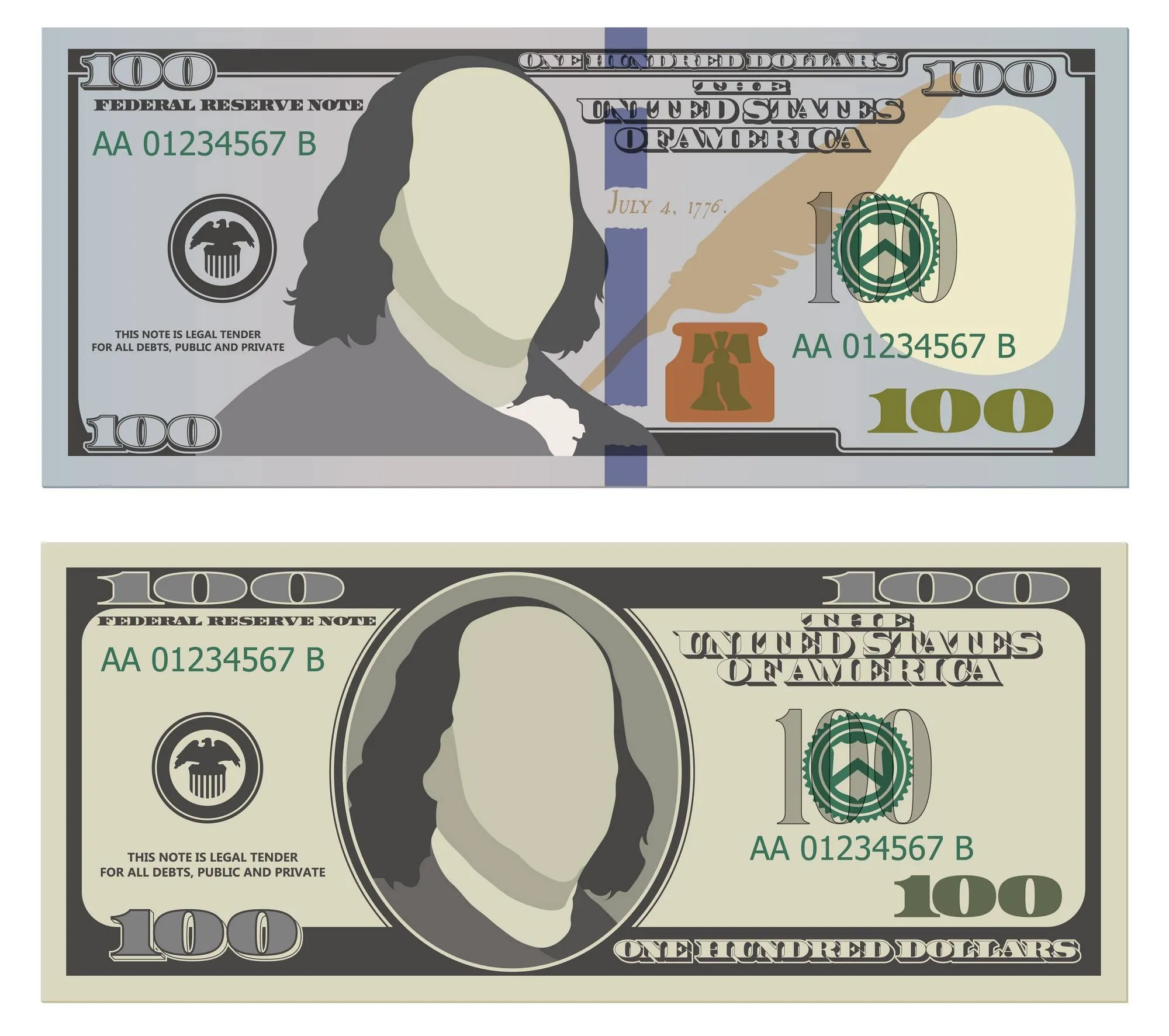
“Since new ones are banknotes from 2013 onwards, that’s how they’re distinguished by date!” — you might say. In principle, yes, that’s one way. But it’s even simpler by appearance: old banknotes are darker and brighter, while modern ones are much lighter. Sometimes you might encounter this distinction: old ones are “white,” new ones are “blue.” And this perfectly matches reality: on new 100-dollar bills, there is indeed a blue stripe in the middle — a holographic security feature.
In addition, banknotes have undergone significant design changes overall. American presidents have moved out of their “windows” and are now positioned slightly off-center. Their portraits have become larger, and the number of different colors and elements on the banknote has significantly increased.
Why is the design changed?
The reason is simple — combating counterfeiting. Counterfeiters eventually learn to copy previous security features, so new ones have to be invented. This is how special 3D ribbons, microtext, holograms, complex watermarks, security threads, and so on appear on banknotes. Modern technological banknotes are harder to counterfeit.
The second reason is durability. Old materials wear out, and banknotes get damaged. Currently, the paper used for banknotes consists of 25% linen thread and 75% cotton, which prevents it from yellowing over time.
The updated design also takes into account the needs of people with impaired vision, for whom raised markings are made on the surface.
Can old banknotes be exchanged for new ones?
Yes, such an opportunity exists. To do this, you need to contact a bank and clarify if they can exchange your banknotes. However, be aware that some banks may charge a commission for such an operation. The old banknotes themselves must be in good condition, without significant damage.
Why might old dollars not be accepted in other countries?
In the USA, all dollars issued since 1914 are considered legal tender. However, private companies and exchange offices outside the country may not accept old banknotes. This happens due to fear of counterfeits, inability to verify the authenticity of the money, and bank policies. Not to mention small exchange points! Because of this, you might encounter a dual exchange rate: new dollars will be exchanged at a more favorable rate than old ones.
In which countries will you encounter problems with old style dollars?
In Turkey, United Arab Emirates, Thailand, Egypt, Armenia, Malaysia, Morocco, Maldives, Sri Lanka, and Seychelles. Difficulties also arise in Japan, Vietnam, South Africa, Tanzania, Myanmar, Cambodia. Therefore, when booking your tickets and asking yourself “Which style of dollars should I take with me?”, remind yourself — preferably only new ones.
Also, pay close attention to your change if you are paying with cash dollars in these countries. Vendors, taxi drivers, and guides can easily slip you old banknotes, which their colleagues will then refuse to accept. Banks, when dispensing cash, also engage in similar schemes and may also refuse to accept “old” dollars.