Magdalen Islands

About

The Magdalen Islands are a unique archipelago lost in the waters of the Gulf of St. Lawrence in Canada. Administratively part of the province of Quebec, this territory represents a harmonious blend of rugged maritime nature and a cozy French-speaking atmosphere. There is no noise of metropolises here, but instead, an abundance of red sandstone cliffs, endless dunes, and bright colorful houses that create the unique look of this remote corner of the planet.
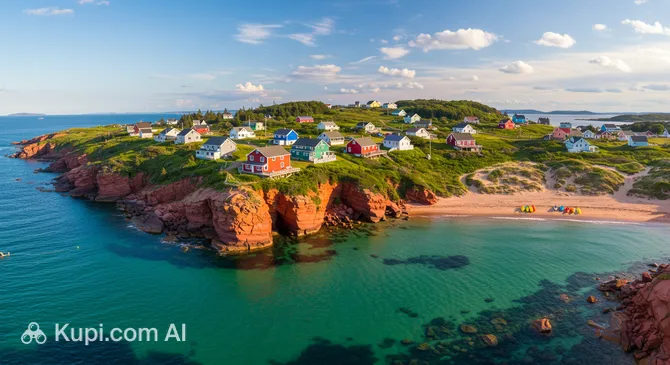
Magdalen Islands. Illustration.
Source: Kupi.com AI

Geographically, the archipelago consists of a chain of islands connected by thin sandspits. The history of the Magdalen Islands is closely linked to Acadian culture and the fishing industry, which still defines the way of life for the local population of about 12,000 people. The climate here is maritime: windy and humid, giving the landscapes a special, sometimes dramatic beauty that attracts photographers and eco-tourism enthusiasts from all over the world.

Travelers are drawn here not only by the scenery but also by the opportunity to observe wildlife, such as the seals that choose these shores during the winter period. The tranquility, fresh ocean breeze, and hospitality of the locals make the Magdalen Islands an ideal place for those seeking solitude and wanting to feel the true power of the Atlantic. Visiting the archipelago is a chance to slow down and enjoy the moment in one of North America's most picturesque regions.

Weather Overview

The climate on the archipelago is distinctly marine, characterized by coolness and high humidity even in the summer months. The surrounding ocean softens temperature fluctuations but brings frequent fogs and strong winds, which are an integral part of local life. The weather in the Magdalen Islands often changes, so tourists should be prepared for the whims of the elements at any time of the year.

Winters here are moderately cold, but feel harsher due to the wind: in January and February, the average temperature ranges from -3°C to -9°C. Summer arrives late and remains cool; the warmest month is August, with an average maximum of around +20°C. Precipitation is evenly distributed, with late autumn being the rainiest period. For comfortable trip planning, it is important to consider that the swimming season here is extremely short, and the seawater warms up slowly.

Interesting Facts

  • The Magdalen Islands are an archipelago consisting, by various estimates, of 8–15 islands, most of which are connected to each other by natural sand dunes and modern bridges.

  • A unique Acadian culture thrives here, and the local dialect of French is so distinctive in pronunciation and intonation that it is easily recognized even by residents of mainland Quebec.

  • The archipelago is one of the few places in the world where, in March, you can legally and relatively easily go on an excursion to the ice fields to see newborn harp seal pups, known as whitecoats.

  • Despite their isolation, the Magdalen Islands are in constant motion: due to erosion caused by winds and waves, the coastline recedes by about half a meter every year.

  • The region's economy depends almost entirely on the changing seasons: in summer, the islands live off tourism and lobster fishing, while in winter, life slows down, returning to the quiet and measured rhythm of a fishing community.

How to Get There

Transport accessibility to the archipelago has its own characteristics due to its remote location in the Gulf of St. Lawrence. Two main routes are available to travelers: air travel or ferry service from the mainland. When planning a trip, it is important to research all ways to get to the Magdalen Islands in advance, as transport schedules depend heavily on the season and weather conditions, especially during the winter period.

The main air gateway to the archipelago is Îles-de-la-Madeleine Airport (YGR). It is located about 9 kilometers from the administrative center and receives regular flights from Quebec City and other regional cities. This is the fastest way to get to the islands, although ticket prices can be quite high. For those who prefer sea travel, ferry lines connect the islands with mainland ports in Quebec and Atlantic Canada.

AirportPassenger trafficDistance
Îles de la Madeleine9 km
Charlottetown Airport410,773154 km
Sydney Airport100,000195 km
Michel-Pouliot Gaspé Airport25,000248 km
Greater Moncton International Airport661,629256 km
Bonaventure15,000279 km

There is no direct rail service on the islands themselves. Travelers who prefer trains can reach the nearest major hubs on the mainland and then transfer to a ferry or flight. Within the archipelago, the most convenient means of transportation is a car, which allows for free movement between the islands via causeways and bridges.

StationPassenger trafficDistance
Moncton Railway Station265 km

Main Attractions

The main wealth of this region is its pristine nature and landscapes that look like sets for an adventure film. One of the most popular areas is Havre-Aubert, where historical buildings are preserved and the spirit of an old fishing village is felt. It is also worth visiting Cap-aux-Meules, the administrative center of the archipelago, which offers magnificent views of the harbor and the red cliffs that have become the hallmark of the Magdalen Islands.

For fans of cultural leisure, a mandatory stop is Les Pas Perdus — it is not just a restaurant or bar, but a real cultural center hosting concerts and exhibitions that reflect the soul of the archipelago. This place is ideal for meeting local bohemians and feeling the rhythm of the islanders' modern life.

If you are interested in maritime themes and gastronomy, check out La Poissonnière. This place is famous for its selection of the freshest seafood, where you can not only buy products but also learn about their origin and fishing methods. Also, pay attention to Quai 360, offering refined cuisine in a pleasant atmosphere, making it an excellent way to end the day after walking along sand dunes and coastal trails.

Local Cuisine

The culinary traditions of the archipelago are inextricably linked to the sea and Acadian heritage. The foundation of local cuisine is the freshest seafood: lobsters, snow crabs, mussels, and a variety of fish. Lobster fishing here is not just an industry but a real cult, so during the season, almost every establishment offers dishes made from this delicacy, prepared according to traditional recipes.

One of the key places to experience sea treasures is La Poissonnière, where the emphasis is on the quality and freshness of the catch. Here you can experience the true taste of coastal life. For those seeking a more modern approach to cooking, Quai 360 is an excellent choice, with a menu that masterfully combines classic Quebec ingredients with modern gastronomic techniques.

In addition to seafood, it is worth trying local cheeses, smoked fish, and traditional Acadian casseroles. The gastronomic scene of the Magdalen Islands is seasonal: in summer, many cozy cafes and terraces open, serving craft beer from local breweries and drinks based on wild berries. The food culture here is simple and honest, focused on preserving the natural taste of products and creating a friendly atmosphere.

Travel Tips

A trip to the Magdalen Islands requires careful preparation so that you can fully enjoy their wild beauty and hospitality. Here are some practical tips to help make your journey as comfortable as possible.

  1. Clothing and gear: Even in summer, it can be windy and cool. Bring a reliable windbreaker, a warm fleece, and comfortable shoes for walking on sand and rocks. Layering is your best friend in this climate.
  2. Transport: Public transport on the islands is poorly developed. The most reliable way to get around is by renting a car or a bicycle. Book your transport in advance, as demand significantly exceeds supply during peak season.
  3. Finances: The official currency is the Canadian dollar (CAD). Bank cards are accepted almost everywhere, but it is better to have some cash for small shops in remote settlements. Tipping in restaurants is standard at 15–20%.
  4. Health and Safety: The islands are very safe, but nature can be treacherous. Avoid walking on the edges of cliffs due to soil erosion and always check the weather forecast before boat trips.
  5. Communication: The primary language is French. Locals appreciate attempts to speak their language, although many in tourist areas understand English. Learn a few basic phrases: "Bonjour" (hello) and "Merci" (thank you).
  6. Local Etiquette: The island residents are known for their friendliness and simplicity in communication. It is customary to greet passers-by and remain calm — they do not like rushing here.
  7. What to avoid: Do not criticize or ignore environmental rules, especially regarding dune protection. The dunes are very fragile, and walking on them outside of designated trails is strictly prohibited.
  8. Extra tip: Be sure to try the local smoked herring — it is one of the oldest industries in the region with a unique taste.

May your journey to these amazing islands be a time of discovery and peace. Enjoy your stay!

Entertainment & Nightlife

Leisure on the Magdalen Islands is primarily focused on active recreation and enjoying nature. During the day, tourists can enjoy kayaking, cycling along scenic trails, or birdwatching on the sandspits. The archipelago is also a popular spot for kitesurfing and sailing thanks to the constant winds. For those who prefer a calmer pace, the doors of local art galleries and craft workshops are always open.

The nightlife here does not have the scale of a metropolis but has its own unique charm. The main center for evening entertainment is the cultural space Les Pas Perdus. This venue combines a bar, restaurant, and concert stage where you can listen to live music, see performances by local artists, and immerse yourself in the relaxed atmosphere of island fun.

Evening programs usually concentrate in the Cap-aux-Meules or Havre-Aubert areas, where cozy bars and pubs are located. It is common to spend time with a glass of local craft beer or wine, discussing the day's events with friends and locals. The dress code in establishments is as relaxed as possible, and the atmosphere encourages easy acquaintances and heartfelt conversation. Safety on the islands is high, so even night walks through the illuminated streets of the settlements do not cause concern.

Parks & Museums

On the archipelago, nature itself plays the role of the main parks. The endless beaches and dunes of Havre-Aubert and Havre-aux-Maisons are natural recreation areas where you can walk for hours, breathing in the salty sea air. These landscapes are protected, and walking on specially marked trails allows you to enjoy the views without harming the islands' fragile ecosystem.

The island's museum network is small but very informative. Most exhibitions are dedicated to maritime history, Acadian heritage, and traditional crafts. Museums and interpretation centers tell of the harsh lives of the first settlers and how the sea shaped the character of the locals over the centuries.

The cultural component is complemented by the Les Pas Perdus center, which often serves as a venue for contemporary art exhibitions and themed meetings. Visiting such places helps to better understand what modern islanders live for and how they preserve their identity while remote from the mainland. The combination of natural beauty and local museums creates a complete picture of life in this amazing corner of Quebec.

Getting Around

The transport system on the Magdalen Islands differs significantly from mainland standards. There is no metro, trams, or an extensive network of city buses. The main transport backbone is the primary road connecting the main islands of the archipelago via causeways and bridges. Residents and tourists mostly rely on personal or rented cars, which provides the necessary flexibility given the island geography.

For those who prefer not to drive, taxi services are available, but their number is limited, so it is better to plan trips in advance. During the summer season, renting bicycles and scooters becomes particularly popular — it is a great way to explore coastal areas at a comfortable pace. Local ferries run between some remote parts of the archipelago, such as Entry Island, providing a vital link.

Public transport is presented in a limited form and is most often focused on specific routes during peak hours. Payment for taxis and transport rentals is usually made by card or in Canadian dollars cash. Travelers should note that in the event of heavy storms or thick fog, ferry operations and even movement on some open road sections may be temporarily suspended for safety reasons.

Accommodation

Accommodation on the archipelago is mostly represented by small and cozy properties that emphasize the homey atmosphere of the islands. You won't find huge chain skyscrapers here, but there is an abundance of charming B&Bs (Bed and Breakfasts), guesthouses, and cottages that can be rented in their entirety. This is an ideal choice for those who want to feel the local flavor and enjoy the silence.

The most popular areas to stay are around Havre-Aubert and Cap-aux-Meules. Proximity to ports, major restaurants like Quai 360, and cultural centers like Les Pas Perdus makes these locations convenient for most tourists. Many hotels offer ocean views and are located within walking distance of the famous red cliffs and beaches.

The main tip when planning a trip is to book accommodation as early as possible. During the peak summer months, demand for the Magdalen Islands is colossal, and vacancies in the best guesthouses run out several months before the season begins. The price range varies from budget campgrounds for nature lovers to comfortable mid-range apartments and cozy country houses for large groups.

Nearby Cities

The Magdalen Islands serve as an excellent starting point for exploring the eastern regions of Canada, although any travel outside the archipelago requires planning a flight or ferry crossing. Proximity to the Atlantic provinces makes it possible to visit interesting cities and natural parks on the mainland.

Among the most significant destinations, Cape Breton in Nova Scotia stands out, known for its breathtaking mountain landscapes and the famous Cabot Trail. Also noteworthy is Charlottetown, the capital of Prince Edward Island, where you can immerse yourself in the country's history and enjoy Victorian architecture. For those seeking a quieter atmosphere, a trip to Inverness, famous for its beaches and world-class golf courses, is suitable.

CityPopulationDistance
Inverness17,235135 km
Cape Breton94,285149 km
Charlottetown42,602159 km
Summerside14,829182 km
Caribou Island192 km

Exploring the surroundings beyond the archipelago will allow you to see the full diversity of the Canadian Atlantic. Each of these destinations has its own unique character and offers many opportunities for outdoor activities, cultural discoveries, and learning about the region's history.

Shopping & Souvenirs

Shopping on the archipelago is primarily about finding unique handmade items and local delicacies. There are no huge shopping malls with global brands, but small boutiques, artist workshops, and craft shops thrive. Tourists often visit shops at fish farms, such as La Poissonnière, to purchase the freshest or smoked seafood as a tasty souvenir.

The main shopping spots are concentrated in the settlements of Cap-aux-Meules and Havre-Aubert. Here you can find sand art, local ceramics, jewelry, and clothing made from natural materials. Particular attention should be paid to shops offering locally produced food: cheeses, wild berry jams, and the famous smoked herring, which has been the basis of the islands' exports for centuries.

Shops usually operate from morning until early evening, and on Sundays, many stores may be closed. Art objects inspired by the sea and the red cliffs of the archipelago are also popular souvenirs. Payment in most places is accepted by card, but having a small amount of Canadian dollars cash will not hurt when visiting seasonal markets and small workshops in the heart of the islands.

Reached the bottom of the page?

Looks like you know this route inside out

We use cookies and services to collect user information. This is essential for the functioning of the site and for marketing purposes. You can find out more in .