Support

La Cumbre

About

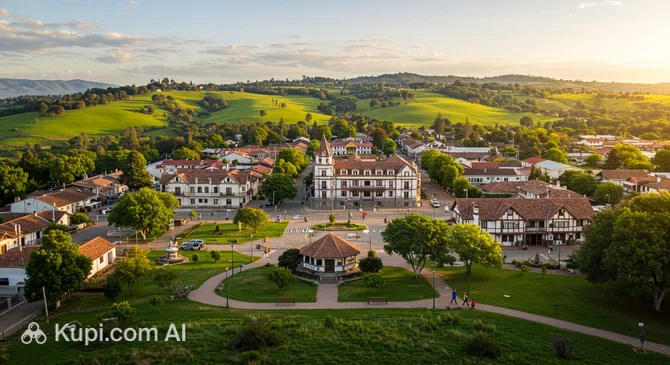
La Cumbre is a charming town picturesquely nestled on the hillsides of the Córdoba province, Argentina. Its name translates to "The Summit," and it fully lives up to this title: the town seems to float above the valleys, offering travelers breathtaking panoramas of the Sierras de Córdoba mountain landscapes. Thanks to its altitude and crystal-clear air, this place has become a true sanctuary for those seeking solitude and peace.

La Cumbre. Illustration.
Source: Kupi.com AI

Home to about 23,000 residents, the town exudes a wonderfully calm atmosphere reminiscent of old European resorts. Narrow streets draped in greenery and elegant mansions create a unique sense of coziness. The history of La Cumbre is closely interwoven with creativity: it has long been a favorite spot for artists and writers, a vibe felt in every corner—from numerous art galleries to stylish antique shops.

La Cumbre is often called one of the most romantic places in the region. Here, you can spend hours walking and enjoying the architecture or engaging in leisurely conversations on the terraces of cozy cafes overlooking the mountains. It is an ideal destination for travelers wishing to immerse themselves in an atmosphere of inspiration, enjoy nature, and escape the urban hustle.

Weather Overview

The climate in La Cumbre is characterized by mildness, making the town attractive to visit almost all year round. Expect warm summers with periodic rains and cool, dry winters. The warmest period is in January and December, when daytime temperatures often reach 27°C; however, it is during the summer months that the chance of precipitation is highest—up to 15 rainy days in January.

In winter, from June to August, the air becomes significantly fresher: the average temperature drops to 10°C, and at night it can cool down to 4–5°C. At this time of year, rain is extremely rare, and clear weather prevails. To choose the ideal time for your trip and prepare a suitable wardrobe, we recommend checking in advance what the weather in La Cumbre will be like during your visit.

Spring and autumn serve as pleasant transitions between seasons. For example, in March and November, the average temperature stays at a comfortable level of around 20°C, creating excellent conditions for long walks in the picturesque surroundings. Precipitation during the shoulder seasons is moderate, gradually increasing towards summer or tapering off as winter approaches.

Average monthly temperature

Average monthly precipitation

Interesting Facts

In addition to its well-known landscapes and architecture, La Cumbre holds many fascinating stories that give it a special charm. Here are a few facts to help you get to know this colorful corner better and soak in its atmosphere:

  • An English accent in the heart of the mountains. The town owes its prosperity to the railway built in the early 20th century. This turned La Cumbre into a fashionable resort for the aristocracy. To this day, luxury English-style villas and the historic station building remain, creating an atmosphere of old Europe unexpected for these latitudes.

  • Home of a literary genius. The famous writer Manuel Mujica Láinez lived and worked here. His estate, now open to the public, preserves the spirit of the last century's intellectual elite and allows visitors to see the environment in which literary masterpieces were created.

  • Capital of flights. La Cumbre is a recognized center for paragliding in Argentina. Cuchi Corral is famous for its ideal aerodynamic conditions, and flights over the picturesque valley have become a true calling card of the town for adrenaline junkies.

  • Festival in the sky. The town is famous for an unusual and touching tradition—the annual kite festival. During the holiday, the sky over the town's meadows is colored with thousands of hues, bringing locals and tourists together in an atmosphere of carefree fun and freedom.

How to Get There

When planning a trip to this picturesque corner of Córdoba province, it's wise to think through your route in advance. Since the town itself doesn't have its own airport, most tourists arrive via nearby major transport hubs and then continue by land. You can find more about how to get to La Cumbre on our dedicated page, which lists all available options.

The main gateway to the region is Ingeniero Aeronáutico Ambrosio L.V. Taravella International Airport (IATA: COR). It is not located in La Cumbre but in the city of Córdoba, about 47 km from your destination. This is a major hub receiving many flights. A trip from there to La Cumbre by taxi or rental car takes about 1 hour and 30 minutes. Due to its proximity and developed infrastructure, it is the most popular choice among travelers.

If you are considering alternative routes, you can use flights to La Rioja Airport (IATA: IRJ), located in the city of La Rioja. However, keep in mind that it is significantly further away—about 284 km. The drive from this airport takes approximately 7 hours and 30 minutes. There is also a small airport, Valle Del Conlara (IATA: RLO), in the town of Merlo, 169 km from La Cumbre (travel time is about 4 hours and 30 minutes).

For clarity, here is a summary of the main airports:
AirportPassenger trafficDistance
Ingeniero Aeronáutico Ambrosio L.V. Taravella International Airport2.9 mln47 km
Valle Del Conlara12 600169 km
Rio Cuarto45 000234 km
La Rioja Airport73 000284 km
Catamarca Airport90 000291 km

Main Attractions

In this picturesque corner of Córdoba province, nature and culture intertwine, offering unique routes for tourists. From literary journeys to breathtaking flights, La Cumbre knows how to surprise with its diversity.

One of the town's main cultural gems is the El Paraíso Manor. This is the house-museum of the famous Argentine writer Manuel Mujica Láinez, who lived and worked here during the final years of his life. The colonial-style mansion is surrounded by magnificent gardens designed by the renowned landscape architect Carlos Thays. Visitors can wander through rooms where the author's personal library, manuscripts, and art pieces are preserved, immersing themselves in the atmosphere of the 20th-century intellectual elite.

For nature lovers, a real discovery will be the Proyecto Carayá Primate Sanctuary, located about 11 km from the town. It is the first and only primate rehabilitation center in Argentina. Here, in conditions as close to natural as possible, live rescued howler monkeys (carayá) and capuchins. A tour of the sanctuary is a rare opportunity to see these animals in a free environment and learn about the vital work of volunteers in their rescue and protection.

Those seeking thrills and panoramic views should head to Cuchi Corral. This is a natural observation deck at the top of a gorge, offering stunning views of the Pintos River valley. The site is known as one of the best paragliding centers in the country. Even if you don't plan to fly, it’s worth visiting for the incredible sunsets and the feeling of complete freedom as you stand on the edge of the cliff, watching colorful paraglider wings catch the wind.

Equally fascinating is a stroll along the Artisans' Way (Camino de los Artesanos), connecting La Cumbre with the neighboring town of Villa Giardino. This scenic road is dotted with the workshops and shops of local craftsmen. Here, you can find unique ceramics, handmade textiles, wood and metal crafts, and sample homemade delicacies. It is the perfect place to find an authentic souvenir and personally chat with the region's talented makers.

Local Cuisine

The gastronomic scene in La Cumbre is a harmonious blend of Argentine traditions and the influence of European immigrants, making the town a real magnet for foodies. A journey here is unimaginable without tasting the main national treasure—asado. In local restaurants (parrillas), the preparation of this grilled meat assortment is elevated to an art form. Juicy steaks and ribs are typically served with fresh bread and the famous chimichurri sauce, whose spicy flavor perfectly complements the smoky aroma.

For a lighter snack or a hearty lunch, empanadas are an excellent choice. In La Cumbre, these traditional pastries are prepared with various fillings, but the absolute classics remain juicy beef or a delicate combination of gooey cheese with onion and herbs. Special attention should be paid to local products: surrounding farms supply the town with superb homemade cheeses, cured meats, and fresh vegetables, often served as "tablas"—an assortment of appetizers before the main course.

For those with a sweet tooth, the town offers a chance to get acquainted with an authentic Argentine dessert—pastel de batata. This is a delicate sweet potato cake that often serves as the final chord of a dinner. Local pastry shops are also famous for their homemade baked goods, perfectly complemented by a cup of aromatic coffee. The coffee culture here is well-developed: cozy cafes are ideal for leisurely breakfasts or friendly meetings after mountain walks.

Regarding drinks, La Cumbre confidently maintains its status as the gastronomic hub of the province. In the evening, it's worth visiting atmospheric bars to sample locally produced craft beer, which is becoming increasingly popular in the region. And, of course, no meal is complete without a glass of superb Argentine wine. If you're lucky, you might catch one of the gastronomic festivals, where you can not only taste dishes from top chefs but also purchase fresh delicacies at farmers' markets.

Travel Tips

A trip to La Cumbre promises to be an unforgettable adventure, filled with mountain air and tranquility. To ensure your trip is as comfortable and hassle-free as possible, we have prepared a list of practical recommendations to help you feel confident in this cozy Argentine town.

  1. Wardrobe for mountain terrain. Given that the town is located on hills and many attractions are natural, the main item in your luggage should be comfortable shoes (sneakers or trekking boots). The weather here is changeable: even if you travel in summer, be sure to bring a windbreaker or a fleece jacket, as evenings can be cool. Also, don't forget a hat and sunglasses—the sun is very active at this altitude.

  2. Transport and movement. The historic center of La Cumbre is compact and most pleasant to explore on foot. However, considering the elevation changes, pace yourself. Public transport within the town is poorly developed, so for trips to remote attractions (like the monkey sanctuary), it's better to use a taxi, called a "remis" here, or rent a car. This will give you freedom of movement through the scenic Punilla Valley.

  3. Money and payment. The official currency is the peso. In Argentina, cash still plays an important role, especially in small towns. Although hotels and large restaurants accept cards, souvenir shops, small cafes, and markets often prefer cash. There are ATMs in the town, but they may have withdrawal limits or be empty on weekends, so it's best to have a supply of banknotes. A tip of 10% of the bill is considered good etiquette.

  4. Health and safety. La Cumbre is a peaceful and safe place where you can walk without worry even in the evening. Standard precautions apply: do not leave your belongings unattended. Pharmacies (Farmacias) operate on a normal schedule, and there is always a duty pharmacy ("de turno"). The main health tip is to drink more water and use sunscreen, as mountain air can be dry and UV intensity high.

  5. Communication and language. The main language is Spanish. Despite the town's British heritage, English is not understood everywhere, so we recommend learning a few basic phrases or downloading an offline translator. Wi-Fi is available in almost all cafes and hotels. For constant connectivity, it's most convenient to buy a local SIM card (Claro, Movistar, or Personal operators) at town kiosks, as roaming can be expensive.

  6. Local etiquette and rhythm of life. Argentines are very open and tactile people. A greeting with a kiss on the cheek (even when meeting for the first time) is normal here, not a sign of over-familiarity. It's important to remember the meal schedule: dinner here starts late, often after 9:00 PM. If you arrive at a restaurant at 7:00 PM, it might still be closed or empty.

  7. What to avoid. Do not plan active shopping or handle important matters during the siesta (roughly from 1:00 PM to 5:00 PM). During these hours, many shops and institutions close, and the town quietens down. Attempts to "knock on closed doors" may be perceived as a lack of respect for local resting traditions. It's better to relax during this time too or head out into nature.

  8. Special recommendation: Tea tradition. While in La Cumbre, be sure to visit one of the traditional tea houses (Casas de Té). This is a unique feature of the town, preserved from the time of English settlers. Ordering "five o'clock tea" with homemade cakes and a mountain view is not just a snack, but a true cultural ritual that should not be missed.

We hope these tips help you adapt quickly and enjoy the unique atmosphere of La Cumbre. May your journey be easy, safe, and full of bright impressions from visiting this amazing corner of Córdoba!

Entertainment & Nightlife

Nightlife in La Cumbre is not about loud raves and endless discos, but rather about coziness, elegance, and a special bohemian charm inherent to this aristocratic town. Evenings here typically begin with a leisurely dinner that flows into long conversations over a glass of wine or craft beer. Most activity is concentrated in the town center, where historic architecture under the glow of lanterns provides the perfect backdrop for a romantic evening.

The main artery of evening life is Calle Caraffa and its adjacent side streets. This is where the most popular bars, restaurants, and small pubs are located. The atmosphere in La Cumbre's establishments is very democratic but with a touch of sophistication: you can meet local artists and writers as well as tourists enjoying live music. The dress code is generally "casual chic"—comfortable but neat; evening gowns and tuxedos are rare, but a tracksuit would be out of place.

If you're looking for a place to spend the evening, consider a few iconic spots. One of the most atmospheric venues is La Urraca Cocina de Entorno. This place is famous not only for its cuisine but also for regular music nights where you can listen to live jazz or folklore. For a more relaxed setting, head to Vibra, a bar where young people often gather to try signature cocktails and socialize.

A special place on the entertainment map is held by El Búho. This is a legendary beer house (The Owl Beer House), designed in the style of a classic English pub. It boasts an incredibly cozy atmosphere, ideal for a quiet break with a pint of excellent beer. The wood-finished interior invites long stays, but keep in mind: it can get crowded during peak season, so it's best to book a table in advance.

Practical Tips and Safety:

Nightlife in the town winds down quite early compared to major Argentine metropolises: most bars operate until 1:00 AM–2:00 AM, though the fun can last longer on weekends. La Cumbre is considered a very safe town. You can comfortably walk through the center after dark; however, for returning to remote hotels or areas on the hillsides, it's better to use a taxi ("remis"). Keep in mind that Uber and other apps might be unstable here, so it’s more reliable to ask a bartender to call a local service car.

Don't forget the weather: even after a hot day, mountain nights can be chilly. When heading out for an evening stroll, be sure to bring a sweater or a light jacket to stay comfortable on outdoor terraces.

Regarding daytime entertainment, La Cumbre offers high-level cultural leisure that perfectly complements your evening plans. During the day, it's worth visiting the historic La Cumbre Golf Club, one of the oldest in the country, or browsing the numerous art galleries of local masters. The Aeroclub is also popular, where you can not only take a flight but also simply watch retro-style planes while enjoying coffee at the local cafe.

Parks & Museums

La Cumbre is rightfully considered one of the greenest and most culturally rich corners of Córdoba province. The town harmoniously combines manicured gardens, the wild nature of mountain slopes, and a rich artistic heritage, offering tourists not just a vacation, but a true aesthetic pleasure.

One of the town's main cultural gems is the Miguel Ocampo Museum (Museo Miguel Ocampo). Dedicated to the work of the famous Argentine artist and diplomat, this museum is housed in a modern building with minimalist architecture that is worth seeing in its own right. The bright halls feature a permanent exhibition of the master's paintings, as well as temporary exhibitions and cultural events. The park surrounding the museum creates an atmosphere of tranquility, perfect for contemplating art.

For those who prefer active recreation and panoramic views, a climb to the Cristo Redentor statue is a must. The sculpture of Christ the Redeemer stands on a hill overlooking the town, reached by a scenic trail designed as a Stations of the Cross (Vía Crucis). This is not only a religious monument but also a magnificent viewpoint: from the top, you get a breathtaking view of the Punilla Valley and the green roofs of La Cumbre, particularly beautiful in the rays of the setting sun.

Nature enthusiasts should visit the San Jerónimo Dam (Dique San Jerónimo). This reservoir, surrounded by mountains, is one of the oldest in the region. Scenic hiking trails through lush vegetation lead here. It is a great spot for a picnic, light trekking, and enjoying the silence away from the town bustle, where you can feel complete harmony with nature.

A unique site that is definitely worth a visit is the Antique Motorcycle and Bicycle Museum (Museo de Motos y Bicicletas Antiguas). This is a private collection gathered with great love, featuring rare examples of machinery from different eras. The museum is interesting not only for mechanics fans but for anyone who wants to dive into the atmosphere of the past and see how transport has changed over the decades.

Insider Tip: To see La Cumbre from an unexpected side, head to the Lavender Fields (for example, Domaine de Puberclair). During the blooming season, the air here is filled with an incredible aroma, and the landscapes are painted in delicate purple tones, reminiscent of French Provence. Here, you can not only take stunning photos but also learn about the essential oil extraction process and purchase locally-made natural cosmetics.

Getting Around

The transport system in La Cumbre has its own characteristics, determined by the town's size and its location in a mountainous area. Since the town is quite compact, there is no metro, tram, or extensive network of intra-city bus routes common to city dwellers. The town center and main tourist zones are best explored on foot, enjoying the architecture and fresh air.

The primary form of public transport linking La Cumbre with neighboring settlements and the city of Córdoba are buses (colectivos). The main regional carriers are Sarmiento and Lumasa. Their routes pass through the town along the main highway, effectively serving as a commuter service. Buses depart from the central bus station (Terminal de Ómnibus), located in the heart of the town. This is a convenient way to reach nearby attractions in the Punilla Valley.

The rail connection deserves special mention—the famous "Train of the Sierras" (Tren de las Sierras). Although often viewed as a tourist attraction due to its scenic views, it is a fully functional and very budget-friendly mode of transport. The train connects the town with Córdoba and Valle Hermoso. The historic railway station in La Cumbre is operational and serves as an important landmark. Note that trains run on a schedule only a few times a day, so you need to plan your trip in advance.

Regarding fare payment, the system might seem a bit confusing to a tourist. In Córdoba province buses, contactless payment (such as the TIN card) is increasingly being implemented, and drivers rarely accept cash. The most reliable option for a tourist is to buy tickets directly at the ticket offices (boleterías) at the bus station before departure. For the train, tickets are also purchased at the station or booked online on the state railways' website; their cost is very affordable.

For getting around within the town, especially if your hotel is on a hill or far from the center, remises are indispensable. This is a local version of a taxi that works on request via a dispatcher or from special stands. Unlike regular taxis that you can hail on the street (which is rare here), a remis must be called by phone or through messaging apps. Rates are fixed or metered but always reasonable. This is the most comfortable way to reach places like the Cristo Redentor statue or the golf club.

Among alternative ways to get around, bicycle rentals are gaining great popularity. La Cumbre is a very cyclist-friendly town with many dirt roads and trails. You can rent a mountain bike at rental points in the center or at some hotels. Car-sharing is not developed here, so if you want complete freedom to move around the surroundings, it is better to rent a car in the larger cities upon arrival in the region.

Accommodation

Choosing accommodation in La Cumbre is more than just finding a place to sleep; it’s an opportunity to touch the aristocratic past of this resort. The town offers a wide range of accommodation options: from budget hostels for backpackers to luxury boutique hotels located in restored early 20th-century mansions. Cabañas—cozy wooden or stone cottages with kitchens—are particularly popular in the region, ideal for family vacations and complete harmony with nature.

If you value convenience and proximity to infrastructure, choose hotels in the central part of town (El Centro). Here, restaurants, shops, and the bus station are within walking distance. However, the true atmosphere of La Cumbre unfolds in the prestigious districts of Cruz Chica and Cruz Grande. These areas, nestled among century-old trees, are known for their magnificent English-style villas, many of which have been converted into elegant hotels and spa resorts. Staying here guarantees peace, privacy, and breathtaking views of the hills.

Booking Tip: La Cumbre is a popular destination, especially during the summer season (January-February), Easter week (Semana Santa), and winter holidays in July. During these periods, the best options are snapped up months in advance, so we strongly recommend booking your accommodation early. In the off-season, the town becomes quieter, and you can find a great room even a couple of days before arrival.

The price range in La Cumbre is slightly higher than in neighboring towns of the Punilla Valley, due to its exclusive status. Accommodation here is predominantly mid-range and high-end, though finding budget options is also possible. While it’s convenient to use popular international online platforms for booking, direct booking is also very common in Argentina. Many owners of small hotels and cabañas readily communicate via messaging apps (like WhatsApp) and may offer better terms or discounts for cash payments.

Nearby Cities

For those looking to explore the surroundings, La Cumbre serves as an excellent starting point for day trips to several interesting nearby locations:

Just an hour's drive away is the provincial capital—Córdoba. This is the country's second-largest city, where colonial history meets dynamic modern life. Be sure to visit the famous Jesuit Block, a UNESCO World Heritage site, and stroll through the lively pedestrian streets of the center. A trip here allows you to immerse yourself in the rich culture and architecture of the region, contrasting with the quiet of La Cumbre.

Lovers of resort atmospheres and lakeside scenery should head to Villa Carlos Paz. This city, located on the shores of picturesque Lake San Roque, is one of the main tourist centers in Argentina. Here, you can walk along the beautiful waterfront, see the famous cuckoo clock, or visit one of the many theaters. It is an ideal place for light and entertaining leisure.

Very close by, at the foot of Pan de Azúcar mountain, lies Cosquín—the national capital of folklore. The city is famous for its annual music festival but is interesting to visit any time of year thanks to the Cosquín River with its beaches and natural pools. This destination is perfect for those wanting to experience the traditions of the Argentine interior and enjoy nature.

CityPopulationDistance
La Falda16 33512 km
Capilla del Monte11 18114 km
Rio Ceballos22 43228 km
Cosquín57 45829 km
Unquillo18 48333 km

These nearby destinations offer a glimpse into the diverse culture and landscapes of the region, making your stay in La Cumbre even more enriching.

Shopping & Souvenirs

Shopping in La Cumbre isn't about chasing global brands in huge malls; it’s a leisurely and aesthetic pleasure that perfectly complements the atmosphere of this aristocratic town. Here, the shopping process resembles a treasure hunt: instead of mass-market goods, you'll find unique designer pieces, antiques, and superb gastronomic souvenirs. The town is famous for its art galleries and craft workshops, so people most often take home pieces of art and items "with a soul."

The heart of commercial life is Calle Caraffa and its adjacent blocks in the town center. Strolling along this picturesque street, you'll encounter many clothing boutiques, decor stores, and cozy shops. There is no rush: the windows are tastefully decorated, and shop owners often stand behind the counter themselves, ready to tell the story of every item. This is the best place to look for stylish leather accessories or high-quality knitwear.

There are no large shopping centers in the conventional sense in La Cumbre, which perfectly aligns with the spirit of a town that preserves its historic appearance. Instead, small shopping galleries (galerías) tucked away in the courtyards of buildings are popular. In such passages, bookstores, shops with scented candles, and small cafes often sit side-by-side, creating a cozy space for shopping and relaxation.

The most vivid impression for lovers of authentic items will be a trip to the Artisans' Way (Camino de los Artesanos). Although it's more of a route than a market in the classic sense, it serves the same purpose. Along the road connecting La Cumbre with Villa Giardino are the home-workshops of local artists and craftsmen. Here, you can buy ceramics, silverwork, woven rugs, and wooden sculptures directly from the creators. Also, craft fairs often pop up on the main squares in the town center during weekends and holidays.

As souvenirs from La Cumbre, it's worth bringing back products that reflect local tastes and traditions. First and foremost is the gastronomy: famous Argentine sweets called alfajores, homemade jams from local fruits (figs, quince), and, of course, honey. Given the town's English heritage, artisanal tea blends sold in specialized tea houses make excellent gifts. The town is also known for its antique shops, where you can find rare vintage jewelry or interior items.

When planning your shopping, be sure to account for the traditional siesta. Most shops open around 9:00–10:00 AM, work until 1:00 PM, and then close for a break until 5:00 PM or even 6:00 PM. Evening trading continues until 9:00 PM, and even longer during the summer season. As for payment, large souvenir shops and boutiques accept credit cards, but for purchases from artisans, at fairs, or in small shops, it is highly recommended to have cash pesos on hand.

The Tax Free system (VAT refund) is practically not applied in La Cumbre. Since most shops of interest to tourists are small businesses or private workshops, they do not participate in the international Global Blue system. You should only expect a tax refund when making large purchases in chain stores of national brands, which are more likely to be found in neighboring Córdoba than in this cozy mountain town.
Reached the end of the page?

That means the route is fully explored