Support

Villa Dolores

Attractions

About

Villa Dolores is the picturesque heart of the Traslasierra Valley, located in the province of Córdoba. This cozy city, home to about 30,000 people, attracts travelers with its calm atmosphere, green streets, and strategic location at the foot of the mountain range. For those discovering a destination like Argentina, Villa Dolores serves as a wonderful example of how urban life and majestic nature can harmoniously coexist.
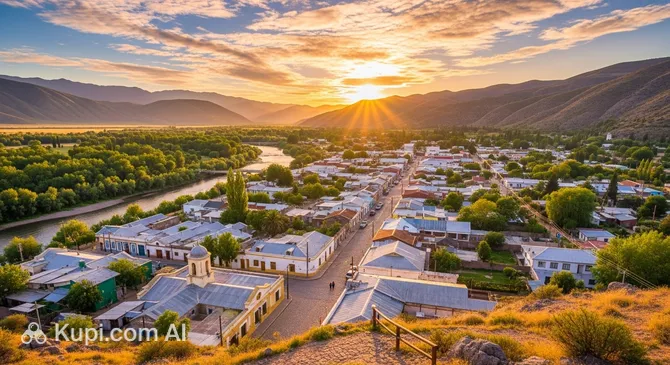
Villa Dolores. Illustration.
Source: Kupi.com AI

The local history of Villa Dolores began in the mid-19th century, and since then, the city has evolved into an important commercial and cultural center for the region. Strolling through its streets, you can feel the spirit of the past interwoven with the modern rhythm of life. The climate here is mild and comfortable, making a visit pleasant at almost any time of year, especially for those seeking refuge from the hustle and bustle of major metropolises.

Among the main attractions, the central square, Plaza Mitre, stands out—an ideal spot for evening walks and observing the local lifestyle. The architectural jewel of the city is the Basilica of Our Lady of Sorrows (Basílica Nuestra Señora de los Dolores), impressive in its grandeur and beauty. Additionally, the city serves as an excellent starting point for exploring the natural beauties of the valley, offering tourists access to scenic rivers and mountain trails.

Villa Dolores is a city that enchants with its simplicity and hospitality. It makes for an excellent stop on your journey, allowing you to enjoy the authentic Argentine province and recharge with the energy of nature.

Weather Overview

When planning your trip, keep in mind that the climate in this region has pronounced seasonality. Summers are hot and fairly humid: in January and December, daytime temperatures often reach 30°C, with average values staying around 24–25°C. Most of the rainfall occurs during the summer months, with up to 13 rainy days in January.

Winter, on the other hand, brings cooler temperatures and clear skies. In June and July, the average temperature drops to 10–11°C, and at night, the air can cool down to 4°C. There is almost no precipitation during the winter period, making these months dry and sunny, though warm clothing is required.

Overall, expect a warm, sometimes hot summer with periodic rain, and cool, dry winters. To choose the ideal time for your visit and pack your suitcase correctly, check the detailed weather in Villa Dolores with a monthly forecast.

Average monthly temperature

Average monthly precipitation

Interesting Facts

In addition to its main attractions, Villa Dolores holds unique features and traditions that make it a true cultural phenomenon of the region. This city is not just a point on the map, but a place with rich folklore and unexpected titles.

  • National Potato Capital. Villa Dolores proudly holds the title of the region's center for potato farming. Every year in January or February, the city hosts the massive National Potato Festival (Festival Nacional de la Papa). It is not just an agricultural fair, but a grand celebration featuring star-studded concerts, parades, and the crowning of the festival queen, drawing thousands of guests from across the country.

  • Its own "Greek Theater." One of the city's architectural prides is the Teatro Griego—an impressive open-air amphitheater. This venue accommodates about 10,000 spectators and serves as the main stage for major musical events and festivals, creating unique acoustics and an ancient atmosphere amidst the Argentine landscapes.

  • City of Poets. Villa Dolores is often called the "literary capital" of the Traslasierra Valley. The city is famous for its poetic traditions and regularly hosts international writers' meetings (Encuentro de Poetas). Residents proudly honor the memory of famous authors who lived and worked here, giving the city a special intellectual charm.

  • The Pearl of the West. Locals often refer to their city as the "Capital of the West" (Capital del Oeste). This is because Villa Dolores is the most important economic and cultural hub of the western part of Córdoba Province, connecting it with neighboring regions and serving as the gateway to the picturesque valley.

  • Legends of Piedra Pintada. On the outskirts of the city, in the Piedra Pintada area, one can find ancient indigenous petroglyphs. This place is shrouded in urban legends: local old-timers tell stories of "salamancas" (mystical caves) and mysterious sounds that can allegedly be heard here at night, attracting fans of mysticism and history.

How to Get There

When planning a trip to this picturesque corner of Córdoba Province, it is worth noting that there is no direct air service to the city itself. However, you can use airports in neighboring cities and then continue your journey by land transport. You can find all the details and consider various routes on the page where we provide more information on how to get to Villa Dolores.

The nearest air hub to the city is Valle Del Conlara Airport (RLO), located in the town of Merlo. It is only 49 km from Villa Dolores, and the trip by taxi or transfer will take about 1 hour and 30 minutes. This is a small airport, so the number of flights may be limited.

For international flights and a wider selection of domestic routes, it is most convenient to use the Ingeniero Aeronáutico Ambrosio L.V. Taravella International Airport (COR) in the city of Córdoba. It is located approximately 116 km from Villa Dolores. This is a major transport hub that handles many passengers annually. The journey from Córdoba airport to your destination by car or bus will take roughly 3–3.5 hours.

You can also consider flying through San Luis Airport (LUQ), located in the city of the same name at a distance of about 183 km. This is a regional airport, and the travel time from there to Villa Dolores will be approximately 4.5–5 hours.

For convenience, here is a summary of the main airports:

AirportPassenger trafficDistance
Valle Del Conlara12 60049 km
Ingeniero Aeronáutico Ambrosio L.V. Taravella International Airport2.9 mln116 km
Rio Cuarto45 000154 km
San Luis Airport73 362184 km

Main Attractions

Exploring the attractions of Villa Dolores goes far beyond the central square. A journey through this corner of Argentina offers tourists many opportunities for cultural leisure and outdoor recreation. If you have already visited the main basilica and the amphitheater, it’s time to delve deeper into the life of the city and its picturesque surroundings.

For quiet walks and sports, the Parque de la Vida (Life Park) is ideal. This large green space was created for the well-being and relaxation of residents. It features convenient paths for running and walking, picnic areas, and playgrounds. The park is an example of modern urban planning, where nature harmoniously blends with public zones, offering a great alternative to the busy streets.

You can immerse yourself in the region's past at the Historical Museum (Museo Histórico). The museum's collection carefully preserves artifacts that tell the story of the city's formation, the daily life of early settlers, and the development of the railway, which played a vital role in the local economy. This place will be of interest to those who want to understand what the Traslasierra Valley was like before modern times and see authentic antiques.

On hot summer days, the Municipal Beach (Balneario Municipal) becomes a center of attraction. Located on the riverbank, it offers refreshing cool water and equipped areas for relaxing by the water. Unlike the historical Piedra Pintada zone, the emphasis here is on comfortable beach leisure, swimming, and family picnics under the shade of trees.

Nature lovers should take a short trip out of town to the Dique La Viña dam. This monumental engineering structure features one of the highest concrete walls in South America. The observation decks offer breathtaking panoramic views of the reservoir and the mountain ranges. The site is popular among fishing and water sports enthusiasts and is an excellent location for panoramic photography.

Local Cuisine

The gastronomic scene in Villa Dolores is an honest and delicious reflection of Traslasierra Valley traditions. There is no pursuit of high molecular cuisine here; instead, people prefer hearty, home-cooked dishes made with soul from local products. The star of the local table is undoubtedly meat. While in this region, you must try chivito—young goat meat roasted on a grill or over an open flame "a la llama." It is incredibly tender and has a special aroma thanks to the herbs the animals feed on in the foothills.

Given the city's status as the "National Potato Capital," side dishes receive special attention. Local potatoes are famous for their quality, so even a simple order of french fries or homemade mashed potatoes can seem like a culinary revelation. Also, don't miss the chance to try empanadas cordobesas. Unlike other regions of Argentina, in Córdoba Province, these pastries are often juicier, with raisins and olives added to the filling and sometimes sprinkled with sugar for a savory-sweet contrast.

Among drinks, the undisputed king is Fernet and Coke. This is not just a cocktail, but a true cultural code of Córdoba Province. Locals drink it at meetings with friends, family dinners, and celebrations; the proportions may vary, but the drink's popularity remains constant. For those who prefer non-alcoholic options, an interesting discovery is adding the local herb peperina to tea or mate. This plant, which tastes like mint, grows in the mountains and gives drinks a unique refreshing flavor and aroma.

The food culture in Villa Dolores is characterized by relaxation and hospitality. Traditional parrillas (steakhouses) and family restaurants, many of which are located around the central square and adjacent streets, are popular dinner spots. It is customary to eat slowly, enjoying the conversation. If your visit coincides with festivals, be sure to try the street food: at fairs, they prepare excellent locro (a thick corn and meat stew) and fried empanadas, which are perfect for warming up on cool evenings.

For dessert, you should order alfajores cordobeses. The local variation of this popular treat is often made with fruit fillings (such as quince or fig) and covered in a sugar glaze, making them an excellent sweet souvenir from your trip.

Travel Tips

A trip to Villa Dolores promises to be peaceful and rewarding if you prepare for local characteristics in advance. We have gathered useful recommendations to help you feel confident in this cozy corner of the Traslasierra Valley and avoid typical tourist mistakes.

  1. Clothing and gear. It gets hot here in the summer, so bring light natural fabrics, a hat, and sunscreen. However, if you are visiting in winter (June–August), be sure to pack a warm jacket and a sweater—nights can be truly cold. For walks in the foothills and along the riverbank, you will need comfortable, broken-in shoes with non-slip soles.

  2. Transport. Villa Dolores is quite compact, and the historical center is easy to explore on foot. For trips to remote attractions or the dam, it's better to use a taxi or a "remis" (private hire with fixed rates)—it's reliable and inexpensive. Renting a car makes sense if you plan to explore the surrounding valley on your own.

  3. Money and payment. The official currency is the peso. Although cards are accepted in major Argentina supermarkets, small shops, kiosks, and markets in Villa Dolores often require cash. ATMs are available in the city center, but they can run out of money on weekends, so it's better to have a cash reserve (preferably small bills) in advance.

  4. Communication and language. The main language of communication is Spanish. Few people in the province speak English, so download an offline translator or learn basic polite phrases. Wi-Fi is available in most cafes and hotels. For constant connectivity, we recommend buying a local SIM card (Personal, Movistar, or Claro) at official stores or kiosks, as roaming can be unstable.

  5. Health and safety. The city is considered safe, but basic precautions should be taken: do not leave your belongings unattended. Pharmacies (Farmacias) operate on regular schedules, and duty pharmacies are open 24/7—look for the "de turno" sign. The tourist's main enemy here is the active sun and dry air, so drink plenty of water.

  6. Local etiquette and siesta. Remember the sacred time of the siesta: roughly from 1:00 PM to 5:00 PM, most shops and institutions close for a midday break. The city goes quiet during this time. When communicating, locals are very friendly and tactile; a kiss on the cheek is the norm for greeting, even with acquaintances.

  7. What to avoid. Don't try to have dinner early. Restaurants in Argentina don't open for dinner until 8:30–9:00 PM at the earliest. Arriving at 7:00 PM looking for a full dinner is often useless—the kitchen will be closed. Also, avoid showing impatience in lines—a slow pace of life is accepted here, and rushing can be perceived as rudeness.

  8. Local tip. If you want to buy souvenirs or food, go to the local fairs (Feria Franca). Here you can buy excellent locally-produced olive oil, homemade salami, and spices (especially peperina for tea) directly from farmers, which is cheaper and more authentic than in tourist shops.

By following these simple tips, you can avoid minor troubles and fully immerse yourself in the warm atmosphere of Villa Dolores' hospitality. We wish you a smooth journey, delicious discoveries, and unforgettable impressions from your acquaintance with the Argentine heartland!

Entertainment & Nightlife

Nightlife in Villa Dolores follows a steady pace typical of the province, but that doesn't mean the city goes to sleep at sunset. On the contrary, evenings here are filled with a cozy atmosphere and music. As in all of Argentina, night activity starts quite late, and the center of attraction is the area around the main square, Plaza Mitre, and the lively Avenida Belgrano, where most establishments are concentrated.

For those looking for classic entertainment, one of the main spots is the Casino de Villa Dolores. It is not just a gaming hall with slots and roulette, but also a popular meeting place that often hosts small show programs. If you want to dance or enjoy cocktails with a river view, head to the waterfront (Costanera). Here, for example, you can find Feel Parador—an establishment that combines a bar and nightclub format, gathering young people and fans of modern music.

Those who appreciate a quieter evening and gastronomic delights will enjoy the local restaurants and small wine bars scattered around the city center. These places are famous for their excellent drink lists, offering a chance to try local wine varieties in a relaxed setting perfect for long conversations. During the summer season, nightlife spills out onto the streets: terraces open, and the famous Teatro Griego amphitheater often hosts concerts and folklore festivals that can last until dawn.

Practical tips: It is customary to have dinner after 10:00 PM, and bars and clubs start filling up closer to midnight. The dress code in most places is casual, but for a night at a club or the casino, it’s worth choosing something neat (casual chic). The city is considered safe for night walks in the central areas; however, to return to your hotel, especially late at night, it is recommended to call a taxi or a "remis" (a private taxi with a fixed price) by phone or through an app.

If you're looking for an alternative to night parties, Villa Dolores offers a rich cultural program. You can visit the Municipal Theater, which stages interesting plays, or check out local cultural centers. For family recreation in the evening, the illuminated park areas are perfect, often hosting quiet events and weekend fairs.

Parks & Museums

The cultural and natural landscape of Villa Dolores offers travelers a harmonious blend of well-kept urban spaces and corners of wild nature. Here, surrounded by the majestic scenery of the Traslasierra Valley, green zones serve as more than just places to relax—they also preserve the history of the region, while local museums and architectural monuments allow you to touch the heritage of Córdoba Province.

The heart of the city's social life is Plaza Mitre. It is not just a central square, but a true miniature botanical garden where you can escape the midday heat under the shade of century-old trees. The space is decorated with neat flower beds and fountains, creating an oasis-like atmosphere amidst the urban setting. For tourists, it is an ideal starting point for getting to know the city, where you can observe the measured pace of life of the local residents and enjoy the architectural ensemble of the center.

The Piedra Pintada natural and archaeological zone, located on the banks of the river, deserves special attention. This place is unique because it combines picturesque river landscapes with historical value. Here, among natural rock formations and local flora, ancient petroglyphs of the indigenous Comechingones people are preserved. Walking the trails of this park allows you not only to breathe fresh air but also to touch the mystical past of this land, which is literally beneath your feet here.

The main guardian of the city's memory is the Municipal Historical Museum (Museo Histórico Municipal). Located in an old railway station building, the building itself is a monument to the era of industrial development in Argentina. The museum's exhibition immerses visitors in the atmosphere of the 19th and 20th centuries, displaying daily items from the first settlers, antique tools, and photographs telling the story of a small settlement's transformation into an important trade hub. This place will be interesting for those who want to understand the origins of the local mentality and traditions.

Among the city's architectural landmarks, it is impossible to miss the Basilica of Our Lady of Sorrows (Basílica Nuestra Señora de los Dolores). This majestic temple is the spiritual center of the city and impresses with its austere yet elegant facade. Inside, visitors will find an atmosphere of peace and beautiful stained-glass windows that play with color on sunny days. The basilica serves as an important landmark and a beautiful example of the region's religious architecture.

If you have the time, we suggest not limiting yourself to the city limits. Just a few kilometers from Villa Dolores, in the village of Nono, is the famous Rocsen Museum (Museo Rocsen). Although it is located outside the city, it is one of the most eclectic and rich museums in the country, frequently visited by guests of Villa Dolores. Its collection includes thousands of exhibits—from minerals and vintage cars to works of art—making it a true treasure trove for curious tourists.

Getting Around

The public transport system in Villa Dolores matches the steady rhythm of a small city. You won't find subways, trams, or trolleybuses here. The main modes of transport for locals and tourists are buses (colectivos), taxis, and so-called "remises" (private hire cars), as well as walking, since the compact city center is well-suited for it.

The central hub of the entire transport network is the Bus Terminal (Terminal de Ómnibus), located within the city. This is where most buses depart, connecting Villa Dolores with neighboring picturesque towns of the Traslasierra Valley, such as Mina Clavero, Nono, or Las Rosas. Local routes also exist for moving within the city itself, but they run less frequently than in large metropolises, and their schedules can depend on the time of year.

As for fares, the system here is more conservative than in the capital. If you are traveling on intercity buses through the valley, it is most reliable to purchase tickets at the ticket offices (boleterías) at the bus terminal before departure. Cash pesos are most commonly used for payment. It is important to note that the SUBE transport card, popular in other regions, might not be accepted on all local routes here, so always carry some small cash with you.

The most convenient and flexible transport for tourists remains taxis and remises. A remis is a type of private taxi that must be ordered by phone or through a dispatch office (agencia), although they can often be found at ranks near the terminal or the main square. Unlike regular taxis that you can hail on the street, remises often have fixed rates or a calculated fare based on distance, which should be agreed upon in advance. It is a safe and inexpensive way to reach your hotel or attractions.

If you plan to actively explore the surroundings and mountain roads, renting a car is the best alternative to public transport. Rental offices can be found both in the city center and near the bus terminal. This will give you freedom from bus schedules, which in the province may be adjusted for the "siesta." Bike rentals are also gaining popularity, especially for rides along the waterfront and park areas, but for longer trips, they are only suitable for physically fit tourists due to the terrain.

Practical tip: Remember that during the day (roughly from 1:00 PM to 4:00 PM), transport activity decreases. If you need to go somewhere during this time, it's best to order a taxi in advance or check the bus schedule at the terminal the day before, as online maps and apps with exact schedules for local transport may not exist or may not work correctly.

Accommodation

Accommodation in Villa Dolores is diverse and affordable, offering options suitable for both transit travelers and those planning to explore the Traslasierra Valley in detail. The city's hotel infrastructure consists mainly of mid-range hotels and cozy family-run guest houses. Unlike busy tourist hubs, a calmer atmosphere prevails here, and prices are often more budget-friendly.

When choosing a place to stay, consider your plans. The central district (around Plaza Mitre and pedestrian streets) is the ideal choice for those traveling without a car: restaurants, shops, and the main bus station are all within walking distance. If you are looking for privacy and proximity to nature, look at the outskirts of the city and the riverfront area, where you can find cabañas—traditional individual cabins common in Córdoba Province, often featuring their own kitchen and green space.

The price range varies from budget (simple hostels and inexpensive rooms) to mid-range. There are virtually no luxury five-star resorts directly within the city limits, but the level of service in local apart-hotels and guest houses is quite high and characterized by homey comfort. You can book accommodation through major international online platforms; however, many owners of private cabins and small hotels prefer direct communication via messaging apps, which can sometimes lead to better deals.

Booking tip: Although Villa Dolores is not the country's primary resort, during the National Potato Festival (January-February) and long holiday weekends, the demand for accommodation spikes. During these dates, it is highly recommended to book your rooms several weeks in advance to guarantee comfortable accommodation.

Nearby Cities

For those who want to explore the surrounding area, Villa Dolores serves as an excellent starting point for day trips to several interesting nearby locations:

Just an hour and a half away is the popular resort of Villa Carlos Paz. This city is famous for its scenic San Roque Lake, where you can enjoy water sports or go for a catamaran ride. Villa Carlos Paz is also known as the theatrical capital of the region and attracts tourists with its lively waterfront, restaurants, and famous cuckoo clock.

Lovers of history and a quiet atmosphere should visit the town of Alta Gracia. This place holds a rich cultural heritage: it is home to a Jesuit Estancia (Estancia Jesuítica), which is a UNESCO World Heritage site. Additionally, the town is known for the Che Guevara Museum, located in the house where the famous revolutionary spent his childhood. Alta Gracia enchants with its colonial architecture and cozy parks.

If you are ready for the rhythm of a big city, head to the provincial capital—Córdoba. This is the second-largest city in the country, famous for its universities, ancient churches, and the renowned Jesuit Block. Here, historical monuments stand alongside modern shopping centers and vibrant student life.

CityPopulationDistance
Santa Rosa de Calamuchita12 83063 km
Villa Rumipal1 26972 km
Alta Gracia48 14079 km
Embalse9 10780 km
Villa Carlos Paz62 42388 km

These nearby destinations provide a great overview of the region's diverse culture and landscapes.

Shopping & Souvenirs

Shopping in Villa Dolores is an opportunity to immerse yourself in the authentic atmosphere of provincial life. As the commercial center of the Traslasierra Valley, the city offers the widest selection of goods in the region: from basic essentials to unique local products. You won't find the luxury global brand boutiques typical of the capital here, but you can purchase high-quality products from regional producers and soulful souvenirs to remind you of your journey through Argentina.

The heart of the city's commercial life beats around the central Plaza Mitre. The main shops for clothing, shoes, sporting goods, and electronics are concentrated on the surrounding streets, particularly on the busy Avenida Belgrano. A walk through this area is a great way to combine sightseeing with shopping. In the evening, when the heat subsides, these streets fill with people and store windows light up, creating a cozy atmosphere for a promenade.

The city does not have giant Western-style shopping and entertainment complexes. Instead, small shopping galleries (galerías) located in the center are popular. In these passages, clothing stores, small coffee shops, and accessory boutiques coexist under one roof. This is a convenient shopping option if you want to find everything you need in one place without moving from street to street under the scorching sun.

A true gem for tourists is the Feria Franca—a local market that serves as a showcase for the region's agricultural wealth. Here, farmers and artisans offer the freshest products without intermediaries. It is the best place to buy homemade cheeses, honey, fresh pastries, and seasonal fruits. The atmosphere at the market is always friendly: vendors are happy to let you taste their goods and share recipes.

If you are looking for things to bring home, pay attention to gastronomic souvenirs and crafts. Villa Dolores and its surroundings are famous for the production of high-quality olive oil, which makes an excellent gift. Be sure to buy a bag of the local herb peperina (to add to tea or mate) and a box of traditional sweets—alfajores cordobeses with fruit fillings. Pottery (especially the black pottery typical of the valley) and handmade leather goods are also highly valued.

When planning your shopping trip, remember the sacred rule of the siesta. Most shops open around 8:30–9:00 AM, work until 1:00 PM, and then close for a long break. They only reopen at 5:00 or 6:00 PM, though business then continues until late in the evening (9:00–10:00 PM). Large supermarket chains might stay open without a break, but that is generally the exception.

Regarding payment, while large stores and supermarkets accept credit cards, in small souvenir shops, kiosks, and at the market, cash pesos are preferred. The Tax Free system is virtually non-existent in Villa Dolores, as shops here rarely belong to the international Global Blue system. Therefore, you should not count on a VAT refund for your purchases; view local prices as final, though they are often lower than those in the capital.

Reached the end of the page?

That means the route is fully explored