Support

Portal De San Nicolas

About

The San Nicolas Portal (Portal De San Nicolas) is a symbolic architectural arch and an important historical landmark located in the heart of La Rioja. Serving as a gateway to the historical center, this portal embodies Argentina's rich colonial past and acts as a vital cultural link between the modern city and its spiritual origins.
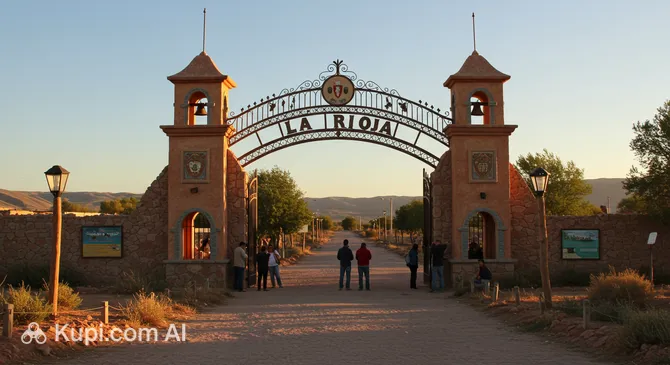
San Nicolás Gateway
San Nicolás Gateway. Иллюстрация. Источник: Kupi.com AI

The portal is situated in close proximity to the city's main religious sites, including the cathedral dedicated to the city's patron saint—Saint Nicholas of Bari. The majestic construction of the gate blends harmoniously with the surrounding Neo-Colonial buildings, creating a unique silhouette against the backdrop of the arid but picturesque Sierra de Velasco ridges.

For travelers, this site is an ideal starting point for exploring the city. Here, you can feel the spirit of old Rioja, founded back in the 16th century, and see how carefully the local residents preserve their traditions. Around-the-clock access to the monument makes it a popular spot for a walk at any time of day.

Contacts

If you need to clarify information before your visit or plan an exact route, you can use the official location details provided.

How to contactContact
AddressF5300 La Rioja, La Rioja Province, Argentina

What to Do

A visit to the San Nicolas Portal offers excellent opportunities for walking tours. Start with a detailed look at the arch itself: its architecture is particularly striking against the backdrop of the Sierra de Velasco mountain range. If you enjoy photography, be sure to wait for sunset or stop by at night—artistic lighting gives the portal a uniquely majestic appearance.

Continue your route toward Plaza 25 de Mayo. This is the hub of city life, where fairs, cultural events, and open-air concerts are frequently held. Within walking distance, you will find architectural gems such as the Santo Domingo Church, built in 1623, and the Neo-Colonial Casa de Gobierno (Government House). Be sure to notice the equestrian monument to General José de San Martín, the national hero of Argentina.

Don't miss the chance to experience the region's gastronomic culture. Numerous cozy cafes are located near the portal, where you can try the famous local olives and sample the wines that La Rioja province is renowned for. Observing the unhurried pace of local life from a bench by the fountains will help you truly feel the authentic atmosphere of this Argentine oasis.

Getting There

The attraction is located in the heart of the historical center at F5300 La Rioja. If you are already staying in the central part of the city, the easiest way to reach the site is on foot—the arch is just a few minutes' walk from the main square, Plaza 25 de Mayo. For navigation, you can use the coordinates -66.8380181, -29.4112517.

For those arriving from other regions, the main transport hub is the Capitán Ángel de la Paz Aragones Airport (IRJ), located approximately 15–20 kilometers away. A taxi or local bus ride from the airport to the center takes about 20–30 minutes. Ride-hailing services, including Uber, are also active in the city.

Travelers who prefer land transport can use comfortable long-distance buses from companies such as Andesmar or FlixBus, which travel from Buenos Aires (the journey takes about 20–22 hours). Within La Rioja itself, parking near the portal is usually available and inexpensive, though city traffic density should be considered during peak tourist season.

Ближайший город: La Rioja

History & Facts

The history of this site is inextricably linked to the founding of the city itself. La Rioja was founded on May 20, 1591, by the Spanish governor Juan Ramírez de Velasco. He named the settlement "City of All Saints of New Rioja" in honor of his homeland in Spain. The location at the foot of the Sierra de Velasco range was chosen carefully: the mountains provided protection, and mountain streams offered water in an otherwise arid climate.

From the early years of the city, religious orders were very active here, including the Franciscans, Dominicans, and Jesuits. The San Nicolas Portal was named after Saint Nicholas of Bari, the patron saint of the city. This highlights the region's deep religious and cultural heritage, where European traditions became closely intertwined with the culture of the indigenous Diaguita people.

In the 19th and 20th centuries, the architectural appearance of the square and surrounding areas continued to evolve, despite a devastating earthquake in 1894. The modern ensemble, which includes the portal and the neighboring cathedral, is designed in the Neo-Colonial style, which has become a hallmark of the historical center and a symbol of the province's resilience.

Time Needed

To see the San Nicolas Portal and take some commemorative photos, you will only need a short amount of time—about 20–30 minutes. However, this landmark is just one part of the city center's rich architectural ensemble, so it is best to plan a more comprehensive visit.

We recommend setting aside 1 to 2 hours for a walk through the historical center and Plaza 25 de Mayo. This is plenty of time to leisurely study the details of the arch, visit the cathedral, and enjoy the atmosphere of the ancient streets of La Rioja.

Working Hours

One of the pleasant features of this attraction is its accessibility. The San Nicolas Portal is open to visitors 24 hours a day, seven days a week, including weekends and public holidays.

You can freely plan your visit for early morning to catch the soft sunlight for photos, or late in the evening when the arch is beautifully illuminated by the city lights.

Круглосуточно

Nearby

A walk through the city center offers many opportunities for those who want to dive deeper into the atmosphere of this Argentine province. Exploring the surroundings of the San Nicolas Portal will allow you to see not only historical monuments but also modern cultural spaces.

NameDistance
La Stanza Ristorante1.1 km
Cerro Cruz Brewery1.5 km
Acqua Bar & Café1.7 km
25 de Mayo Square1.7 km
Vargas Stadium1.8 km
Inca Huasi Regional Museum1.9 km
Guten Tag2.1 km

Reached the end of the page?

That means the route is fully explored