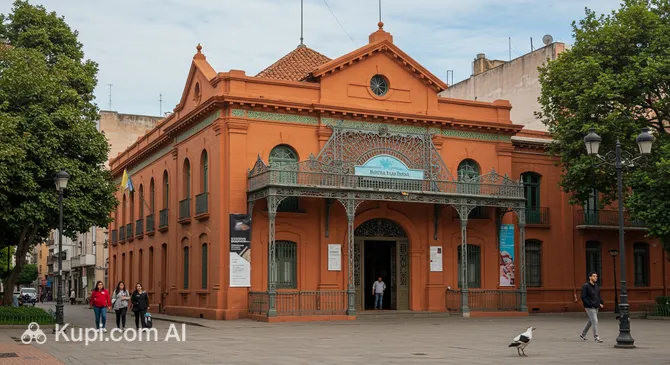
In the heart of the province known as the "olive capital" lies a fascinating place—the Don Julio Museum (also known by the brand Tupelí). This museum is a true tribute to the history of the olive industry in the city of San Juan and throughout Argentina. It is dedicated to the life and work of the pioneers who turned olive cultivation into a national heritage.
Don Julio Museum. Illustration.
Source: Kupi.com AI
Traveler photos:
The museum is a unique combination of a cultural center and an industrial monument. Located next to an old factory, it offers visitors a chance to dive into the production atmosphere of years past. It carefully preserves artifacts, documents, and vintage equipment that tell the story of the industry's first steps and its significance for the region's economic development.
In addition to its historical value, the site attracts attention for its gastronomic aspect. Its connection with the Tupelí brand makes the visit interesting not only for history buffs but also for foodies wanting to learn more about the quality and traditions of Argentine olive oil production. This is a place where industrial heritage meets modern standards of hospitality.
Contacts
For more information about group tours or special events, you can contact the museum staff directly using the details below.
A visit to the museum begins with an exciting journey through time in the exhibition halls. You can see rare archival photographs and documents telling the story of how the first plantations were established. Of particular interest are the vintage mechanisms and presses used to extract oil decades ago.
The museum route logically ends in a room adjacent to the old factory. Here you can see authentic equipment firsthand and understand the complex process of turning olives into "liquid gold." For many visitors, the highlight is the opportunity to compare the technologies of the past with modern production methods.
Since the museum is closely linked with the Tupelí Gourmet brand, a mandatory part of the program is getting to know the finished products. In the local shop, you can not only learn about different varieties of olive oil but also purchase gourmet souvenirs—from classic extra virgin oil to exquisite sauces and delicacies that will serve as a great reminder of your trip to San Juan.
Getting There
Finding the Don Julio Museum in San Juan is easy, as it is located in the central part of the city. The exact address is 25 de Mayo Oeste 166. Thanks to its convenient location in the Pasaje interno, the museum is within walking distance of many administrative buildings and cultural centers.
For tourists, the most comfortable way to get around the city is by taxi or using popular ride-hailing apps. A trip from most downtown areas will take no more than 10–15 minutes. If you prefer public transport, look for bus stops in the area of 25 de Mayo Oeste street, which are in the immediate vicinity of the entrance.
If you have rented a car for your journey through Argentina, you can easily reach the museum using GPS coordinates. There is parking available nearby, making the visit very convenient for those planning to continue their route through the region after exploring the exhibition.
Nearest city: San Juan
History & Facts
The history of this place is inextricably linked to the development of agriculture in the region. The Don Julio Museum is dedicated to the memory of a pioneer of the olive industry in San Juan, whose efforts turned arid lands into flourishing plantations. The exhibition recreates in detail the early years of the industry's formation, when olive oil production was just beginning to reach industrial scales.
One of the most remarkable elements of the complex is the old factory building adjacent to the museum. It serves as a living testament to technological progress: here you can trace the journey from the first primitive presses to more advanced mechanisms used in the mid-20th century. The architecture and authentic atmosphere of the factory allow you to literally touch the country's industrial past.
The museum also emphasizes local traditions and family heritage. The story of Don Julio's family is an example of how passion for one's craft can influence the economy of an entire region. Visitors learn about the introduction of irrigation and processing methods that were innovative for their time, allowing local oil to take a place of pride on tables across Argentina.
Time Needed
To leisurely explore the main exhibition, review the historical documents, and visit the old factory hall, you will need about 1–2 hours. This is plenty of time for a thoughtful immersion into the history of olive production without feeling rushed.
If you also plan to spend time selecting products in the gourmet shop or stay longer to study the ancient equipment in detail, you might want to allow for a bit more time. The museum makes an excellent addition to a morning or evening walk through the city center.
Working Hours
When planning your visit, keep in mind the region's traditional schedule with a siesta break. The museum is open to visitors on weekdays and on Saturday mornings:
Monday — Friday: 09:00 – 13:00 and 17:00 – 21:00;
Saturday: 09:00 – 13:00;
Sunday: Closed.
Day
Working hours
Monday
9:00 – 13:00, 5:00 – 21:00
Tuesday
9:00 – 13:00, 5:00 – 21:00
Wednesday
9:00 – 13:00, 5:00 – 21:00
Thursday
9:00 – 13:00, 5:00 – 21:00
Friday
9:00 – 13:00, 5:00 – 21:00
Saturday
9:00 – 13:00
Sunday
Closed
Nearby
After learning about the history of the olive industry, it is worth taking some time to walk around the neighborhood. The center of San Juan is rich in historical monuments and cozy public spaces that allow you to get a better feel for the city's atmosphere.
Within walking distance of the museum, you will find both memorial complexes and spots for family recreation. Below is a list of nearby attractions that can complement your cultural program.