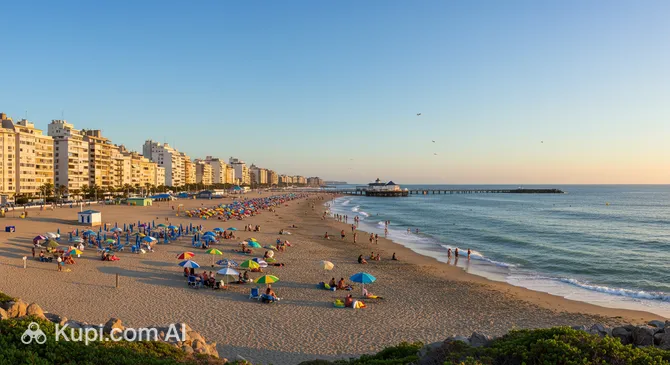
Miramar is a true gem of the Argentine coast, nestled comfortably on the shores of the Atlantic Ocean. Located approximately 400 kilometers south of Buenos Aires and just 45 kilometers from the popular Mar del Plata, this city seems perfectly designed for those dreaming of a slow-paced and peaceful seaside getaway. Here, golden beaches blend harmoniously with green forests, while the fresh ocean breeze fills each day with a special energy.
With a population of around 30,000 people, Miramar maintains the charming atmosphere of a small resort town where every guest feels at home. Despite its compact size, the city offers everything needed for a fulfilling vacation: well-kept beaches, picturesque parks, cozy cafes, and restaurants serving local cuisine. Administratively, Miramar is part of the Buenos Aires Province and is rightfully considered one of the most attractive resorts in the region.
Miramar. Illustration.
Source: Kupi.com AI
The main appeal of Miramar is its relaxed pace of life and the genuine hospitality of the locals. It is easy to forget the urban bustle here and completely immerse yourself in an atmosphere of serenity. Popular activities include leisurely strolls along the scenic waterfront, picnics in the shady forests, bike rides through the surroundings, and, of course, quiet evenings accompanied by the soothing sound of the surf.
Miramar is an ideal destination for family vacations with children, romantic trips, and for anyone who values harmony with nature and traditional resort comfort. Come and enjoy the tranquility and beauty of this wonderful corner of Argentina!
The weather in Miramar is characterized by warm summers and mild, cool winters. The average temperature in the summer months (December-February) fluctuates around 19-21°C, with maximum values reaching 24-25°C. In winter (June-August), the average temperature is about 9-11°C, with minimums around 7°C. Rainfall in Miramar is quite scarce, averaging 2-3 mm per month, and is distributed relatively evenly throughout the year, with 7-10 rainy days each month. Thus, expect warm summers with low precipitation and cool, also relatively dry winters. You can find more detailed information on the weather in Miramar page.
Average monthly temperature
Average monthly precipitation
Interesting Facts
In addition to its sunny beaches and relaxing resort atmosphere, Miramar holds several curious secrets and unique features that make it even more attractive to travelers. Here are just a few lesser-known facts about this Argentine city:
The city's name itself, "Miramar," is very poetic and accurately reflects its essence: in Spanish, it translates to "view the sea" or "behold the sea." Indeed, magnificent sea views open up from almost any point, and the local sunsets over the Atlantic Ocean are famous for their beauty.
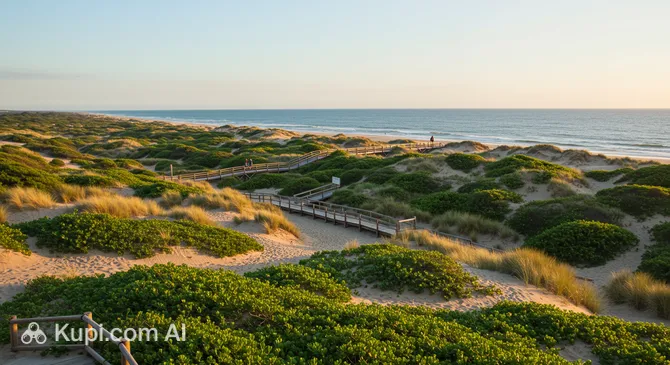
In the vicinity of Miramar lies a unique natural site—the Florentino Ameghino Dune Forest. Part of this extensive forest is the mysterious "Energy Forest" (Bosque Energético). This place is shrouded in many legends and myths: locals and tourists speak of feeling a special energy, and some even claim that compasses behave unusually here.
One of the vibrant local traditions is the asado picnic, which Argentines love to have in nature. Special areas with grills are set up in the forest zones of Miramar, where families and groups of friends gather to enjoy the famous Argentine grilled meat and socialize in the fresh air.
Miramar has a small but very atmospheric museum called Punta Hermengo (Museo Punta Hermengo). Here, you can immerse yourself in the region's maritime history, learn about the lives of early settlers and fishermen, and see interesting exhibits related to the ocean and the coast.
How to Get There
There are several ways to reach Miramar, with air travel being the primary choice for many tourists. The nearest major transportation hub is Mar del Plata Airport (IATA: MDQ). This airport is located in the city of Mar del Plata, approximately 44 kilometers north of Miramar. A trip from there to your destination in Miramar by taxi or regular bus usually takes about 1 hour and 30 minutes. The airport serves both domestic Argentine flights and some international routes, making it a convenient arrival point for travelers.
In addition to flying, Miramar is easily accessible by comfortable long-distance buses from Buenos Aires and other major cities in Argentina, as the country has a well-developed bus network. Traveling by car is also a popular option, especially if you plan to explore the picturesque Atlantic coast and its surroundings at your own pace.
For your convenience, here is a summary of the nearest airport:
Miramar, a charming resort town in the Buenos Aires Province, offers its guests a variety of leisure and entertainment options. There are interesting spots for nature lovers as well as those who prefer urban strolls and shopping. Let's get to know some of the key attractions of this cozy Argentine destination.
One of the main natural highlights of Miramar is the Florentino Ameghino Dune Forest. This unique forest massif, stretching along the Atlantic coast, offers visitors not only picturesque landscapes but also the opportunity for peaceful walks along specially marked trails. Here, you can enjoy the fresh sea air mixed with the scent of pine and observe the local flora and fauna. It is an excellent place to escape the city bustle and reconnect with nature, attracting tourists with its calm atmosphere and beauty.
For family outings and a chance to discover the animal world, the Las Dunas Miramar Zoo is a perfect choice. Set in a scenic area, this zoo is home to many animal species, both local and from other parts of the world. Visitors can learn a lot about the habits and lifestyles of its residents, and engaging educational programs are often held for children. This place is sure to provide plenty of positive emotions and bright impressions for both adults and young guests of the city.
Las Dunas Miramar Zoo. Illustration.
Source: Kupi.com AI
Traveler photos:
The center of city life and a favorite spot for walking, shopping, and evening entertainment is the 21st Street Pedestrian Mall. It becomes especially lively as evening falls: the street fills with the light of numerous shop windows, souvenir stalls, and the aromas wafting from cozy cafes and restaurants. This is the ideal place to feel the vibrant atmosphere of Miramar, buy memorable gifts, enjoy local cuisine, or simply take a slow stroll. Not far from the pedestrian street, you can also stop by the Central Gallery, which offers additional opportunities for pleasant shopping.
21st Street Pedestrian Walk (Miramar). Illustration.
Source: Kupi.com AI
Traveler photos:
Local Cuisine
The gastronomy of Miramar is a true immersion into the flavors of Argentina, where traditions and the freshness of local products create unforgettable impressions. The city will delight both lovers of juicy meat and fans of seafood, offering authentic dishes in a cozy atmosphere.
The star of the local cuisine is undoubtedly the famous Argentine asado—meat masterfully prepared over an open fire. Many locals and tourists organize asado picnics in the picturesque Bosque del Vivero forest, where the aroma of grilling meat mixes with the fresh sea breeze, creating ideal conditions for a family or friendly feast. It is also worth trying empanadas—traditional Argentine pastries with various fillings, ranging from meat to vegetables.
Thanks to its coastal location, Miramar is famous for fresh fish and seafood. Numerous small restaurants offer dishes made from sea bream, squid, and shrimp, as well as aromatic fish soups and casseroles prepared according to local fishermen's recipes. This is a great opportunity to enjoy the bounty of the Atlantic Ocean.
Local markets are another place to experience Miramar's gastronomic culture. Here, you will find an abundance of farm products: fresh vegetables and fruits, artisan cheeses, and homemade pastries. For those with a sweet tooth, Miramar is a paradise. Be sure to try desserts with dulce de leche, homemade pies, and ice cream with original flavors.
When it comes to drinks, one cannot fail to mention the traditional Argentine mate—a tonifying beverage consumed everywhere. Among alcoholic drinks, Argentine wines are popular, especially the red Malbec, as well as the Fernet with Cola cocktail, which has a cult status in the country.
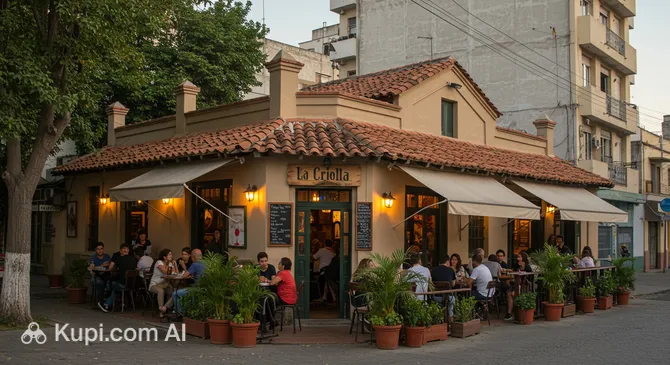
La Criolla. Illustration.
Source: Kupi.com AI
Traveler photos:
You can dine in Miramar at casual cafes as well as restaurants with more refined cuisine. For example, the restaurant La Criolla offers traditional Argentine dishes in a cozy setting. In the summer, the city often hosts gastronomic festivals where you can taste culinary delights from local chefs, enjoy live music, and even participate in cooking masterclasses. Overall, Miramar's gastronomic scene combines home comfort, the freshness of coastal treasures, and vibrant Argentine character.
Travel Tips
Welcome to Miramar! To make your journey to this charming Argentine resort town as comfortable and pleasant as possible, we have prepared some practical tips. Following them will help you avoid minor inconveniences and fully enjoy your vacation on the Atlantic coast.
Clothing and Essentials by Season: Miramar is a coastal city, so the weather can be changeable. In summer (December-February), bring light clothing, swimwear, a hat, and sunscreen. In winter (June-August), you'll need warm clothes, a windbreaker, and a hat. Comfortable shoes are a must for walks along the waterfront and the famous "Bosque Energético" (Energy Forest). Don't forget an adapter for Argentine outlets (Type I). When visiting churches, choose modest clothing that covers shoulders and knees.
Getting Around the City: Miramar is a compact city, and many places can be explored on foot. The main form of public transport is local buses (colectivos). Taxis and remis (private cars with drivers) are also available. Renting a car can be convenient if you plan to explore the surroundings, but it is not always necessary for the city itself.
Financial Matters: The official currency is the Argentine Peso (ARS). It's best to exchange money at banks or official exchange offices (casas de cambio). Credit cards (Visa, Mastercard) are accepted in many hotels, restaurants, and large stores, but always have some cash on hand for small cafes, markets, and souvenir stalls. ATMs (cajeros automáticos) are available, but there may be lines or withdrawal limits. A 10% tip in restaurants is welcomed if service is not included in the bill.
Health and Safety: There are pharmacies (farmacias) in Miramar, some of which operate 24/7 on a rotating schedule. Medical assistance can be obtained at the local hospital. The city is considered quite safe, but standard precautions are recommended: keep an eye on your belongings, especially on the beach, and avoid walking in poorly lit areas after dark. Drinking bottled water is recommended.
Language and Connectivity: The official language is Spanish. English is understood in tourist areas, but knowing a few basic Spanish phrases (e.g., "Hola" – hello, "Gracias" – thank you, "Por favor" – please, "¿Cuánto cuesta?" – how much does it cost?) will be very helpful and appreciated by locals. A SIM card with internet access can be purchased at local operator stores. Wi-Fi is available in most hotels and many cafes.
Local Etiquette: Argentines are very sociable and friendly. A handshake is common when meeting, while a kiss on the cheek is customary between friends. Address elders or strangers respectfully: "señor" (sir), "señora" (madam). Being slightly late for informal meetings is considered normal.
What to Avoid: Try not to compare Argentina with other countries in a derogatory way and refrain from strong statements on sensitive political topics unless you are sure of the listener's reaction. Also, avoid openly displaying large amounts of cash or expensive jewelry in crowded places.
Special Feature of Miramar: Be sure to visit the unique "Bosque Energético" (Energy Forest)—a place shrouded in legends about its unusual properties. Also, keep in mind that many shops may close for siesta in the afternoon (approximately from 1:00 PM to 4:00 PM or 5:00 PM). Plan your shopping accordingly.
We hope these tips help you better prepare for your trip to Miramar and make your stay here unforgettable. We wish you bright impressions and a great vacation in this beautiful corner of Argentina!
Entertainment & Nightlife
Miramar, known for its beachside charm, transforms after dark, offering guests a variety of options for evening and night leisure. While it isn't a metropolis with 24/7 parties, you can find cozy spots to enjoy your time after sunset, especially during the peak tourist season.
The main hub for evening entertainment is often the 21st Street Pedestrian Mall. Numerous bars, restaurants, and cafes are concentrated here and on the surrounding streets, creating a lively atmosphere. The waterfront also comes alive in the evenings, offering walks under the stars and venues with sea views. These areas are where the city's main evening life happens.
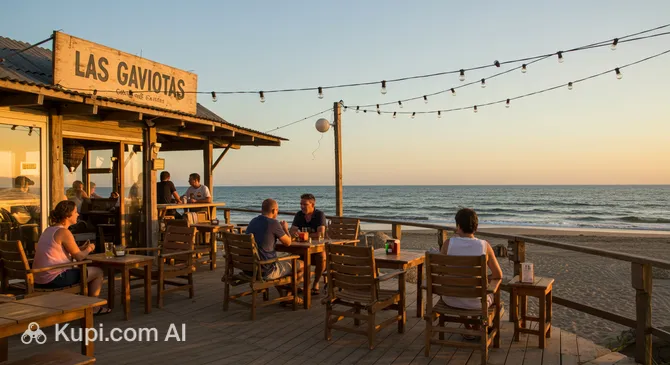
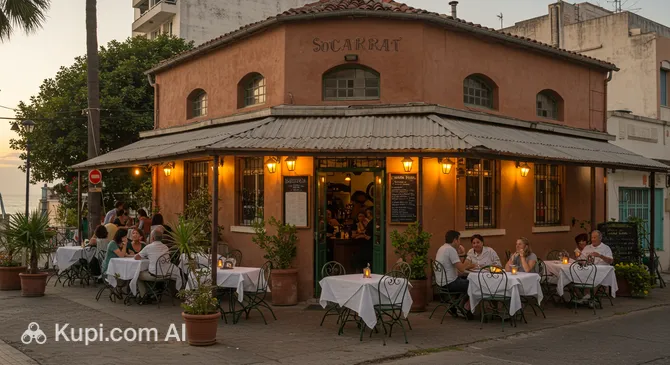
In Miramar, you will find establishments for every taste, from cozy bars where you can enjoy local drinks and snacks to restaurants offering late-night dinners. For instance, the bar Las Gaviotas is known for its pleasant atmosphere and good selection of cocktails. For dinner, you might consider places like La Criolla, which serves local cuisine, or Socarrat Miramar, known for its gastronomic delights. Nightclubs typically start operating closer to midnight and offer dance music until the early morning, especially during the summer months. Some venues may also offer live music, particularly on weekends.
Las Gaviotas. Illustration.
Source: Kupi.com AI
Traveler photos:
As for night markets, they are not a typical feature of city life in Miramar in the classic sense. However, during the summer season and on weekends, evening craft fairs (ferias artesanales) are often held, particularly around the central square or the waterfront. At these fairs, you can buy souvenirs, local handmade goods, and sometimes try street food, creating a pleasant atmosphere for evening walks.
Socarrat Miramar. Illustration.
Source: Kupi.com AI
Traveler photos:
The atmosphere of Miramar at night is generally relaxed and friendly. The crowd is mixed, ranging from young people looking for fun to couples enjoying the evening cool. Most bars and restaurants are open until late at night, and clubs stay open until dawn. The dress code is usually informal; casual style is perfectly appropriate, though some trendier spots might expect a more dressed-up look.
If you plan to dive into Miramar's nightlife, the best time is after 10:00 PM, when the venues begin to fill up. Prices in bars and restaurants are generally moderate but can vary depending on the establishment's level and location. To get around the city at night, it is most convenient to use taxi services. It is recommended to book taxis through well-known local companies or official stands to ensure a safe trip.
In terms of safety, the main tourist zones, including the 21st Street Pedestrian Mall and the waterfront, are considered quite safe for evening walks. Nevertheless, as in any tourist city, it's worth taking standard precautions: keep an eye on your personal belongings and avoid poorly lit or deserted areas late at night.
During the day, Miramar also offers plenty of entertainment. Visitors can check out local museums to learn about the region's history and culture or spend time in the parks. For example, the Las Dunas Miramar Zoo can be an interesting place for a family outing, while a walk through the Florentino Ameghino Dune Forest will provide unforgettable impressions for nature lovers. Theaters and cinemas also offer programs for cultural leisure.
Parks & Museums
Miramar, nestled on the coast of Argentina, offers its guests not only magnificent beaches but also interesting opportunities to explore nature and local culture. The city boasts unique green zones and places where you can touch its unique atmosphere.
One of the main natural highlights is the Florentino Ameghino Dune Forest. This is a unique coastal forest stretching along the Atlantic Ocean, where you can walk along scenic trails, enjoying the fresh sea air and the beauty of the local flora and fauna. It is a great place for those seeking solitude with nature and wanting to see untouched corners of the coast.
In addition to the forest, Miramar's beaches themselves are an extensive natural area, ideal for relaxation, long walks, and ocean watching. While the city may not have many large formal parks, its waterfront and small green squares offer pleasant spots for outdoor recreation.
Although Miramar is better known for its natural beauty than for large museum complexes, travelers interested in culture can find charm in the local atmosphere. Information about small art galleries or temporary exhibitions is best checked locally, as they may be seasonal. Interesting works by local artisans can often be found at craft fairs, where handmade items and souvenirs are showcased.
For family vacations and discovering the animal world, the Las Dunas Miramar Zoo is a great fit. Located in a natural environment, it offers the opportunity to see various animals and learn more about their habitats. This is a popular spot for visitors with children, where you can spend several fascinating hours.
Las Dunas Miramar Zoo. Illustration.
Source: Kupi.com AI
Traveler photos:
The center of city life and the place to feel the pulse of Miramar is the 21st Street Pedestrian Mall. Shops, cafes, and restaurants are concentrated here. A stroll down this street allows you to see the local architecture and observe the daily life of the townspeople. In the evening, the street comes alive, becoming a popular place for walking and meeting people.
To get a more authentic experience, turn off the main tourist routes. Explore the quiet streets leading away from the coast or find a cozy local cafe to enjoy Argentine coffee and traditional pastries. Evening walks along less crowded sections of the beach will offer unforgettable views of the sunset over the Atlantic Ocean.
Getting Around
Getting around Miramar is quite convenient, and although the city is not very large, it has its own public transport options to help you reach your destinations. The backbone of the transport system consists of local buses, known in Argentina as "colectivos." They run along the main streets and connect different areas of the city, and can also take you to the nearby outskirts.
To pay for bus fares, the unified SUBE (Sistema Único de Boleto Electrónico) transport card is most commonly used, which is valid in many cities across Argentina. You can usually purchase and top up a SUBE card at kiosks ("kioscos"), lottery points, or special service centers. This is the most convenient way to pay, as cash payments directly to the driver may not be possible or are discouraged. When entering the bus, you must tap the card against the validator. Fares are typically low, but it is best to check the exact rates locally or when purchasing your card.
Buses in Miramar generally start running in the early morning and finish in the evening, but exact schedules can vary depending on the route and the day of the week. During the tourist season, service intervals may be shorter. Information about routes can sometimes be found at bus stops or by asking local residents.
In addition to buses, taxi services are always available in Miramar. They can be called by phone or found at designated taxi stands. "Remises" are also common—these are private cars with drivers that work on fixed rates and are often booked in advance for specific distances. Given the resort nature of the town, bicycle rentals are popular during the warmer months—an excellent way to leisurely explore the waterfront and the surrounding areas.
Miramar does not have unique modes of transport like a historic subway or cable car, but the existing system adequately meets the needs of residents and tourists, making travel within the city accessible and relatively simple.
Accommodation
In Miramar, there is a wide range of accommodation options to suit the needs of various travelers. You can find budget options such as hostels and guesthouses, as well as comfortable mid-range hotels and short-term rental apartments that offer more space and privacy. For those seeking a more luxurious stay, resort hotels with a full range of services are available.
The most popular areas for tourists are those located in close proximity to the beaches and the central part of the city. Staying here provides easy access to major attractions, restaurants, shops, and entertainment venues. The central streets are also convenient in terms of transport accessibility.
Among the well-known accommodation options in Miramar is the Alto Miramar Resort & Spa, which offers comfortable conditions and various services for vacationers. This resort hotel is a good example of the quality service available in the city.
Alto Miramar Resort & Spa. Illustration.
Source: Kupi.com AI
Traveler photos:
When planning a trip to Miramar, especially during the peak tourist season (usually the summer months), it is recommended to book your accommodation in advance. This will allow you to choose the best option in terms of price and quality, as well as guarantee availability. Accommodation prices range from budget-friendly to higher-end, depending on the type of lodging, its location, and the amenities provided. The most common booking methods are through popular online platforms or by contacting hotels and apartment owners directly.
Nearby Cities
For those looking to explore the surrounding areas, Miramar serves as an excellent starting point for day trips to several interesting nearby locations:
Among them, Mar del Plata stands out as the largest resort city in Argentina, located just 39 km from Miramar. This popular city offers magnificent beaches, a lively promenade with numerous restaurants and shops, a famous casino, and various cultural events throughout the year. A bit further away, at a distance of 85 km, is Necochea—another attractive coastal city. It is famous for its wide and less crowded sandy beaches, the expansive Miguel Lillo Park, which is perfect for walks and picnics, and a generally calmer atmosphere, making it a great choice for family vacations. For those who prefer to swap seaside views for hilly landscapes, a trip to Tandil (155 km) is an interesting option. This charming town, nestled among the picturesque hills of the Sierras de Tandilia, is known for its high-quality local products like cheeses and cured meats, and it also offers excellent opportunities for hiking, rock climbing, and enjoying nature.
These nearby destinations provide a glimpse into the diverse culture and landscapes of the region, complementing the holiday experience in Miramar.
Shopping & Souvenirs
Miramar, a charming resort town in Argentina, offers its guests pleasant shopping opportunities, especially if you are looking for souvenirs, beach gear, or local delicacies. While it is not a major metropolis with massive shopping malls, you can find everything needed for a comfortable vacation and bring home memorable gifts.
The primary shopping destination in Miramar is the 21st Street Pedestrian Mall. This is a vibrant artery of the city, home to numerous shops for clothing, shoes, accessories, souvenir stalls, and cafes. Here, you can take a leisurely stroll while choosing gifts or updating your wardrobe. The atmosphere here is particularly lively in the evenings and during the peak tourist season.
If you prefer shopping in a more concentrated space, visit the Central Gallery. This shopping complex offers a selection of various stores where you can find products from local manufacturers as well as well-known brands. It's a convenient place for shopping in any weather.
Central Gallery. Illustration.
Source: Kupi.com AI
Traveler photos:
While Miramar may not have large traditional markets like bigger cities, craft fairs and small market rows often appear during the tourist season. Here, you can find handmade items, local sweets, and unique souvenirs. Keep an eye out for local event announcements—you might be lucky enough to catch one of these fairs.
For souvenirs from Miramar and Argentina in general, look for leather goods, traditional mate sets (calabash and bombilla), alpaca items, dulce de leche treats, and local wines. In coastal Miramar, you can also find maritime-themed souvenirs such as seashells, wood crafts, and ceramics.
Shops in Miramar typically open in the morning (around 9:00-10:00) and stay open until evening (until 20:00-21:00), with many taking a siesta break in the middle of the day, especially outside the peak season. During the summer months, hours may be extended. Most shops and malls accept both cash in Argentine pesos and credit cards. However, keep some cash on hand for small purchases or in case a terminal is down.
Foreign tourists can take advantage of the VAT refund system (Tax Free) on certain goods manufactured in Argentina when leaving the country. Inquire about the conditions and the possibility of processing Tax Free directly at the shops when making your purchases. This usually requires presenting a passport and filling out a special form.