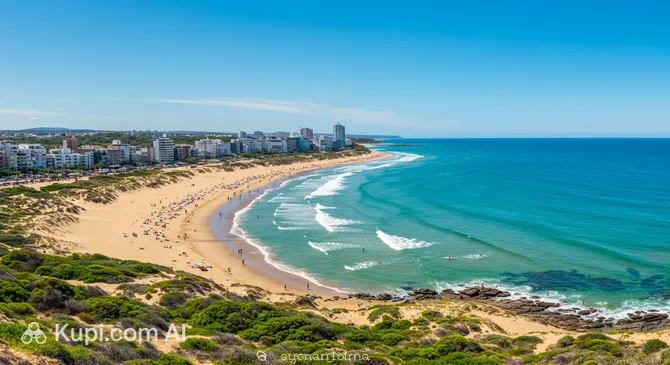
Pinamar is a picturesque resort town located on the Atlantic coast in the Buenos Aires Province, Argentina. Situated approximately 340 kilometers from the national capital, Buenos Aires, it attracts visitors with its unique natural landscape where dense pine groves meet sandy dunes and wide beaches, creating a singular atmosphere for relaxation.
Pinamar. Illustration.
Source: Kupi.com AI
With a population of about 45,000 people, Pinamar retains the cozy feel of a small town while dynamically developing as a popular resort. It is often called the "city of the young" due to its energetic and cheerful atmosphere, which is particularly noticeable during the summer season. One of Pinamar's key features is its harmonious architecture, where modern buildings stand alongside traditional mansions, giving the city a special charm.
Pinamar is attractive not only for its natural beauty and beaches but also for its opportunities for active recreation and cultural leisure. Guests can enjoy strolls along shaded streets and parks, engage in water sports, or explore local dining establishments. During the summer months, numerous cultural and sporting events take place here. If you are looking for a place to combine a relaxing seaside holiday with vibrant experiences and an introduction to local traditions, Pinamar will be an excellent choice for your trip.
The weather in Pinamar is characterized by warm summers and cool winters. In the summer months, such as January, the average temperature is about 22.4°C, with maximums reaching 26.5°C. In winter, for example in July, the average temperature drops to 9.5°C, and minimum temperatures can be around 6.4°C. Precipitation in Pinamar is relatively low throughout the year, averaging 2-3 mm per month, with the number of rainy days ranging from 6 to 10 per month. Overall, expect a warm summer with little rainfall and cool, also relatively dry winters.
For a more detailed forecast and monthly weather information, you can visit the Pinamar Climate page.
Average monthly temperature
Average monthly precipitation
Interesting Facts
In addition to its magnificent beaches and modern infrastructure, Pinamar hides many surprising stories and facts that make it even more attractive to curious travelers. Ready to learn a few secrets of this Argentine resort?
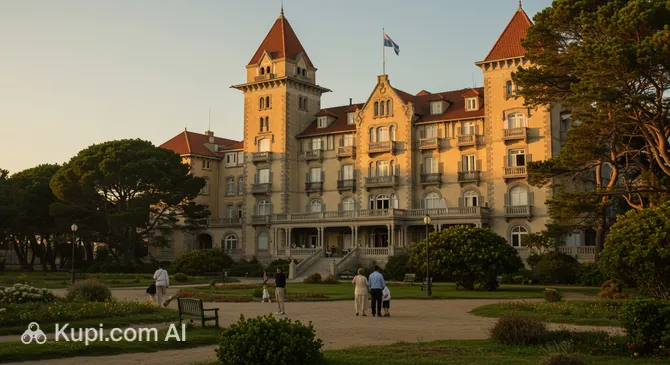
Old Ostende Hotel. Illustration.
Source: Kupi.com AI
Traveler photos:
Pinamar owes its name and unique appearance to a large-scale afforestation project. In the early 20th century, thousands of pines and other trees were planted on the deserted sand dunes to not only stop the shifting sands but also to create that very "pine forest by the sea" (which is exactly what "Pinamar" translates to), which is now the city's signature feature.
One of the oldest and most mysterious buildings in the city is the Old Hotel Ostende, opened in 1913. Legend has it that Antoine de Saint-Exupéry stayed here, and the local landscapes inspired him to create some of the imagery for "The Little Prince." Although there is no direct proof, the hotel still preserves the atmosphere of that era and attracts history buffs.
Not far from central Pinamar, in an area known as La Frontera, you can immerse yourself in a completely different atmosphere. This place is famous for its wide, wild beaches and high dunes, ideal for extreme sports like sandboarding, buggy and ATV riding, as well as secluded horseback rides along the ocean.
Pinamar was originally conceived and designed as a "garden city" according to European standards. Its founder, architect Jorge Bunge, sought to create a resort where urban development would harmonize with the natural landscape. This is why the city's streets are winding, following the natural relief of the dunes, and greenery plays a key role in its appearance.
How to Get There
Reaching the resort city of Pinamar, located on Argentina's Atlantic coast, can be done in several ways, primarily by combining a flight with ground transport. Since Pinamar itself does not have its own airport or a major train station, travelers usually arrive in the nearest large cities and continue their journey by car or bus from there.
The main international hub through which many tourists fly into Argentina is Ezeiza Airport (IATA: EZE), officially known as Ministro Pistarini International Airport. It is located in the suburbs of Buenos Aires and is the largest international airport in the country. The distance from there to Pinamar is approximately 296 km. From Ezeiza Airport or Buenos Aires itself, you can reach Pinamar by rental car or a comfortable intercity bus. The car trip usually takes about 4-5 hours, depending on road conditions. Bus service between Buenos Aires and Pinamar is well-developed, offering regular trips.
A closer option is Mar del Plata Airport (IATA: MDQ), officially Astor Piazzolla International Airport. This regional airport is located in the city of Mar del Plata, about 111 km south of Pinamar. From here, you can drive to Pinamar by taxi, rental car, or bus in about 1.5-2 hours. Although this airport is smaller and primarily handles domestic flights, it can be convenient for those already in Argentina or flying into Mar del Plata.
For clarity, here is a summary of the main airports that can be used for a trip to Pinamar:
In addition to air travel, the most common way to get to Pinamar is by road. The city is connected to Buenos Aires and other major population centers by high-quality highways. Regular bus services from the capital and other cities in the Buenos Aires province make the trip to Pinamar accessible and comfortable. It is recommended to check schedules and book tickets in advance, especially during the high tourist season.
Main Attractions
Pinamar, a well-known resort town in Argentina, offers its guests diverse opportunities for relaxation and entertainment. Among the many interesting spots, several key attractions stand out that are definitely worth a visit to fully experience the atmosphere of this coastal paradise.
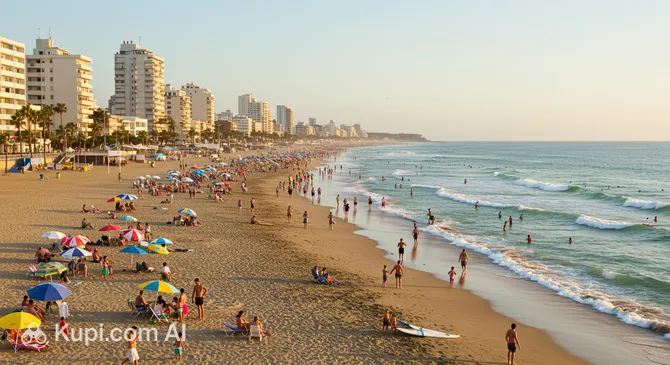
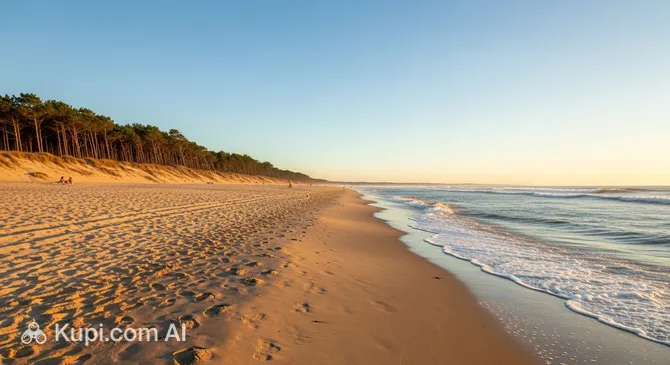
One of the city's main draws is undoubtedly its magnificent beaches. Pinamar Beach is a wide stretch of golden sand, ideal for sunbathing, swimming in the Atlantic Ocean, and long walks along the shore. Here you can engage in water sports such as surfing or kitesurfing, or simply relax to the sound of the waves while enjoying the sea breeze. Equally popular is Puerto Ostende Beach, which offers its own unique atmosphere and beautiful views.
Pinamar Beach. Illustration.
Source: Kupi.com AI
Traveler photos:
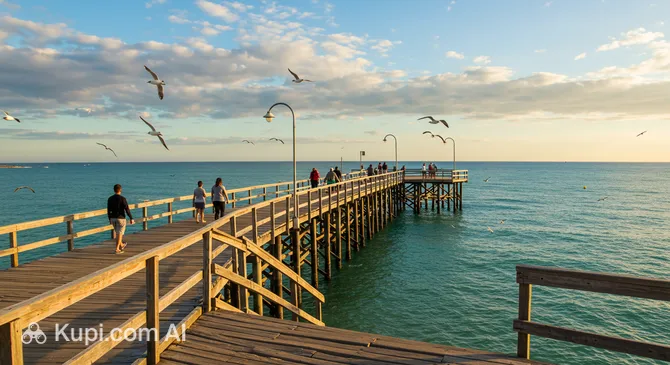
An integral part of Pinamar's maritime landscape is the Pinamar Pier. This is a favorite spot for leisurely strolls, especially at sunset when the sun paints the sky and ocean in incredible colors. The pier offers picturesque views of the coastline and is a great place for photographs. Many locals and tourists also come here for fishing.
Pinamar Pier. Illustration.
Source: Kupi.com AI
Traveler photos:
For lovers of history and architecture, a visit to the Old Hotel Ostende is a must. This legendary building, constructed in the early 20th century, is considered one of the oldest and most iconic in the region. The hotel holds many stories and legends; it is said that Antoine de Saint-Exupéry stayed here during his flights over the South Atlantic. A walk through its grounds allows you to touch Pinamar's rich history.
Old Ostende Hotel. Illustration.
Source: Kupi.com AI
Traveler photos:
Families with children and anyone looking for active fun should check out the Duke Center. This entertainment complex offers various attractions and outdoor activities, including karting and other amusements that will provide plenty of positive emotions for both children and adults. It's a great place to have fun and recharge your energy.
Duke Center. Illustration.
Source: Kupi.com AI
Traveler photos:
Local Cuisine
The gastronomy of Pinamar is a vibrant reflection of Argentina's rich culinary traditions, with a special emphasis on the freshness of local products. Being a coastal city, Pinamar offers an abundance of seafood dishes, but the star of the show is undoubtedly asado—the famous Argentine barbecue. This is not just food, but an entire ritual where various types of meat are cooked over an open fire, served with fresh vegetables and aromatic sauces. To try asado is to touch the soul of Argentine cuisine.
In addition to asado, it is certainly worth trying the freshest fish and shrimp prepared in numerous restaurants along the coast. The seafood here is always fresh and prepared in a wide variety of ways, from simple grilling to sophisticated dishes. Another iconic food found everywhere is empanadas—savory pastries with various fillings, from meat and chicken to cheese and vegetables. They are a great option for a quick snack while walking around the city or on the beach.
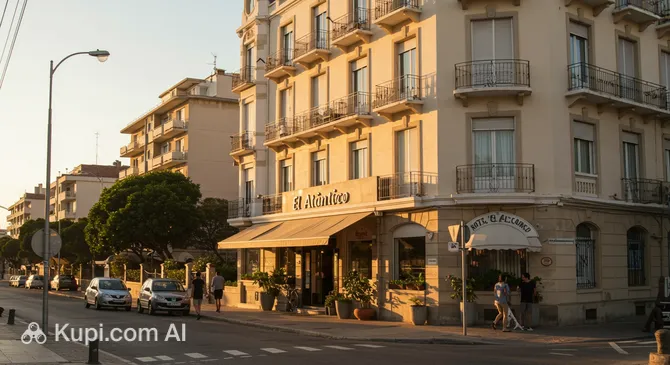
As for drinks, as in all of Argentina, the rich mate—a traditional invigorating drink—is popular here. Regarding alcoholic beverages, keep an eye out for Argentine wines, especially red Malbec, and of course, the famous Fernet and Coke cocktail, which is something of a national drink. Locals and tourists prefer dining in cozy restaurants, many of which specialize in seafood and grill, such as the El Atlántico restaurant. It is also worth checking out local markets where you can buy fresh fruit and homemade sweets.
El Atlántico. Illustration.
Source: Kupi.com AI
Traveler photos:
The culinary scene in Pinamar is complemented by numerous bakeries offering fresh pastries and coffee shops with aromatic coffee, perfect for starting the day or an afternoon break. The city often becomes a venue for gastronomic festivals where you can get a deeper look at the region's culinary heritage and try unique local delicacies. Overall, Pinamar's cuisine attracts tourists with its combination of traditional Argentine flavors, fresh seafood, and the lively yet relaxed atmosphere of local establishments.
Travel Tips
Planning a trip to charming Pinamar? Wonderful! To ensure your journey to this Argentine resort goes smoothly and leaves only pleasant impressions, we have prepared a few practical tips.
Clothing and Essentials: Pinamar is a beach resort, so in summer (December–February), be sure to bring swimwear, light clothing, a hat, sunglasses, and sunscreen with high SPF. In the shoulder seasons and winter (June–August), the weather can be cool and windy, so sweaters, jackets, and comfortable trousers will be useful. Comfortable shoes for walking around the city and beach are your best friend at any time of year. Don't forget a travel adapter (types C and I are used in Argentina).
Transport in the City: Pinamar is a fairly compact city, and many of its areas, especially along the coast, are pleasant to explore on foot or by bicycle. Public transport is represented by local buses (colectivos) that connect different parts of the city and neighboring resorts. Taxis are easy to find, and you can also use apps to call them. Car rental can be useful if you plan trips deep into the province, but for moving around Pinamar itself, it is not strictly necessary.
Financial Matters: The local currency is the Argentine peso (ARS). You can exchange currency at banks or official exchange houses (casas de cambio); avoid street money changers. Credit and debit cards are accepted in many hotels, restaurants, and large shops, but it is always useful to have some cash for small purchases or at markets. Check with your bank about terms for card use abroad and possible fees. ATMs (cajeros automáticos) are available but may have withdrawal limits and charge a fee. Tips (propina) in restaurants are usually about 10% of the bill and are very much appreciated.
Health and Safety: There are pharmacies (farmacias) in Pinamar, and some may operate 24 hours (farmacia de turno – duty pharmacy). It is recommended to take out travel medical insurance before your trip. Pinamar is considered a relatively safe resort, especially in tourist areas. Nevertheless, take usual precautions: do not leave valuables unattended on the beach or in the car, and keep an eye on your bags in crowded places.
Communication: The official language is Spanish. In the tourist sector (hotels, some restaurants), staff may speak English, but knowing even a few basic phrases in Spanish (e.g., "Hola" – hello, "Gracias" – thank you, "¿Cuánto cuesta?" – how much is it?) will be very helpful and help establish contact with locals. A local operator's SIM card can be purchased in specialized stores or kiosks. Wi-Fi is available in most hotels, cafes, and restaurants.
Local Etiquette: Argentines are generally very friendly and sociable. Greetings usually involve a handshake, and between acquaintances—a kiss on the cheek (even between men). The use of "vos" (you) is common. Politeness is valued in public places. Don't hesitate to ask for directions or help—people will likely be happy to assist you.
What to Avoid: Try not to display large sums of money or expensive jewelry in public to avoid attracting unwanted attention. Also, as in many countries, avoid participating in street gambling or suspicious offers from strangers.
Additional Tip: Pinamar is famous for its sand dunes. If you are an active recreation enthusiast, consider renting an ATV (while following safety rules and staying in permitted areas) for an unforgettable ride through the dunes. Also, keep in mind that in high season (January–February), the city can be very crowded, and prices for accommodation and services may be higher.
We hope these tips help you better prepare for your trip and fully enjoy your holiday in sunny Pinamar. We wish you an unforgettable journey!
Entertainment & Nightlife
When the sun sets over the Atlantic coast, Pinamar transforms, offering its guests a variety of evening and nighttime entertainment. This resort town in Argentina truly comes alive during the summer months (December to February), when vacationers flock here in search of fun and unforgettable experiences. Nightlife here is mainly concentrated around the city's main artery—Avenida Bunge—and its adjacent streets, as well as along the waterfront, where numerous bars and restaurants with ocean views are located.
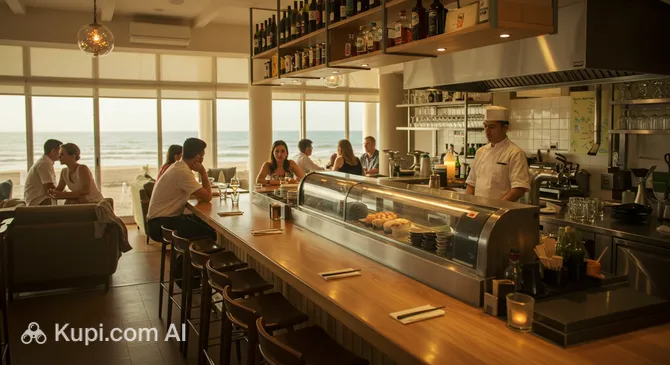
The atmosphere of Pinamar at night varies from relaxed and casual in beach bars to energetic and trendy in nightclubs. The crowd here is mostly youthful and family-oriented, all looking to have a good time. Most establishments start filling up closer to midnight, and clubs stay open until dawn. There is usually no strict dress code, but smart casual is recommended for some trendy clubs and restaurants. One popular place to start the evening is Negroni Bistro & Sushi Bar, where you can enjoy exquisite cocktails and sushi in a stylish setting. For those who prefer a more informal atmosphere with craft beer and burgers, 7167 Burger & Beer is an excellent choice.
Negroni Bistro & Sushi Bar. Illustration.
Source: Kupi.com AI
Traveler photos:
Those who love to dance until dawn will find several nightclubs in Pinamar featuring a variety of music—from popular Latin American rhythms to electronic music. One well-known venue is the Pinta Pinamar club, which attracts young people with its lively parties. Concert venues here are often temporary and become active during the peak season, hosting performances by local and visiting artists. Night markets are not a typical feature of Pinamar, but evening walks through the illuminated shopping streets can be very pleasant.
Pinta Pinamar. Illustration.
Source: Kupi.com AI
Traveler photos:
When planning your nighttime leisure, keep in mind that peak activity occurs on weekends and during the high season. Average prices in bars and clubs are comparable to other popular resorts in Argentina. You can get around the city at night by taxi, which are easy to call or find at designated stands. Central areas of Pinamar, especially around Avenida Bunge, are considered safe enough for evening walks, though you should always take standard precautions.
While nightlife is an important part of a holiday in Pinamar, there is also plenty to do during the day. In addition to the magnificent beaches, you can visit local shops and shopping centers, such as the Shopping Mall or Paseo Pinamar Plaza. Families with children can spend time at an amusement park, such as the Duke Center. For those interested in history, the Old Hotel Ostende, which holds memories of the resort's past, might be of interest. However, the main focus in Pinamar remains beach relaxation and evening entertainment, which create the unique atmosphere of this Argentine resort.
Parks & Museums
Pinamar, known for its magnificent beaches and relaxing atmosphere, offers guests not only a seaside holiday but also the opportunity to touch its history and enjoy unique natural spots. The city skilfully combines the charm of a coastal resort with interesting cultural sites that make a stay here rich and memorable.
Pinamar's main asset is undoubtedly its long sandy beaches, which serve as the primary areas for rest and recreation. Pinamar is an extensive beach zone offering developed infrastructure and plenty of entertainment for the whole family. Here you can not only sunbathe and swim in the Atlantic Ocean but also engage in water sports or simply enjoy the sea breeze. For those seeking a quieter environment, Puerto Ostende Beach, located in the eponymous, quieter district, is perfect. It attracts visitors with its natural beauty and tranquility, ideal for long walks along the shore and ocean contemplation.
Pinamar. Illustration.
Source: Kupi.com AI
Traveler photos:
Puerto Ostende Beach. Illustration.
Source: Kupi.com AI
Traveler photos:
Although Pinamar does not have traditional large city parks, its unique landscape with pine forests surrounding the city and weaving through its streets creates natural green zones that provide cool shade and fresh air. These forests are wonderful places for walks and outdoor relaxation in their own right. For active family leisure, you might consider a visit to the Duke Center, which, as an amusement park, offers rides and activities for children and adults, adding variety to a beach holiday.
Pinamar may not boast many classic museums, but its history and culture are reflected in iconic architectural sites. One such place is the legendary Old Hotel Ostende. This historical building, steeped in the spirit of the past, is considered one of the oldest in the region and attracts visitors with its unique architecture and stories associated with its famous guests, including writers and artists. A visit to this hotel or a walk near it is a true immersion into the history of the resort.
An integral part of the maritime landscape and an important place for strolls is the Pinamar Pier. It offers wonderful views of the ocean and coastline and is a popular spot for fishing and evening promenades. The pier also serves as a point of attraction for locals and tourists, reflecting the city's maritime character and being a great place for photos, especially at sunset.
To feel the atmosphere of Pinamar more deeply, take a walk through its shaded streets, lined with charming villas surrounded by pines—this in itself provides aesthetic pleasure and allows you to experience the resort's calm pace of life. It is also worth paying attention to small local fairs or shops where you can find handmade crafts reflecting the local flavor.
Getting Around
Getting around Pinamar is quite simple, especially during the tourist season. The basis of public transport here consists of buses that connect different city districts, beaches, and nearby settlements. Given Pinamar's compactness, many distances can be covered on foot while enjoying the fresh air and views.
The main form of public transport in Pinamar is city and suburban buses. The route network allows you to reach most of the city's key points, including central streets, popular beach areas, and residential quarters. Bus schedules may change depending on the season, with more frequent services in the summer. Information about routes and current schedules can usually be found at bus stops, in tourist information centers, or by asking locals.
The payment system on buses is generally simple. Most often, tickets are purchased directly from the driver upon boarding. In some cases, multi-trip passes or day cards may be available, which can be beneficial if you use transport frequently. The fare is usually low, but it's best to carry small change for payment. Be sure to keep your ticket until the end of the journey.
In addition to buses, taxis are widely used in Pinamar. They can be called by phone, found at designated stands, or simply hailed on the street. Taxis are a convenient option for nighttime trips, traveling with heavy luggage, or moving quickly between distant points. The fare is calculated by the meter, but you can ask the driver for an approximate price to your destination in advance. Also popular are "remises"—private car services with fixed rates, which are often slightly cheaper than official taxis for longer trips.
For those who prefer independence and active recreation, bicycle rental is a great alternative. Pinamar has several rental points, and it's a wonderful way to explore the city streets, the waterfront, and parks at your own pace. Given the mostly flat terrain, cycling trips here are very comfortable. Car rental is also possible, especially if you plan to travel around the outskirts and visit other coastal resorts.
Accommodation
In Pinamar, tourists are offered a wide range of accommodation options capable of satisfying various preferences and budgets. Here you can find everything from high-end hotels and resort complexes with a full range of services to more affordable mid-range hotels, cozy apartments for family vacations or short-term rentals, and budget hostels for travelers seeking economical options.
Most tourists prefer to stay in areas located closer to the beach and the central part of the city. This provides easy access to main attractions, restaurants, shops, and, of course, Pinamar's famous beaches, such as Pinamar or Pinamar Beach. Staying in these zones is also convenient in terms of transport accessibility.
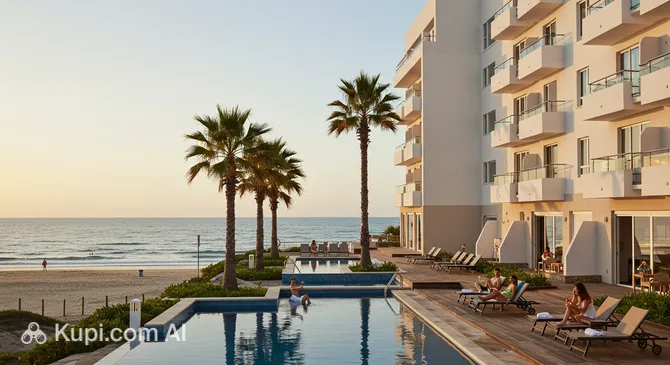
Terrazas al Mar Pinamar. Illustration.
Source: Kupi.com AI
Traveler photos:
Among the popular accommodation options in Pinamar are hotels such as Terrazas al Mar Pinamar and Hotel Nitra. These resort hotels offer comfortable rooms and various amenities for guests. It is also worth noting the historical charm of a place like the Old Hotel Ostende; although classified as a historical site, it reflects the region's hospitality past.
When planning a trip to Pinamar, especially during the peak season (usually the summer months), it is recommended to book accommodation in advance. Prices for stays vary from budget to luxury, depending on the type of accommodation and its location. You can book a hotel or apartment through popular online platforms or directly on hotel websites. Some prefer to contact local real estate agencies to rent houses or apartments for a longer term.
Nearby Cities
For those who want to explore the surroundings, Pinamar serves as an excellent starting point for day trips to several interesting nearby locations:
Several destinations stand out among them. For example, Mar del Plata, Argentina's largest seaside resort, attracts visitors with its long beaches, lively promenade, and diverse entertainment. A trip to Tandil will charm you with the picturesque Sierras de Tandilia hills, the famous Movediza Stone (more precisely, its replica), and the opportunity to taste delicious local cheeses and sausages. And a visit to Balcarce will be particularly interesting for motorsport fans, as it is home to the impressive museum of the legendary driver Juan Manuel Fangio.
These nearby destinations provide an insight into the region's diverse culture and landscapes. A trip to any of these cities will give you new impressions and complement your holiday in Pinamar.
Shopping & Souvenirs
Pinamar offers pleasant shopping opportunities, especially during the summer season when the city comes to life. Here you will find a mix of small boutiques, shops with beach goods, souvenir stalls, and modern shopping galleries. The city is not famous for any unique items, but you can purchase high-quality beachwear, local crafts, and traditional Argentine souvenirs.
The main commercial life of Pinamar is concentrated along its central artery—Avenida Bunge, which stretches from the city entrance all the way to the beach. Numerous shops selling clothes, shoes, and accessories, as well as cafes and restaurants, are located here. A stroll down this street is a pleasant activity in itself, especially in the evening.
For a more concentrated shopping experience, Pinamar has several shopping galleries and centers. Among them is Paseo Pinamar Plaza, offering a variety of shops and entertainment. The local Shopping Mall is also popular, where you can find goods for every taste. These centers are convenient as they bring various brands and services together under one roof.
Paseo Pinamar Plaza. Illustration.
Source: Kupi.com AI
Traveler photos:
Although there are no large permanent markets in Pinamar, craft fairs (ferias artesanales) are often organized during the high season (usually from December to March). Here you can find original handmade items, jewelry, ceramics, and other interesting trinkets from local artisans. Such fairs are usually located in busy areas, for example, near the beach or in central squares.
From Pinamar, it is worth bringing back souvenirs that reflect its coastal character and Argentine culture. Popular items include seashell products, beach accessories with city symbols, and traditional Argentine goods: leather products, mate sets (gourd and bombilla), alfajores sweets, and of course, the famous dulce de leche. Souvenir shops also stock textiles with local patterns.
Shop opening hours in Pinamar can vary depending on the season. During the summer months (December–March), many shops, especially on Avenida Bunge and in shopping centers, stay open until late evening, often with a siesta break during the day. Off-season, schedules may be more limited. Most shops accept both cash (Argentine pesos) and credit/debit cards. It is recommended to carry some cash for small purchases or in case of technical issues with terminals.
Foreign tourists can take advantage of the VAT refund system (Tax Free) on certain goods produced in Argentina and purchased in participating stores. To do this, you must make a purchase over a certain amount, obtain a special receipt (factura "B" or "T" and a Tax Free form), and present it along with the goods at customs when leaving the country. Check details and availability directly in the shops.